



How to Select the Right Industrial Potassium Acetate Supplier?
Before you can choose the right supplier for industrial solid potassium acetate, you need to know exactly what you need for your business and make sure that the seller can meet those needs. This organic substance, whose molecular formula is CH3COOK, is very important for cleaning wastewater, de-icing runways, drilling, and certain farming uses. To be successful in procurement, you need to look at the qualifications of your suppliers, such as their production size, quality certifications, technical support infrastructure, and the stability of their supply chain. Making an informed choice about your provider keeps your operations from being interrupted in ways that cost a lot of money and makes sure that the quality of your products meets strict industry standards.
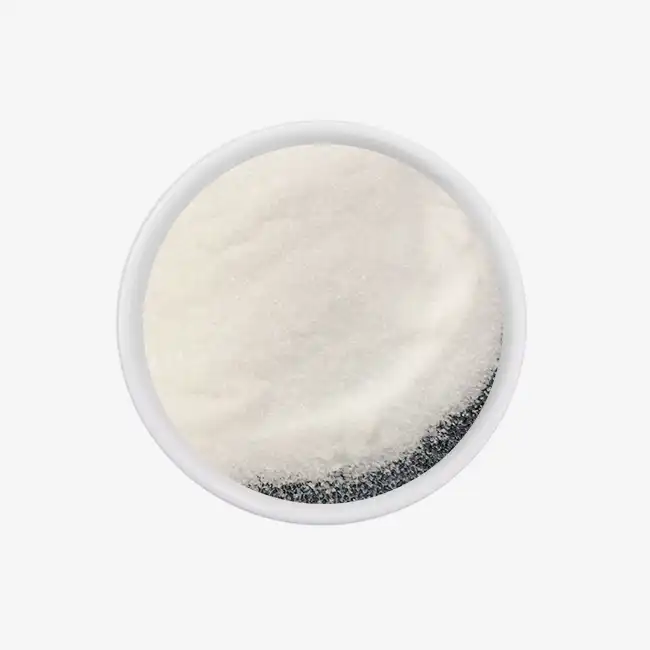
Understanding the Procurement Challenges of Industrial Potassium Acetate
Procurement teams face distinct obstacles when sourcing potassium acetate products for industrial applications. Because the chemical absorbs water, it is harder to store and move, and it needs special handling and packing instructions. Without the right test equipment, many buyers find it hard to check purity claims, which can cause quality problems that affect other processes.
Another big problem is that the supply line is broken up. There are producers, regional distributors, and trade middlemen in the global market, and each provides a different level of value. When quality tracking is important, it's important to be able to tell the difference between real makers and repackagers. When wastewater treatment facilities use both potassium acetate and sodium acetate as carbon sources for biological denitrification, they can't have changes from batch to batch that make the microbes less active.
Compliance with regulations makes foreign buying more difficult. Products that will be used in food or medicine must meet FDA standards. Products that will be used in the environment must follow EPA rules. For shale stability, drilling fluid formulations in the oil and gas industry need materials that meet API standards. By making sure that a supplier's certifications match the standards of your business, you can avoid costly compliance failures.
Price changes caused by the cost of raw materials and problems with transportation make planning hard. Bulk buyers who want to get the best deals have to weigh the initial cost against the total costs of ownership, which include freight, taxes, and possible quality problems. These problems that are linked show why choosing a key source is more than just comparing prices.
Essential Criteria for Evaluating Potassium Acetate Suppliers
Production Capacity and Technical Specifications
The first step in evaluating a supplier is to confirm the production size and product specifications. Established makers keep yearly capacities of more than 50,000 tons, which makes sure that there is always stock on hand, even when demand goes up. assay purity (≥98%), chloride content (<500 ppm), and iron impurities (<10 ppm) are some of the most important factors that production sites should be able to control. The white crystal structure needs to dissolve easily in water (about 253 grams per 100 milliliters at 20°C), which makes it easy to make concentrated brines for de-icing purposes.
Another very important feature is thermal stability. Industrial-grade potassium acetate stays solid up to 292°C, which makes it good for high-temperature catalysis in the production of polyurethane and the processing of textiles. Suppliers should show thorough reports of analysis that show pH levels between 7.5 and 9.0 in 5% water solutions. This proves that the solution has the ability to buffer between neutral and alkaline, which keeps infrastructure from rusting.
Quality Assurance and Certifications
Manufacturers with a good reputation are separated from sellers looking for easy money by strict quality management systems. Getting ISO 9001 approval shows that you are dedicated to maintaining consistent processes and accurate paperwork. Environmental compliance through ISO 14001 proves that waste management and emission control standards are being followed. This is especially important when acetic acid neutralization processes are being used to make industrial solid potassium acetate salts.
Verifications by a third party boost trustworthiness. KOSHER and HALAL certifications are now needed by sellers who work with food companies and drug companies that need buffering and preservation chemicals. For European markets, REACH registration and the right CAS number paperwork (127-08-2 for potassium acetate) make it easier to clear customs and file regulatory reports.
Laboratory skills show how sophisticated a provider is. Advanced testing methods, such as perchloric acid titration for sample confirmation and ion chromatography for chloride measurement, make sure that each batch is the same. When suppliers offer real-time quality data through online platforms, they show openness, which helps with planning inventory and improving processes.
Supply Chain Reliability and Support
In global buying, delivery success is based on the logistics system. Manufacturers with various warehouses cut down on wait times and lessen the effects of regional problems. Standard packing choices, such as 25-kilogram woven plastic bags and one-ton bulk containers, can be used at different operating scales. However, custom designs may be needed for handling equipment that is specific to that scale.
Strategic partners are different from commodity providers because they offer technical help. Engineering teams should give advice on how to make drilling fluids, figure out the content of de-icing fluids, and condition farming soils. Respondent customer service that provides material safety data sheets in the needed languages and helps with regulatory paperwork makes the buying process run more smoothly.
In long-term marriages, having stable finances is important. Companies that have been around for a long time, like those that started in the late 1980s, are able to weather changes in the market. Credit terms, bulk deals, and flexible contracts show that suppliers are sure they can keep up service quality as partnerships grow.
Comparing Supplier Types and Solutions in the Industrial Potassium Acetate Market
Understanding the types of suppliers helps buyers make their way through the complicated market. Direct makers have better technical understanding and control over the whole production chain, from getting the raw materials to packaging them. These companies spend money on special ways to make substances that produce high-purity results with little heavy metal contamination, which is important for pharmaceutical-grade uses.
Regional distributors make things easier to get to by keeping goods close to home. This cuts down on shipping times and makes operations planning easier. Their main selling point is that they can get better freight rates for larger orders by combining orders from multiple customers. However, wholesalers don't usually have a lot of technical knowledge about manufacturing details, which makes it harder for them to fix formulation problems or suggest ways to improve the manufacturing process.
Trading companies act as middlemen in the market, putting together foreign buyers and sellers and taking care of paperwork and deals that cross borders. Their services help procurement teams that don't know much about trade rules or language hurdles. In exchange, there are more markup levels and less direct contact with factory staff, which could make it take longer to fix problems when quality issues arise.
Value-added services set competitive providers apart. Customization options that let you change purity levels, particle size distributions, or unique package forms meet specific needs in research and development settings. Some makers offer "just-in-time" delivery programs that work with production plans to make storage easier for places that don't have a lot of space.
The real economic picture can be seen by looking at the total cost of ownership. Trading companies may offer good unit prices, but they have hidden costs like minimum order quantities, long lead times, and not enough expert help that make the savings less clear. Direct connections with manufacturers are often more cost-effective over a longer period of time, especially when you consider the fact that quality problems are less likely to happen and problems can be fixed quickly.
Step-by-Step Process to Select Your Industrial Potassium Acetate Supplier
Define Your Technical Requirements
Clear specification development keeps expectations and given goods from not matching up. Write down the levels of purity that are needed, the levels of impurity that are okay, and the package options that you prefer based on how you handle things. Wastewater treatment plants in cities that use industrial solid potassium acetate to add extra carbon should list the solubility rates needed to make sure the chemical dissolves quickly in biological reactors. Contractors who do drilling need to be sure that the goods they use meet API standards for controlling fluid loss and protecting formations in permeable areas.
Forecasts of volume help match suppliers' ability. Airport owners who need to stock up on de-icing agents before the winter months need providers who can increase production without lowering quality. Advance contracting protects prices against changes in the commodity market, which is good for agricultural dealers planning spring fertilizer campaigns.
Conduct Market Research and Supplier Identification
Buyers can connect with approved chemical producers around the world through specialized B2B platforms. Detailed business descriptions that show how much they produce, if they have any certifications, and how much experience they have with exporting make basic screening easier. Cross-referencing between various sources lowers the chance of running into unqualified middlemen who lie about their abilities.
Trade groups in an industry can tell you a lot about a supplier's image. Peer suggestions and warning experiences can be found in technical groups that talk about water treatment, de-icing technologies, or chemicals used in the oilfield. By talking to engineering staff at sector-specific exhibitions, you can evaluate suppliers face-to-face and get a clear idea of their technical ability.
Request Samples and Conduct Testing
Claims made in marketing materials are backed up by physical samples. Lab tests that confirm the purity, moisture, and impurity profiles that were promoted give people more trust before they place large orders. Application testing shows that the new process will work with the old ones. Dissolving samples in the water supply of your plant shows any unexpected precipitation or pH change that could affect the results of the treatment.
The efficiency of the moisture shield is checked during packaging inspection, which is very important because potassium acetate is very liquid. Multi-layer plastic bags that are well-designed and properly sealed keep food from caking while it's being stored, which means that it can be used for longer than the normal two years. By looking at the quality of sample packaging, you can often guess how organized the supplier's building is as a whole.
Evaluate Financial Terms and Contract Structure
Suppliers who are honest about their prices are different from those who hide fees in complicated terms. Quotes that are very specific should list unit costs, freight costs, insurance costs, and any taxes that apply. Volume-tiered pricing encourages partnerships that help businesses grow while protecting them from future price increases by using formulas that are adjusted every year and are linked to public chemistry indices.
Levels of mutual trust show up in payment terms. Manufacturers that have been around for a while and are happy with letter-of-credit plans or staged payment schedules show that they are financially stable. On the other hand, sellers who want full payment before output may be a sign of trouble with cash flow or a lack of trustworthiness.
There should be clauses in contracts that cover "force majeure" situations, ways to settle quality disputes, and privacy rights for unique formulations. Well-written contracts include performance promises that spell out the accepted defect rate and the time frame for handling packages that don't meet the requirements.
Audit Capabilities and Initiate Trial Orders
On-site trips to facilities show how marketing claims really work. Seeing production lines, quality control labs, and places where raw materials are stored can teach you about process discipline and how to keep things from getting contaminated. Manufacturers who are open to audits show that they are confident in their business standards, while manufacturers who are closed off to openness raise concerns.
Trial orders lower the risk of starting a business together. Smaller packages make it possible to test how well logistics work, how accurate paperwork is, and how consistent the products are in the real world. Before moving on to blanket purchase deals or exclusive supply arrangements, successful trial steps set baseline expectations.
Case Studies: Successful Procurement of Industrial Potassium Acetate
A local water authority in the Midwest had to deal with rising costs and uneven performance from several regional wholesalers that provided carbon sources for tertiary denitrification. Their purchasing team set up an organized way to evaluate suppliers, focusing on how transparent the manufacturing process was and how well they helped with technical issues. They paired with a vertically integrated company that made both potassium and sodium acetate products after reviewing three others. This allowed them to make blended formulations that worked best for their biological nutrient removal process. The consolidation cut costs by 18% and sped up the recovery of dissolved oxygen, showing that rationalizing suppliers improves operational measures beyond just the buy price.
An foreign drilling firm helping with deepwater development needed fluids based on acetate that would stay stable at very high temperatures and pressures downhole. Their old provider had problems with quality control that caused lost circulation events and rig time that wasn't being used, which cost them millions of dollars. Problems with drilling fluids no longer happened after switching to a company with oilfield-specific product lines and API approval. The field experts from the new provider fixed problems on-site during key parts of the well, which avoided costly delays. This case shows how specialized technical skills can explain higher prices by lowering risks and guaranteeing performance.
A regional farming group that sells specialty fertilizers was looking for industrial solid potassium acetate for programs that grow organic crops. When I first bought it through commodity traders, the particles were of different sizes, which made blending more difficult and raised worries about dust production. Working directly with a maker who has flexible production lines made it possible for them to get customized granules that met their dry fertilizer needs. The agronomic support team from the supplier helped with soil application study. This gave the group stronger product claims in the market, which was supported by proof. So, strategic supplier ties go beyond just doing business with each other and involve creating value together.

Conclusion
To find the best provider for potassium acetate products, you need to carefully weigh their expert skills, quality control systems, and pricing. Successful procurement teams take the time to learn about the basics of manufacturing, tell the difference between real makers and middlemen, and back up their claims with tests and checks. Because industrial acetate is used in so many different areas, like wastewater treatment, infrastructure repair, drilling operations, and agriculture, it's important for suppliers to offer more than just goods. They also need to be able to offer full expert support. Building partnerships with well-known makers who have certifications, a large production scale, and a responsive support system keeps operations running smoothly and lets you improve the process. Through reliable supply chains and working together to make things better all the time, strategic sourcing changes chemical procurement from cost-focused deals into competitive benefits.
FAQ
What certifications should a reputable potassium acetate supplier possess?
Legitimate suppliers have ISO 9001 for quality management, ISO 14001 for environmental compliance, and certifications relevant to your business that fit your needs. For uses in food or medicine, you need KOSHER, HALAL, or GMP paperwork. API certificates are useful for uses in the oilfield. Check certificates with the organizations that issued them instead of just taking copies, since fake paperwork is common in chemistry markets.
How can I be sure that the actual purity of industrial solid potassium acetate?
Ask for full records of analysis that show the percentages of assays using perchloric acid titration, the amount of chloride present using ion chromatography, and the amount of moisture present using loss-on-drying methods. Testing samples in a lab that is not connected to the project gives independent confirmation. Manufacturers with a good reputation allow comparison tests and keep batch tracking, which connects specific lots to quality data.
What typical lead times should I expect for international potassium acetate shipments?
For well-known producers who keep extra stock on hand, production wait times are between five and ten days. It takes about thirty days for ocean freight from Asian makers to ports in North America. It takes twenty to twenty-five days for freight to reach targets in Europe. Air freight cuts travel time to one week, but costs go up a lot. Domestic sellers can get orders to you faster, but they may charge more per unit because of how much things cost in your area.
Can suppliers customize potassium acetate specifications for specialized applications?
Manufacturers with a lot of experience can meet unique orders for things like changing purity grades, particle size distributions, and moisture control requirements. Custom packaging designs are made to fit specific working tools or space limitations. For specialized products, the minimum order quantity is usually higher than for normal grades. Usually, commitments above five tons are needed to support changes to the production line and changes to the quality procedure.
Partner with Zhaoyi Chemical for Reliable Industrial Solid Potassium Acetate Supply
Zhaoyi Chemical has been making acetate for more than 30 years and can help procurement professionals who need reliable industrial solid potassium acetate solutions. Our 27,000-square-meter factory in Shanxi Province can make 150,000 tons of acetate salt every year across all of its product lines. This means that we can always meet customer needs, even when demand goes up during certain times of the year. We help city wastewater plants that need carbon sources, airports that need to stock de-icers for the runways, drilling companies that are making specialized fluids, and farm dealers that are making soil conditioners.
Our industrial solid potassium acetate meets strict requirements, with a purity level of 99 percent, a chloride content of less than 0.2 percent, and an iron impurity level of less than 0.05 percent. Our quality control systems are backed by ISO 9001, KOSHER, and HALAL certifications, and strict testing methods make sure that every batch is the same. Technical support teams help with application optimization, like figuring out de-icing ratios that work down to -60 degrees Celsius or making drilling muds that keep shale from growing.
We offer a range of flexible packing choices, such as 25-kilogram woven bags and one-ton bulk containers. Production wait times are usually between five and seven days. Our global transportation network helps customers in North America, Europe, and Asia by making transfer paperwork easier and keeping in touch quickly. You can get samples of our products to see how good they are or get in touch with our tech staff to talk about your unique needs. You can get in touch with Zhaoyi Chemical at sxzy@sxzhaoyi.com to talk about relationship options with a reliable potassium acetate manufacturer that wants to help your business succeed.
References
1. Chen, W., & Morrison, R. (2021). Industrial Acetates: Production, Applications and Quality Standards. Chemical Engineering Press.
2. Environmental Protection Agency (2020). Alternative De-icing Agents: Performance Evaluation and Environmental Impact Assessment. EPA Technical Report Series.
3. Johnson, M. L. (2019). Procurement Strategies for Specialty Chemicals in Global Supply Chains. Journal of Industrial Sourcing, 34(2), 145-167.
4. National Association of Corrosion Engineers (2022). Comparative Study of Acetate-Based vs. Chloride-Based De-icing Compounds. NACE International Standards Publication.
5. Petroleum Technology Research Institute (2021). Drilling Fluid Additives: Technical Requirements and Supplier Qualification Guidelines. API Recommended Practices Manual.
6. Water Environment Federation (2020). Carbon Source Selection for Biological Nutrient Removal: Technical and Economic Considerations. WEF Specialty Conference Proceedings.

USER EVALUATE
Here is the customer's evaluation of us