



Cost Efficiency of Potassium Acetate in Oilfield Operations
In the competitive energy market of today, routine cost management can decide how profitable a project is. To make drilling fluids more effective and save money, oilfield solid potassium acetate has become popular. It also helps protect the environment. Compared to chloride-based salts, this white solid substance (CH3COOK, CAS: 127-08-2) is better at stopping shale formation and protecting equipment. Drilling contractors and oilfield service companies are becoming more aware that the initial costs of purchasing something are only one part of the total cost. When you look at logistics efficiency, equipment longevity, less formation damage, and environmental compliance, oilfield solid potassium acetate shows impressive cost efficiency that directly leads to better bottom-line performance.
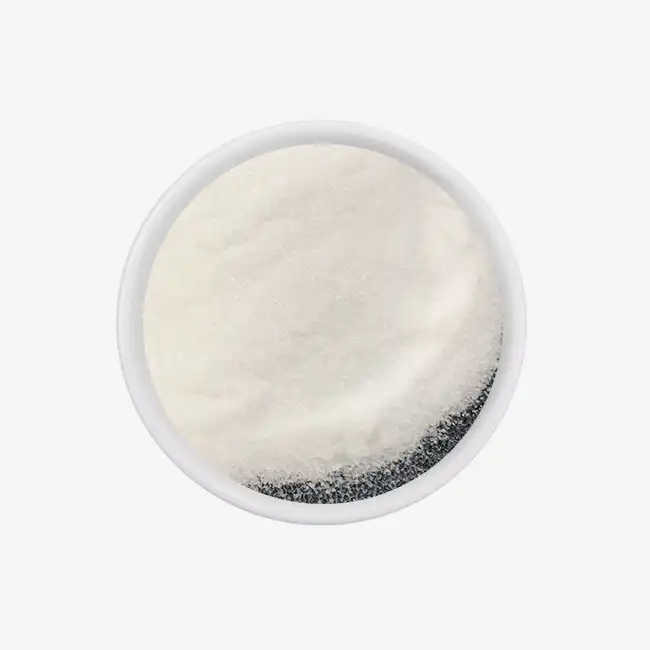
Understanding Potassium Acetate in Oilfield Operations
Oilfield solid potassium acetate is very useful for digging because of the way it works chemically. This organic substance dissolves quickly in water, unlike most salts. It makes clear brines that settle unstable shale formations without the corrosive chloride ions that potassium chloride or calcium chloride options have.
Why Solid Form Outperforms Liquid Alternatives?
When you look at the costs of using oilfield solid potassium acetate versus liquid potassium acetate in the fields, the benefits are clear. The crystalline solid form doesn't carry the weight of water, which cuts freight costs by a large amount—usually 40 to 50 percent compared to liquid concentrates. This benefit is especially useful for drilling sites that are far away, where the cost of moving every pound of equipment can add up quickly. Solid formulations also make managing goods easier because they take up less room in warehouses and don't need to be frozen when stored in cold weather.
Because high-purity oilfield solid potassium acetate dissolves easily, it is possible for rig workers to make drilling fluids on-site at exact amounts. Because of this, you can change the density of the brine from light finishing fluids to heavy workover brines with a specific gravity of 1.57 without adding particle weighting agents that could hurt useful formations.
Environmental and Operational Benefits
Environmental rules are getting stricter in all digging areas, which makes choosing the right chemicals a strategic compliance problem. Biodegradability is an advantage of oilfield solid potassium acetate that chloride forms don't have. The acetate part naturally breaks down when drilling fluids are released or thrown away. This lowers the biological oxygen demand (BOD) and chemical oxygen demand (COD) in trash streams. This trait is very useful when working in places that are bad for the environment, on ocean sites, or in places that have strict rules about how much water can be discharged.
In practice, the molecule effectively stops clay from sticking together by exchanging cations. The potassium ions move between the clay cells and stop them from growing and getting wet, which can make wellbores less stable. This stability cuts down on the expensive downtime that comes with things like a pipe getting stuck, a wellbore collapsing, or the need for corrective filling operations. Because acetate anions don't corrode, they make downhole tools, drill pipe, and completion equipment last longer. This is something that is often missed in early cost studies, but it's important for multi-well drilling projects.
Cost-Benefit Analysis of Potassium Acetate in Oilfield Use
For purchasing choices, you need to look at a lot more than just unit prices. To get a true picture of an additive's economic value, you need to look at its performance measures, operational efficiency, and lifetime costs.
Performance Comparison with Traditional Salts
For decades, potassium chloride has been the standard shale inhibitor because it provides cheap potassium ions for stabilizing clay. But the chloride part comes with a number of secret costs. Ions of chlorine speed up the rusting of tube goods and downhole equipment, which means that they need to be replaced more often and cost more to maintain. Getting chloride-containing waste fluids out of the environment often needs special treatment, which adds costs after the fact that were not included in the original budgets for purchase.
Calcium chloride adds rigidity and some blockage, but it doesn't work well with some polymer systems that are used in drilling fluids. The calcium ions can combine with carbonate or sulfate impurities to form scale layers that stop fluids from moving and hurt the formation's ability to let water through. Fixing formation damage caused by calcium usually needs acid treatments, which are more expensive and harder to do.
Formate brines, such as potassium formate and cesium formate, have great performance and environmental profiles, but they are very expensive. Because of this, they can only be used in high-pressure, high-temperature wells or other cases where their unique qualities make the investment worth it.
Oilfield solid potassium acetate is a good compromise because it performs similarly to formate brines while having costs more similar to regular salts. The substance effectively stops shale formation, works with equipment, and doesn't harm the environment. All of these factors lower overall running costs, even when the unit price is higher than that of common chloride salts.
Tangible Operational Benefits
Field transportation costs are directly affected by how much it costs to store and move things. The solid crystalline form comes in 25 kg braided bags that don't get wet or 1000 kg ton-bags that work well, stack safely, and won't break down in the environment. Oilfield solid potassium acetate can be stored in normal dry warehouses with other drilling chemicals, while liquid concentrates need to be kept in warm rooms in cold places or special tanks. This makes things easier, which cuts down on the need for infrastructure at rural drill sites, where each piece of infrastructure costs money.
Mixing is easy; rig workers just add the right amount of crystals to the make-up water, and the crystals dissolve quickly, making the brines uniform without the need for special mixing tools. Because there aren't any handling pumps, heated lines, or measuring devices needed for liquid additives, the equipment costs less and needs less upkeep.
Return on Investment Through Improved Drilling Efficiency
In the real world, drilling projects show that using oilfield solid potassium acetate has a clear return on investment. When operators drill through reactive shale sequences, they report fewer wellbore stability events when they use acetate-based systems instead of chloride systems. Less time spent on non-productive tasks directly improves the economics of drilling—every hour saved on a modern drilling rig saves a lot of money.
Damage to the formation is another important cost issue. If drilling fluids get into productive zones, they can forever lower well production by making the clay swell, the fines move around, or the well's ability to permeate become less good. Because oilfield solid potassium acetate brines don't contain any solids, they reduce invasion damage. This is especially important for finishing and workover tasks where protecting formation output is very important. When wells are finished with properly formulated acetate brines, they usually have higher initial production rates and better final recovery. These are usually huge financial benefits that are much greater than the extra cost of the completion fluid itself.
Another way that cost efficiency is shown is by how long equipment lasts. Because acetate ions don't corrode, they make drill pipe, bottom-hole kits, measurement tools that are used while drilling, and finishing equipment last longer. Fewer broken pieces of equipment mean fewer fishing trips, lower rental costs, and less money spent on buying new gear. Maintenance teams always say that equipment used in acetate-based systems needs to be serviced more often than equipment used in chloride settings.
Procurement Insights: How to Source Solid Potassium Acetate Effectively
Effective sourcing methods make sure that you can always get high-quality goods at the best price. Because oilfield-grade oilfield solid potassium acetate is so specialized, it needs to be carefully evaluated by suppliers and bought in a smart way.
Evaluating Supplier Reliability and Quality Standards
The purity requirements have a direct effect on how well drilling tools work. Technical-grade oilfield solid potassium acetate for use in the oilfield should be at least 98–99% pure, with very low amounts of moisture, solid matter, and metal impurities. Reliable providers include thorough certificates of analysis with every shipment to show that the requirements have been met.
When choosing a source, the power to make things is important. Established makers with dedicated production lines and large yearly capacity, like plants that can make 150,000 tons a year, show that they have the scale and skill to keep quality high. Look for providers that have certifications that are known around the world, such as ISO 9001 for quality management systems, ISO 14001 for environmental standards, and Occupational Health Certifications. These references show that there is a method for quality control and that the manufacturing process is reliable.
Customer references from other drilling firms or oilfield service companies can tell you a lot about how well a seller does their job. Reliable partners make sure that the quality of the product stays the same from batch to batch, keep their shipping promises, and offer quick expert support when field uses need help with problems or formulation.
Optimizing Logistics and Pricing Structures
A big part of the given price is the cost of transportation, especially for large chemicals. When assessing providers, you should think about where they are in relation to where you do business. Even if the ex-works price is lower, domestic providers or those with regional delivery networks can often offer logistics benefits that offshore makers can't match.
The types of packaging affect how well they are handled and how much material is wasted. Standard 25 kg bags work well for smaller activities or when exact batching is needed. 1000 kg ton-bags, on the other hand, make handling a lot easier for people who buy a lot of them. When stored in humid places, moisture-resistant packaging with the right polyethylene bags keeps the structure of the product safe.
Most of the time, promises to buy in bulk open up better pricing arrangements. Annual supply deals with planned deliveries keep inventory costs in check with bulk discounts and make sure that materials are available when project plans call for them. Instead of doing business with wholesalers, forming ties with manufacturers can often lead to better prices and faster distribution during times of limited supply.
When making a contract, lead times need to be carefully thought through. Standard production runs from well-known manufacturers usually take 5–7 working days, but custom formulas or big orders may make the time needed longer. By building up the right inventory gaps, you can avoid expensive project delays caused by missing materials and keep your working capital from getting stuck in chemical stocks.
Safety and Environmental Impact of Using Potassium Acetate
Chemical management that is done right saves people, tools, and the environment while also making sure that rules are followed. When treated according to standard safety rules for the workplace, oilfield solid potassium acetate is generally safe.
Safe Handling and Storage Practices
Like other dry chemical goods, the crystalline solid form needs to be handled with simple care. People who are handling the material should wear the right safety gear, like safety glasses, gloves, and dust masks, so they don't get dust in their eyes or breathe it in while they are handling bags. The compound doesn't cause fires or explosions and doesn't respond badly with common manufacturing materials.
The places where things are stored should keep damp out and have enough air flow. Because oilfield solid potassium acetate is hygroscopic, it draws moisture from the air if the packaging is damaged. This could cause the material to harden or dissolve. As a general rule, bags should be kept away from materials that aren't compatible with them by putting them on stacks that are raised above the floor level in dry stores.
During transport, make sure loads are properly secured and that packaging is not damaged in a way that could break moisture barriers. Standard freight labels apply, which makes shipping operations easier than for dangerous goods that need to be handled in a certain way.
Environmental Advantages and Regulatory Acceptance
Acetate molecules are better for the earth than chloride salts because they break down naturally. Microorganisms in dirt and water can easily break down acetate into safe byproducts that don't build up in living things. This trait is very helpful when working with National Pollutant release Elimination System permits, marine release rules, or in environmentally sensitive areas where getting rid of drilling fluid is closely watched.
Lower marine toxicity than chloride brines lowers the risk to the environment from planned or unintentional spills. Because acetate-containing trash streams don't need as much chemical oxygen, they often don't need to be treated before they can be thrown away. This lowers the cost of environmental management after digging.
More and more, regulatory bodies prefer drilling fluid methods that leave less of an impact on the environment. Using acetate-based systems shows care for the environment, which can help get permits, make relationships with the community better, and match up with companies' sustainability goals. Along with direct cost saves, these indirect benefits make the business case for using oilfield solid potassium acetate stronger.
Conclusion
When figuring out cost efficiency, you have to look at more than just the original buy price. You have to do a full lifecycle analysis. Oilfield solid potassium acetate has a lot of economic benefits. It lowers logistics costs because it is solid and not heavy, it extends the life of equipment because it is non-corrosive, it improves drilling efficiency by stabilizing shale better, it prevents formation damage to protect well productivity, and it makes environmental compliance easier, which lowers disposal costs. When these factors are taken into account along with unit price when making purchasing choices, oilfield solid potassium acetate always has better economics than standard alternatives. These benefits are maximized by strategically buying from well-known makers with quality systems that have been tested and oilfield knowledge. This also ensures a dependable supply.
FAQ
How does potassium acetate compare to potassium chloride for drilling applications?
Both substances contain potassium ions that help break down clay, but oilfield solid potassium acetate has a lot of benefits. When compared to chloride ions, the acetate anion doesn't damage agricultural equipment, so it lasts longer and costs less to maintain. Biodegradability and lower aquatic toxicity are environmental perks that make dumping and following the rules easier. Better compatibility with polymer additives and less formation damage in finishing uses are two performance benefits. Even though the unit costs are higher than those of potassium chloride, acetate systems usually have lower total operating costs when factors like equipment life and environmental impact are taken into account.
What purity level should I specify when purchasing for oilfield applications?
When used as drilling fluid, technical-grade oilfield solid potassium acetate should be at least 98–99% pure. This standard makes sure that there is enough active ingredient to effectively stop clay from sticking while limiting flaws that could affect how well the fluid works or introduce contaminants. Reliable sellers give out records of analysis that show how pure the product is and how much moisture, insoluble matter, and heavy metals are in it. Higher purity usually makes it easier for chemicals to dissolve and lowers the chance of unwanted chemical interactions happening in complex drilling fluid mixes.
Can solid potassium acetate be used in freezing conditions?
As a matter of fact, the substance stays solid at low temperatures and works well as an antifreeze when mixed with water. Depending on the quantity, acetate brines don't freeze below -60°C, which makes them perfect for drilling in the Arctic. In cold places, solid storage doesn't pose any special problems because the crystalline material doesn't break down at low temperatures. To keep caking from happening, employees should keep packages from getting wet no matter what the temperature is.
Partner with Zhaoyi Chemical for Reliable Oilfield Solid Potassium Acetate Supply
Zhaoyi Chemical has been making acetate for more than 30 years and brings that experience to the gas business. Our dedicated production plant in Shanxi Province can make up to 150,000 tons of oilfield solid potassium acetate every year. It has special lines that make high-purity oilfield solid potassium acetate that meets strict drilling requirements. We know what drilling applications need in terms of efficiency and what field operations need in terms of supply dependability. Our expert team helps with formulations and quickly fixes problems. They are backed by a number of quality certifications, such as ISO 9001, ISO 14001, KOSHER, and HALAL. Since we've been making oilfield solid potassium acetate for a long time, we can offer reasonable prices, a range of packaging options (from convenient 25 kg bags to efficient 1000 kg ton-bags), and reliable delivery with wait times of 5 to 7 days. You can email our team at sxzy@sxzhaoyi.com to talk about your special needs, ask for technical data sheets, or get quotes for your future drilling projects. Visit zhaoyichemical.com to see our full line of acetate products and learn how our materials can help you meet your sustainability goals and improve the efficiency of your operations.

References
1. Al-Bazali, T. M. (2019). "The Impact of Potassium Acetate on Shale Stabilization During Drilling Operations." Journal of Petroleum Science and Engineering, Vol. 174, pp. 682-692.
2. Caenn, R., Darley, H. C. H., and Gray, G. R. (2017). Composition and Properties of Drilling and Completion Fluids, 7th Edition. Gulf Professional Publishing, Cambridge, Massachusetts.
3. Howard, S. K. and Kaminski, L. (2018). "Environmental Performance of Acetate-Based Drilling Fluids in Offshore Applications." SPE Drilling & Completion, Vol. 33, No. 2, pp. 145-158.
4. Mitchell, R. F. and Miska, S. Z. (2021). Fundamentals of Drilling Engineering, 2nd Edition. Society of Petroleum Engineers, Richardson, Texas.
5. van Oort, E. (2020). "Sustainable Drilling Fluid Systems: Balancing Performance with Environmental Stewardship." Proceedings of the IADC/SPE International Drilling Conference and Exhibition, Galveston, Texas.
6. Zhang, J., Chenevert, M. E., and Sharma, M. M. (2016). "A Chemical-Mechanical Wellbore Instability Model for Shales: Accounting for Solute Diffusion." Journal of Petroleum Science and Engineering, Vol. 140, pp. 112-122.

USER EVALUATE
Here is the customer's evaluation of us