



Environmental Impact of Oilfield Chemicals: Potassium Acetate
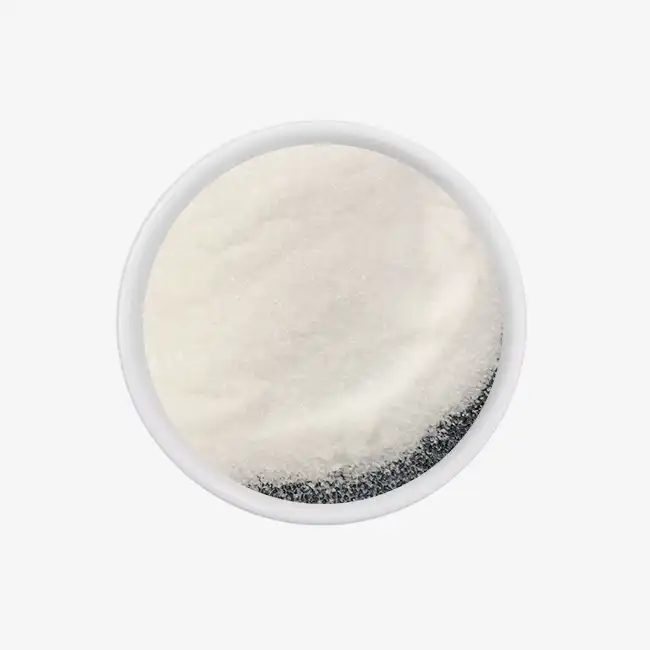
The oil and gas industry is under more and more pressure to find a mix between cutting costs and caring for the environment. Oilfield solid potassium acetate (CAS: 127-08-2) has become a useful substitute for conventional chloride-based chemicals when it comes to drilling fluid additives. This white crystalline substance, whose molecular formula is CH3COOK, helps protect the environment while still working well in difficult digging situations. Unlike regular potassium chloride or calcium chloride solutions, acetate-based versions are better at breaking down naturally and are less harmful to aquatic life. This makes them especially useful for digging zones and operations that don't want to harm the environment. Understanding the environmental dimensions of this chemical helps procurement professionals make informed decisions that align operational needs with sustainability mandates.
Understanding Potassium Acetate and Its Use in Oilfields
Molecular Structure and Physical Properties
When potassium cations and acetate anions come together, they make potassium acetate, an organic salt that is very easy to dissolve. The combination can be found in both solid crystalline and liquid forms, but the solid form is easier to handle. This material easily dissolves in water, acid, and alcohol, reaching full solubility at amounts good for use in drilling fluids. Its molecular weight is 98.14. The solid structure stays stable during storage as long as it is kept dry, well-ventilated, and away from heat and moisture.
Comparative Performance in Drilling Fluids
When buying teams look at drilling fluid additives, they usually compare a number of important factors. Because it doesn't corrode and is safe for the environment, potassium acetate is different from other chloride salts. Potassium chloride is good at stabilizing rock, but the chloride anion speeds up equipment breakdown and makes release difficult. Calcium chloride is cheaper, but it is more likely to cause rust and is more harmful to marine life. Acetate formulations give potassium ions to stop clay from sticking without these negative side effects, which makes equipment last longer and makes trash management easier. Since the solid form doesn't contain any water, it's easier to move and costs less than liquid options by 40 to 50 percent.
Applications Across Drilling Operations
Adding acetate to water-based muds makes them work much better, especially when digging through reactive shale layers that tend to get wet and swell. Through effective cation exchange, the compound stops clay from expanding. This keeps the wellbore intact in places where unstable formations threaten working efficiency. Completion fluids need clear, high-density brines that keep formation damage to a minimum. Oilfield solid potassium acetate can make brine densities hit 1.57 specific gravity without adding solid weighting agents that could block pores. Arctic and underwater drilling operations need anti-freeze protection. Acetate solutions keep fluids from freezing at -60°C while keeping their rheology, which is a big benefit over glycol-based solutions that change viscosity profiles without warning.
Environmental Challenges Associated with Oilfield Chemicals
General Ecological Risks from Drilling Additives
The upstream oil and gas business uses a lot of chemicals that are important for work but have negative effects on the environment. Soil pollution happens when drilling fluids get out of their containment systems and into the ground, where they could harm forests and farmland. Pollution of the water is a more pressing problem, especially in coastal areas where marine life is directly exposed. Different types of chemicals are very different in how harmful they are to wildlife. Some additives are poisonous at very low levels, while others build up in food chains. These problems are made worse by the fact that many parts of drilling fluid don't react well with normal biological treatment methods. This means that they need to be thrown away in a specific way, which costs more and increases running costs.
Specific Considerations for Acetate-Based Additives
Potassium acetate behaves in the world in a very different way than chloride salts or manmade polymers. Natural microbes break down the oilfield solid potassium acetate anion into carbon dioxide and water through aerobic biodegradation, leaving no lasting leftovers. This ability to break down naturally lowers the risk of long-term buildup in soils and groundwater. But people who work in buying should know that biodegradability does not mean that something has no effect on the earth. Biochemical oxygen demand (BOD) levels can temporarily rise in received waters when amounts are high. However, acetate formulations usually produce lower levels of BOD and COD than many other additives.
Regulatory Frameworks Governing Chemical Discharge
When digging offshore in U.S. seas, companies must follow the rules set by the Environmental Protection Agency for releasing waste water. As part of the National Pollutant Discharge Elimination System (NPDES), tight limits are put on chemical oxygen demand, marine species toxicity, and bioaccumulation potential. Bureau of Safety and Environmental Enforcement rules put even more limits on the chemicals that can be used in offshore drilling fluids, especially in places where marine life is very fragile. Regulations for onshore activities vary a lot from state to state. For example, some states allow the use of drilling fluids with allowed additives on land, while others require closed-loop systems with no release. Acetate-based formulations usually meet strict offshore standards better than chloride options, which makes compliance easier and cuts down on the time it takes to get permits.
Evaluating the Environmental Impact of Potassium Acetate: A Dimensional Analysis Approach
Biodegradation Pathways and Rates
Studies show that acetate anions break down quickly in oxygen-rich settings using common bacteria pathways. Tests on the environment show that half-lives are between 1 and 7 days in surface waters with normal dissolved oxygen and temperature. The rates of decline are about the same in soils with active microbial communities and soils without oxygen. However, the process moves much more slowly in soils without oxygen. This is very different from manufactured polymers or heavy metal-based chemicals that don't break down biologically. The potassium cation is a naturally occurring mineral that mixes with the soil's chemistry and doesn't build up at normal drilling fluid amounts.
Aquatic and Terrestrial Toxicity Profiles
Toxicology tests done in the lab are very important for figuring out the risks to the environment. Standard acute toxicity tests with freshwater species like Daphnia magna and saltwater species like Mysidopsis bahia show that potassium acetate is only slightly to moderately poisonous at concentrations higher than those found in diluted drilling fluid flows. The substance is much less harmful than chloride salts when the ionic values are the same. Studies on terrestrial organisms show that low application rates are not very harmful to plants, but high amounts can make plants suffer from osmotic stress. These toxicity profiles back its use in drilling situations that are bad for the environment and where regulators carefully look at the choice of additives.
Lifecycle Assessment: Sourcing Through Disposal
Besides looking at the effects during the use phase, a full environmental assessment also looks at the effects during the gathering of raw materials, production, shipping, and management at the end of the product's life. Usually, to make potassium acetate, acetic acid is mixed with either potassium hydroxide or potassium carbonate. These are well-known commercial methods that leave little to no damage on the environment. When factories use ISO 14001 environmental management systems, they cut down on pollution and waste by improving their processes. Because they are lighter and take up less space, solid versions are better for transportation. Acetate-based drilling fluids are easy to get rid of when they're no longer needed because they're biodegradable and can be treated using normal wastewater processes or spread on land where allowed by law. This means that they don't need to be thrown away in a special way that involves handling dangerous waste, which is the case for many other additives.
Sustainable Solutions and Best Practices for Minimizing Environmental Impact
Advanced Formulations for Enhanced Stability
Modern engineering in drilling fluids has made acetate formulas that are better for the environment as well as working well. High-purity oilfield solid potassium acetate that is ≥99.0% pure reduces the amount of contaminants that could mess up environmental data. These improved formulations stay stable at all temperatures, which lowers the amount of breakdown products that could make discharge streams need more oxygen. The solid crystalline form doesn't need the stabilizers and preservatives that are needed in liquid concentrates. This makes the chemical makeup and environmental assessment even easier.
Process Optimization for Ecological Risk Reduction
By using practical best practices that work with environmentally friendly chemicals, procurement managers and drilling engineers can greatly reduce the damage they do to the environment. Precise dose systems make sure that the right amounts of additives are used, so chemicals aren't used in excess, which would raise costs and pollute the environment. Soil and water pollution can be avoided by taking steps like using secondary protection for bulk storage and following strict handling rules when mixing. Closed-loop drilling devices collect and recycle drilling fluids, which greatly reduces the amount of fluid that needs to be released and increases its useful life. Monitoring the qualities of drilling fluid in real time lets you make changes before they happen, which keeps performance high while reducing the amount of additives used.
Case Study: Offshore Platform Implementation
A drilling firm in the Gulf of Mexico had to deal with strict limits on discharge while drilling through unstable shale layers that needed strong inhibition. The operating team switched from potassium chloride to a high-purity acetate formulation. This had the same effect of stabilizing the shale but made the wastewater 60% less toxic in standard bioassays. The rate of equipment rust went down significantly, which increased the time between services for downhole tools. The solid formulation cut down on remote transportation needs by getting rid of the need for big liquid barrels and helicopter transport. When lifecycle thought is used in buying choices, these benefits show that environmental changes can work with operational and economic gains.
Integration Recommendations for Supply Chain Managers
To make drilling fluid plans that are good for the environment, the procurement, operations, and environmental safety units need to work together. Supply chain managers should give more weight to suppliers who offer full expert help, such as formulas that can be changed to fit specific geological conditions and legal situations. Third-party approvals (KOSHER and HALAL for multi-industry producers) and quality standards like ISO 9001 and ISO 14001 show that environmental management and quality control are being done in a planned way. Supply reliability for large-scale drilling projects is ensured by building relationships with makers who have large production capacities, like plants that can make 150,000 tons of steel every year. When evaluating suppliers, asking for environmental data sheets, biodegradability test results, and safety ratings makes it easier to follow the rules and helps with reporting on the company's sustainability.
Why Choose Our Potassium Acetate Solutions for Environmentally Responsible Oilfield Operations?
Product Portfolio and Technical Specifications
Zhaoyi Chemical manufactures oilfield solid potassium acetate that is designed to work with oil and gas in the upstream. Our technical-grade recipe meets or beats the quality standards of the industry, with regular tests showing that it contains at least 99.0% potassium acetate. This high level of purity makes sure that the drilling process works the same way in all kinds of situations and reduces the amount of inert materials that make waste handling more difficult. The white crystalline product dissolves readily in water, facilitating rapid brine preparation at rig sites. Standard packaging in 25 kg plastic woven bags or 1000 kg ton-bags can handle operations of all sizes, from small research wells to big growth drilling projects.
Drawing on three decades of acetate manufacturing experience since our founding in 1988, we have refined production processes to deliver exceptional batch-to-batch consistency. Our 27,000-square-meter building has flexible production lines that can handle orders of all sizes, from small samples to large contracts. Quality standards like ISO 9001, ISO 14001, and ISO 45001 show that we care about the safety of our workers, the quality of our products, and the environment. Customers can trust that the supply chain is reliable because these management systems are regularly audited by a third party.

Performance Advantages in Demanding Applications
Our potassium acetate recipe solves the main problems that drilling companies have when they try to balance performance with environmental responsibility. The substance gives off potassium cations that are needed to stop clay from sticking together without adding chloride anions, which are corrosive and break down tubes, casing, and downhole instruments. This property of not corroding makes equipment last a lot longer, which lowers the cost of replacement and lowers the amount of waste made by scrapped tools. Compatible with polymer additives like xanthan gum and polyanionic cellulose (PAC), which gives engineers more control over the formulation and lets them find the best rheological properties for each well. When drilling in rural areas where transportation costs are high, the solid form is much more practical because it significantly lowers freight costs compared to liquid options that carry extra water weight.
Technical Support and Consultation Services
We offer full professional help throughout the entire project lifetime because we know that successful implementation goes beyond just delivering the product. Our applications team helps with recipe design by suggesting the best acetate ratios for each type of shale mineralogy and drilling fluid system. When buyers want to use our product with other mud systems or specific additives, we test to make sure they will work together. As part of environmental paperwork support, Material Safety Data Sheets, data on how substances break down in the environment, and toxicology test results that make the process of getting regulatory permits easier are provided. We make sure that customers get help quickly when operating problems happen by offering expert consultations 24 hours a day, seven days a week, and promising a response time of two hours.
Conclusion
In conclusion, as the oil and gas business moves toward more environmentally friendly methods, the effects of chemicals used in oil fields need to be carefully studied. It is possible to find a solution that balances technical success with environmental duty in oilfield solid potassium acetate, especially in the form of solid crystalline form. It doesn't harm marine life, breaks down naturally, and doesn't rust, so it's good for the environment while also stopping rock formation and protecting drilling equipment. Compared to traditional chloride-based options, it is better for the earth in all stages of its life, from production to use to disposal. Acetate-based drilling fluid additives are a good option for procurement professionals who want to meet both operating goals and sustainability requirements. They have been accepted by regulators and have been used successfully in a variety of drilling situations.
FAQ
How does potassium acetate compare environmentally to potassium chloride?
Potassium acetate is better for the environment than potassium chloride because the acetate anion is recyclable and breaks down naturally into carbon dioxide and water through organic processes. The presence of chloride ions in the environment lasts forever and makes water poisonous and equipment rusty. Standardized testing shows that acetate versions are usually less harmful to aquatic and freshwater organisms. This makes it easier to follow drainage rules in areas that are sensitive to the environment.
What regulations govern acetate use in U.S. drilling operations?
Under the National Pollutant Discharge Elimination System, which sets standards for biochemical oxygen demand, toxicity, and bioaccumulation, offshore activities must follow EPA rules. Onshore drilling is regulated by each state's own rules, which can range from "zero discharge" rules to allowed land application. Offshore drilling fluid chemicals must follow rules set by the Bureau of Safety and Environmental Enforcement. Formulations based on acetate usually meet the requirements more easily than many other options.
Can solid potassium acetate be used in ecologically sensitive drilling zones?
Oilfield solid potassium acetate is good for businesses that care about the environment because it is not harmful and breaks down naturally. Long-term biological risks are lower than with permanent synthetic chemicals because it doesn't stay in water or on land for long. It is still important to handle the compound correctly and avoid spills, but because it doesn't harm the environment, it can be used in places near protected areas, fisheries, and water supply sources as long as best management practices are followed.
Partner with Zhaoyi Chemical for Sustainable Drilling Fluid Solutions
Work with Zhaoyi Chemical to find environmentally friendly drilling fluids. With our high-purity oilfield solid potassium acetate, Zhaoyi Chemical is ready to help you make the switch to drilling fluid programs that are better for the environment. As a well-known company that has been making acetate for more than 30 years, we guarantee quality that is backed by ISO 9001, ISO 14001, and ISO 45001 standards. Our yearly production capacity of 150,000 tons provides a steady supply for projects of any size, and most orders are filled within 5 to 7 business days. We want procurement managers, drilling engineers, and environmental compliance workers to talk to us about how our acetate solutions can help you meet your technical needs and move your sustainability goals forward. Please email our team at sxzy@sxzhaoyi.com if you need detailed data sheets, paperwork on the effects on the environment, or an advice on a formulation that is specifically made for your drilling conditions and legal situation.
References
1. American Petroleum Institute (2021). Environmental Guidance Document: Drilling Fluids and Health, Safety, and Environmental Practices. API Publishing Services, Washington, DC.
2. Caenn, R., Darley, H.C.H., and Gray, G.R. (2017). Composition and Properties of Drilling and Completion Fluids. 7th Edition, Gulf Professional Publishing, Cambridge, MA.
3. National Research Council (2003). Oil in the Sea III: Inputs, Fates, and Effects. The National Academies Press, Washington, DC.
4. Society of Petroleum Engineers (2019). Environmental Aspects of Chemical Use in Well Drilling Operations. SPE Reprint Series No. 67, Richardson, TX.
5. United States Environmental Protection Agency (2020). Development Document for Final Effluent Limitations Guidelines and Standards for the Oil and Gas Extraction Point Source Category. EPA-821-R-16-001, Office of Water, Washington, DC.
6. Vryzas, Z. and Kelessidis, V.C. (2017). Nano-Based Drilling Fluids: A Review on Environmental Impact and Sustainability. Journal of Petroleum Science and Engineering, Volume 173, pp. 137-154.

USER EVALUATE
Here is the customer's evaluation of us