



Environmental Benefits of Potassium Acetate Deicing Chemicals
When bad winter weather makes it unsafe for airports, roads, and other important buildings to function, choosing the right deicing method isn't just about buying something; it's also about being eco-friendly. When it comes to deicing, deicing solid potassium acetate is now better than chloride-based salts because it melts ice faster and does less damage to the environment. The white crystalline substance CH3COOK works well in temperatures as low as -30°C. This means it can be used for safe winter maintenance that doesn't harm the water, plants, or buildings. Acetate-based deicers are good for the environment, and companies are making bigger environmental promises as rules on sustainability get tougher. Procurement workers who want to find ways to balance being environmentally responsible with running a business efficiently should learn about these benefits.
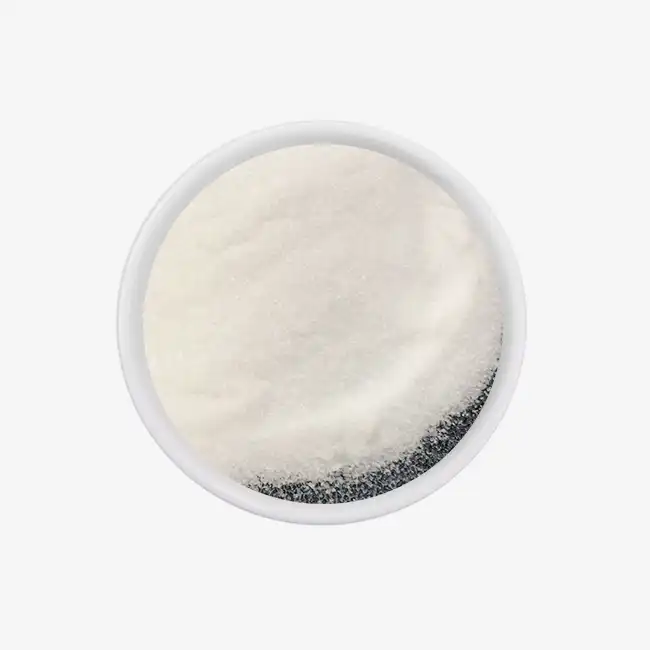
Understanding Potassium Acetate Deicing Chemicals
Learn about the chemicals used to melt ice using deicing solid potassium acetate.
deicing solid potassium acetate's chemistry is a big step forward in taking care of your skin in the winter. It's not like rock salt at all in how it melts ice. The temperature at which water freezes drops because of this chemical. In order for ice crystals to form and stick to the ground, these chemical links must be broken. Different from other deicers, this one has an exothermic dissolving feature. This means that when it comes in contact with water, it doesn't soak it up but instead gives off heat. This makes it melt faster, even when it's very cold outside.
Chemical Composition and Properties
There is a simple organic salt called CH3COOK that is made up of acetic acid and potassium. Its CAS number is 127-08-2, and its molecular weight is 98.14 g/mol. It is a white powder that is easy to dissolve in alcohol, water, and acid. Since it's easy to dissolve, it starts to work right away. The brine it makes is good for breaking the sidewalk link through the ice. Products that meet industry standards usually have at least 99.0% pure deicing solid potassium acetate, with no more than 0.2% chloride and no more than 0.05% matter that doesn't dissolve in water. For this reason, the goods are guaranteed to work the same in every setting.
Biodegradability and Ecological Profile
Chloride salts stay in the earth and water for a long time, but acetate-based deicers break down on their own thanks to microbes. Acetate is easy for microorganisms in the environment to break down into carbon dioxide and water. The process will be over in a few weeks instead of years. This means that bioaccumulation is very unlikely to happen, and the environment will be hurt a lot less in the long run. Toxicology studies show that it is not as bad for marine life, land plants, and soil conditions compared to chemicals that are not chloride or that release nitrogen, such as urea.
Safety and Handling Protocols
To start properly, you must follow the safety rules that have been set. As a hygroscopic substance, deicing solid potassium acetate takes in water from the air. If it is kept in a dry, well-ventilated space that is away from heat and moisture, it could cause caking. There are two types of standard packaging: 25 kg knitted plastic bags that are easy to handle and 1000 kg ton bags that are better for using in bulk. Transport rules say that packages must be carefully handled to avoid damage and must be kept away from things that don't belong together. According to the Material Safety Data Sheet, this deicing agent doesn't pose many health risks at work as long as the right PPE is worn by the worker while it is being used.
Environmental Benefits of Using Potassium Acetate over Traditional Deicers
When you look at acetate-based ice melters next to the ones that have been used for decades, it's easy to see how better they are for the environment. There are chloride salts like calcium chloride, magnesium chloride, and sodium chloride that are known to be bad for watery settings, plants, and buildings. For a long time, these chemicals stay in the environment. They build up in groundwater sources and throw off the ionic balance of living things that are in water. On the other hand, deicing solid potassium acetate is in a very different kind of setting.
Reduced Corrosion and Infrastructure Protection
Traditional deicers that are built on salt make steel supports in concrete, metal bridge parts, and vehicle undercarriages rust faster. This makes maintenance a lot more expensive and cuts the life of things much shorter. Chlorine ions get through layers that keep them from conducting electricity and begin electrolytic reactions that break down metals. The acetate versions are liked by airport officials because they meet the SAE AMS 1431 standards for non-corrosive runway deicing. In other words, they keep soft flight parts like carbon brakes, landing gear systems, and aluminum metals safe. Highway officials say that areas of bridges that are maintained with deicing solid potassium acetate have a lot less peeling concrete and rebar damage than areas that are maintained with normal rock salt. Important transportation assets will last longer and cost less over their lifetimes because of this protection of infrastructure.
Water Quality and Aquatic Ecosystem Safety
People who live in places where deicing is done a lot are becoming more worried about salt getting into drinking water sources. It costs a lot to treat water that has chloride ions in it because they stay there for a long time. Environmental groups have found that streams, rivers, and wells that are close to roads that are heavily salted have higher amounts of chloride. This problem can be solved with deicing solid potassium acetate because it can be reused. Small living things in dirt and water naturally break down acetate, which keeps it from building up. The material doesn't need as much biological oxygen as some organic choices do. In other words, it doesn't change the amount of oxygen in the water that living things need as much. These items are not as bad for fish, frogs, and other animals than those made with chloride or ethylene glycol, according to tests.
Vegetation and Soil Health Preservation
Runoff and salt spray hurt the plants next to roads, killing trees and burning their leaves. Lots of salt in the soil changes its structure, making it less porous. This makes it impossible for plant roots to take in nutrients. This is less of an issue for plants when they are exposed to deicing solid potassium acetate. The potassium itself is good for plants, and the acetate breaks down naturally without leaving any harmful chemicals behind. If your building is near protected woods, flower parks, or farms, this vegetation-safe profile can help. Greens, parks, and college campuses with planted areas love deicing options that keep things safe in the winter without hurting the grass or plants that are there to look nice. Case studies from LEED-certified buildings show how acetate-based solutions can be used in winter maintenance programs in a smart way to meet strict environmental performance standards and work.
Practical Applications and Best Practices for Using Potassium Acetate Deicing Agents
If you want deicing solid potassium acetate to work best and save you the most money, you need to know how to use it properly in different work situations. Airports are the biggest business users because they need high-tech deicing solutions to keep runways safe and keep planes safe. Most of the time, granular methods are used at airports for 50 to 150 pounds per lane mile. These rates depend on how deep the ice is, how cold it is, and how much snow or rain has fallen. It can quickly clear important areas, which keeps planes on time and saves money on expensive ground support equipment.

Optimal Dosage and Application Techniques
In order to deal with ice successfully, you need to find a balance between using enough goods and taking into account costs and the environment. Pre-treating surfaces before it snows or rains keeps them from freezing, which stops ice bonds from building and cuts down on the chemicals that need to be used. In order to make sure the product covers the whole ground, spreading tools should be used when it's snowing or icy outside. Application rates depend on weather; when it's cold, you need bigger amounts to melt the material the way you want it to. When you mix deicing solid potassium acetate with complementary liquid formulas before they are mixed, the particles are less likely to bounce and spread. This makes it easier for the particles to stay on vertical surfaces and the mixing works better right away. Workers who fix roads say they get the best results when they set up spreading machines to cover the whole area evenly at the rates recommended by the manufacturer and adjusted for the conditions in their area.
Storage and Shelf Life Management
Your investment will last longer and work better in the winter if you keep the quality of the item good while it's being kept. It's best to store things in climate-controlled buildings, but regular dry storage with enough air flow will do for most uses. The main problem with storage is that it lets moisture in. Things that are exposed to wet air get stuck together, making them harder to use and handle. Unopened bags stay good for a long time if they are stored correctly. If you want to keep a bottle from going bad, you should shut it back up right away and use it within the same season. For large buyers who use ton-bags, keeping the boxes above ground level and covering stacks with tarps that won't get wet keeps them from touching water. When you move goods, the first-in, first-out rule makes sure that older stock is used up before its quality starts to go down.
Integration with Comprehensive Winter Maintenance Programs
Acetate-based goods are used by companies that are ahead of the curve as part of their general plans to deal with winter weather. The main way to deal with snow is still to use plows and brooms to pull it away. Chemical deicers are used to make the leftover ice and linked layers work better. With weather tracking tools, de-icing can be done before the storms come. Without having to do anything after the fact, this stops building before it gets dangerous. At different temperatures, some companies mix deicing solid potassium acetate with other chemicals that are good for the earth to get the best cost-benefit ratio. People who work there are trained to know how to spread, measure, and protect the surroundings carefully. This joint method makes winter safer while using fewer chemicals and having less of an impact on the environment, compared to reactive strategies that use a lot of chemicals.
Procurement Insights for Bulk Buyers and Distributors
You need to do more than just check prices to find good deicing things. There are a lot of businesses that sell deicing solid potassium acetate, and they all have very different ways to get help from experts, test their products, and make sure they meet quality standards. Shanxi Zhaoyi Chemical Co., Ltd. is a good business for buying workers to look for. They have been making chemicals for more than 30 years, have ISO 9001, ISO 14001, and ISO 45001 certifications, and can make more than 150,000 tons of chemicals every year. Products are always available, even during the busy winter months, thanks to systems that keep an eye on quality and make sure they last a long time.
Quality Certifications and Compliance Documentation
Manufacturers with a good reputation give buyers detailed scientific information that helps them make smart decisions. On Material Safety Data Sheets, you can find a list of the chemicals that make up a material, as well as information about how to carefully handle it and what to do in an emergency. For each batch of output, a Certificate of Analysis proves that it meets the guidelines for clean levels, chloride content, and content of contaminants. People who work in the flight business need SAE AMS 1431 certification to show that the deicing solid potassium acetate formula is safe for use on the ground and won't corrode. When acetates are used in more than one way in a building, they need to be Kosher and Halal-approved for use with food. When someone else tests something, they can tell how quickly it breaks down and how dangerous it is to sea life. This is useful for environmental service providers. Clear sellers are happy to give you this information, but vague responses to requests for approval are a sign that there may be problems with the quality that need to be looked into further.
Packaging Options and Logistics Considerations
Supply chain management works best when the right packaging is picked out based on what the business needs. 25-kilogram bags are useful for small buildings where moving big things by hand is hard. One person can move these bags without any help. Businesses that use a lot of tons like 1000 kg super sacks because they can be moved by trucks and can be used with automatic systems that pour the contents out. Custom packing setups take into account how the business needs to run. Some things they can do are make sure that bags fit a certain kind of spreader tools or make moisture barriers better in damp storage places. Foreign shipping companies that offer low freight rates and flexible delivery plans are good for reliable manufacturers because they make sure chemicals come at the right time for each season's needs. Before cold weather makes it hard to get supplies, procurement workers should know about wait times, minimum order amounts, and surge capacity.
Sustainable Future of Deicing: Potassium Acetate's Role
Changes are being made to the rules as experts learn more about how chemicals used for winter care hurt the earth. It is against the law in some U.S. states to let rivers that are dirty have too much salt in them. There is a lot of pressure on transportation companies to show that they can handle water well and keep people safe in the winter. Because of changes in the rules, now there are deicing solid potassium acetate choices that can melt snow and ice effectively without harming the environment over time.
Regulatory Trends and Corporate Sustainability Commitments
Environmental groups at the federal and state levels are giving more attention to the chemicals used for deicing because they can see how bad chloride waste is for water quality. The Clean Water Act has parts that let authorities control the amount of salt that flows into areas that are already damaged. This means that both private and public owners need to follow the rules. Business sustainability plans do more than what the law requires. They also urge people to make their own choices that are better for the environment. People who work for companies that have made public promises about the environment, society, and good government are now looking for ways to do winter maintenance that will help them keep their promises to be carbon neutral and protect environments. Deicing solid potassium acetate breaks down naturally, which helps with these efforts and lets groups show real changes in the world through the things they buy. Less salt use is seen as a sign of success by systems that report on sustainability. This makes businesses want to use acetate even though the law doesn't force them to.
Innovation and Formulation Advances
Acetate-based deicing technology is still being studied to make it better. Better rust protection kits are being made that don't damage infrastructure as much and are still safe for the environment. Longer release patterns are made by encapsulation ways. This keeps the surface safe for longer after a single treatment. When deicing solid potassium acetate is mixed with other chemicals that work well with them, the performance is better across a wider temperature range. One type of new application equipment is precision filling systems that use GPS-guided variable rate technology to cut down on waste. These new ideas make things cheaper, which brings down the price gaps between them and older ones and speeds up the market's use. Technology keeps getting better, and economies of scale keep dropping costs and raising performance. This is good news for companies that put money into acetate-based projects.
Conclusion
Products that melt ice with deicing solid potassium acetate are good for the environment in more ways than one. They can help procurement workers do winter repair in a way that is good for the earth. Important infrastructure doesn't rust with this method, plants and animals are saved, and water quality stays high in areas that are sensitive. Also, it always melts ice when it's very cold outside. Acetate-based deicers are not only a choice for companies that want to be environmentally responsible and safe, but they are also the standard as concerns about chloride contamination grow and businesses make more claims to be eco-friendly. The smart choices companies make today about what to buy show they care about the environment and will be more resistant to future rules that might limit their options.
FAQ
Does potassium acetate harm plants and waterways?
Studies have shown that deicing solid potassium acetate is not as bad for plants and the ocean as chloride salts. Part of the acetate breaks down naturally when bacteria break it down, and the potassium is good for plants. According to research, there aren't many bad effects on plants when deicing chemicals are used at the rates that are usual. Marine toxin tests also show that these products are much better for animals and fish than chloride- or glycol-based goods.
How does the cost compare to calcium chloride and urea?
Deicing solid potassium acetate costs more per pound than regular rock salt, but a study of the total career costs shows that it is still a good deal. When there is less rust in infrastructure, things last longer and cost less to keep. Because chemicals work better at low temperatures, they need to be applied at lower rates. This means that less chemical is used generally. It costs less to follow environmental rules when you use biodegradable formulas instead of salt dumping limits. When businesses figure out the real cost of ownership, they often discover that acetate choices are the best deal.
What certifications should I verify with suppliers?
ISO 9001 certification for quality management, ISO 14001 certification for environmental management system, and ISO 45001 certification for health and safety at work are all things that well-known manufacturers have. For flight uses, you need to be certified to SAE AMS 1431. Food-grade things need to have Kosher and Halal licenses. Ask for up-to-date MSDS sheets, records of analysis, and the outcomes of outdoor tests done by a third party. Quality control works well and rules are followed when information is easy to get to.
Partner with Zhaoyi Chemical for Premium Deicing Solid Potassium Acetate
Zhaoyi Chemical has been making deicing solid potassium acetate for 35 years, so you can trust that the quality will stay stable. They have every ISO approval they need and test every batch very carefully. With a capacity of 150,000 tons per year, we can guarantee a steady supply, even during the busy winter months. There are also different ways to pack your items, from 25 kg bags to 1000 kg ton-bags, so that we can meet the needs of any business. We know how important it is to stay safe and take care of the earth in the winter. So, our team of experts gives you application help that is based on your temperature and the needs of your infrastructure. You can email us at sxzy@sxzhaoyi.com to get product samples, talk about bulk prices, or set up custom shipping times that will help your business get ready for winter checks. At zhaoyichemical.com, you can see all of our acetate goods and find out how they can help you reach your green goals.
References
1. Environmental Protection Agency (2022). "Impact Assessment of Road Deicing Chemicals on Freshwater Ecosystems." EPA Environmental Science Division Technical Report Series.
2. Transportation Research Board (2021). "Evaluation of Alternative Deicing Chemicals for Transportation Infrastructure." National Cooperative Highway Research Program Synthesis 548.
3. Airport Cooperative Research Program (2020). "Airfield Pavement Snow and Ice Control: Environmentally Responsible Materials and Methods." ACRP Report 235.
4. American Society of Civil Engineers (2023). "Corrosion Control Strategies for Transportation Infrastructure Exposed to Deicing Chemicals." ASCE Journal of Infrastructure Systems, Vol 29, Issue 2.
5. Society of Automotive Engineers International (2019). "Aircraft and Airfield Deicing/Anti-Icing Processes and Fluids." SAE Aerospace Standard AMS1431G.
6. Water Environment Federation (2021). "Biological Nutrient Removal and Impact of Acetate-Based Carbon Sources in Wastewater Treatment." WEF Technical Practice Committee Report.

USER EVALUATE
Here is the customer's evaluation of us