



Pharmaceutical vs Industrial Potassium Acetate: Key Differences
When looking for potassium acetate (CH3COOK) for specific uses, it is important to know the difference between pharmaceutical solid potassium acetate and industrial-grade varieties. Pharmaceutical-grade material is carefully cleaned until it is ≥99.0% pure, with heavy metals kept below 0.0005% and salt levels kept to 0.01%. This makes sure that it meets the standards set by USP, EP, BP, and JP. This substance works as an overall alkalizer and electrolyte replenisher in oral products, dialysis concentrates, and to keep antibiotics stable. Industrial-grade potassium acetate, on the other hand, can handle higher amounts of impurities and is used in deicing solutions, drilling fluids, and agricultural goods where purity isn't very important. The choice of grade has a direct effect on following the rules, keeping patients safe, and running the business efficiently.
Understanding Pharmaceutical Solid Potassium Acetate
High-Purity Standards and Pharmacopeial Compliance
Pharmaceutical solid potassium acetate is a white, crystalline substance that is made in accordance with Good Manufacturing Practices (GMP). Its molecular formula is CH3COOK, and its molecular weight is 98.14. This chemical dissolves easily in water, acids, and alcohols, which means it can be used in clean injectable products. Validated synthesis methods are used in the manufacturing process, and quality is closely monitored at every stage of production to ensure stability from batch to batch. Inductively Coupled Plasma Mass Spectrometry (ICP-MS) tests are done on each production lot to make sure that the amount of heavy metals stays below the limits set by the pharmaceutical industry. This keeps patients safe from being exposed to harmful substances.
The material can keep the pH level fixed in a wide range of pharmaceutical formulas, from injectable solutions to Total Parenteral Nutrition (TPN) mixes. Pharmaceutical-grade potassium acetate gives you potassium ions without extra chloride, which is better for people with metabolic problems than potassium chloride, which can make hyperchloremic acidosis worse. This potassium source that doesn't contain chloride treats hypokalemia and fixes metabolic acidity at the same time by changing to bicarbonate.
Stringent Storage and Handling Requirements
For pharmaceutical-grade materials to keep working, they need to be kept in controlled environments. Because the substance melts easily, it needs to be kept in containers with tight lids and in controlled settings where the temperature and relative humidity stay below 25°C. The material needs to be kept away from heat sources and wetness while it's being shipped, and it needs to be handled carefully so that the package doesn't get damaged. To keep toxic substances from getting into storage areas, which could hurt medicinal uses, cross-contamination must be avoided.
25 kg plastic woven bags or 1000 kg ton-bags made for medicine handling routines are common types of packaging. When something is opened, it needs to be used right away to keep it from absorbing water, which can cause problems with caking and dissolving. Pharmaceutical makers' distribution centers keep temperature- and humidity-controlled buildings with written records of the temperatures and levels of humidity. This makes sure that the integrity of the materials is maintained from production to delivery.
Critical Medical Applications
Pharmaceutical solid potassium acetate maintains the proper balance of electrolytes in hemodialysis concentrates without adding too many chloride ions. Controlling the conductivity of dialysis solutions very precisely is important, and this combination works well in a wide range of operating conditions. The fast breakdown rate in clean water for injection stops the formation of particles, which is a very important safety factor for intravenous use since even very small particles can cause embolisms.
Pharmaceutical-grade potassium acetate is used as a buffering agent in beta-lactam antibiotic formulas, especially Benzylpenicillin potassium, to keep them from breaking down due to changes in pH. The substance keeps the product's pH levels in the right ranges throughout its shelf life. This keeps the antibiotic's effectiveness and safety for longer. Protein-based injectables and biotech drugs can also benefit from the compound's ability to keep medicinal molecules from breaking down while they are being stored or given.
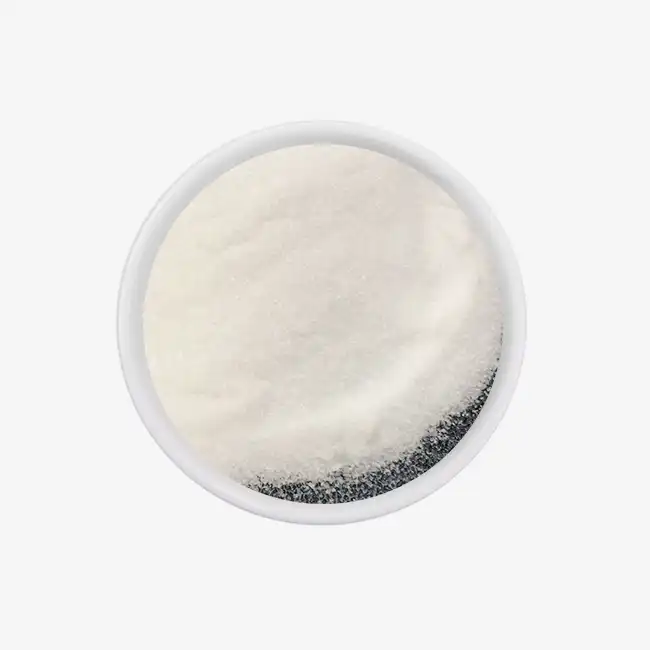
Characteristics of Industrial Potassium Acetate
Purity Levels and Acceptable Impurities
Industrial potassium acetate is usually between 95% and 98% pure, which is good enough for scientific uses but not good enough for people to take. Impurities that are often found are leftover acetic acid, potassium carbonate, moisture, and trace metals in amounts that are higher than what is allowed in pharmaceuticals. These impurities don't affect how well they work in situations like snow melting agents, where their main job is to lower the freezing point rather than being biologically compatible.
The material comes in different shapes and sizes depending on its use. Powder forms are good for agriculture because they improve the soil, while grainy forms are easier to use in automatic deicing equipment. Different amounts of liquid solutions are used in gas drilling, where the material acts as a stabilizer for shale and an inhibitor for clay swelling. Because the physical form is so flexible, corporate users can choose configurations that work best for their operations and material handling systems.
Broad Industrial Application Spectrum
Keeping city streets, highways, and airport runways from freezing over is a big use case for industrial potassium acetate. The combination works well at temperatures as low as -26°C and has a lower rate of rusting than chemical deicers that are based on chloride. Environmental groups like acetate-based goods more and more because they have less of an effect on plants, soil chemistry, and water quality than regular rock salt uses.

Industrial potassium acetate is used in drilling fluids and finishing brines for oilfield drilling. The material controls the density, stops clay from watering down, and keeps the opening stable in difficult rock formations. In agriculture, it can be used as a source of potassium nutrients and as a pH cushion in fertilizer mixtures. The full solubility of the substance keeps equipment from getting clogged and makes sure that nutrients are spread evenly across treated fields.
Less Restrictive Storage Conditions
Even though industrial storage standards are not as strict as pharmaceutical standards, they still need buildings that are dry and well-ventilated. Protection from direct moisture contact stops dissolution and material loss before they happen, though the range of accepted humidity levels is wider than what is required by pharmacy standards. Most of the time, bulk storage is done in closed bunkers or warehouse bays with palletized bags. Lot numbers are tracked by inventory management systems so that quality can be tracked.
Industrial potassium acetate is not considered dangerous by transportation rules, which makes it easier to move than chemicals that are harmful or poisonous. The goods can be shipped by regular freight companies without any special permits, which cuts down on shipping costs and travel times. But proper load security and weather protection during transport are still needed to keep wetness out and packages from getting damaged, which could make the materials less useful.
Key Differences Between Pharmaceutical and Industrial Potassium Acetate
Purity Requirements and Certification Standards
The main difference is in the levels of cleanliness and the quality certificates. Material used in pharmaceuticals fits standards set by the FDA, USP, and ISO, and each production batch has a Certificate of Analysis (COA) report that proves this. These papers list the amount of heavy metals, chloride, pH, and endotoxin in the fluid, as well as its clarity. For audits of pharmaceutical manufacturing and product registration forms, regulatory bodies need this paperwork.
Material that is good for industry meets the technical requirements set out in business standards or customer buy agreements. For business uses, quality consistency is important, but the testing methods aren't as strict or thorough as they are for pharmaceutical research. Heavy metal testing might not happen at all or would only be done on the spot. Also, microbial testing doesn't always include endotoxin analysis, which is needed for injectable products.
Different certifications have different standards for production facilities. Pharmaceuticals are made in GMP-certified factories with clean rooms that have been tested, written standard operating procedures, and frequent checks by the government. General chemical production standards are used in industrial manufacturing sites. Quality systems are based on consistency and cost-effectiveness rather than regulatory compliance for human use.
Application Suitability and Safety Standards
Pharmaceutical solid potassium acetate is only used in situations where it comes into touch with people, like when it is injected, used in dialysis, or used to make drugs. To make sure the material is safe, it is put through a lot of chemical testing, with known Acceptable Daily Intake (ADI) values and information on how well it works with living things. For parenteral feeding, it must be shown to be free of pyrogenic chemicals that could cause immune reactions that are harmful.
Chemicals with wider specs can be used in industrial settings where people won't be directly exposed to them. Deicing chemicals come in touch with road surfaces and eventually drain into the ground and streams. This is where environmental impact studies look at the effects on ecosystems rather than how toxic they are to people right away. Drilling fluid chemicals stay underground in rock formations, and performance measures focus on controlling viscosity and preventing damage to the formation rather than biological compatibility.
Safety Data Sheets (SDS) for both types list safety measures for handling, but pharmaceutical material has extra warnings about keeping it sterile and stopping contamination. For working bulk materials and keeping environmental releases from happening, industrial SDS papers stress the importance of wearing the right safety gear. Different types of exposure call for different emergency reaction plans. For example, cleaning up a medicine spill requires more thorough steps to keep the facility from getting contaminated.
Regulatory Compliance and Documentation Requirements
Pharmaceutical companies keep very detailed records of where their materials come from, from the raw materials to the finished product. For any changes to the manufacturing process, regulatory officials need full batch records, data from stability tests, and change control documents. As a supplier, you have to go through facility checks, make sure that quality agreements are followed, and keep an eye on their performance by looking into complaints and keeping track of corrective actions.
Buyers in the industrial sector usually need delivery documents and proof of basic quality standards. The paperwork is still a lot less, and buying is still more focused on consistent performance and affordable terms than on thorough quality system verification. Relationships with suppliers focus on dependability and response, without the official qualification and reporting processes that are required in pharmaceutical supply chains.
Recent case studies show how important it is to choose the right grade. When a pharmaceutical company made the mistake of using industrial-grade materials in a parenteral preparation, the product had to be recalled, the company was fined by regulators, and it lost a lot of money because tiny contaminants made patients sick. On the other hand, a city that bought pharmaceutical-grade materials for deicing operations ended up spending more money than they needed to and not getting better results. This shows how important it is to match material specs to application needs.
Procurement Considerations for Pharmaceutical Solid Potassium Acetate
Supplier Evaluation and Certification Verification
Effective buying starts with a careful evaluation of the seller, focused on their manufacturing skills, the development of their quality system, and their history of following the rules. Verifying the authenticity of GMP certification by confirming directly with the awarding bodies stops doing business with fake sellers who sell low-quality materials. When you look at regulatory inspection records, like FDA Form 483 notes and warning letters, you can see where the quality system might be weak, which could affect how reliable the supply is.
As part of a global image review, references from current pharmaceutical customers are checked, technical support is assessed, and production capacity is confirmed to be enough to meet expected demand. Suppliers with a wide range of customers in many treatment areas show that they can make products that are flexible and consistent in quality, even when the specs are different. When production problems need to be fixed quickly, it's important to have technical help available, including quality inspection staff who can be reached 24 hours a day, seven days a week to provide pharmaceutical solid potassium acetate support.
Supply Chain Reliability and Lead Time Management
The annual production capacity has a direct effect on the security of supply during market breakdowns or demand spikes. Suppliers who keep smart inventory stocks can quickly fill new orders without affecting the delivery times for current customers. Lead times for normal orders are usually between 5 and 7 working days, but faster options are available for cases where supplies are needed right away and need to be sent by premium freight.
There are benefits to bulk buying deals that go beyond lowering unit costs. Committed volume contracts make sure that production is distributed evenly when the market is tight and set the top status for supply schedules. Long-term supply agreements with clear quality standards, testing methods, and change notification processes make planning pharmaceutical production more stable. They also help build relationships with suppliers that make it easier to solve problems when there are problems in the supply chain.
Quality Assurance Throughout the Supply Chain
Quality assurance goes beyond testing the material for the first time; it also includes protecting it while it's in transit and checking it when it gets there. For pharmaceutical-grade packages, climate-controlled transportation is needed to keep the temperature and humidity within certain ranges. Data loggers are used to keep track of the environmental conditions during travel. When you receive the package, check its stability to see if there are any physical or wet damage that could affect the quality of the contents.
Before letting the material go into production, the Certificate of Analysis is checked against the buy specs to make sure it meets the requirements. Trending analysis, which compares results from different lots, finds possible quality change that needs to be communicated to the seller and fixed. Retention sample programs keep reference materials on hand in case problems happen with later products. This lets you find the root cause and take the right steps to fix the problem.
How to Choose the Right Potassium Acetate Grade for Your Business?
Application Analysis and Specification Matching
Before choosing a grade, a full end-use application study must be done. Pharmaceutical solid potassium acetate is required without exception in parenteral formulas, dialysis concentrates, and injectable medicines for patient safety and regulatory compliance. Agricultural uses, deicing operations, and industry processes all work well with technical-grade material. However, the big difference in cost makes buying pharmaceutical-grade material economically unfeasible.
When you look at the risks of using the wrong grade, you can see that it could lead to everything from fines and product refunds to broken equipment and failed processes. Using industrial materials in pharmaceutical uses puts patient safety at unacceptable risk and could lead to regulatory violations that could shut down the facility. On the other hand, selecting pharmaceutical grade for industrial uses loses money and time without improving performance.
Procurement Strategy Development
To make good procurement plans, you have to find a balance between quality standards, legal compliance, supply reliability, and cost. Multi-sourcing methods make you less reliant on a few providers. They also make you more competitive, which leads to better service and better business terms. But pharmaceutical uses need a lot of work to make sure the suppliers are qualified, which makes changing sources often unworkable and possibly dangerous.
When evaluating a vendor, you should look at more than just price. You should also look at how well the quality system works, how much the product can produce, and how well the vendor can help with technical issues. Long-term, strategic partnerships with providers that show steady quality, responsive communication, and aggressive problem-solving are more valuable than transactional relationships whose only goal is to cut costs per unit.
Building Long-Term Supplier Relationships
Successful buying involves more than just following through on a purchase order. It also involves working together with others to achieve common goals. Regular reviews of the business that talk about product performance, problems in the supply chain, and market trends help keep the lines of communication open, which speeds up the settlement of problems. Joint efforts to improve processes can cut costs, make quality more consistent, and make the supply chain more resistant to problems in the market.
Quality agreements that spell out what is expected in terms of specifications, testing methods, change notifications, and how to handle complaints set standards for responsibility that protect both sides' interests. For quality issues, these agreements set up clear lines of contact and escalation processes to make sure that big problems get the attention they deserve from management. Quality, delivery, and responsiveness measures are measured by annual supplier performance reviews. This encourages constant growth and recognizes great performance that goes above and beyond what was agreed upon in the contract.
Conclusion
It is important for buying workers in the healthcare, local, and industrial sectors to be able to tell the difference between pharmaceutical and industrial grades of potassium acetate. Pharmaceutical solid potassium acetate meets the strict requirements for purity, thorough testing, and regulatory compliance needed for applications that come into touch with patients. Industrial types, on the other hand, offer cost-effective performance for technical uses. To be successful at buying, you need to know what your application needs, look at a supplier's skills beyond price, and work with them to make sure you get regular quality and a steady supply. Investing in the right grade selection and source qualification keeps operations running at their best and avoids costly compliance fails.
FAQ
What makes pharmaceutical solid potassium acetate different from technical grade?
Pharmaceutical materials are made according to GMP guidelines, which include strict rules on impurities that make them ≥99.0% pure with heavy metals below 0.0005%. They also go through a lot of bacterial testing, which includes endotoxin analysis. Technical grade can handle higher amounts of impurities and is good for non-pharmaceutical uses where people don't come into touch with it.
Can industrial potassium acetate be purified for pharmaceutical use?
Changing industry materials to meet medicinal standards is hard to do technically and doesn't make economic sense. To meet legal needs, the production setting, quality system paperwork, and batch traceability can't be set up after the fact. For pharmaceutical uses, pharmaceutical solid potassium acetate must be made according to GMP from the start.
How should pharmaceutical-grade material be stored after opening?
As soon as the package is opened, it should be used. This stops moisture from absorbing and causing caking and quality loss. If you need to store something, put it in sealed cases with desiccant packs, keep it in a controlled environment with a temperature of 25°C and a relative humidity of 40%, and use it as soon as possible to keep the quality intact.
Why does pharmaceutical potassium acetate cost significantly more than industrial grade?
The price of medicines is based on GMP production costs, extensive quality testing, governmental compliance costs, thorough documentation systems, and liability concerns that come with materials used by people. These investments make sure that patients are safe and that regulations are followed, which is something that industry uses don't need.
Partner with Zhaoyi Chemical for Reliable Pharmaceutical Solid Potassium Acetate Supply
Shanxi Zhaoyi Chemical Co., Ltd. has been making acetate for more than 35 years and can produce up to 150,000 tons of it every year. This makes us a reliable provider of pharmaceutical solid potassium acetate to markets in North America, Europe, and Asia. Our GMP-certified factories provide pharmaceutical-grade materials that are ≥99.0% pure, have heavy metals managed to ≤0.0005%, and salt content limited to ≤0.01%. These materials meet USP, EP, BP, and JP standards. We keep our ISO 9001, ISO 14001, ISO 45001, KOSHER, and HALAL certifications up to date to meet the needs of all of our customers. Our expert team is available 24 hours a day, seven days a week to help with formulation problems, regulatory questions, and supply chain management. Get in touch with our purchasing experts at sxzy@sxzhaoyi.com to talk about your pharmaceutical solid potassium acetate needs and see for yourself why pharmaceutical makers all over the world trust us.
References
1. United States Pharmacopeial Convention. "Potassium Acetate Monograph." USP-NF 2024, United States Pharmacopeia, Rockville, Maryland.
2. European Directorate for the Quality of Medicines & HealthCare. "Potassium Acetate Quality Standards." European Pharmacopoeia 11th Edition, Council of Europe, Strasbourg, France.
3. Smith, J.A., and Anderson, M.K. "Pharmaceutical Excipients: Quality Standards and Manufacturing Practices." Journal of Pharmaceutical Sciences, Vol. 112, No. 4, 2023, pp. 1156-1174.
4. Environmental Protection Agency. "Comparative Analysis of Acetate-Based versus Chloride-Based Deicing Agents." EPA Technical Report 822-R-23-001, Washington, D.C., 2023.
5. International Society for Pharmaceutical Engineering. "Good Manufacturing Practices for Pharmaceutical Excipients." ISPE Baseline Guide Volume 7, Second Edition, Tampa, Florida, 2022.
6. Chen, L., and Rodriguez, P. "Potassium Acetate in Hemodialysis: Clinical Applications and Quality Requirements." Nephrology Dialysis Transplantation, Vol. 38, No. 6, 2023, pp. 1445-1458.

USER EVALUATE
Here is the customer's evaluation of us