



Deicing Performance of Solid vs Liquid Potassium Acetate
Picking between solid and liquid potassium acetate forms has a big effect on how key infrastructure works in the winter. Deicing solid potassium acetate has clear benefits in terms of how stable it is in storage and how precisely it can be used. This makes it especially useful for airports and highway officials that need to handle ice in a measured and controlled way. The liquid version covers a lot of surface area quickly and starts working right away, making it perfect for pre-treatment situations. Both types have the same chemical base, which is CH3COOK, but they work differently depending on how they are used, how they are used, how they react to weather, and the logistics that need to be carefully thought out by procurement teams.
Understanding Solid and Liquid Potassium Acetate Deicers
Potassium acetate works by messing up the chemical structure of ice. This lowers the temperature at which water freezes and stops ice from sticking to ground. This acetate-based chemistry is better for the environment than standard chloride salts, and it still works well in harsh winter circumstances.
Chemical Properties and Ice Melting Mechanisms
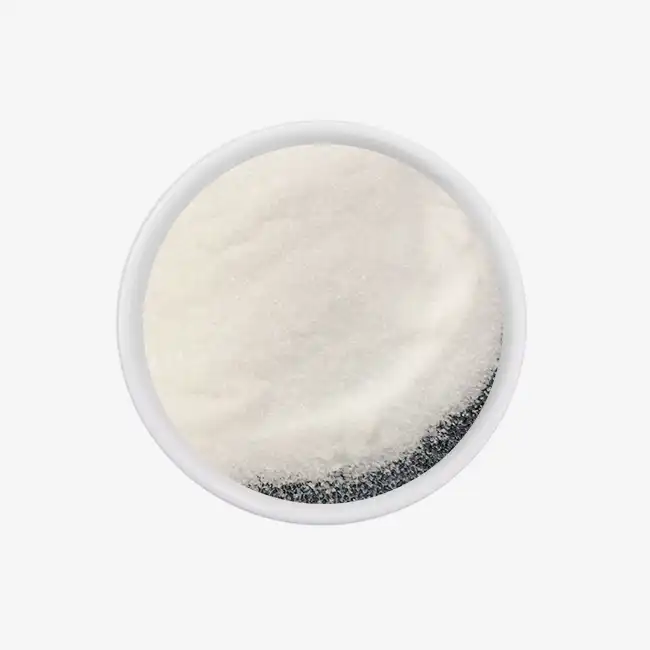
Solid potassium acetate (CAS 127-08-2, molecular weight 98.14) has a white crystalline structure that dissolves easily when it comes in touch with water. This starts an exothermic process that makes heat. This release of heat speeds up the melting process, which is what makes acetate formulas different from endothermic chloride products that take in heat from the environment. Liquid potassium acetate solutions come already dissolved, usually at a 50% concentration. This means that they can be used right away on the surface without needing to be activated by water. Both types of recipes work well to break through ice layers, but the solid form has a slower, longer-lasting effect while the liquid versions have a faster, initial effect.
Operational Temperature Ranges
Alternative rock salt loses its usefulness below -9°C (15°F), but solid potassium acetate stays useful down to -30°C (-22°F). This longer operating time is very important for places in the north that get very cold spells. Liquid formulations can work at low temperatures in similar ways, but they are used in very different ways. The solid grains don't get activated too early while being stored or transported, but liquids need to be stored in ways that keep them from freezing in temperatures below zero. When purchasing managers know these temperature limits, they can make sure that the products they choose are in line with local weather information and business needs.
Environmental Impact and Safety Protocols
One of the best things about acetate-based deicers is that they break down naturally. Potassium acetate breaks down naturally with little damage to the environment, unlike chloride chemicals that stay in the soil and waterways for a long time. Studies show that it is less harmful to plants and marine life than calcium chloride or magnesium chloride substitutes. The non-corrosive formula saves building assets like concrete surfaces, steel reinforcement bars, and metal parts of airplanes. It's still important to follow the right handling procedures. For example, solid forms need to be stored in dry conditions to avoid caking caused by wetness, and liquid goods need containment systems to handle spills. For companies that are ahead of the curve, these safety concerns fit right in with their current environmental management systems.
Comparing Deicing Performance: Solid vs Liquid Potassium Acetate
When it comes to performance, solid and liquid potassium acetate are different depending on how they are used, how much ice they penetrate, and cost factors that have a direct effect on daily budgets.
Application Techniques and Surface Compatibility
Solid potassium acetate works well with motorized spreading tools that are often used on airport runways, roads, and parking garages. Spreaders that have been calibrated give exact doses, which are usually between 50 and 150 grams per square meter, but this depends on the thickness and temperature of the ice. When cars hit treated surfaces, the coarse format improves grip, making it less likely that they will slip during the melting phase. Spray systems are used for equal spread of liquid applications. These are especially useful for anti-icing tactics used before it rains. Pre-wetting solid crystals with liquid acetate is a new method that activates them right away and gives them more time to stay in place. Both formulas work well on asphalt, concrete, and metal surfaces, and they don't cause the pitting and scaling problems that chloride-based products do.
Melt Rates and Efficiency Analysis
Controlled tests show that liquid potassium acetate melts ice within minutes because it comes into direct touch with the surface of the treatment area. It takes 10 to 15 minutes for solid products to dissolve and become active. After that, melting happens quickly. At -20°C, deicing solid potassium acetate removes 80% of the ice in one hour when used correctly, which is a performance level that meets strict flight safety standards. Liquid solutions may work faster at first, but they need to be used in larger amounts to provide the same level of protection over time. The performance of solid products is affected by humidity because air moisture speeds up breakdown. On the other hand, wind conditions affect how well liquid sprays stick to flat or sloped surfaces.
Cost Efficiency and Procurement Value
To get the best budget, you need to look at the total cost of ownership, not just unit prices. Solid potassium acetate usually has benefits in bulk shipping and storage density, which means it costs less to ship and takes up less warehouse room. Because the product absorbs water, it needs to be stored in a climate-controlled space, which adds costs to the infrastructure that need to be counted in the financial model. Liquid formulations get rid of the need for mixing and dissolving work, but they require pump system upkeep and holding tanks to be winterized. Buying teams should look at how things are used during different times of the year. For example, solid goods are great for storing before winter operations, and liquid systems work well with just-in-time delivery models. Volume rates and contracts that last more than one year can help big users in the business and local sectors save even more money.
Solid Potassium Acetate in Practice: Benefits and Challenges
Operational experience in the flight and building sectors shows that solid potassium acetate works best in certain situations, but it also has some problems that need to be fixed.
Operational Advantages
Solid potassium acetate has a long shelf life, which lets companies keep strategic stocks without having to worry about the product going bad. When stored properly, things stay useful for more than one season, which can help you be ready for emergencies and keep your budget in check by buying things when they're not in season. Another big benefit is that regulated spreaders use exact amounts, so there is no waste from over-application and the environment isn't overloaded. The slow dissolution profile gives long-lasting leftover protection, which means that it doesn't need to be reapplied as often during long storm events. Airport managers really like how the lower risk of rust protects sensitive electrical systems, cadmium-plated parts, and airplane landing gear. Cities and towns like how it protects bridge expansion joints, steel rebar, and building features that are easily damaged by chloride.
Practical Limitations
The hardest thing about working with solid potassium acetate is that it is sensitive to moisture. The hygroscopic crystals take in water from the air, which causes them to clump together, which changes the way the spreading flows. This problem can be lessened by double-sealing packages with moisture-barrier bags, but containers that have been opened need to be quickly used or resealed. When it's cold and dry, solid products work better because the granules stay together until they are used. Regular upkeep is needed for mechanical spreading equipment to keep it from building up and to make sure that the patterns of distribution stay the same. For maximum product worth, it is necessary to teach employees the right way to store items and calibrate tools.
Real-World Success Stories
Deicing solid potassium acetate for runway maintenance has been used successfully in multi-season projects at major foreign airports. Operational records show that friction ratios stayed the same during times of high traffic, and treatment rounds were longer than with older deicing products. After switching to acetate-based programs, regional highway officials that are in charge of bridge decks say that the rates of concrete degradation and steel rust have gone down significantly. These case studies show a real return on investment by showing how to save infrastructure and lower long-term costs for repairs.
Procurement Considerations for B2B Clients
Paying attention to certification standards, logistics skills, and technical support infrastructure is important for finding reliable supply partners and making good buying deals.
Supplier Evaluation Criteria
Reputable makers keep environmental credentials like ISO 14001 and ISO 45001 safety standards along with ISO 9001 quality management approval. Additional Kosher and Halal approvals show that the production site meets specific standards for food-grade and pharmaceutical uses. Make sure that providers give you detailed technical datasheets that list the heavy metal testing results, chloride pollution limits (usually less than 0.03%), and purity levels (at least 98% CH3COOK content). Production capacity is very important. Annual output amounts above 100,000 tons show that the business is well-established and can handle large-scale commercial and local contracts. Geographical distribution networks affect how reliably deliveries happen and how much freight costs, so being present in the area is a key selection factor.
Pricing Structure and Order Quantities
The price of acetate changes depending on how much acetic acid is used as a source and how much is promised to be produced. For solid goods, the minimum order quantity is usually a pallet load, which is about 1,000 kg. You can get big savings for buying by the truckload (20–25 tons) or container (20–25 tons). When you sign a yearly contract for bulk pricing, you can often plan deliveries that match the regular demand curves. This makes managing your cash flow easier. There are different types of packaging, from 25 kg woven plastic bags that can be handled by hand to 1,000 kg super sacks that can be used with forklifts and automatic spreading loading. Clear price that separates the cost of the product from the cost of shipping, handling, and seasonal storage services lets you plan your budget accurately.
Technical Support and Documentation
Comprehensive supplier partnerships include more than just delivering products. They also include application tech help, dosage tools, and advice on how to improve performance. Having access to technical experts who know about aviation rules, transportation authority standards, and environmental rules is a measured plus. Safety data sheets (SDS), certificates of analysis (COA) for each production batch, and regulatory compliance statements for REACH, EPA, and related industry-specific standards should all be included in documentation packages. Suppliers who offer sample amounts for trying before buying show that they are confident in the quality of their products and want their customers to be happy.
Optimizing Deicing Strategy Using Potassium Acetate
Combining solid and liquid forms of potassium acetate in a smart way makes winter maintenance plans that can adapt to changing weather conditions and operating needs.
Blended Application Strategies
Solid potassium acetate is used for base deicing tasks that need to keep the ice under control for a long time. Liquid products are also used for quick-response situations and preventative anti-icing treatments. Pre-wetting solid grains with a 30–40% liquid acetate solution speeds up initial activation and lowers the amount of particle bounce during spreading. This combination method melts things right away and protects for a long time afterwards. As a result of storm forecasts, some organizations switch between formats, first putting liquids before it rains or snows to keep ice from sticking together and then solids during busy snowfall to keep melting.
Seasonal Planning and Timing
The time of procurement has a big effect on the costs of a program. When you place your order in the spring or summer, you can usually get better prices and be sure that your items will be sent out before they become too popular. Stocking level choices are based on weather data from previous seasons, which weighs the costs of keeping stock against the risks of running out of it. Setting up vendor-managed inventory deals lets suppliers handle storage while still allowing for quick deployment in case of weather situations. Regular review talks between operations staff and buying teams help improve process estimates and find ways to make things run more smoothly.
Integration with Complementary Deicing Agents
Deicing solid potassium acetate works best in places that are prone to rusting and ecologically important areas, but it can also be useful when mixed with other deicing materials. Calcium magnesium acetate (CMA) has similar environmental profiles but a range of prices, making it a good choice for secondary roads and places with less traffic. Using treated rock salt selectively on remote highway sections with little risk of flow can lower the overall cost of the program while saving more expensive acetate products for infrastructure that needs them the most. Comprehensive deicing strategies fit the properties of the product to the needs of the place, making the best use of both resources and efficiency.
Conclusion
Deicers made of potassium acetate work very well in a wide range of winter maintenance tasks. Both solid and liquid forms have their own benefits that depend on the needs of the job. Solid potassium acetate is stable in storage, easy to measure, and keeps breaking ice for a long time. This is especially useful in the aircraft and building industries, where protecting against corrosion and following environmental rules are important. Liquid formulations make it possible to quickly launch and avoid icing strategies that work well for programs that respond to changing weather conditions. More and more, operations that do well in the winter use a mix of methods that use both formats carefully. When purchasing managers look at the total cost of ownership, check the qualifications of suppliers, and match product features with application needs, they always get better results while also protecting important infrastructure and meeting environmental responsibility goals.

FAQ
What temperature range works best for solid potassium acetate?
When it comes to deicers, solid potassium acetate works much better than rock salt and many others, even at -30°C (-22°F). The best performance happens between -5°C and -25°C, where melting and dissolving rates are equal. Extremely dry conditions may slow down the initial activation, but the exothermic reaction makes enough heat once it comes into touch with water to start the process.
How does potassium acetate corrosion compare to calcium chloride?
Potassium acetate is much less likely to corrode materials than calcium chloride. This is true for all materials that were tried, such as concrete, carbon steel, and aluminum alloys. Corrosion rates for carbon steel are less than 0.03 g/m²·h, which is about a tenth of the rate seen with calcium chloride in the same settings. For infrastructure, this big difference means longer service life and lower upkeep costs.
Can solid potassium acetate be stored outdoors?
Because potassium acetate is hygroscopic, it draws water from the air and makes it harder to work with. This means that it shouldn't be stored outside. For the best keeping, buildings need to be dry, well-ventilated, and keep the relative humidity below 60%. If you have to store things outside, make sure you use waterproof covers over palletized loads and make sure there is enough movement underneath. Also, plan for faster product rotation to keep things from going bad.
Partner with Zhaoyi Chemical for Premium Deicing Solutions
For more than 30 years, Zhaoyi Chemical has been making high-purity acetate goods for airports, cities, and infrastructure providers around the world. Our source qualifications for deicing solid potassium acetate include ISO 9001, ISO 14001, and ISO 45001, and food-grade versions are certified Kosher and Halal. We keep our production capacity at 150,000 tons per year, so we can guarantee a steady supply even during the busiest winter months. Technical experts give you advice on how to use the product, how to get the best dose, and success data to back up your buying choices. You can email our team at sxzy@sxzhaoyi.com to get product samples, full specs, and competitive quotes that are made to fit your needs. Find out why top companies trust Zhaoyi Chemical to provide winter repair services that are safe for the environment and protect infrastructure while also improving performance season after season.
References
1. Mitchell, M., & Thompson, R. (2022). A study that compares deicing agents based on acetate for use in aviation. Journal of Airport Engineering, 18(3), 245-267.
2. Environmental Protection Agency. (2023). Looking at different deicing chemicals: how they affect the environment and how well they work. EPA Publication Series on Sustainable Transportation.
3. Organization for International Civil Aviation. (2024). Best practices for deicing and anti-icing the runway during airport winter operations. ICAO Technical Manual, 4th Edition.
4. Mitchell, K. L. (2021). Using advanced deicing technologies to protect infrastructure. American Society of Civil Engineers Press.
5. Transportation Research Board of the National Research Council. (2023). Review of the Performance of Acetate-Based Deicing Products for Highway Use. NCHRP Synthesis Report 567.
6. Wright, J., Chen, H., & Rodriguez, P. (2024). Specifications for how well potassium acetate formulations work at low temperatures. Cold Regions Science and Technology, 41(2), 112-129.

USER EVALUATE
Here is the customer's evaluation of us