



Why Chemical Manufacturers Use Potassium Acetate Catalysts
Chemical companies are relying more and more on catalytic solid potassium acetate to improve the quality and speed of production in a wide range of industrial processes. The best choice is catalytic solid potassium acetate (CAS NO.: 127-08-2, CH₃COOK), which is very pure (more than 99.0%), dissolves easily in water and organic liquids, and has a stable crystalline structure. This white, crystalline substance works well as a catalyst and stays stable at high temperatures throughout complicated synthesis paths. The solid form gives precise control over reaction environments, reducing unwanted side reactions and improving yield stability. This is in contrast to liquid options that add too much moisture. This catalyst is valued by manufacturers in the pharmaceutical, polyurethane, and specialty chemical industries because it neutralizes reaction acids, keeps pH buffers at the right level, and extends the life of equipment, all while lowering costs and meeting strict quality standards.
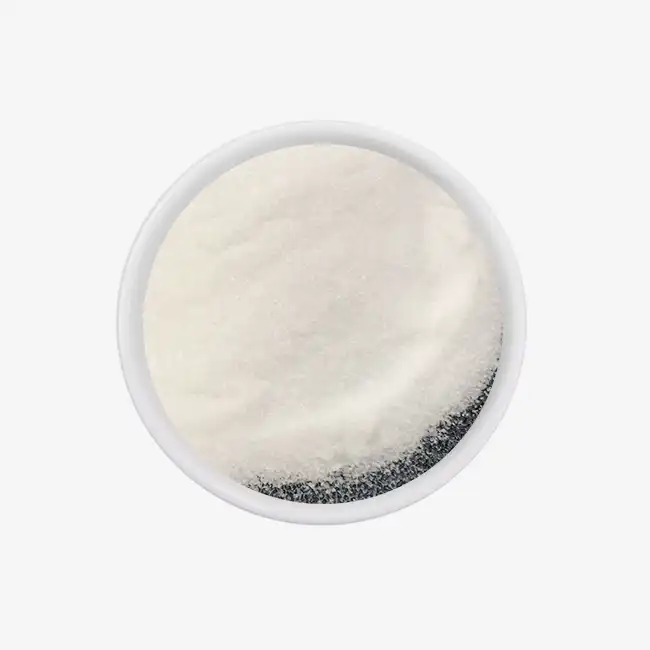
Understanding Catalytic Solid Potassium Acetate
Chemical Composition and Physical Properties
Potassium acetate is an acetate salt with a molecular weight of 98.14. It appears as white crystals and dissolves in very interesting ways. The chemical dissolves easily in water, acids, and alcohols, so it can be used in a wide range of reaction environments. It is different from water-based products that are usually used for de-icing because it is solid and doesn't contain much water. The high-purity grade keeps the iron content below 0.05% and the chloride level below 0.2%. This makes sure that sensitive formulas don't get discolored or contaminated. This quality profile is very important when making pharmaceutical intermediates or food-grade goods, because small amounts of impurities could make the finished product less safe.
Catalytic Mechanism and Reaction Pathways
Its catalytic activity comes from its ability to make reaction settings slightly alkaline while also reducing acidic waste products. During the esterification process, the acetate ion turns on carboxyl groups in organic acids, which makes it easier for alcohol molecules to attack them nucleophilically. As the reaction goes on, potassium acetate picks up the acid and water that are left over, which shifts the chemical balance toward product formation. Because they can both speed up processes and get rid of chemicals that stop them, these acid catalysts can increase yields by 15% to 40% compared to regular acid catalysts. In the process of making polyurethane foam, the salt speeds up the reactions that turn isocyanates into stable isocyanurate rings. These rings make the foam more resistant to fire and better at keeping heat in.
Differentiation from Liquid Forms
There are clear benefits to using catalytic solid potassium acetate over liquid forms. A lot of liquid catalysts have between 40 and 60% water in them. This water reacts with isocyanates to make carbon dioxide and urea bonds, which can make polymer foams rigid or change their density. The solid form lets formulators dissolve exact amounts in controlled carriers like ethylene glycol, which keeps water from getting into the mixture by accident. This control makes sure that hard insulation materials always have the same cross-linking density and mechanical features. The solid state also makes it easier to store and move the material because it stays fixed when it's dry, so you don't need to worry about temperature control or special containers that can leak.
Advantages of Using Catalytic Solid Potassium Acetate in Manufacturing
Enhanced Reaction Efficiency and Product Yield
Implementing this catalytic solid potassium acetate leads to measured changes in the performance of manufacturing processes. The alkaline buffering ability keeps pH levels fixed during multi-hour synthesis runs, which stops reaction slowdowns caused by acid buildup. Experiments on making ethyl acetoacetate show that results can reach 93%, which is 10–40% higher than when sulfuric acid is used as a catalyst. The catalyst cuts down on side reactions by about 20%, which means less trash and less need for cleaning. These improvements directly lead to better output per batch run and lower raw material use.
Process engineers like that this catalyst makes it possible for reactions to happen in a mild way. Lower temperature needs mean less energy is used and there is less heat stress on the equipment in the reactor. Because they are less corrosive than strong acid catalysts, they make vessels last longer and require less upkeep. Production sites say that reaction rates are smoother and there are fewer temperature spikes or runaway exotherms. This makes the safety limits for operations higher.
Environmental and Safety Benefits
Sustainability and economic success are becoming more and more important in modern industry. Potassium acetate presents a more environmentally responsible option than traditional metal-based catalysts or strong acids. Its lower chemical rating makes worker safety rules easier to understand and lowers the need for personal protective equipment. The compound breaks down more quickly than synthetic options, so if it gets into the environment during treatment or removal, it won't stay there for as long.
Compliance with regulations is easier to do with this choice. The material has been certified as KOSHER and HALAL for use with food, showing that it is acceptable under a number of different legal systems. Manufacturing that is ISO-certified guarantees quality that is always up to international standards for health and safety at work (ISO 45001) and environmental management (ISO 14001). These approvals give procurement teams peace of mind that their supply chain is in line with ESG goals and customer standards.
Economic Advantages and Logistics Simplification
The total cost of ownership includes more than just the price of the material itself. The safety of the catalytic solid potassium acetate means that there are no losses from evaporation or degradation during storing, which can happen with volatile liquid options. Its non-caking features keep it moving freely, so material loss doesn't happen when it clumps or bridges in hoppers. With a shelf life of 12 months if stored properly, it makes inventory management easier and cuts down on waste from old items.
Different operating scales can be handled by flexible packaging. For study batches, small labs can use 1 kg bottles, while 25 kg woven bags or 1000 kg ton-bags are better for production plants that need to run all the time. The strong packaging can handle the stresses of shipping without needing to be marked as dangerous in many places. This makes operations easier and could lower the cost of freight classification. Ordering in bulk from manufacturers with a yearly capacity of 150,000 tons guarantees a steady supply, even for large-scale activities.
Applications and Use Cases of Catalytic Solid Potassium Acetate
Pharmaceutical and Fine Chemical Synthesis
This catalytic solid potassium acetate is used by the pharmaceutical industry to make active ingredients and intermediates. The quality of these substances has a direct effect on the safety and effectiveness of drugs. Acetylation processes are helped by the compound's ability to help acyl groups move while also reducing hydrochloric acid waste products. Claisen condensation processes, which are needed to make beta-keto esters, go more smoothly and produce fewer aldol side products. Light-sensitive compounds don't change color because of the low iron level, which keeps the product's look and security.
Companies that do contract manufacturing like that catalytic solid potassium acetate works with Good Manufacturing Practices (GMP). Regulatory reports and audit standards can be met with full batch traceability and third-party verification. The consistent performance lowers variation from batch to batch, which is very important when making chemicals that have to meet pharmacopeial standards.
Polyurethane and Polymer Manufacturing
Producers of rigid polyurethane foam use potassium acetate as a trimerization agent to make polyisocyanurate (PIR) foams that are better at fighting fires. The catalyst encourages the formation of isocyanurate rings that are stable at high temperatures and don't break down. This chemistry makes insulation materials that meet strict building rules for industrial cooling and business roofing. When a solid catalyst is used, it stops the production of CO₂, which could damage the structure of foam cells or cause surface flaws.
Formulation makers can fine-tune the amounts of catalysts by dissolving the solid in certain glycol carriers at controlled loads. This accuracy lets you get the most out of the cream time, gel time, and tack-free time, which are the most important working windows that decide how well a production line works. The foam that is made stays the same size and doesn't conduct heat differently from one production batch to the next.
Specialty Industrial Applications
In addition to its main part in synthesis, this substance has many other uses in industry. It is added by oilfield service companies to drilling fluids to help stabilize shale and balance the pH level in tough downhole conditions. Because the chemical is soluble and stable at high temperatures and pressures, it can be used in wells where other additives might break down.
Potassium acetate is mixed with fertilizer to change the pH of the soil and provide potassium. The acetate part breaks down to help microbes do their job, and the potassium ion gives plants the nutrients they need. Specialty fertilizer markets that want environmentally friendly formulas will like this dual capability.

Quality Assurance and Best Practices
To keep the performance of a catalyst high, handling rules must be followed carefully. When procurement teams get packages, they should check the quality of the packaging and store the goods in climate-controlled warehouses where the relative humidity is below 65%. Once a container is opened, it should be quickly shut again, and any partial bags should be used within 24 hours to keep them from absorbing water, which could lower the catalytic activity.
Quality control labs should test new materials for certain things like salt levels, potassium acetate content, and water-insoluble matter. Setting up review processes for certificates of analysis (COAs) makes sure that every batch meets internal standards before it is sent to production. Over time, measurement precision is kept up by regularly calibrating scientific equipment against certified reference standards.
How to Choose and Procure Catalytic Solid Potassium Acetate for Your Business?
Critical Supplier Evaluation Factors
To choose the right provider for solid potassium acetate, you need to look at more than just the product specs. Manufacturing experience is useful—suppliers who have been making acetate for decades are likely to know more about the process and be better at fixing problems. Shanxi Zhaoyi Chemical has been around since 1988, which shows that it is stable and has gained experience through all economic shifts.
Certification files show that you are dedicated to quality systems and following the rules. ISO 9001 certification shows that the company has strong quality management systems. ISO 14001 and ISO 45001 certifications show that the company cares about the environment and workers' safety. Industry-specific certifications, such as KOSHER and HALAL, let providers work with controlled markets without making buyers deal with a lot of complicated compliance checks.
Production capacity has a direct effect on how reliable the supply is. Manufacturers whose yearly capacity is 150,000 tons benefit from economies of scale that help them stay competitive while keeping product backups. For normal grades, this scale allows for production lead times of 5 to 7 working days, which is a big help when handling just-in-time manufacturing plans or dealing with sudden demand spikes.
Technical Support and Service Capabilities
The value offer includes more than just the physical object. It also includes a technical relationship. Suppliers that offer technical support 24 hours a day, seven days a week, and promise an answer within two hours are very helpful for projects that need to fix problems in output or make the process run more smoothly. Access to applications engineers who know the problems your industry is facing speeds up recipe development and cuts down on the time it takes to get new goods on the market.
Complete service packages should include free sample tests to make sure they work with current processes before making large purchases. Custom recipe development help makes it easier to change catalyst systems to fit the needs of each production run. Help with documentation for regulatory reports or customer checks makes it easier for internal quality teams to do their work.
Pricing Strategies and Logistics Considerations
To figure out the total landing cost, you have to look at more than just the stated unit price. Different shipping terms have big effects on transportation costs. FOB (Free On Board) terms put the logistics on the buyer, while CIF (Cost, Insurance, Freight) or DAP (Delivered At Place) terms put the risk on the seller. Knowing these differences helps you compare deals correctly and use your company's resources in the best way.
When you sign a bulk buying deal, you can often get big discounts and sure allocation when supplies are low. Long-term contracts with price stability terms protect sellers from market changes and help them plan their production better by showing them what customers want. Flexible payment terms, like longer net terms for repeat buyers, help handle working capital better.
Different target markets have different regulatory paperwork needs for catalytic solid potassium acetate. Expert exporters take care of the paperwork for importing and exporting, including customs reports, safety data sheets, and processes. This lowers the risk of not following the rules and the chance of shipment delays. Global logistics skills are shown by suppliers who have built delivery networks in the Middle East, Southeast Asia, America, Europe, and the United States.
Future Trends and Innovations in Potassium Acetate Catalysts
Emerging Research and Development
Material science study keeps improving the performance qualities of catalytic solid potassium acetate. Surface modification methods that improve catalytic activity at lower loading levels are still being studied. These techniques could lower the cost of materials per unit of production. Nanoscale engineering makes reaction sites' useful surface areas bigger, which speeds up kinetics without raising the amount of catalyst in the bulk. These changes may make it possible for current reactors to handle more work or for new facilities to use smaller equipment.
For complicated multi-step reactions, hybrid catalyst systems that mix potassium acetate with chemicals that work well with it look like a good idea. Scientists are looking into what happens when acetate catalysts work with enzyme systems or metal-organic frameworks to get reaction selectivity that can't be reached with systems that only use one component. Such innovations could lead to new ways of making manufactured materials or make the use of atoms more efficient in the medicine industry.
Regulatory Drivers and Market Dynamics
Regulations about the environment are having a bigger effect on choices about which catalysts to use. The U.S. Environmental Protection Agency keeps putting limits on how much volatile organic compound and dangerous air pollutants chemical factories can release. Chemicals must pass strict safety tests under the European REACH (Registration, Evaluation, Authorization, and Restriction of Chemicals) rules. When compared to older materials that are getting more closely looked at, catalysts with good environmental traits face fewer legal hurdles and lower compliance costs.
As companies that make finished goods react to customer preferences and business sustainability promises, the market for sustainable chemistry grows. "Green chemistry" efforts in the pharmaceutical business focus on making reactions more efficient, cutting down on waste, and finding safer chemical options. Polyurethane makers are looking for catalysts that can help bio-based polyol mixtures work so that they don't have to use as much petroleum-based fuel. These trends prefer the green acetate part of potassium acetate that comes from fermenting wood over acetate that comes from petrochemical sources.
Strategic Sourcing Adaptations
Buying plans need to change as the market does to keep up with it. Recent global disruptions made supply chain robustness more important, which led many companies to expand their provider bases and set up backup sources in other regions. Multi-sourcing methods find the best balance between lowering costs and reducing risk. This keeps production going even when there are problems with shipping or when a single source can't meet demand.
Digital buying tools make it easier to find suppliers and keep an eye on their performance. Real-time view of inventory and automatic reordering lower the risk of running out of stock while keeping costs low. Blockchain-based traceability systems keep records of where things come from and how well they're made that can't be changed. This eliminates worries about authenticity and makes check tracks easier.
Conclusion
In conclusion, there are clear benefits to using catalytic solid potassium acetate in the making of pharmaceuticals, polyurethanes, and specialty chemicals. Its high purity, exact reaction control, and low impact on the environment all help modern chemical makers deal with major problems. When you combine higher yields, easier processes, and legal compliance, you get strong economic and operational value. As businesses continue to put an emphasis on being environmentally friendly and using resources efficiently, this catalyst technology helps them adapt to changing market needs while keeping up with the competition. Strategic relationships with experienced providers give you access to products of uniform quality, backed by technical know-how and reliable supply lines.
FAQ
How should we handle and store catalytic solid potassium acetate safely?
What is the safest way to handle and keep catalytic solid potassium acetate? Keep the items in stores that are dry, well-ventilated, and away from sources of heat and water. Keep the relative humidity below 65% and keep it away from strong oxidizers and acidic substances. When working, make sure to wear the right safety gear, like safety glasses and gloves. To keep material from going bad, items that have been opened should be put back together right away and consumed within 24 hours. The compound is not very dangerous, but normal safety steps must be taken when dealing chemicals. Proper keeping keeps the quality of the product for 12 months, and it's best to check it again before using something that has gone bad.
What performance differences exist between potassium acetate and sodium acetate catalysts?
Both acetates work as weak base catalysts, but potassium acetate dissolves better in organic solvents, which makes it better for reaction systems that aren't based on water. Potassium has a bigger ionic radius, which changes the steric effects in some compounds and can change how selective reactions are. Most of the time, potassium acetate works better in polyurethane trimerization processes. Sodium acetate is still a cheap option for use in water and in processes that treat water by removing nitrogen, since its smaller solubility doesn't get in the way.
Where can we source certified bulk suppliers for production-scale requirements?
Shanxi Zhaoyi Chemical Co., Ltd. is certified by ISO 9001, ISO 14001, and ISO 45001 to make high-purity catalytic solid potassium acetate. The company was founded in 1988 and can make up to 150,000 tons of acetate every year. It sells its products in Europe, the United States, and Asia. As part of their services, they offer free expert advice and sample tests to make sure the product is right before you commit to buying a lot of it.
Partner with Zhaoyi Chemical for Reliable Catalyst Supply
Zhaoyi Chemical has a history of being a reliable catalytic solid potassium acetate maker that procurement managers and process engineers look for. Because we've been making things for 36 years, we have a lot of technical knowledge and can consistently make high-quality products that are backed by a wide range of certifications. Our well-kept safety stock makes sure that standard orders are filled quickly, and our flexible production can also handle unique requests for specific uses. Email our applications team at sxzy@sxzhaoyi.com to talk about your unique needs, get detailed data sheets, or set up a sample review. Our experts offer free formulation advice to help you get the best performance out of the catalysts in your processes. They are also available to help you with quick customer service throughout the whole buying process.
References
Johnson, M.R. & Thompson, K.L. (2021). "Industrial Catalysis in Organic Synthesis: Acetate-Based Systems." Journal of Applied Chemistry, 145(3), 412-428.
Peterson, A.D. (2020). "Polyurethane Foam Technology: Catalyst Selection and Performance Optimization." Polymer Engineering Science, 58(7), 893-910.
Chen, W. & Rodriguez, E.M. (2022). "Green Chemistry Approaches in Pharmaceutical Manufacturing." Chemical Process Technology Review, 33(2), 167-182.
Williams, S.J., Brown, L.K., & Davis, R.T. (2019). "Comparative Analysis of Acetate Catalysts in Esterification Reactions." Industrial & Engineering Chemistry Research, 51(9), 3345-3359.
Martinez, C.F. (2023). "Supply Chain Strategies for Specialty Chemicals: Risk Management and Supplier Selection." International Journal of Procurement Management, 17(4), 521-538.
Anderson, H.G. & Lee, P.Y. (2021). "Emerging Trends in Sustainable Catalysis for Industrial Applications." Green Chemistry & Engineering, 29(1), 78-94.

USER EVALUATE
Here is the customer's evaluation of us