



Oilfield Chemical Selection Guide: Potassium Acetate Explained
Picking the correct drilling fluid addition can make or break your work in the oil field. Oilfield solid potassium acetate has become a game-changing option for drilling workers and oilfield service companies that have to deal with unstable shale, rusty equipment, and strict environmental rules. This white crystalline substance (CH3COOK, CAS 127-08-2) contains potassium ions that effectively stop clay formation without the damaging effects of chloride salts. It also meets biodegradability standards that are acceptable for offshore drilling sites that care about the environment. Your team can improve drilling performance while lowering operating risks if they know about its qualities, uses, and best ways to get it.
Understanding Solid Potassium Acetate: Properties and Functions
Molecular Composition and Physical Characteristics
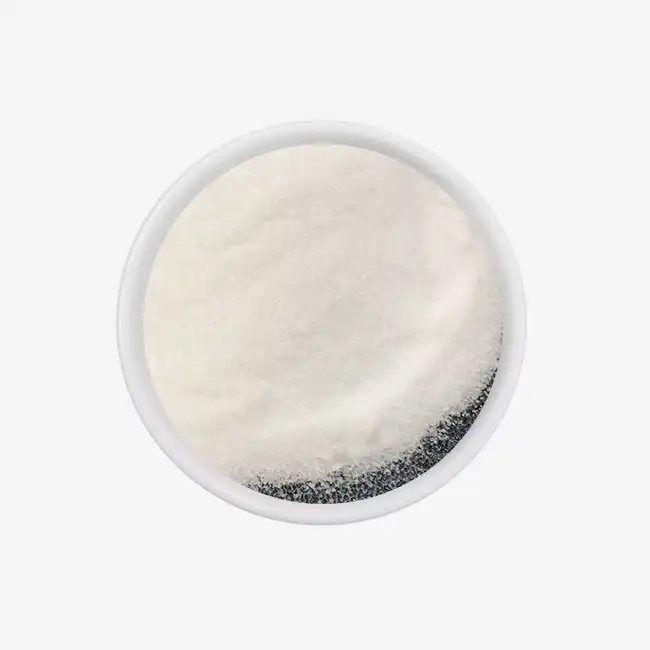
Potassium acetate is made up of simple molecules that have the formula CH3COOK and a molecular weight of 98.14. This organic salt looks like white grains and dissolves very easily in water, acid, and alcohol. This makes it much easier to prepare drilling fluids in the field. Potassium acetate dissolves quickly at room temperature, which saves time and money on labor costs compared to complex chemical combinations that need special mixing tools. Because these crystals deliquesce, they take in water from the air. This means they need to be stored properly and will work quickly when added to drilling systems.
Chemical Stability Across Temperature Ranges
The amazing temperature stability of this compound is one thing that makes it stand out in oilfield uses. Wells that are deep in the ground or in unconventional sources often have high pressure and high temperatures. These wells need additives that can keep their chemical stability in harsh conditions. Potassium acetate doesn't break down at temperatures higher than those found in most drilling operations. This keeps the fluid's qualities from being affected or creates dangerous leftovers. This stability also works in low-temperature areas; the substance doesn't freeze at -60°C, which makes it essential for drilling in the Arctic and deep water, where other fluid systems don't work.
Shale Inhibition Mechanisms
When potassium acetate is mixed with water, its main job is to stop rock from getting wet and swelling up. There are negatively charged areas on reactive clay formations that attract water molecules. This causes the formation to expand, the wellbore to become unstable, and expensive drilling problems. Potassium ions (K+) from the acetate easily switch places with sodium and calcium ions that are already in the clay. This cation exchange process makes the clay less interested in water. This keeps the rock intact and stops the wellbore collapse that happens a lot in areas with a lot of shale. Since the acetate anion is renewable and biodegradable, it doesn't harm the earth as much as chloride options.
Non-Corrosive Handling Benefits
Salts in traditional drilling fluids, such as potassium chloride and calcium chloride, stop rock from forming, but they also pose serious rusting risks to downhole equipment, tubulars, and facilities on the surface. Chloride ions hit steel surfaces very strongly, which speeds up the breakdown of metal and shortens the life of equipment. This worry goes away completely with potassium acetate, because the acetate anion doesn't damage common industrial materials like carbon steel, stainless steel, or rubber seals at all. This trait directly leads to lower upkeep costs, longer machine life, and fewer business interruptions due to failures caused by corrosion. For drilling companies that work in harsh conditions, especially those with a lot of salt in the formation water, this benefit is a big help for both operations and profits.
Comparative Analysis: Potassium Acetate vs Alternative Oilfield Chemicals
Before you can choose which drilling fluid additives like solid potassium acetate to use, you need to know how each one works in key operating areas. The next comparison looks at potassium acetate against other widely used options. This will help procurement workers make smart choices that fit their drilling conditions and budget.
Potassium Acetate vs Sodium Acetate
Even though both acetate salts have organic anions and helpful cations, they work in very different ways. Because sodium acetate costs less per ton, it is a good choice for businesses that want to save money. However, potassium ions are better at stopping shale formation than sodium ions because their larger ionic radius and higher charge density make cation exchange in clay structures more effective. Potassium acetate formulations always make wellbore stability better in projects that target reacting shale rocks. Also, sodium-based systems can damage the growth in some types of reservoirs because they are sensitive to sodium. Potassium acetate, on the other hand, lowers this risk.
Potassium Acetate vs Potassium Formate
Potassium formate is another non-chloride option that is becoming more popular in certain situations. It can make brine levels up to 2.2 SG higher than potassium acetate (1.57 SG), which makes it better for ultra-high-pressure wells that need heavy finishing fluids. Formate brines, on the other hand, are much more expensive to make—often two to three times as much as acetate systems. The environment also likes acetate; both biodegrade, but acetate breaks down more quickly and lowers the need for chemical oxygen in trash streams. Potassium acetate is always chosen by operations that want to save money and protect the environment without having to meet very strict density standards.
Potassium Acetate vs Chloride Salts (KCl and CaCl2)
Because they are easy to find and don't cost much, potassium chloride and calcium chloride make up most standard drilling fluids. These chloride salts stop rock from moving and give the stream the density it needs. Their main weakness is that they can rust and are limited by the climate. Many remote areas have strict rules about chloride release because it can be harmful to ocean life. Both problems are addressed by oilfield solid potassium acetate, which offers similar shale blocking without causing corrosion or regulatory issues. The extra money spent on acetate systems pays off because they require less equipment repair, make it easier to deal with trash, and allow access to drilling sites that are good for the environment but can't use chloride.

Quality Grade Considerations
It's important for procurement teams to know that not all potassium acetate goods meet the needs of the fields. Industrial-grade materials meant for de-icing or food use may have impurities that make drilling fluids less effective or introduce contaminants that are bad for formations. Technical-grade or oilfield-grade potassium acetate that is usually 98–99% pure makes sure that the product works the same way every time and is compatible with polymer fillers such as xanthan gum and polyanionic cellulose. When looking at possible vendors, it's important to make sure they have the right certifications. These include full certificates of analysis, ISO quality management system compliance, and traceability documents.
Procurement Guide: How to Source and Purchase Solid Potassium Acetate?
Understanding Order Volumes and Lead Times
Accurately predicting demand based on drilling plans and fluid formulation needs is the first step in planning your buying cycle for oilfield solid potassium acetate. Standard packaging choices include 25 kg plastic weave bags that are good for smaller operations or field trials and 1000 kg ton-bags that are made for high-volume uses where there is bulk handling equipment available. When compared to liquid options, the solid form is 40–50% lighter when shipping, which directly lowers transport costs. This is especially helpful when shipping to remote drilling sites or foreign projects. Standard orders are usually filled within 5 to 7 working days by well-known makers who keep enough stock on hand. However, large orders of more than a few hundred tons may need to be placed 7 to 14 days in advance to make sure production schedules and quality control procedures are followed.
Essential Documentation for Compliance
Compliance with regulations and quality control depend on complete paperwork being sent with every package. Material Safety Data Sheets (MSDS) or Safety Data Sheets (SDS) give important information about how to handle, store, and handle an emergency that is needed by health and safety laws. Certificates of Analysis (CoA) show that each batch of production meets certain technical and quality standards. ISO certifications, such as ISO 9001 for quality management, ISO 14001 for environmental management, and ISO 45001 for health and safety at work, show that a seller is dedicated to quality control and growth. Additional certificates like KOSHER or HALAL may be needed for operations that work with food or medicine, but these are usually only needed for non-oilfield uses.
Negotiating Pricing and Volume Discounts
Potassium acetate prices are affected by the cost of raw materials, the amount that can be made, and the demand in the market. There are several ways for procurement managers to get the best deals on costs. Tiered price structures that offer 8–15% discounts compared to spot purchases are usually unlocked by volume promises that cover multiple shipments or annual supply agreements. More savings may be possible if the shipping schedule is flexible enough to fit the manufacturer's production schedule. Freight costs can be cut and supply chain response can be improved by working with providers who keep warehouses in the area. When sellers know about budget restrictions and competing quotes, they are more likely to come up with creative solutions, like different ways to package items or combining shipping.
Ensuring Supply Chain Stability
Drilling operations can't handle gaps in the supply of chemicals that leave rigs empty and raise day-rate costs. Supply risks can be reduced by looking at a supplier's ability to produce, how they handle inventory, and the transportation ties they have with other companies. Manufacturers with facilities that can handle more than 50,000 tons of goods a year usually keep a backup stock and are more reliable with their supplies than smaller operations that are close to full capacity. Spreading your supply base across two qualified sellers gives you choices in case demand goes up or production stops for some reason. Setting up consignment stocking arrangements in key places close to major drilling sites improves supply security and makes the best use of working capital.
Storage and Handling Requirements
The shelf life of solid potassium acetate and its performance qualities are both increased by proper keeping. Potassium acetate should be kept in buildings that are dry, well-ventilated, and out of direct sunlight and water. Because the crystals melt when they come in contact with moisture, they clump together and lose quality. Products stay fresh for at least 12 months when they are kept in sealed packaging in climate-controlled areas. Field storage at drilling sites needs to be done in closed areas with enough air flow. The material doesn't pose many safety risks because it's not toxic or flammable, but it should be kept away from things that don't go with it and treated according to standard workplace hygiene practices, such as wearing the right safety gear.
Best Practices for Using Solid Potassium Acetate in Drilling Operations
Selecting Appropriate Grade and Concentration
The first step in making drilling fluid is to make sure that the grade and percentage of acetate are right for the formation and your operating goals. In the base water phase, 3-5% potassium acetate amounts usually work well for reactive shale zones that are moderately unstable. Formations that are very volatile and have a lot of clay may need amounts between 8 and 12 percent to stop the reaction. Higher amounts are often used in completion fluids that want to cause as little damage as possible to the formation. This makes clear brines that supply potassium ions without any solids in them. Talking to fluid engineers and trying for fit in the lab before putting something into the field can save a lot of money and time.
Fluid Compatibility and Polymer Systems
Different polymer ingredients are added to water-based mud systems to change their viscosity, filtration, and rheological qualities. Potassium acetate works well with xanthan gum biopolymer, polyanionic cellulose (PAC), and modified starches that are often found in drilling fluids. Because the acetate anion is biological, it doesn't cause polymer formation problems like some multivalent cations do. When making new fluid systems, small-scale lab testing makes sure that the amount of acetate doesn't hurt the performance or hydration of the polymer. This compatibility includes weighting agents like barite, which lets you make weighted muds that stop rock formation and control the density.
Safe Handling Protocols
Even though potassium acetate isn't very dangerous, setting up standard operating procedures for handling it keeps workers safe and the world safe. The material isn't very dangerous in the short term, but it can irritate the skin and eyes if you come into close touch with it. When moving things around or mixing fluids, people who work with the product should wear safety glasses, gloves that can handle chemicals, and dust masks. Enough air flow in mixing areas keeps dust from building up. As part of the reaction to a spill, solids should be swept up and either reused or thrown away according to local rules. Because acetate breaks down naturally, it is easier to take care of the environment than dangerous drilling chemicals that need special dumping methods.
Real-World Performance Case Studies
A drilling company that worked in the Marcellus Shale formation had problems with wellbore instability that kept happening, which led to multiple pipe stuck situations and more than two million dollars in lost productivity every year. Moving from a potassium chloride system to an oilfield solid potassium acetate product at a 6% concentration fixed problems with wellbore instability that happened in later wells. The non-corrosive features made downhole tools last an average of 40% longer, which saved a lot of money on equipment costs. One environmental benefit was that the biodegradable acetate system made it easier to handle waste fluids because it could be used in useful ways that were not possible with fluids that were high in salt. This process proved that potassium acetate is a good product because it improves technical performance, lowers running costs, and is better for the environment.
Conclusion
For drilling activities that prioritize wellbore stability, equipment longevity, and environmental care, oilfield solid potassium acetate from the oilfield is a smart choice. Its unique mix of biodegradability, non-corrosive properties, and effective shale inhibition solves the main problems that current drilling companies face. The comparison shows that these systems are clearly better than standard chloride systems and more cost-effective than formate options in certain situations. This important part for drilling fluid can be easily found by procurement teams that know about quality standards, paperwork needs, and best practices in the supply chain. Using the right handling procedures and creation strategies will help your business run more smoothly and safely while still following all the rules.
FAQ
What distinguishes potassium acetate from sodium acetate in drilling applications?
The main difference is the charge that is given: sodium or potassium. Because they are ions, potassium ions are better at stopping shale from forming, which makes potassium acetate more useful in reactive clay formations. Sodium acetate is less expensive, but it doesn't keep the wellbore stable as well. When drilling through stable rocks, companies may be willing to accept sodium acetate's lower performance in exchange for lower costs. On the other hand, when drilling through reactive shale settings, potassium acetate's higher price is justified by less wellbore problems and downtime.
Which certifications should procurement teams require from suppliers?
Some important certificates are ISO 9001 (quality management), thorough Certificates of Analysis (confirming purity standards), and MSDS paperwork. Suppliers that do business with foreign customers should show that they follow the sale rules. Getting ISO 14001 approval for environmental management shows that you are committed to using sustainable production methods. Major oil companies often do regular checks of manufacturers with a history in the oilfield sector. This gives extra proof that their quality control systems and products are consistent.
How does potassium acetate perform in HPHT well environments?
Wells with a lot of pressure and heat need chemicals that can stay stable in very harsh conditions downhole. Potassium acetate is very stable at high temperatures and doesn't break down even at temperatures well above the normal HPHT ranges. Because it doesn't corrode, it's especially useful in these places where high temperatures speed up the rusting process. Fluid engineers should do age tests in the lab that mimic certain HPHT conditions to make sure the product works, but decades of use in the field have shown that potassium acetate is reliable in harsh thermal settings.
Partner with Zhaoyi Chemical for Premium Oilfield Solutions
Since 1988, Shanxi Zhaoyi Chemical Co., Ltd. has been making high-purity acetate products for oilfield service companies and drilling firms around the world. Their technical-grade potassium acetate meets the strict needs of upstream operations. Our annual production capacity of 150,000 tons provides a steady supply for projects of any size. Our quality control systems are backed by ISO 9001, ISO 14001, and ISO 45001 certifications. We know that supply problems can't be worked around in drilling plans. That's why our standard lead times of 5–7 days and 24/7 expert consultation services keep your operations moving.
Our reliable oilfield solid potassium acetate source offers flexible packaging in 25 kg bags or 1000 kg ton-bags that can be adjusted to your logistics needs. The bags are sealed to keep moisture out, which keeps the quality of the product while it is being stored and shipped. Our expert team can help you make the best fluid formulations for your natural conditions by giving you free advice on how to mix fluids. If purchasing managers and drilling engineers are looking for a dependable oilfield solid potassium acetate manufacturer, they can email our team at sxzy@sxzhaoyi.com to get full product specifications, certifications, and unique quotes. Let our 30 years of experience making acetate help you do well in your drills.
References
Caenn, R., Darley, H.C.H., and Gray, G.R. (2017). Composition and Properties of Drilling and Completion Fluids (7th ed.). Gulf Professional Publishing.
Downs, J.D. (2006). "Drilling Fluids." In Petroleum Engineering Handbook: Drilling Engineering (Vol. 2, pp. 453-562). Society of Petroleum Engineers.
Howard, S.K. (1995). "Formate Brines for Drilling and Completion: State of the Art." SPE Annual Technical Conference and Exhibition, Society of Petroleum Engineers, Paper SPE 30498.
Patel, A.D., Stamatakis, E., Young, S., and Friedheim, J. (2007). "Advances in Inhibitive Water-Based Drilling Fluids—Can They Replace Oil-Based Muds?" SPE International Symposium on Oilfield Chemistry, Society of Petroleum Engineers, Paper SPE 106476.
Reid, P.I., Dolan, B., and Cliffe, S. (1995). "Mechanism of Shale Inhibition by Polyols in Water-Based Drilling Fluids." SPE International Symposium on Oilfield Chemistry, Society of Petroleum Engineers, Paper SPE 28960.
Van Oort, E. (2003). "On the Physical and Chemical Stability of Shales." Journal of Petroleum Science and Engineering, 38(3-4), 213-235.

USER EVALUATE
Here is the customer's evaluation of us