



How Potassium Acetate Reduces Formation Damage During Drilling
Damage to the formations during digging is one of the biggest problems oilfield service companies have to deal with right now. Drilling solid potassium acetate has become a revolutionary method for reducing permeability loss and safeguarding the purity of reservoirs. This very pure crystalline additive (CH3COOK) keeps the wellbore stable by stabilizing reactive clay forms and stopping them from growing. Compared to other chloride-based additives, potassium acetate is better at stopping shale formation and has low corrosion and biodegradability qualities. This means that it meets the needs of both operating performance and environmental compliance that current drilling companies have.
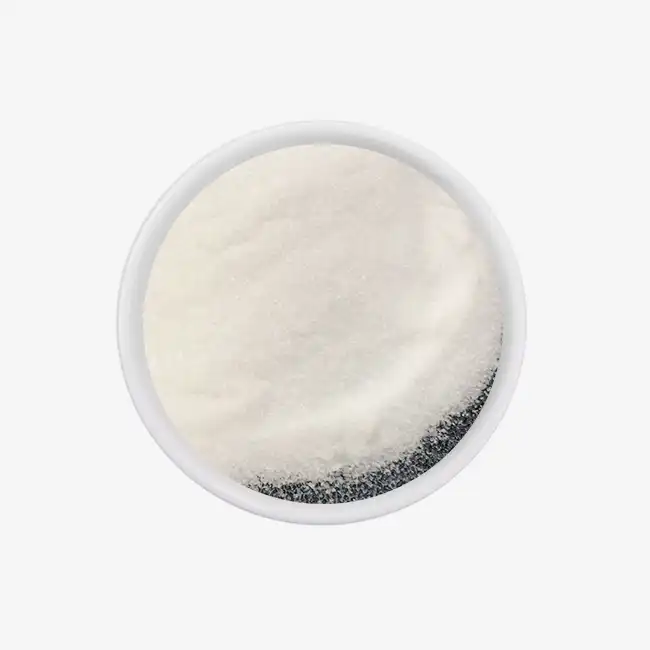
Understanding Formation Damage and Its Impact on Drilling Operations
Formation damage happens when drilling activities change the way underground rock naturally lets fluids pass through it. This has a direct effect on production rates and the costs of the project. When drilling fluids don't mix properly with formation materials, several harmful processes happen at the same time. When clay particles soak up water, they grow and block the pores. Solids from the drilling fluids get into the rock and make filter cakes that stop the flow. Chemical reactions change how wet rocks are and how minerals are structured, which makes it harder for the formation to release fuels efficiently.
There are big effects on the finances. A lower well production means a lower return on investment, and corrective operations like acidizing or hydraulic fracturing add costs to project budgets that were not planned for. Adding potassium chloride and calcium chloride to drilling fluid in the usual way has been normal for a long time, but it has some major drawbacks. These chloride-based chemicals can cause minerals to dissolve, unsuitable salts to form crystals, and equipment to rust. In places that are sensitive to the environment or offshore fishing zones, the effects on the environment have been looked at more closely by regulators.
When buying managers look at drilling fluid formulations, they need to know about these practical problems. The choice of chemicals has a direct effect on the amount of time that equipment is not being used, how long it lasts, and, in the end, whether drilling projects can be made profitable. Because of this, the business has had to come up with more advanced options that balance efficiency with caring for the environment.
The Role of Potassium Acetate in Drilling Fluids
Potassium acetate is an organic salt that dissolves in water and is very chemically stable in harsh environments deep underground. Due to its unique molecular structure (CH3COOK) and molecular weight (98.14), it is perfectly suited for drilling tasks. The compound stays solid at temperatures above 180°C and keeps working well in high-pressure settings like those found in deep wells.
Scientific Mechanism of Action
Ionic exchange and osmotic stability are at the heart of the protective system. Potassium ions move into clay lattice structures when potassium acetate dissolves in drilling fluids. This cation exchange takes the place of sodium and calcium ions that would normally help the clay absorb water and grow. The acetate anion helps keep the pH level stable and increases the fluid's ability to buffer. This two-step method stops the interlayer gap from growing, which is what makes shale unstable.
Advantages Over Traditional Additives
Acetate-based formulas are better for the earth than potassium chloride-based ones. Because the acetate ion breaks down naturally, it has less of an effect on the environment when the fluid is thrown away. Downhole equipment doesn't corrode as quickly when there aren't any strong chloride ions around. This makes tools last longer and saves money on repair costs. Potassium acetate also dissolves easily in water, acid, and alcohol, which makes it easy to mix and spread evenly throughout the drilling fluid system.
High-Performance Water-Based Muds that contain solid potassium acetate have better rheological properties. The fluid's viscosity stays the same even when the temperature changes, so it can clean holes and move clippings reliably. This steadiness is very helpful in horizontal wells with long reach, where fluid traits need to stay the same over long circulation paths.
Key Benefits of Potassium Acetate-Based Drilling Fluids
Switching to formulas with potassium acetate has real benefits in terms of operations, the environment, and the economy. Because of these benefits, acetate-based drilling fluids are becoming more and more popular among workers who have to deal with difficult physical conditions and strict government rules.
Operational Performance Enhancements
When potassium acetate is added to the fluid system, drilling processes get better in real ways:
Clay Stabilization Excellence: The chemical stops more than 90% of reactive shale forms from forming. This stops wellbore collapses, which usually lead to pipes getting stuck and expensive fishing trips. Field data constantly shows that wellbore instability problems are less common in rocks that are prone to problems.
Lubricity Improvement: Compared to regular brines, potassium acetate lowers the friction coefficient by more than 30%. This lubrication effect lowers the force and drag on drill strings, which makes tripping operations easier and lowers the mechanical stress on the tools. When contact forces are high, like in vertical and horizontal drilling, the effect is even stronger.
Enhanced Filtration Control: The addition keeps fluid loss rates low while reducing the thickness of the filter cake. This feature keeps the formation face from getting too much mud, which keeps the permeability in the pay zone and makes finishing operations go more smoothly.
All of these operational changes cut down on time that isn't being used, which makes it easier for drilling projects to stick to their schedules and budgets.
Environmental and Regulatory Advantages
Environmental issues can no longer be ignored in modern digging activities. Because of how it is chemically made, potassium acetate solves these issues. The chemical breaks down quickly in natural settings, and its low Biological Oxygen Demand values keep its effects on marine ecosystems to a minimum. This ability to break down naturally helps businesses follow rules such as OSPAR standards for operations in the North Sea and EPA guidelines for drilling in the US oceans.
Potassium acetate is good for places where oil-based mud systems aren't allowed because they are too harmful to the environment. The pH levels of its water-based solutions stay between 7.5 and 9.0, which is slightly alkaline. This keeps the pH levels from getting too high, which could hurt sea life if they get released by accident. Regulatory bodies are favoring drilling fluids with these qualities more and more, which makes getting a permit easier and lowers the cost of compliance.
Economic Value Proposition
Potassium acetate may cost more at first than regular chloride salts, but a full economic study shows that it is much cheaper in the long run. When wells are turned on, better output rates are closely linked to less damage to the formation. The rates of corrosion in equipment drop a lot—studies show that carbon steel corrosion rates drop below 0.03g/m³·h—which means that expensive downhole tools and casing strings can be used for longer.
Less time spent on activities that aren't useful may lead to the biggest saves with drilling solid potassium acetate. When you avoid problems like a pipe getting stuck or a wellbore not being stable, you save hours that can add up to a lot of money for offshore operations. The cost of getting rid of organic fluids also goes down because they don't need as much cleaning before they can be dumped or used for farming. When purchasing managers look at the total cost of a project over its entire life, not just the price of individual parts, potassium acetate-based solutions often show that they are the better option.
Selecting and Procuring Drilling Solid Potassium Acetate
To do good buying, you need to know both the technical requirements and the supplier's skills. The quality of the drilling solid potassium acetate has a direct effect on how well the fluid works and how well the operations go. This makes choosing a seller an important choice point.
Technical Specifications and Quality Standards
Drilling solid potassium acetate of the highest quality should adhere to stringent purity standards. At least 99.0% of CH3COOK should be present for the system to work consistently. Matter that doesn't dissolve in water needs to stay below 0.05% to avoid problems with formation plugging and filter cake. Pay close attention to the chloride content—specifications should limit chloride (Cl) to 0.2% or less to keep the benefits of rust protection. Having an iron level below 0.05% stops chemicals from reacting badly and keeps equipment from getting stained.
The way it looks is also important. A white crystalline material that dissolves easily in water lets it dissolve quickly and mix evenly in the field. Material safety data sheets and reports of analysis should be sent with every package to show that the requirements were met and to help with quality control.
Supplier Evaluation Criteria
To find a trusted potassium acetate supplier, you need to look at more than just the product specs. Experience in manufacturing shows that the process is mature and that the quality is consistent. Suppliers who have been making chemicals for decades usually have better quality methods and process controls. Check for ISO 9001 quality management, ISO 14001 environmental management, and ISO 45001 workplace health and safety certifications in your certification collection to show that you are committed to meeting standards.
Supply dependability is based on production potential. Suppliers who can make thousands of tons of goods every year can better meet the needs of big projects and keep their products available. Manufacturing plants should use full quality control and batch tracking to make sure that every package meets the requirements. Suppliers who put an emphasis on product quality will have internal control standards that are higher than foreign standards.
The ability to provide technical help is what sets excellent providers apart from average ones. Tech support available 24 hours a day, seven days a week helps solve problems quickly in the field. Fluid formulations can be made better for certain geological situations with the help of application advice and free testing support. Customization options, such as custom formulas and packing solutions, show that the company is flexible enough to meet the specific needs of each project.

Logistics and Packaging Considerations
Practical processes have a big effect on the total cost of buying. The type of packaging should match the size of the job and how easy it is to handle. Standard 25 kg plastic woven bags work well for smaller operations and are easier to move by hand. For larger drilling projects, 1000 kg ton bags are better for big transfers and cut down on packaging waste. Because potassium acetate is hygroscopic, it is very important to store it properly. Warehouses need to be dry, well-ventilated, and away from sources of heat and wetness.
Drilling plans for solid potassium acetate are directly affected by how reliable deliveries are. When suppliers keep safety stock on hand, they can meet pressing needs without having to wait for production to start. Procurement managers can better plan the flow of materials when they know the lead times, which are usually between 5 and 7 working days for normal production runs. Working together with international logistics companies to ship goods makes sure that freight rates are low and that deals across borders are handled smoothly at customs.
Case Studies and Practical Applications
Real-life examples show that potassium acetate works well in a variety of drilling situations. These cases show both the technical performance and the practical issues that need to be thought about in order to apply something well.
Shale Gas Development in Reactive Formations
When using regular potassium chloride muds, a drilling firm working in the Marcellus Shale formation kept having problems with wellbore instability. The highly reactive clay content led to sloughing and tight holes, which increased the time that the machine wasn't working and the chance that a pipe would get stuck. Wellbore stability got a lot better after switching to a High-Performance Water-Based Mud system based on potassium acetate. Caliper logs showed gauge hole conditions throughout the lateral part, which got rid of the problems with expansion that had been happening before. The drilling program finished six horizontal wells without any major wellbore stability issues. The drilling rates were 15% faster on average than in offset wells using standard fluids.
Deep Water Operations in the Gulf of Mexico
During riser operations, an offshore company drilling in water depths greater than 7,000 feet ran into risks of gas hydrate formation. When the seabed was cold and there was a lot of pressure, traditional muds that were made of water could freeze. Potassium acetate was used by the operator to make finishing fluids because it lowered the freeze point and stabilized the shale. The acetate-based brine kept its rheological qualities at temperatures close to 4°C, which stopped hydrates from forming and kept the wellbore stable. The clear, solids-free fluid made formation evaluation logs more accurate and kept the reservoir safe during finishing operations. Following completion, output rates matched what was predicted by reservoir simulations, showing that only minor damage to the formation happened.
Horizontal Well Drilling in Tight Oil Reservoirs
A worker in the Permian Basin needed better lubrication to handle high power and drag while digging extended-reach horizontals through layers of shale and carbonate. The drilling program added potassium acetate to the water-based mud system. This did two things: it stabilized the clay and cut down on friction. When compared to offset wells, torque values dropped by about 35%, which made it possible to successfully place 10,000-foot lateral sections. Less mechanical stress on drill strings made it less likely for tools to break down and increased the speed of drilling. As a normal procedure for future horizontal expansion drilling, the operator used potassium acetate formulations.
Best Practices for Implementation
Paying attention to recipe details and system suitability is important for successful field application. The right amount of potassium acetate should be used for each type of shale. Usually, this is between 3% and 8% by weight, but it depends on the type of clay and the way the rock was formed. Testing for compatibility with other mud ingredients keeps the rheology steady and stops problems with precipitation or phase separation. Gradual mixing during field preparation makes it possible for the fluid to dissolve completely and be spread out evenly throughout the amount.
Key success factors, such as the efficiency of shale inhibition, lubricity coefficients, and filtration properties, should be tracked by monitoring systems. Regular testing in the lab makes sure that the qualities of the fluid stay within the acceptable ranges while circulation continues. These quality control measures make sure that expensive drilling fluid additives give you the best return on your investment.
Conclusion
In the past, preventing formation damage was done by fixing problems after the fact. Now, preventative fluid engineering is used. This new technology uses drilling solid potassium acetate, which has been shown to work well in stabilizing clay, making it easier to move, and being safe for the environment. The chemical properties of the compound deal with basic processes of formation harm while also meeting stricter regulatory needs. Economic analysis always shows that practical changes and less time spent on non-productive tasks are worth more than the original costs of materials. As drilling activities move into harder rock formations and places that are sensitive to the environment, acetate-based fluid systems meet the technical requirements and follow the rules that modern projects need. If procurement managers want to get the best results from drilling, they should focus on providers who offer high-purity potassium acetate along with full technical help and reliable logistics.
FAQ
What is the best amount of potassium acetate to use to stabilize shale?
The best amounts are usually between 3% and 8% by weight, but this depends on the minerals in the clay and how reactive the formation is. Testing for suitability in the lab using example shale samples helps figure out the exact concentration that is needed. Highly reactive montmorillonite-rich shales may need concentrations near the upper end of this range. On the other hand, less reactive illite-dominant rocks can usually be stabilized with lower concentrations. Based on what is seen in the wellbore and the qualities of the mud being monitored in real time, changes may need to be made in the field.
Is it possible to use potassium acetate in wells that are very hot?
At temperatures above 180°C, the compound stays very stable, which makes it perfect for High Temperature High Pressure well conditions. Some organic ingredients break down when heated, but potassium acetate keeps its chemical structure and useful qualities even after being circulated for a long time in hot formations. This thermal stability makes sure that the shale blockage and lubricity work the same way no matter what the temperature is in the bottomhole.
What is the difference between potassium acetate and formate brines when it comes to completion?
Both methods make formation-friendly completion fluids with low solids, but potassium acetate has clear benefits when it comes to logistics. When compared to sending pre-mixed liquid formate brines, solid potassium acetate can be diluted on-site to exact levels, which cuts down on transportation costs. The acetate method can reach densities of up to 1.57 SG, which is good for most workover and finishing jobs. When shipping routes are long or storage space for liquid brines is limited, cost analysis usually points to potassium acetate as the better choice.
Partner with Zhaoyi Chemical for Superior Drilling Fluid Performance
Since 1988, Zhaoyi Chemical has been making high-purity acetate goods. They have over 30 years of experience in this field and can help the oil and gas business. Our drilling solid potassium acetate keeps its chloride levels below 0.2% and its content levels at least 99.0%, which is exactly what important drilling operations need. With the ability to produce up to 150,000 tons per year and a wide range of standards, such as ISO 9001, ISO 14001, and ISO 45001, we offer steady quality backed by dependable supply chains. Our expert team is happy to help you with testing and application advice so that you can get the best fluid formulations for your unique geological problems. We keep safety stock of standard 25 kg bags and large 1000 kg boxes so that we can get them to you quickly. We can also make custom solutions to fit the needs of each project. Get in touch with us at sxzy@sxzhaoyi.com to talk about how our drilling solid potassium acetate can help you save money, protect the formation, and run your business more smoothly. As a reliable potassium acetate provider, we're dedicated to helping you succeed in your drilling by providing you with top-notch goods and quick expert support.
References
Caenn, R., Darley, H.C.H., and Gray, G.R. "Composition and Properties of Drilling and Completion Fluids," 7th Edition, Gulf Professional Publishing, 2017.
Aston, M.S., Alberty, M.W., McLean, M.R., de Jong, H.J., and Armagost, K. "Drilling Fluids for Wellbore Strengthening," SPE/IADC Drilling Conference and Exhibition, Society of Petroleum Engineers, 2004.
Patel, A.D., Stamatakis, E., Young, S., and Friedheim, J. "Advances in Inhibitive Water-Based Drilling Fluids—Can They Replace Oil-Based Muds?" SPE International Symposium on Oilfield Chemistry, 2007.
Howard, S.K. "Formate Brines for Drilling and Completion: State of the Art," SPE Annual Technical Conference and Exhibition, Society of Petroleum Engineers, 1995.
Van Oort, E. "On the Physical and Chemical Stability of Shales," Journal of Petroleum Science and Engineering, Volume 38, Issues 3-4, 2003.
Bol, G.M., Wong, S.W., Davidson, C.J., and Woodland, D.C. "Borehole Stability in Shales," SPE Drilling & Completion Journal, Volume 9, Number 2, Society of Petroleum Engineers, 1994.

USER EVALUATE
Here is the customer's evaluation of us