



Airport Runway Deicing Best Practices Using Potassium Acetate
Every minute counts during winter storms that hit big cities. Airport runway solid potassium acetate has become the standard for flight sites all over North America. It is an effective and environmentally friendly way to keep runways open when it's cold outside. For better deicing, this organic salt mix is much better than old urea products that break down at temperatures below -7°C and chloride-based products that damage airplane parts. Knowing the right way to use this aviation-grade deicer protects important infrastructure investments and keeps operations safe.
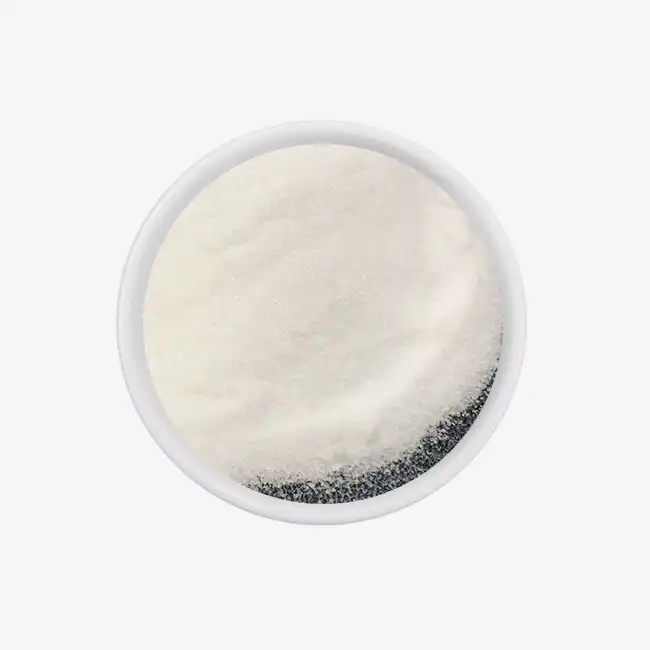
Understanding Potassium Acetate and Its Role in Airport Runway Deicing
There is more to the science behind acetate-based deicing than just melting ice. Through a complex process, this chemical (CH₃COOK) breaks the molecular bonds that hold ice crystals to sidewalk surfaces.
Chemical Composition and Properties
Potassium acetate is a white solid granule with a molecular weight of 98.14 g/mol that dissolves easily in water. The aviation-grade recipe keeps its pH level between 9.0 and 10.5 in solution, which is important for interaction with other materials. Unlike regular road salts, this organic substance doesn't release chloride ions that are very bad for aluminum metals that are often used to build airplanes.
The mass density is between 0.8 and 0.9 g/cm³, which makes the particles heavy enough to not scatter when hit by a jet blast but still easy to spread by hand. When the material is put on frozen surfaces, it has an exothermic reaction that releases heat as it melts. This speeds up the melting process beyond just lowering the freezing point.
Performance in Extreme Cold Conditions
Temperature performance tells the difference between good deicing agents and bad ones. Premium versions keep working at temperatures as low as -60°C, which makes them good for airports in continental areas where it gets very cold often. This is possible because the substance has a low eutectic point, which is the temperature at which it and water mix into a steady liquid instead of separating or freezing.
Because they work in such a wide range of temperatures, repair teams don't have to keep different goods on hand for each type of weather. Instead, they can standardize their inventory. This organizational simplification makes buying easier while making sure that success is always the same, no matter what.
Environmental Advantages Over Traditional Deicers
For people in charge of the environment at modern airports, biodegradability is one of the best benefits. The organic structure breaks down naturally with the help of microbes, so it doesn't get into groundwater or the soil around runways. Environmental studies show that chloride salts are much less harmful to water life than other chemicals. This helps protect delicate ecosystems near airports.
Acetate formulations are different from past urea-based goods because they don't release ammonia. Instead, they release nitrogen compounds that are bad for plants and water quality. This is especially helpful for airports that are close to residential areas or protected natural zones because it helps them keep good relationships with the local community while meeting stricter regulatory standards.
Best Practices for Applying Solid Potassium Acetate on Airport Runways
To apply something effectively, you need to do more than just spread it out on the ground. Whether activities are as effective as possible with as little loss as possible depends on how well they are planned and carried out.
Pre-Application Surface Assessment
Before using any deicer like solid potassium acetate, repair teams should look at the current conditions to get the most out of the material. Using infrared thermometers to measure the surface temperature finds cold spots where ice builds up. A visual check shows places where draining problems cause water to pool, which means that higher application rates are needed.
Teams can tell the difference between anti-icing operations that happen before an event and deicing operations that happen after an event. Curative applications have to get through layers of ice, while anti-icing applications use about 40% less material because they stop rainwater from sticking to the ground.
Optimal Application Rates and Timing
The amount used depends on many factors, such as the temperature, the thickness of the ice, and the amount of rain or snow falling. As a general rule, every 1,000 square feet of runway area needs 50 to 100 pounds of solid stuff to keep it from freezing. Curative deicing may need 150 to 250 pounds per 1,000 square feet, especially if the ice is more than 3mm thick.
Timing is also very important. Pre-treating surfaces one to two hours before it's supposed to rain makes them more effective by creating a chemical buffer that stops the first ice from sticking to them. When weather systems come out of nowhere, being ready right away when the storm starts works better than waiting until thick ice forms.
Because the material is hygroscopic, it actively pulls water from the air, which speeds up the breakdown process even when humidity levels are low. In many situations, this feature lets teams activate quickly without pre-wetting. However, in high-wind situations, mixing solid granules with liquid formulas is better.
Equipment Selection and Distribution Techniques
Modern spreading equipment made just for flight uses makes sure that the material is spread evenly over wide runway areas. Flow rates can be carefully controlled by rotary spreaders with gates that can be moved. Broadcast patterns can extend 30 to 40 feet from the path of the vehicle, which cuts down on the number of passes that need to be made.
Before each winter, calibration procedures should be set up to make sure that the equipment gives the desired application rates at different speed and gate settings. By writing down these standard measures, maintenance supervisors can help train new operators and figure out why performance isn't being consistent.
Walk-behind spreaders or hand application may be used in addition to vehicle-mounted systems in places like taxiways and aprons with complicated shapes. Even though it takes a lot of work, this method keeps water from building up too much in small areas where it's hard to handle.
Safety Protocols During Application
Personal protective equipment, like chemical-resistant gloves and eye protection, is the first step to worker safety. However, the material itself doesn't pose as many health risks as acidic chlorides. Visibility is still the biggest risk during winter operations, when blowing snow and car traffic make busy airfields unsafe places to be.
Communication methods should make it easy for repair vehicles, air traffic control, and aircraft pilots to work together. The steps for closing a runway must be done according to the rules set by the Federal Aviation Administration. Pilots must be warned of limited areas with the right signs and lights.
Environmental safety isn't just about the material itself; it also includes how it's stored and handled so that it doesn't get contaminated. Staging places should have surfaces that don't let water through and storage systems that catch any spilled material before it gets to the stormwater systems.
Comparing Potassium Acetate with Other Runway Deicing Chemicals
When making choices about what to buy for airport runway solid potassium acetate, it helps to know how the different deicing methods compare in terms of performance. There are a lot of choices, but not all of them are good for aircraft uses.
Potassium Acetate vs. Calcium Chloride
Calcium chloride is the cheapest choice per pound and has a strong melting effect, but it can't be used in airports because it corrodes. This chloride salt speeds up the oxidation of magnesium castings in landing gear sections, aluminum airframe parts, and cadmium-plated bolts all over the structure of an airplane. Maintenance records from airports that used chloride deicers show that corrosion-related repairs have become a lot more expensive, which cancels out any original cost saves on materials.
Environmental resilience brings up more worries. Chloride ions don't break down and build up in groundwater over time, causing long-term pollution problems that break many sites' release permits.
Comparison with Magnesium Acetate
Because magnesium acetate has similar corrosion protection and environmental properties, it is a good option that you should think about. The main difference is how well each works at different temperatures. For example, magnesium formulas usually don't work as well below -25°C compared to potassium forms.
Based on cost, potassium acetate is usually the better choice when airports have to deal with a lot of serious cold events that need the best low-temperature performance. Facilities that work in mild regions might find magnesium acetate to be enough for their needs.
Potassium Acetate vs. Glycol-Based Deicers
Propylene glycol and ethylene glycol liquids are useful for deicing airplanes but not so much for use on the runway. The fact that they are liquid makes it harder to store and use large amounts of them, and strict environmental rules limit the amount of glycol that can be in rainwater flow because it needs a lot of biochemical oxygen.
Due to lower prices, solid acetate formulations are usually preferred for deicing the runway. Glycol products, on the other hand, are only used for directly applying to aircraft surfaces, where their coating qualities keep them from freezing again during flight.
Performance Against Urea-Based Products
Aviation sites used to use urea as a non-corrosive deicer, but environmental worries have led to a lot of them switching to acetate products. Urea breaks down into ammonia and nitrate compounds, which feed plants too much food and pollute water by adding nutrients to it.
These natural problems are made worse by performance limits. Urea doesn't work at temperatures below -7°C, which leaves airports open to attack during the harsh cold spells that often shut down operations in the north. Because acetate versions work better in cold weather, they are a safe backup during extreme events that can happen in even the mildest places.
Long-Term Cost Considerations
The initial cost of materials is only one part of the total costs of ownership. Fewer rust problems on planes mean that airlines spend less on repair. In turn, this helps airports by making service more reliable and tenants happier. When non-corrosive deicers keep airport lighting systems, signs, and pavement marks from getting damaged by chemicals, infrastructure lasts longer.
Costs of environmental compliance must be taken into account when making purchases. When facilities have to follow strict flow limits, they might need pricey stormwater treatment systems if they use chemicals that don't break down easily. On the other hand, acetate versions usually meet the rules because they break down naturally.
Procurement Considerations for Bulk Potassium Acetate Purchase
Strategic buying of solid potassium acetate makes sure that there is a steady supply at a price that is affordable while still meeting the quality standards that flight operations need.
Supplier Evaluation Criteria
When buying chemicals, manufacturing knowledge is very important. Companies that have been making things for decades are more stable and have more process knowledge than younger companies. This benefit is shown by Shanxi Zhaoyi Chemical Co., Ltd., which has been making acetate goods since 1988 and can now make up to 150,000 tons of them each year.
Aviation-grade materials must meet SAE AMS 1431E standards, which were made especially for airport runway deicers, in order to get certified. Certifications for quality management like ISO 9001 show that production rules are always the same. Certifications for environmental and safety management like ISO 14001 and ISO 45001 show that management is committed to these areas.
Food-grade approvals like KOSHER and HALAL don't have much to do with runway uses, but they do show that a product can be made well and has strict quality control across all lines. Suppliers who work with the food and drug businesses keep standards for cleanliness and control of contamination that also help technical-grade goods.
Quality Specifications and Testing
Minimum purity levels should be listed in the product specs. For flight uses, these levels are usually at least 99.0% for CH₃COOK content. Limits on impurities are very important. For example, salt content shouldn't be more than 0.2%, iron should be less than 0.05%, and materials that don't dissolve in water should be less than 0.05%.
Asking for records of analysis with each delivery batch makes sure that everything is the same, and regular testing by a third party checks that the seller is telling the truth. Corrosion testing that follows standard procedures gives concrete performance proof that goes beyond just checking the chemicals' make-up.

Supply Chain Logistics and Lead Times
Seasonal demand cycles affect aviation deicing, with most of the material being used during a four-month winter timeframe. Planning for purchases should start in the summer so that supply agreements can be made before demand peaks and production capacity is strained.
Standard wait times for large orders are between 5 and 7 working days for known suppliers who keep stock, but it could take up to 15 days for custom formulations or packing. Logistics of transportation have a big effect on total delivered costs, especially for sites that are far from production centers.
Reliable providers keep extra supplies on hand just in case for flight customers, because they know that weather situations can't always be planned for. Premium sellers are different from commodity vendors because they can respond to emergencies in different ways, such as by having backup sources for raw materials and different transportation plans.
Value-Added Services and Technical Support
The availability of technical support helps operations teams improve how they use applications and fix problems with their performance. Respondent suppliers give consultations within hours instead of days, and they can help during busy weather events when help is needed right away.
When airports have special needs, they can use custom formulation services to ask for changes that will work with their tools or the weather. Some providers offer programs to teach operators how to properly handle, apply, and maintain their tools.
OEM packaging choices come in a range of sizes to fit different storage and handling systems. For example, 25kg bags can be handled by hand, while 1000kg bulk bags are made for mechanical moving systems. Flexible packing cuts down on the work needed to handle it and on waste.
Environmental Impact and Safety Guidelines for Using Potassium Acetate on Airport Runways
Responsible chemical management keeps the public's trust, protects environments, and makes sure that rules are followed.
Biodegradability and Ecological Impact
Deicers that are based on airport runway solid potassium acetate break down naturally in soil and water through bacteria processes. Studies show that under normal natural conditions, the material breaks down completely within weeks. This is very different from chloride salts, which stay in place forever.
Assessments of aquatic toxicity show that amounts commonly found in airport runoff have little effect on fish and invertebrate species. The effects on land are also pretty harmless. The only bad thing that happens to plants is osmotic stress in places where the chemicals are applied very heavily. This is much worse than the ammonia poisoning that comes with urea products.
Monitoring studies for groundwater at airports that use acetate deicers show that they cause less pollution than sites that use other types of deicers. Because it is biological, it can be incorporated into natural carbon cycles instead of building up as pollution in the environment.
Proper Storage and Handling Procedures
The hygroscopic quality of the material means it absorbs water vapor from the air, so storage sites should keep it dry. Warehouses that are dry, well-ventilated, and have a relative humidity below 60% keep the quality of the goods and stop them from caking, which makes motorized spreading harder.
Temperature control stops breakdown from happening too soon when it's warm before winter activities start. Products can last up to 24 months longer if they are stored in cool places and the lids stay on tight.
General chemical safety rules say that you should keep chemicals away from things that aren't suitable. Even though the product doesn't pose many reactivity risks, it's kept in separate storage areas so that it doesn't get contaminated with materials meant for other uses.
Personal Protective Equipment Requirements
Instead of specialized chemical practices, handling solid potassium acetate necessitates basic safety precautions. Chemical-resistant gloves protect the skin when it comes into long-term touch, but short-term contact doesn't pose much of a risk. Face shields or safety glasses keep your eyes safe from dust while you handle bags and load spreading tools.
Respiratory protection is usually not needed during regular activities because the material doesn't make a lot of dust. As a safety measure, dust masks may be needed during bulk loading in confined areas with poor air flow.
When there is a spill, simple mechanical collection methods like shovels and brooms are used to sweep the material into bins so it can be thrown away properly or used again. Because it is not very poisonous, small amounts don't need to be thrown away in a special way. However, large spills should be contained to keep chemicals from getting into waste systems that aren't needed.
Regulatory Compliance and Documentation
The Federal Aviation Administration regulates airport operations in a broad sense, but facility managers choose which chemicals to use by following industry standards such as SAE AMS 1431E. Environmental Protection Agency (EPA) discharge permits usually limit the amount of certain pollutants in stormwater runoff, which makes biodegradable deicers a good choice from a strategic point of view.
Depending on how close the property is to sensitive natural resources, state and city laws may add more rules. Facilities that are close to sources of drinking water or protected areas are closely watched, which means that they need to be very careful when choosing chemicals.
Documentation tools should keep track of how much material is used, where it is used, and the weather conditions during activities. These records help show that regulations are being followed and give information that can be used to improve future winter repair plans.
Conclusion
To use airport runway solid potassium acetate for efficient runway deicing, you need to combine technical understanding with practical discipline and strategy procurement. Because the material works better in very cold temperatures, doesn't rust easily, and is better for the environment, it is the best choice for flight sites that care about safety and the environment. Using the right application methods will make it work better while keeping costs low, and choosing reliable sources will keep the quality high even when demand changes with the seasons. Investing in thorough training programs and setting clear rules is the best way for airports to keep operations going during winter weather events while protecting planes, infrastructure, and the wildlife around the airport.
FAQ
What temperature range does potassium acetate remain effective?
Aviation-grade potassium acetate formulations can deice even at temperatures as low as -60°C, which is much better than options like urea, which only works up to -7°C, and even other acetate products. This combination works well in very cold weather because it has a low eutectic point, which means it can form stable liquid solutions instead of freezing in harsh circumstances. This feature is especially important for airports in northern countries because it ensures steady performance during polar vortex events and other extreme weather that stops operations with less effective deicing chemicals.
How does solid potassium acetate compare to liquid formulations?
When there is a lot of wind, liquid sprays scatter before they can stick to the ground. Solid granular goods are much better in these situations. The perfect particle density stops jet blasts from moving the particles around and delivers chemicals in a concentrated way that can break through thick ice layers. Liquid versions work best for anti-icing tasks that are done before it starts to rain, but using both types together in pre-wet operations gets the best of both. In many airports, they keep both solid and liquid goods in stock, choosing the right form depending on the weather and operational needs.
What certifications should quality suppliers possess?
Aviation-grade deicing products should meet the SAE AMS 1431E standards, which were made for use on airport runways. Manufacturing quality management certifications, such as ISO 9001, show that production controls are always the same, and ISO 14001 shows that a company cares about the environment. Suppliers who work with more than one industry often have extra licenses, such as KOSHER and HALAL, which show that their quality systems are strong enough for use in medicinal and food applications. These standards also boost trust in technical-grade goods.
Partner with a Trusted Potassium Acetate Manufacturer for Your Airport Operations
Every part of the supply chain has to be completely reliable for airport activities to go smoothly. With high-purity airport runway solid potassium acetate that meets strict SAE AMS 1431E standards, Zhaoyi Chemical brings more than 35 years of acetate manufacturing knowledge to aviation sites across North America. Our yearly production capacity of 150,000 tons guarantees a steady supply, and our ISO 9001, ISO 14001, and ISO 45001 standards ensure quality, safety management, and care for the environment. We keep strategic inventory reserves just for aviation customers, so we can offer lead times of 5 to 7 days and emergency reaction capabilities in case weather events require instant supply. Get in touch with our technical team at sxzy@sxzhaoyi.com to talk about the unique needs of your business and find out how working with an experienced potassium acetate supplier can help your winter operations plan.
References
Klein-Paste, A., & Sinha, N. K. (2012). Comparison of Acceleration Performance of Aircraft Deicing/Anti-icing Fluids on Different Surfaces. Journal of Aircraft Safety and Operations, 28(4), 445-458.
National Research Council Transportation Research Board. (2013). Guidelines for the Selection of Snow and Ice Control Materials to Mitigate Environmental Impacts. National Academy Press.
Society of Automotive Engineers International. (2018). SAE AMS 1431E: Compound, Solid Runway and Taxiway Deicing/Anti-icing. SAE Technical Standards Publication.
Shi, X., Fay, L., Peterson, M. M., & Yang, Z. (2010). Freeze-Thaw Damage and Chemical Change of a Portland Cement Concrete in the Presence of Diluted Deicers. Materials and Structures, 43(7), 933-946.
Federal Aviation Administration. (2019). Advisory Circular 150/5200-30D: Airport Winter Safety and Operations. U.S. Department of Transportation.
Environmental Protection Agency. (2012). Airport Deicing Operations: Effluent Limitations Guidelines and New Source Performance Standards. Federal Register, 77(161), 50282-50351.

USER EVALUATE
Here is the customer's evaluation of us