



Potassium Acetate Deicing Chemicals: A Complete Guide
When winter weather puts airports, highways, and other important facilities at risk, picking the right deicing option is crucial for keeping people and property safe. Deicing solid potassium acetate has become the best option for procurement workers who want high performance without hurting the environment or shortening the life of infrastructure. Additionally, this white crystalline substance (CH3COOK) reliably melts ice down to -30°C while protecting metal surfaces, concrete structures, and ecosystems that chloride-based salts usually harm. Figuring out this advanced deicing agent's technical specs, relative benefits, and buying factors gives decision-makers the power to create winter maintenance plans that work right away while also protecting assets in the long term and following all the rules.
Understanding Potassium Acetate Deicing Solid
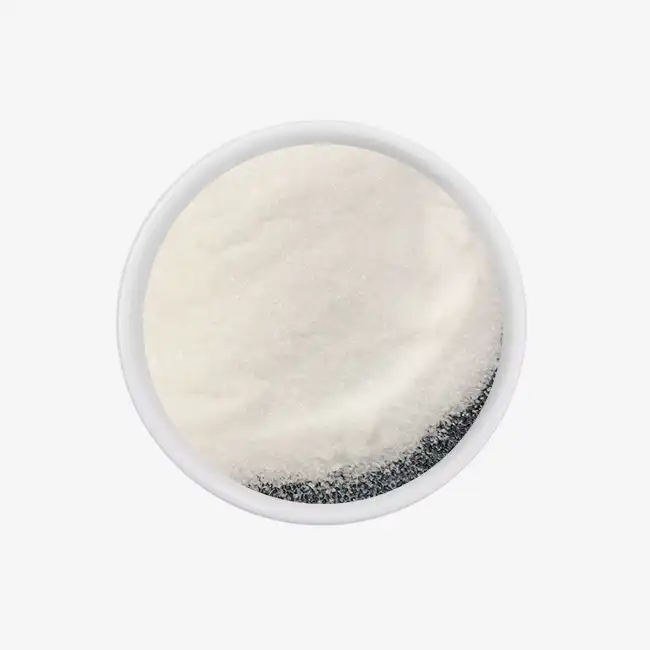
Deicing solid potassium acetate works better than other deicing products in tough conditions because of how it is chemically made. At Zhaoyi Chemical, we make this product, which has the molecular formula CH3COOK and the molecular weight 98.14. We make sure that it is at least 99% pure by following strict quality control procedures. Because the substance is easily dissolved in water, acid, and alcohol, it can quickly get through layers of ice and start working right away after being applied.
Chemical Composition and Physical Properties
Deicing solid potassium acetate's white crystalline structure makes it easier to use than granular salt goods in a number of ways. Because it dissolves quickly in water, the substance starts to work right away, setting off an exothermic process that gives off heat as it breaks down. This process of making heat speeds up the melting of ice, breaking the link between the ground and the ice more quickly than endothermic methods that take heat from their surroundings. The alkaline pH range of 9–11 helps reduce acidic conditions on treated surfaces while keeping the material's structure on a range of substrates.
Safety Data Sheet Highlights
Handling and storing things the right way ensures that products work well and workers are safe. Our deicing solid potassium acetate needs to be kept in buildings that are dry, well-ventilated, and away from sources of heat and wetness. Because the product is hygroscopic, it needs to be carefully controlled to keep it from caking during storage. Transportation rules stress gentle treatment to keep packages from getting damaged, and the material must stay away from chemicals that don't work with it throughout the supply chain. We package our goods in 25 kg plastic woven bags that are easy to handle or 1000 kg ton bags that are better for bulk uses. We can also make custom packing to fit your needs.
Industrial-Grade Purity Standards
To meet the strict needs of the flight and building sectors, strict purity requirements must be followed. Our production process always makes goods with iron contents below 0.05%, chloride contents below 0.2%, and water insoluble contents below 0.05%. These technical specs make sure that it works with delicate surfaces and equipment. This is especially important in flight settings, where landing gear, metal alloys, and special coatings need to be protected from corrosive agents. We can always track consistency from batch to batch with our thorough quality tracking system. This gives buying teams proof of compliance and helps with auditing needs.
Comparing Potassium Acetate to Other Deicing Chemicals
There are a lot of chemical options on the market for deicing, but each one has its own performance, environmental, and practical concerns. When procurement experts know about these differences, they can choose products that are in line with the company's safety, environmental, and asset protection goals.
Performance Against Chloride-Based Alternatives
Because they are cheap, traditional rock salt and calcium chloride have been used for winter upkeep for decades. However, these chloride compounds cause a lot of damage to infrastructure and pollution, which costs a lot more than they're worth. Calcium chloride speeds up the corrosion of steel reinforcing in concrete buildings. This can cause bridge decks to fail early and require expensive repairs. Calcium chloride is more destructive than magnesium chloride, but magnesium chloride still does a lot of damage to plants and water environments through waste. Because it doesn't contain chloride, solid potassium acetate completely gets rid of these rust worries. It protects structural steel, aluminum parts, and cadmium-plated parts that chloride salts rapidly break down.
Environmental Footprint Comparison
Deicing chemical choices are being looked at more closely because of government responsibility to protect water quality and ecosystems. Urea was once used a lot in aircraft, but when it breaks down, it creates ammonia and adds nitrogen to the water, which causes algal blooms and lowers oxygen levels. Sodium acetate breaks down similarly to deicing solid potassium acetate, but it doesn't work as well at the same range of temperatures and doesn't provide any potassium nutrients when it runs off. The biodegradable acetate formula breaks down naturally and doesn't build up in grounds or water systems. It has a much lower biochemical oxygen demand than goods that are based on glycol. This benefit for the environment is especially useful near watersheds, protected areas, and LEED-certified buildings where strict rules apply to tracking runoff quality.
Temperature Performance and Efficiency
If a deicing agent works or not when winter gets bad depends on the real useful temperature range. Around -9°C, regular rock salt stops working, leaving activities open to damage during very cold spells. Deicing solid potassium acetate works well at -30°C and has a eutectic point of -60°C, so it can keep ice from forming when other products fail. Because it can work at higher temperatures for longer periods of time, it cuts down on the need for high application rates or extra treatments, which saves money even though the unit price is higher. The compound's exothermic dissolution creates heat that speeds up the melting process. This allows for faster sidewalk clearance and shorter airport shutdown times for air travel.
Procurement Guide for Potassium Acetate Deicing Solid
To successfully buy industrial chemicals in bulk, you need to pay attention to the skills of the suppliers, quality assurance methods, and logistical issues that affect the total cost of ownership. Building ties with manufacturers whose quality is consistent and whose supply lines can be counted on will keep operations running smoothly when deicing materials are needed badly because of bad weather.
Supplier Evaluation and Certification Requirements
Checking manufacturing certifications and quality control systems is the first step in finding qualified sources. Our plant at Zhaoyi Chemical has ISO 9001, ISO 14001, and ISO 45001 certifications, which show that we are committed to quality control, environmental management, and safety at work. We keep up a production capacity of 150,000 tons per year by using flexible production lines that can adapt to changes in seasonal demand and large-scale contract needs. Purchasing teams should ask for analysis certificates for sample batches to make sure that the goods meet certain levels of purity and contamination that are important for the uses they are meant for.
Bulk Ordering and Logistics Considerations
Procurement pros can plan seasonal inventory levels for deicing solid potassium acetate that balance storage space with supply security by knowing minimum order quantities, shipping wait times, and different transportation choices. Because we have smart relationships with international shipping companies, we can offer cheap freight rates and reliable arrival plans all over the world. For efficient ocean freight, bulk buyers usually order by the container load, while domestic customers can make flexible plans for truck transfer. Planning when to buy things is very important. During the busiest deicing season, spot supplies are still available, but large orders need to be placed 15 days in advance to make sure that production schedules match shipping needs. The 12-month shelf life, as long as it is stored properly, lets you buy in a way that takes advantage of good prices and keeps the quality of the product throughout its useful life.
Quality Assurance and Testing Protocols
Using receiving inspection methods makes sure that the goods delivered fit the specifications of the buy and keeps the supply chain honest. At our factory, every batch of products goes through strict testing, and our internal control measures go above and beyond what is required by international standards. A lab study from a third party makes sure that the chemical makeup, purity levels, and physical properties are correct. We give you a lot of technical information, like safety data sheets, handling instructions, and suggestions for how to use the product. This helps with practical training and following the rules. Food-grade goods have extra Kosher and Halal approvals for specific uses. This shows that we can customize our products to meet the needs of a wide range of industries.
Practical Application and Usage Instructions
To get the most out of deicing solid potassium acetate products, you need to know the right way to apply them, when to apply them, and how to prepare the surface. When best practices are used to make practical choices, ice control results get better in the real world, as seen in aviation and city projects.
Recommended Application Rates and Methods
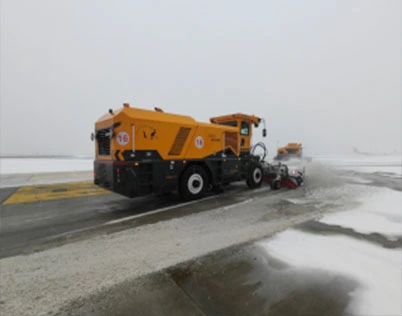
The best application rates are based on the surface features, the thickness of the ice, and the temperature of the surrounding area. For preventative anti-icing applications before it rains, airport runway deicing usually uses 50 to 100 grams per square meter. For corrective deicing of established ice layers, it may need 100 to 200 grams per square meter, based on how thick the buildup is. Rates for highway bridge applications are changed based on the amount of traffic and how sensitive the structure is. Higher rates are necessary for important infrastructure where failure could have very bad effects. Pre-wetting granular goods makes them stick better to sidewalk surfaces and speeds up the melting process, which reduces the amount of material that gets scattered by cars or wind.
Storage, Handling, and Safety Protocols
Paying attention to warehouse conditions and handling methods is needed to keep product quality high during the working season. To keep things from absorbing water and clumping together, which can affect how they move when they're being used, storage places should keep the relative humidity below 65%. Material handling equipment needs to keep packages safe. If bags get broken, they can get contaminated with product and get wet, which lowers performance. As normal safety measures, handlers should wear gloves and eye protection. However, because the compound is non-toxic, it poses fewer risks than options like caustic chloride. Cleaning application equipment on a regular basis is important to keep it from getting clogged up and to make sure that the treatment is spread evenly across all areas.
Case Studies from Aviation and Municipal Sectors
Major foreign airports have seen big changes in their operations since they switched to deicing programs that use solid potassium acetate. One airport on the East Coast cut the time that runways had to be closed by 35% and got rid of the need for upkeep on approach lighting systems and taxiway edge lights that was caused by rust. A city highway department in the Midwest saw a 60% drop in the cost of fixing up bridge decks over ten years after moving important structures from chloride salts to acetate formulas. These results support the lifecycle value proposition, which says that longer infrastructure service lives and less upkeep are worth the higher original material prices.
Making the Right Choice for Your Deicing Needs
To find the best deicing options, you need to look at a lot of factors, like performance needs, legal limits, and total costs, which go beyond just comparing unit prices. When you match chemical qualities to specific operating problems, you can be sure that your investments will have the most positive effects on safety, the environment, and your finances.
Performance Criteria Evaluation
The weather in the area where you do business sets the basic needs for temperature range and freezing point. In the far north, operations need compounds that stay effective below -20°C. This means that rock salt is instantly out of the question, leaving only acetate formulations and specialized mixes as realistic choices. Application rate estimates are based on how thick the ice is expected to be. Thin frost layers need less material than thick ice accumulations, which changes seasonal consumption forecasts. The amount of traffic affects the residual time. Roads with a lot of traffic need compounds that melt slowly and don't need to be reapplied often, while places with less traffic may be able to handle shorter useful times.
Industry-Specific Requirements
There are special rules that aviation companies have to follow that make it hard to choose products that are accepted. As part of the SAE AMS 1431 certification process, certain chemical mixtures must be used to protect airplane materials and meet guidelines for environmental discharge. The Federal Aviation Administration carefully checks how well deicing products work on runways and how well they work with planes' brake systems. These are standards that most commercial deicing products don't meet. Infrastructure managers in charge of historic buildings or artistically important bridges need to make sure that non-corrosive materials are used to protect assets that can't be replaced. Chloride contamination through air systems is not an option for factories that make sensitive electronics or pharmaceuticals. This is why clean-chemistry solutions like deicing solid potassium acetate are needed.
Cost-Benefit Analysis and Lifecycle Impacts
A full financial analysis takes into account the costs of buying things, applying them, wearing out tools, maintaining infrastructure, and meeting environmental standards over a number of years. Even though deicing solid potassium acetate is more expensive than raw rock salt, it saves a lot of money over its lifetime because it prevents corrosion, cuts down on structural fixes, and avoids the need to clean up the environment. When chloride deicers are used on concrete bridge decks, they usually need to be fixed up every 15 to 20 years, which can cost over a million dollars per building. Acetate-protected decks, on the other hand, may last longer than 40 years. These put-off capital expenditures have a huge effect on return-on-investment figures, especially for cities and towns that are trying to manage large building portfolios with limited funds.
Conclusion
Deicing solid potassium acetate chemicals meet the needs of current procurement for better performance, environmental duty, and security of infrastructure. The compound's ability to work at high temperatures, non-corrosive makeup, and recyclable nature make up for some of the problems with regular chloride salts while providing clear practical and financial benefits. Acetate-based deicing solutions set organizations up for long-term winter maintenance plans as water quality standards get stricter and asset management practices move toward lifetime optimization. Aviation case studies, local infrastructure projects, and comparative performance statistics all show that initial investment premiums pay off in a big way by increasing the useful life of assets, making upkeep easier, and making sure they meet regulatory requirements.
FAQ
Is it safe to use potassium acetate on airport runways?
Potassium acetate has SAE AMS 1431 certification for aircraft airside activities, which means it is safe to use for deicing runways and taxiways. Chloride salts can damage airplane landing gear, metal structures, and certain coatings. The non-corrosive formula saves these things from damage. Environmental safety profiles meet FAA release standards, so they can be used near environments that are sensitive to airport properties.
What effects does potassium acetate have on plants and water sources nearby?
The biodegradable acetate mix breaks down naturally with the help of microbes and doesn't build up in grounds or waterways. Acetate molecules don't pose much of a threat to plant health or aquatic environments, unlike chloride salts, which can burn plants and pollute groundwater. The potassium part actually adds nutrients to the environment when it runs off and into earth systems, so it helps the health of the environment instead of hurting it.
What licenses should I look for in a potassium acetate supplier?
Companies that care about quality keep up with the rules set by ISO 9001 for quality management, ISO 14001 for environmental management, and ISO 45001 for safety at work. Ask for proof of analysis certificates for typical production batches that show levels of purity, limits of pollution, and physical qualities. For aviation uses, SAE AMS 1431 compliance must be checked, and for food-grade products, Kosher and Halal certificates must be obtained as needed.
Partner with Zhaoyi Chemical for Premium Deicing Solutions
Zhaoyi Chemical has been making acetate for more than 30 years and can help companies that need a trusted deicing solid potassium acetate provider. Our ISO-certified factory consistently makes goods that are at least 99% pure. We offer full technical help and competitive bulk prices. We know how important winter repair work is and keep smart inventory levels that make sure supply stays steady during times of high demand. Our team can help you with application consulting, legal compliance paperwork, and custom packaging solutions that fit your business needs. Get in touch with us at sxzy@sxzhaoyi.com to talk about your deicing program needs and find out how our technical skills and supply stability can help you improve your winter maintenance plans and protect your infrastructure investments.
References
Federal Aviation Administration. (2018). Airport Winter Safety and Operations: Advisory Circular 150/5200-30D. U.S. Department of Transportation.
Transportation Research Board. (2007). Guidelines for the Selection of Snow and Ice Control Materials to Mitigate Environmental Impacts. NCHRP Report 577, National Academy of Sciences.
SAE International. (2013). Aerospace Standard: Solid Runway and Taxiway Deicing/Anti-Icing Products. SAE AMS 1431B.
Fay, L. & Shi, X. (2012). Environmental Impacts of Chemicals for Snow and Ice Control: State of the Knowledge. Water, Air, & Soil Pollution, Volume 223, Issue 5.
American Concrete Institute. (2016). Guide to Deicer Scaling Resistance in Concrete. ACI Committee 201.
National Research Council Canada. (2014). Evaluation of Alternative Deicing Chemicals for Airport Pavement Applications. Institute for Research in Construction Technical Report.

USER EVALUATE
Here is the customer's evaluation of us