



Why Industrial Manufacturers Prefer Solid Potassium Acetate?
Industrial makers in a wide range of industries are choosing industrial solid potassium acetate (CH3COOK) as their chosen chemical solution more and more because it works so well and doesn't harm the environment. This white crystalline substance is very good at dissolving, doesn't rust, and stays stable at temperatures up to 292°C. This makes it essential for demanding uses like de-icing and gas drilling fluids. Unlike traditional chloride-based options, industrial solid potassium acetate offers producers a long-term solution that improves operating efficiency while causing less damage to infrastructure and having a smaller effect on the environment.
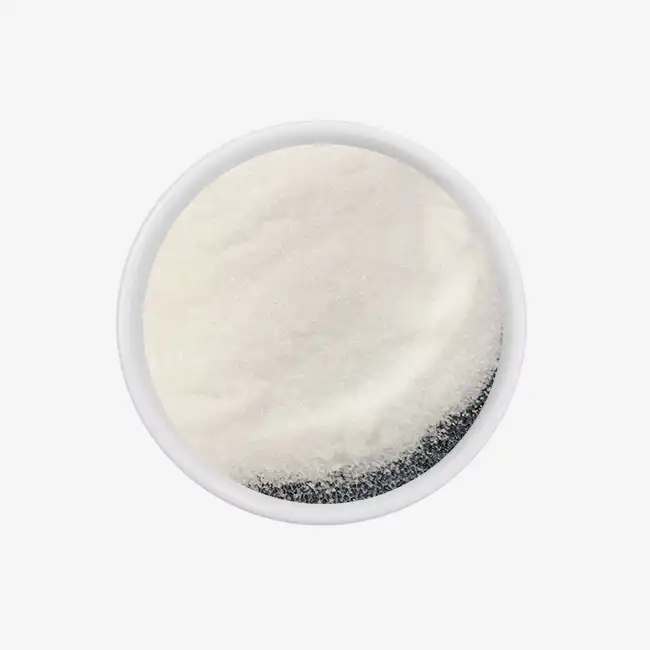
Understanding Industrial Solid Potassium Acetate
Chemical Composition and Physical Properties
With a molecular weight of 98.14, industrial solid potassium acetate (CAS NO. 127-08-2) is the potassium salt of acetic acid. The substance is a white, crystalline powder or a mass that melts away. It is very easily dissolved—about 253 grams dissolve in 100 milliliters of water at 20°C. Because it is hygroscopic, it needs to be handled carefully, but it also makes it easy to make high-concentration solutions quickly, which is important for industrial processes.
The substance has a normal to slightly alkaline pH range (7.5 to 9.0 in a 5% solution), which naturally protects electronics from acidic corrosion. Its melting point of 292°C makes it stable in exothermic reaction conditions, which makes it very useful as a catalyst in polymer production. Because of these physical features, it is different from solutions built on sodium, giving processors more options in formulation chemistry.
How It Differs from Liquid Formulations?
There are clear benefits to using industrial solid potassium acetate instead of liquid solutions. Because there is less weight per unit of active ingredient, transportation costs go down by a lot. Since solid forms don't get contaminated by microbes as easily as liquid forms do, storage needs become easier. Without having to worry about pre-dilution, manufacturers can precisely control the strength of the solution and make ratios that work best for each application.
The solid form also gets rid of the worry of freezing during movement in cold weather, which is useful for sites in northern climates. Unlike volatile liquid chemicals, this substance doesn't give off any dangerous vapors when it dissolves. This makes the workplace safer. The total cost of ownership goes down across the supply chain because of these practical benefits.
Comparison with Sodium Acetate and Other Acetates
When used as a carbon source in wastewater cleaning, sodium acetate works very well, but industrial solid potassium acetate works better in some situations. The potassium ion is better at stopping shale from moving during drilling because it stops clay from growing, which sodium ions can't do well. Differences in solubility become important—industrial solid potassium acetate can dissolve in higher-concentration brines without forming crystals.
Calcium chloride, which is often used to melt ice, eats away at metal and concrete structures very badly. Industrial solid potassium acetate makes this harm less severe and melts ice down to -60°C effectively. Lower biological oxygen demand (BOD) values are found in the environment, which means that waste that enters waterways causes less stress on marine ecosystems. Because of these differences, smart producers are willing to pay a little more for potassium-based products.
Advantages of Solid Potassium Acetate over Alternatives
Superior Performance Efficiency
When conditions are tough, performance measures always favor . This benefit is easily seen in de-icing uses; the compound breaks through layers of ice faster than rock salt and keeps them from freezing again thanks to its eutectic qualities. Managers of airport runways say that less material is being used than with traditional materials, which saves money on materials and time.
In drilling fluid mixes, industrial solid potassium acetate keeps the wellbore stable in reacting shale rocks where sodium-based muds don't work. Potassium ions move between the crystal layers of the clay, stopping it from becoming wet and losing its shape. Operators who drill through problematic rocks report fewer wellbore collapses and less time spent not working, which directly improves the project's economy.
The compound's catalyst qualities make it useful for chemical production. Manufacturers of polyurethane who use industrial solid potassium acetate as a reaction catalyst say that the performance is the same from batch to batch. This is because impurity levels below 0.05% keep the catalyst from getting poisoned, which would mess up production plans.
Environmental Safety and Biodegradability
Manufacturers are forced by regulations to use chemicals that are safe for the earth. Natural microbes break down industrial solid potassium acetate very quickly, and it usually breaks down completely within a few weeks when the conditions are aerobic. This trait is very different from chloride salts that stay in the soil and groundwater for a long time.
Toxicology studies show that at normal use amounts, chemicals don't do much harm to aquatic creatures. Concerns about legacy toxins are eased by the fact that this compound does not build up in food systems. Industrial solid potassium acetate-containing stormwater runoff is much less dangerous to areas that are close to treated roads or industrial sites.
This material is also better when you think about its carbon footprint. Chloride salt mining and processing release more greenhouse gases into the air than production methods. Companies that want to be more environmentally friendly find that industrial solid potassium acetate fits in with their environmental policies and doesn't affect how well their operations run.
Purity Standards and Quality Control
Industrial solid potassium acetate that is used in industry is usually ≥98.0% pure, and higher grades are even purer than 99.0%. Chloride levels must be below 500 ppm and iron levels must be below 10 ppm, which are important requirements for sensitive uses. Even higher standards are met by pharmaceutical and food-grade versions, which are in line with USP, FCC, and EP monographs.
Comprehensive testing procedures are used by good makers. Assay content, pH, moisture levels, and minor contaminants are checked in every output run. Certificates of Analysis (COA) are clear and let customers check that the specs meet the needs of their business. This paperwork is very important for governmental checks and reviews of the quality management system.
Certification programs add another level of trust. Getting ISO 9001 certification shows that you handle quality in a planned way, and getting KOSHER and HALAL certifications makes it easier for food-grade products to get into new markets. These validations by a third party lower the risk of buying, especially when working with new sellers.

Procurement Insights for Industrial Buyers
Selecting Reliable Suppliers
When evaluating a supplier for solid potassium acetate,strict factors must be used. Production capacity is important. Companies that need a steady supply of bulk materials should check their providers' yearly output capacities to make sure they can keep up with rising demand. Lead times show how efficiently an operation works; quick makers usually offer standard grade production cycles of 5 to 7 days.
The difference between great providers and commodity vendors is the availability of technical help. Having access to formulation scientists can help you choose the best product for a given purpose, which could lead to better performance or lower costs. Suppliers giving 24/7 technical help show dedication to customer success beyond transactional relationships.
Logistics prices and transport reliability are affected by where things are delivered. When it comes to regulations, domestic providers usually offer faster restocking and easier compliance, while foreign sources may offer better prices. When you look at the total landed cost instead of just FOB price, you can avoid budget shocks and make accurate cost comparisons.
Documentation and Compliance Requirements
Full recording of a product keeps companies safe from legal problems and interruptions in operations. Material Safety Data Sheets (MSDS) list how to handle the substance safely, what to do in an emergency, and how to properly get rid of it. Process engineers use Technical Data Sheets (TDS) as reference materials because they list the chemicals that make up a substance, its physical qualities, and the best ways to use it.
Regulatory compliance paperwork is different for each business and area. Applications that are meant to be used with food need certificates that say they follow FDA rules and related food ingredient standards. Export shipments need to be properly classified by customs and must include statements of dangerous products. Maintaining up-to-date paperwork by suppliers speeds up the procurement process and lowers the administrative load.
Traceability tools let you keep track of batches from the raw materials to the finished result. This skill comes in very handy during quality reviews or regulatory queries. Manufacturers should ask for batch coding methods that make it easy to find out when something was made and where it came from.
Bulk Purchasing Strategies
When you agree to a volume, you can get cash benefits. Setting up blanket purchase orders is a good way for manufacturers whose yearly usage is predictable to get good prices on goods while still keeping their inventory flexible. Scheduled releases spread the load on storage while making sure that the supply of materials meets the schedules for production.
The type of packaging affects how well it is handled and how much waste is managed. Standard 25 kg weaved bags are good for moving by hand, but 1000 kg ton-bags work best with forklifts and cut down on packing waste. Talking about preferred packing during talks shows that you understand how things work and may lead to customization options.
When a seller trusts a customer, their payment terms show that the customer is creditworthy. As business ties get stronger, lines of credit are often replaced by open account terms, which lowers the cost of doing business. But new suppliers may need deposits or secured payment at first, which is a normal thing to do and shouldn't instantly rule out qualified sellers.
Real-World Case Studies: Why Manufacturers Trust Solid Potassium Acetate?
De-icing Operations at Regional Airports
Because of worries about damaging the concrete, a rural airport in the Midwest switched from calcium chloride to industrial solid potassium acetate for de-icing the runway. Over the course of three winters, repair crews saw a 40% drop in concrete cracks and joint wear. Operators of aircraft said that landing gear parts that were exposed to residual de-icer needed less upkeep due to corrosion.
Environmental tracking showed that chloride levels were much lower in nearby wetlands, which eased environmental agencies' legal worries. The airport was able to follow the rules for discharge licenses that past deicing workers didn't follow. Even though the cost of materials went up a little, the net return on investment (ROI) was positive within two years.
Drilling Fluid Performance in Shale Formations
When using standard sodium-based mud methods, an independent oil company digging in reactive Pierre Shale formations kept running into wellbore instability. When wellbore collapsed, expensive repairs had to be done, which pushed back the digging schedule and raised costs. The operator changed the drilling fluids so that industrial solid potassium acetate was added as the main shale inhibitor.
The results were amazing—the wellbore became more stable right away, and caliper logs showed that the gauge only slightly grew. Because cuttings weren't building up as much, drill bit penetration rates went up. The wells hit their full depth earlier than planned, and production tests afterward showed that there was only minor damage to the rock. Total well costs went down even though mud system costs went up, which proved the technical choice was right.
Food Processing Applications
A company that makes gourmet condiments needed acetate buffers to keep the pH level stable during fermenting. Previous buffering systems were changed with food-grade industrial solid potassium acetate, which provides better pH stability during the temperature changes that happen during large-scale fermentation. The stability of the products got better, which cut down on rejects and customer complaints.
The compound's KOSHER and HALAL certifications allowed the maker to sell to groups of customers they hadn't been able to reach before. Regulatory checks went easily because suppliers provided a lot of information. The purchasing team made a long-term deal with a supplier that ensured stable prices and access during peak production times of the year.
Storage, Handling, and Safety Best Practices
Optimal Storage Conditions
Because industrial solid potassium acetate absorbs water, it needs to be stored in a controlled setting. To stop moisture uptake that leads to caking, facilities should keep the relative humidity below 60%. Keeping the temperature between 15°C and 25°C protects the quality of the product, but the substance can handle higher or lower temperatures without breaking down chemically.
Storage areas need to have enough air flow to get rid of any dust that comes up from handling. Staying away from things that don't mix, like strong oxidizers and acids, stops reactions that could be harmful. Warehouses should put up walls to keep wetness out, and bags should be stored on pallets instead of directly on concrete floors, where water from the ground could move.
Under the right circumstances, the shelf life of solid potassium acetate lasts forever, but makers usually say to use it within two years of production. Using first-in, first-out stocking movement makes sure that products stay as fresh as possible. Visual checks are done on a regular basis to find any damage to the package or wetness getting in before the materials are used in production.
Personal Protective Equipment and Emergency Response
When working with industrial solid potassium acetate, you should follow standard safety rules for the workplace. To protect their eyes from dust, workers should wear safety glasses or helmets. The substance doesn't pose much of a risk to skin, but wearing gloves keeps your skin from getting irritated after long-term contact. When dumping bags or moving a lot of stuff, dust masks are recommended.
Response plans for emergencies cover rare but possible situations where people could be exposed. If you make eye contact, you need to rinse your eyes with water for 15 minutes right away, and then you should see a doctor. Simple cleaning with soap and water can take care of skin touch. Even though ingestion is unlikely to happen in the workplace, it needs medical advice and helpful care.
To clean up a spill, you have to put the solid matter into containers so it can be reused or thrown away. When you vacuum with explosion-proof equipment, you stop the dust from spreading. Any airborne particles are diluted when damaged places are ventilated. The complex doesn't pose a fire risk, which makes planning for emergencies easier.
Regulatory Compliance Guidelines
Facilities in the United States must follow OSHA safety rules about how to handle and expose workers to chemicals. Labeling that follows the rules of the Globally Harmonized System (GHS) makes sure that workers know about the qualities of materials. Right-to-know laws are met by keeping correct Safety Data Sheets in easy-to-reach places.
Rules about the environment control the release of garbage and runoff from storms. While industrial solid potassium acetate exhibits low environmental toxicity, concentrated solutions require proper containment. Facilities should check their runoff permits to make sure they are following the rules for water safety in their area. Standard procedures for getting rid of industry trash are followed, and the compound is usually considered non-hazardous.
Industrial solid potassium acetate is not considered dangerous for shipping within the United States, which makes operations easier. Depending on the rules of the target country, international packages may be put into different categories. Working with experienced freight forwarders makes sure that all the necessary paperwork is filled out and that all the rules are followed across countries.
Conclusion
Industrial solid potassium acetate has many useful benefits in many different production processes. It combines high technical performance with care for the environment. Because it dissolves better, doesn't rust, and stays stable at high temperatures, it can be used in situations where other chemicals can't. This chemical is useful in a lot of different situations, from keeping airport equipment safe by melting ice to keeping unstable shale formations stable during digging. Professionals in procurement build trust by carefully evaluating suppliers, keeping detailed records, and using smart buying methods. The case studies show a measurable return on investment (ROI) through lower upkeep costs, better process efficiency, and easier entry to new markets. As environmental concerns and government regulations grow, producers who think ahead can continue to be successful with industrial solid potassium acetate.
FAQ
What distinguishes solid potassium acetate from liquid formulations?
When compared to liquid solutions, industrial solid potassium acetate has a higher concentration of active ingredients and takes up less room for keeping and transportation. The solid form has a longer shelf life without the need for preservatives, doesn't freeze during shipping in cold weather, and lets you precisely control the quantity when making working solutions. Solid materials store compactly until they are needed, giving manufacturers more stocking options.
Can potassium acetate serve food-grade applications safely?
Food-grade industrial solid potassium acetate that meets USP and FCC standards can be used properly as a taste booster, pH buffer, and food preservative in many situations. The FDA has given the substance GRAS (Generally Recognized As Safe) approval for certain uses. Manufacturers must get approved food-grade material that comes with the right paperwork. They should not use industrial types, which may contain trace contaminants that are not safe for people to eat.
How do I determine the appropriate grade for my application?
Grades are chosen based on the conditions of the application. For de-icing tasks, industrial grade (>98.0% pure) is usually used, while technical grade with limited impurities may be needed for drilling fluids. For use in food and medicine, USP or FCC types that meet high purity standards are needed. Talking to providers' expert teams can help you match product specs to your process needs, which ensures the best performance and adherence to regulations.
Partner with Zhaoyi Chemical for Premium Industrial Solid Potassium Acetate
Zhaoyi Chemical can help you with your buying needs because they have been making acetate for over 35 years. Our industrial solid potassium acetate is ≥99.0% pure thanks to strict controls on impurities. It has ISO, KOSHER, and HALAL standards that show our commitment to quality. With a production capacity of 150,000 tons per year, we can safely offer large amounts while keeping the same specifications for each batch. Our technical team is here to help you with every step of the buying process, from the initial sample review to ongoing production apps. We offer flexible packing choices in 25 kg bags or 1000 kg ton-bags, which makes it easier for you to move the goods. Email our committed team at sxzy@sxzhaoyi.com to talk about your unique needs and ask for samples of our products. As a well-known provider of industrial solid potassium acetate, we give your businesses the quality, dependability, and top-notch service they need.
References
Anderson, T.L. & Mitchell, R.K. (2021). Acetate Salts in Industrial Applications: Chemistry and Engineering Perspectives. Industrial Chemistry Press.
Environmental Protection Agency (2020). Alternative De-icing Chemicals: Environmental Impact Assessment. EPA Technical Report Series 820-R-20-003.
Johnson, M.S. (2019). Drilling Fluid Technology for Shale Formations. Petroleum Engineering Publications.
National Airport Pavement Test Facility (2022). Comparative Study of Aircraft De-icing and Anti-icing Fluids. FAA Technical Center Report DOT/FAA/TC-22/15.
Rodriguez, C.P. & Zhang, H. (2020). "Performance evaluation of organic acetate salts in wastewater denitrification processes." Water Research, 168: 115-127.
Williams, D.R. (2018). Food Additives and Preservatives: Chemistry, Applications, and Regulatory Framework. Academic Food Science Publishers.

USER EVALUATE
Here is the customer's evaluation of us