



Choosing a Reliable Pharmaceutical Potassium Acetate Supplier
The success of your buying strategy and the quality of your pharmaceutical formulations depend on how well you choose a source for pharmaceutical solid potassium acetate. Good raw materials make sure that patients are safe, that rules are followed, and that work runs smoothly. This detailed guide goes over important criteria for evaluating suppliers, such as their credentials, ability to ensure purity, and their ability to handle logistics. It gives procurement professionals the tools they need to build partnerships that provide consistent pharmaceutical-grade quality, reliable supply chains, and long-term value for global B2B operations.
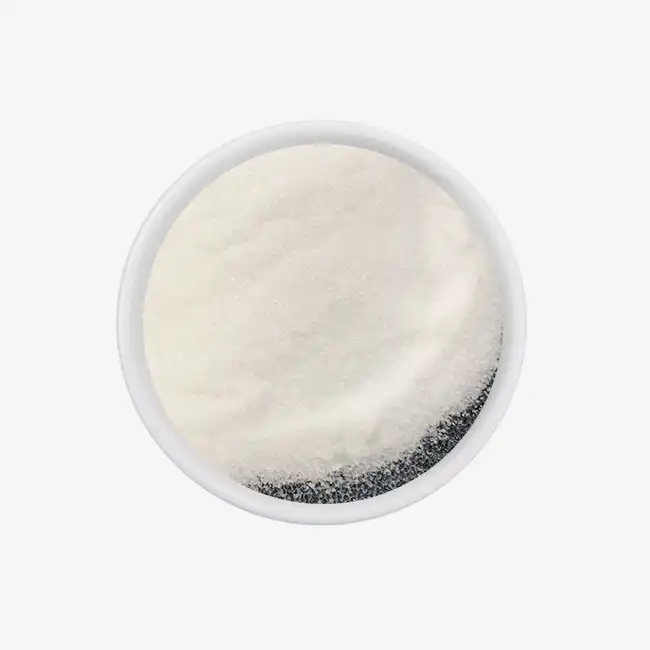
Understanding Pharmaceutical Solid Potassium Acetate
Chemical and Physical Properties
Pharmaceutical solid potassium acetate (CH3COOK, CAS 127-08-2) is a white material that is crystallized and has a molecular weight of 98.14 g/mol. This salt dissolves very easily in water, alcohol, and acid solutions, allowing for quick dissolving without leaving behind any impurities. This is an important property for pharmaceutical making. The substance stays chemically stable even when the temperature changes. This means that its ability to cushion and its electrolyte qualities stay the same during storage and formulation. For high-purity requirements, assay results must be ≥99.0%, with heavy metals limited to ≤0.0005% and chloride content limited to ≤0.01%. This makes sure that the product can be used in sensitive medicinal uses.
Pharmaceutical Applications and Clinical Relevance
Pharmaceutical solid potassium acetate is used in many ways in the healthcare industry, both for production and for treating illnesses. The chemical works as an overall alkalizer and electrolyte replenisher. It is especially useful in the production of hemodialysis concentrates, where exact ion balance is important. Formulations for parenteral nutrition use pharmaceutical solid potassium acetate for total parenteral nutrition (TPN) mixes and large-volume parenterals. This adds potassium without adding too much salt. Antibiotic stability is another important use. The salt works as a buffering agent in the production of benzylpenicillin potassium, stopping pH-related breakdown that lowers the drug's effectiveness. Metabolic acidosis treatment and hypokalemia control are two clinical uses. Reliable supply is important for keeping up with patient care.
Purity Standards and Stability Requirements
When making medicines, strict quality standards are needed that are in line with international pharmacopeial requirements like those set by the USP, EP, BP, and JP. Protocols for controlling contamination must take into account heavy metal leftovers, salt impurities, and organic contaminants that could make drugs less safe or less effective. Stability tests under cleaning conditions, such as high temperature and high pressure autoclaving, shows that the pharmaceutical solid potassium acetate doesn't break down chemically. Batch consistency makes sure that all production runs work the same way, and that content mistakes stay within a ±0.5% range. These strict rules make sure that the purity of the formulation is protected and that the quality of the pharmaceutical excipients meets legal requirements.
Criteria for Selecting a Reliable Pharmaceutical Potassium Acetate Supplier
Certification and Compliance Credentials
Compliance with regulations is the basis of a supplier's dependability in pharmacy buying for solid potassium acetate. Good Manufacturing Practice (GMP) approval shows that the processes used to make something meet the quality standards of the pharmaceutical industry. These standards include controls for the environment, process validation, and means to stop contamination. ISO 9001 certification proves that a company's quality management system works. ISO 14001 and ISO 45001 certifications prove that a company cares about the environment and is committed to worker safety. International food safety standards like KOSHER and HALAL make it easier for more medicinal uses to get into new markets. Suppliers should back up plant checks by sending detailed paperwork in multiple languages and Certificate of Analysis (COA) reports with every package. Systems that keep track of everything from raw materials to finished pharmaceutical solid potassium acetate products make it possible to quickly address quality issues and keep your supply chain safe from legal problems.
Product Purity Verification Methods
To tell the difference between pharmaceutical solid potassium acetate and industrial-grade versions, strict chemical testing methods are needed. ICP-MS (Inductively Coupled Plasma Mass Spectrometry) testing correctly measures heavy metal pollution at parts-per-million levels, making sure that the limits set by the pharmaceutical industry are met. Finding out the chloride content using titration methods makes sure that the amounts of impurities stay within the allowed ranges for sensitive formulations. Third-party testing by well-known labs like SGS verifies what suppliers say on their own, which lowers the risk of buying something. Suppliers who show batch consistency through statistical process control data are more reliable than those who only test the finished product. Testing samples before placing large orders lets you see for yourself that the quality of the large-scale production stays the same as it was in the samples.
Supply Chain Capabilities and Logistics
Production capacity has a direct effect on supply reliability, especially for drug companies that need to send pharmaceutical solid potassium acetate in big quantities on a regular basis. A production capacity of 150,000 tons per year means that the operations are on an industrial scale and can meet the world's medicinal demand without any problems with distribution. When making production plans, managing lead times becomes very important. Suppliers with production processes of 5–7 working days make inventory management easier than those with longer manufacturing timelines. Order flexibility lets you meet a range of demand trends, from regular restocking needs to pressing needs for clinical studies or product launches. Different types of packaging, like 25 kg plastic weave bags and 1000 kg ton-bags, give facilities more choices for how they can handle the goods and how much space they have. Expertise in global logistics makes sure that things are handled correctly during international shipping. This includes knowing how to clear customs, transporting things at the right temperature when needed, and making sure that all paperwork is correct so that there are no delays at the border.
Comparing Pharmaceutical Solid Potassium Acetate Suppliers
Pricing Structure and Value Assessment
Cost analysis looks at more than just unit prices; it also looks at the total value of all purchases made across the supply chain. Volume discounts are given to people who make bigger commitments, and efficient packaging cuts down on the costs of handling at receiving facilities. Payment terms affect the amount of working capital that is needed. Letters of credit, wire transfers, and agreed credit periods are some of the flexible options that can be used to suit different ways of planning your finances. When figuring out the total landing cost, you have to include hidden costs like freight charges, customs taxes, and the cost of quality testing. Suppliers who have clear price systems and stable contractual rates protect planning processes from changes in the market. When you do a value assessment, you weigh the short-term costs against the long-term benefits of reliability. This is because you know that problems with quality or supply costs a lot more than the small savings you could get from cheaper choices.
Supplier Reputation and Industry Standing
Manufacturers that have been in business for decades have built up a reputation for reliability and skill that younger companies can't easily copy. Shanxi Zhaoyi Chemical Co., Ltd. was established in 1988 and has been making pharmaceutical solid potassium acetate for more than 35 years. Its long history in the business shows that it runs efficiently. Size of the facility gives you an idea of how complex the production is; for example, operations that cover 27,000 square meters and have 60 specialized workers suggest that the facility has the right equipment to support quality manufacturing. Customer reviews and industry references show that performance goes beyond what is said in marketing materials. This is especially true when it comes to how quickly technical help responds and how well problems are resolved. Industry certificates and awards show that a provider is respected by professionals and government officials.
Case Studies of Successful Partnerships
Certified suppliers improve the results of pharmaceutical production, as shown by successful buying relationships. A European company that makes dialysis concentrate teamed up with a GMP-certified pharmaceutical solid potassium acetate provider. Over the course of three years, they were able to deliver 99.8% of the time and reject no batches because they met strict quality standards. In a different partnership, a North American TPN formulation business used the technical know-how of its suppliers to find the best salt content in nutritional solutions. This increased patient tolerance while lowering the cost of formulation. These relationships show the practical benefits that go beyond just supplying products. For example, they can help with formulation advice, regulatory paperwork, and early warnings about changes to production plans or possible delays. Pharmaceutical companies can focus on their core skills instead of constantly handling procurement uncertainties when they have long-term relationships with suppliers based on consistent performance.

Procurement Best Practices for Pharmaceutical Solid Potassium Acetate
Purchase Terms and Contract Management
Clear contracts protect both parties and set performance standards that guide the relationship between the supplier and the buyer. Instead of general statements, specifications should refer to international pharmacopeial standards. This will make it clear what quality standards are needed. As a result of the unpredictable nature of pharmaceutical solid potassium acetate demand forecasts, quantity promises are paired with flexibility provisions. Payment terms that are in line with industry standards make deals go more smoothly. For example, 30-day net terms are common for established relationships, while letters of credit are used for new partnerships. When a warranty covers non-conforming material, it spells out how to test it, how to file a claim, and what choices are available for fixing the problem, such as replacement or credit. Force majeure terms protect against delays that can't be planned for and require quick notice and efforts to fix the problem. Reviewing contracts once a year lets both sides look at how well they're doing, change the terms if needs change, and boost the parts of the contract that encourage collaboration that make the supply chain work better.
Inventory Management and Storage Protocols
Pharmaceutical solid potassium acetate stays good for a long time if you store it correctly. This protects the purity of your pharmaceutical mixture. The compound needs to be stored in a building that is dry, well-ventilated, and kept away from heat sources and wetness that could cause it to break down or clump. Keeping the temperature in a normal range stops thermal stress, and keeping the relative humidity below 60% stops hygroscopic moisture absorption as much as possible. Cross-contamination that could hurt medicinal uses can be avoided by keeping them away from incompatible substances, especially strong oxidizers and harmful materials. Physical stress should be kept to a minimum during lifting and moving so that packages don't get damaged and their contents get contaminated by the environment. First-in, first-out (FIFO) inventory movement makes sure that older stock is used up first, before it goes bad. Regular quality control through testing makes sure that kept material stays in line with specifications during the storage time.
International Shipping and Customs Management
Global procurement adds new shipping challenges that need specialized knowledge to keep the flow of materials running smoothly. The responsibilities and regulations that apply are based on the correct classification under Harmonized System (HS) codes. Sometimes, pharmaceutical solid potassium acetate gets better care than industrial grades. Accurate documentation keeps customs delays from happening—commercial bills, packing lists, certificates of analysis, and any import permits that are needed must all match exactly with what is being shipped. When choosing a freight forwarder, you should look at their experience with pharmaceutical logistics, including how to properly handle and store sensitive packages, as well as their track record with customs officials. Insurance protects against loss or damage while traveling across foreign borders. The amount of coverage depends on the item's value and the time it takes to replace it. Standard communication methods between the supplier, the freight forwarder, and the receiving center allow for proactive problem-solving when delays or other issues arise, which keeps production from being interrupted by problems in the supply chain.
Conclusion
To find a trustworthy pharmaceutical solid potassium acetate provider, you need to carefully look at their certifications, quality systems, production skills, and ability to handle transportation. Pharmaceutical-grade standards require strict quality standards, consistent batches, and a lot of paperwork that shows compliance with regulations. When it comes to buying things, good purchase strategies combine cost with dependability, knowing that problems with supplies or quality cost a lot more than the small price differences they save. Pharmaceutical manufacturing needs sources that have been around for a long time, have strong quality processes, and have good relationships with customers. The procurement system includes proper storage, contract management, and logistics planning to make sure that high-quality raw materials get to your plant ready to support safe, effective pharmaceutical production.
FAQ
How can I verify the authenticity and purity of pharmaceutical-grade potassium acetate?
Ask providers for Certificates of Analysis (COA) for each batch of pharmaceutical solid potassium acetate, which should list the testing methods they used. Objective confirmation comes from testing by a third party, such as through well-known labs like SGS. To make sure the product is pharmaceutical-grade, check the specs against international pharmacopeial standards like USP, EP, BP, and JP. Sample checking before big sales lets you be sure of the quality right away, before you commit to buying in bulk.
What typical lead times should I expect for international orders?
For known suppliers with enough volume, production lead times are usually between 5 and 7 working days. International shipping can take an extra two to four weeks, based on where it's going and how it's being sent. Customs clearance adds a changeable time frame based on the correctness of the paperwork and the needs of the government. Total buying processes usually last between 3 and 6 weeks, from placing an order to receiving it at the plant. This means that planning ahead is needed to keep production from stopping.
What storage conditions preserve potassium acetate quality?
Keep in buildings that are dry, well-ventilated, and have humidity levels that are kept below 60% relative humidity. Keep the temperature in a reasonable range away from sources of heat. Keep away from things that don't go with it, especially oxidizers and poisonous chemicals. For protection against the climate, use packaging that doesn't absorb wetness and seal it properly. Use first-in, first-out product movement to get rid of old stock before it goes bad.
Partner with Zhaoyi Chemical for Premium Pharmaceutical-Grade Potassium Acetate
Pharmaceutical solid potassium acetate from Shanxi Zhaoyi Chemical Co., Ltd. is pure, consistent, and in line with all applicable regulations. Our GMP-approved production methods make ≥99.0% pure material with heavy metals kept to ≤0.0005% and chloride kept to ≤0.01%. This meets the requirements of the USP, EP, BP, and JP pharmacopeial standards. We ensure supply reliability for pharmaceutical manufacturers around the world with a production capacity of 150,000 tons per year and expert help available 24 hours a day, seven days a week. Our many certificates, such as ISO 9001, ISO 14001, ISO 45001, KOSHER, and HALAL, show that we care about quality in areas like safety, the environment, and culture. In addition to standard supply, we also give private labeling, OEM customization, and formulation advice to help you get the most out of your medicinal uses. As a reliable pharmaceutical solid potassium acetate provider since 1988, we combine high-quality production with customer-focused service. We help you succeed in your procurement by communicating quickly, letting you choose the amount of material you need, and being experts in global logistics. Email our team at sxzy@sxzhaoyi.com to talk about your unique needs and get quotes and full product specifications.
References
Smith, J.R. & Anderson, K.L. (2019). Pharmaceutical Excipients: Quality Standards and Regulatory Compliance. Academic Press.
International Pharmaceutical Excipients Council. (2021). Good Manufacturing Practices Guide for Pharmaceutical Excipients.
Wilson, T.D. (2020). "Acetate Salts in Pharmaceutical Formulations: Applications and Quality Requirements," Journal of Pharmaceutical Sciences, 109(4), 1523-1537.
European Pharmacopoeia Commission. (2022). European Pharmacopoeia 10th Edition: Potassium Acetate Monograph.
Chen, M.H. & Rodriguez, P. (2018). Global Supply Chain Management in the Pharmaceutical Industry. Wiley & Sons.
United States Pharmacopeial Convention. (2023). USP-NF 2023: Potassium Acetate Official Monograph.

USER EVALUATE
Here is the customer's evaluation of us