



Why Oilfield Companies Choose Potassium Acetate Chemicals
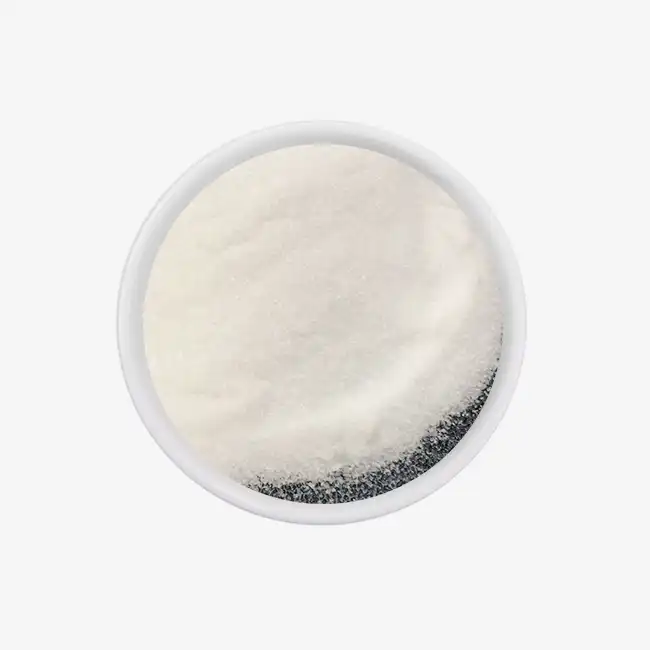
More and more oilfield companies are choosing oilfield solid potassium acetate because it solves important operating problems that regular drilling fluid additives can't. This white crystalline substance (CH3COOK) keeps shale from becoming unstable by stopping clay from hydrating without adding corrosive chloride ions. It also keeps downhole equipment from breaking down and complies with strict environmental rules because it is recyclable. Because it is solid, it is much cheaper to ship and works well in high and low temperatures. This makes it the best choice for drilling workers who want to be efficient and follow environmental rules in today's controlled world.
Understanding Potassium Acetate in Oilfield Applications
Chemical Properties That Drive Performance
Because of the way its molecules are structured, oilfield solid potassium acetate works very well in tough downhole conditions. This molecule, which has the formula CH3COOK and a molecular weight of 98.14, dissolves very easily in water, acids, and alcohols. This makes it easy to add to drilling fluid systems at the rig site. The white solid substance is more than 99% pure, which means it has the most active ingredients for controlling osmotic pressure in water-based muds.
It is the dual-ion input that makes this chemistry different from other similar ones. It is the potassium cation (K+) that stabilizes the clay by exchanging cations with reactive shale rocks that works, and the acetate anion (CH3COO-) doesn't damage normal oilfield tubing, elastomers, or downhole instruments. This mix meets two needs that have traditionally been at odds with each other: strong shale prevention and equipment safety.
Core Benefits for Drilling Operations
There is always pressure on drilling experts to keep the wellbore intact while reducing damage to the formation and the effect on the environment. Oilfield solid potassium acetate has significant benefits in all of these areas. The compound stops clay from growing and spreading in reacting formations. This keeps the hole gauge stable and cuts down on the time that can't be used for work because of an unstable wellbore. Acetate-based systems make drill strings and bottom-hole kits last longer than potassium chloride-based systems, which can cause limited corrosion in some metals.
Another important benefit is that it works well at different temperatures. In the Arctic and deep seas where temperatures drop to -60°C, the material works well for drilling. It keeps fluids from gelling and keeps their rheological qualities, which make sure that cuttings move properly. Because it is thermally stable, it doesn't need glycol-based antifreeze chemicals, which can change the viscosity profiles of fluids in motion in unpredictable ways.
Environmental issues can no longer be ignored in modern digging projects. Compared to manufactured polymers and chloride salts, oilfield solid potassium acetate has a much lower chemical oxygen demand (COD) and biological oxygen demand (BOD) in garbage streams because it breaks down naturally. Offshore activities in places that are good for the environment and have rules against releasing certain types of chemicals can benefit from acetate formulations that meet those rules without affecting technical performance.
Performance Comparison with Traditional Agents
Because they are easy to get and don't cost much, traditional shale inhibitors like potassium chloride have ruled drilling fluid mixtures. But the chloride anion causes rust, which speeds up equipment wear and makes sour gas settings with hydrogen sulfide more dangerous. Acetate-based approaches get rid of this electrochemical corrosion process while still stabilizing clay as well as or better than other methods using the same potassium ion activity.
Solid forms are easier to work with than wet ones when it comes to logistics. Because there is no water weight during shipping, transportation costs drop by 40 to 50 percent. This is especially helpful for drilling sites that are far away and where freight costs are a big part of the project budget. It's also easier to store things because solids take up less room and don't freeze when they're being moved or stored in cold areas during the winter.
Compatibility with other drilling fluid additives is a useful factor that is often forgotten when choosing chemicals. Oilfield solid potassium acetate works well with xanthan gum, polyanionic cellulose (PAC), and other popular polymer systems that are used to stop fluid loss and increase viscosity. Because of this, fluid engineers can work on improving many performance factors at the same time without having to worry about chemical influence that could make fluid traits less stable.
Why Solid Potassium Acetate is Preferred Over Other Drilling Fluids
Advantages Over Potassium Chloride Systems
When purchasing managers look at drilling fluid additives, they need to compare how well they work with the total cost of ownership. Potassium chloride saves money on materials right away, but the hidden costs of corrosion-related breakdowns and equipment replacement often outweigh the original savings. When steel parts are exposed to chloride-rich brines, they suffer pitting rust that weakens the structure. This means that drill pipe, tubing, and downhole tools have to be replaced too soon.
The acetate alternative gets rid of the need for upkeep processes linked to corrosion while still stabilizing shale in the same way. Both chemicals supply potassium ions that lower the activity gradient between the drilling fluid and the formation water. This stops the osmotic flow that makes the clay expand. The difference is in the anion that goes with it. Chloride encourages electrochemical reactions that break down metal surfaces, but oilfield solid potassium acetate doesn't respond chemically with typical alloys used in the oilfield.
The cost of getting rid of waste in the environment is another economic factor to think about. Because it could pollute land and waterways, chloride-contaminated drilling waste needs to be handled and thrown away in a certain way in many places. Acetate-based fluids break down naturally through microbe action, which lowers the cost of removal and makes it easier to complete the regulatory compliance paperwork needed to close out a project.
Comparison with Sodium Acetate and Formate Alternatives
Sodium acetate and potassium formate are two other chemical salts that can be used to make drilling fluid. Sodium acetate is good for the climate and doesn't rust, but it's not as good at stopping shale formation because sodium ions aren't as good at stabilizing unstable clays as potassium ions are. When drilling through shales that are high in montmorillonite, sodium-based methods still have problems with wellbore stability. This can cause tight holes and pipe events where the pipe gets stuck.
Potassium formate is great at stopping clay from sticking together, and it can make brine densities higher than acetate. This makes it good for high-pressure rocks that need heavy finishing fluids. But formate is much more expensive than acetate in most local shops, and because it absorbs water, it's harder to store and handle in damp places. The cost-benefit analysis shows that oilfield solid potassium acetate is better for normal water-based mud uses where forming pressures don't need very high brine weights.
Solid Form Benefits for Supply Chain Efficiency
The way drilling chemicals are packaged and handled in the field are directly affected by their physical form. Liquid versions make transportation more difficult because they can freeze in cold places, containers can rust, and the extra volume used increases the cost of freight. Oilfield solid potassium acetate comes in 1000 kg bulk bags or 25 kg weave bags that don't absorb water. These bags stack well, don't break down in storage, and dissolve quickly when mixed into moving systems.
Inventory control is easier when activities are in the field. At rural drilling pads with few store options, solid materials take up less warehouse room. The longer shelf life of crystalline products—twelve months if kept properly—reduces the amount of waste from old stock and lets people buy in bulk to get savings without risking material degradation.
For safety reasons, solid handling is also a plus. When liquid chemicals spill, they can cause people to slip, and they need special control during move operations. Crystalline material stays in place while it's being handled, and any spills can be cleaned up quickly without making surfaces slippery, which could put rig workers in danger.
Selecting the Right Potassium Acetate Supplier and Product
Evaluating Supplier Qualifications and Certifications
Chemical quality directly affects how well drilling fluid works and how safe it is to use. When choosing providers of oilfield solid potassium acetate, you need to carefully look at their manufacturing skills, quality control systems, and safety certifications. Getting ISO 9001 certification shows that you are dedicated to quality management systems that make sure stability from batch to batch. ISO 14001 lists environmental management techniques that are in line with the green goals of a business. ISO 45001 talks about health and safety at work and makes sure that the methods used in industry protect workers' health and safety.
Industry-specific licenses give you even more peace of mind. While KOSHER and HALAL certifications are mostly used in the food and drug industries, they also show that materials have been strictly inspected for quality and purity, which is good for industry users as well. Suppliers who keep these licenses usually put in place systems to track products and prevent pollution that make all of their products more reliable.
The manufacturing location changes how resilient the supply chain is. Suppliers with factories in more than one place, like China, North America, and Europe, can provide regional flexibility that lowers the risk of disruptions caused by things like natural disasters, unstable governments, or traffic jams. Buyers in those markets also benefit from shorter lead times and lower freight costs when oilfield solid potassium acetate is made locally.
Practical Procurement Considerations
To balance the costs of keeping goods with the savings that come with buying in bulk, logistics for bulk orders need to be carefully planned. Reliable providers keep yearly production capacities of more than 100,000 tons, so products are always available, even when the industry needs them the most. Standard order wait times for well-known goods are usually between five and seven working days. This lets procurement teams plan shipping around drilling schedules without having to keep too much inventory on hand.
Sample checking is an important step to take before making big purchases. Ask for example samples along with certificates of analysis (COA) documenting:
• Purity levels
• Moisture content
• Trace contaminant levels
Check these specs against what your fluid system needs and see if they work with the mud additives you already have. This careful planning keeps expensive shocks from happening when the big stuff gets to the digging site.
When evaluating a provider, Safety Data Sheets (SDS) should be looked over. The SDS tells you important things like how to handle the substance safely, how to store it, what to do in an emergency, and how the substance is classified by regulators. Check to see if the supplier's SDS meets the area standards that apply, such as the OSHA Hazard Communication Standard in the US, REACH rules in Europe, or similar rules in other places.
Building Long-Term Supplier Relationships
When people buy things in a transactional way, they miss chances to work together to create value. Suppliers with technical know-how offer application engineering help that makes fluid mixtures work better for certain environmental problems. Manufacturers like Zhaoyi Chemical, which has been making oilfield solid potassium acetate for more than 30 years (since 1988), offer more than just supplying materials. They also help with problems, suggest formulations, and provide expert service in the field.
During operational situations, the framework for communication is important. Suppliers who give technical help 24 hours a day, seven days a week and quickly—within two hours or less for urgent questions—show that they care about their customers' success. This flexibility is very helpful when unexpected conditions downhole mean that fluid properties need to be changed right away to keep the wellbore under control and avoid downtime.
Clear pricing and flexible contracts help with long-term planning. When suppliers are ready to talk about how the market works, what drives the cost of raw materials, and how big discounts work, buyers can make better decisions about what to buy. Multi-year supply deals with price changes based on public indices help both parties plan their budgets and keep them safe from extreme market instability.
Environmental and Safety Considerations of Using Potassium Acetate in Oilfields
Biodegradability and Ecological Impact
Environmental impact studies are being used by regulatory bodies around the world to look more closely at the choice of drilling chemicals. The fact that oilfield solid potassium acetate breaks down naturally makes it a good choice for these tests. Acetate molecules are naturally broken down by microbes in soil and water, turning them into carbon dioxide and water without building up as permanent organic pollutants. Compared to synthetic polymers and halogenated chemicals that don't break down in nature, this biodegradation route lowers long-term environmental risks.
Aquatic toxicity testing shows that acetate doesn't have much of an effect on marine life, which is important to know for offshore drilling activities. Alternatives based on chlorine are not very dangerous, but they raise the salinity of discharge waters and cause osmotic stress in marine environments that are already under a lot of stress. Acetate formulations lessen these effects while still meeting technical performance standards. This makes it easier to get permits for digging sites that are sensitive to the environment.
Chemicals that are good for the earth are given more attention by green chemistry programs in large companies. Adopting acetate-based drilling fluids shows that a company is serious about sustainability and gives them more social license to work in areas where people are worried about the effects of industry. As stakeholder standards for environmental care rise in the energy sector, this strategic stance becomes more valuable.

Handling and Storage Best Practices
The right way to handle something protects both the people handling it and the purity of the result. Oilfield solid potassium acetate is not as dangerous to your health as caustic or volatile chemicals, but simple safety measures can still stop exposure events. When handling bags, wearing safety glasses, gloves that can withstand chemicals, and a dust mask can help keep you from touching and breathing in particles during material shift operations.
The conditions of storage have a direct effect on how long a product lasts and how it dissolves. Crystalline stuff needs to be kept in buildings that are dry, well-ventilated, and out of direct sunlight and rain. Moisture absorption leads to caking, which makes measurements less exact and slows down the rate of breakdown when mixing. Keeping storage conditions in the middle, rather than too hot or too cold, which can make it harder to move things around, helps keep product quality high throughout the stocking cycle.
Separating from materials that don't work together stops pollution and safety risks. Keep oilfield solid potassium acetate away from strong oxidizers, acids, and metals that combine with other things. Even though acetate is pretty safe on its own, mixing it with substances that don't work well with it could cause unwanted reactions. Clear labels and well-organized warehouse plans keep things from getting mixed up by chance while people are moving things around.
Transportation Safety and Regulatory Compliance
The good safety rating of oilfield solid potassium acetate makes transportation easier than with dangerous materials that need special permits and route limits. The combination is not considered dangerous goods by most shipping rules. This means that there is less paperwork to do and no need for special containers. Standard freight companies can handle the material without charging extra for dangerous goods, which makes bulk shipping cheaper.
The purity of the packaging keeps things from getting lost or contaminated during transport. Suppliers of good quality use strong woven polyethylene bags with moisture-resistant liners that can handle the normal handling stresses that come with shipping by truck, rail, or water. Careful loading and dumping procedures—avoiding hits that could tear bags—keep packages in good shape and keep receiving locations from having to deal with cleanup issues.
Each package comes with paperwork to make it easier to clear customs and follow the rules. International shipments can easily cross borders with the help of bills of lading, business invoices, certificates of analysis, and country-of-origin statements. When suppliers know how to handle export logistics, they put together full documentation packages that avoid the delays and extra fees that come with missing paperwork.
Conclusion
When choosing chemicals for drilling fluid, you have to find a balance between professional performance, caring for the environment, cost-effectiveness, and the stability of the supply chain. By stabilizing shale, being resistant to corrosion, degrading naturally, and having logistical benefits that liquid alternatives can't match, oilfield solid potassium acetate meets these complex needs. The substance is being used in more and more drilling operations around the world, which shows that the industry knows it offers better overall value. As environmental rules get stricter and practical needs rise, acetate-based fluid systems set up drilling contractors and running companies for long-term success in a market that is always changing. Strategic relationships with qualified makers make sure that you always have access to high-quality materials and technical support that help you run your business more efficiently while still following your environmental responsibility obligations.
FAQ
How does potassium acetate compare cost-wise to traditional drilling additives?
The raw costs per unit for oilfield solid potassium acetate are usually higher than those for potassium chloride, but the total holding costs are lower. Transportation saves from solid form cut transportation costs by 40–50%, corrosion resistance keeps equipment from needing to be replaced too soon, and biodegradability makes getting rid of trash easier. Multi-well programs regularly show 15–20% less time spent on non-productive tasks, which more than makes up for differences in material costs through higher operating efficiency.
What are the typical delivery timelines for bulk orders?
Standard wait times for production are five to seven business days for regular users. When you order stock things, most shipments within China come within 24 hours of confirmation. International packages need more time to get to their location, which depends on the shipping method used and the destination. Faster processing is possible for pressing needs when suppliers have large inventory buffers and open production schedules.
Is special handling equipment required for solid potassium acetate?
For oilfield solid potassium acetate, standard tools for moving things around works fine. The item comes in standard weave bags that can be handled by truck, pallet jack, or hand. Using regular mixing tools without special agitation speeds up the dissolution process into drilling fluids. Basic steps to control dust and standard PPE for handling chemicals protect workers well enough during shift operations.
Partner with Zhaoyi Chemical for Reliable Potassium Acetate Supply
Since 1988, Shanxi Zhaoyi Chemical Co., Ltd. has been making high-quality oilfield solid potassium acetate, sending it to drilling activities all over the world. Our yearly production capacity of 150,000 tons guarantees a steady supply of bulk goods, and our ISO 9001, ISO 14001, KOSHER, and HALAL standards promise high-quality products. We provide technical-grade crystalline material exceeding 99% purity, packaged in moisture-resistant 25kg bags or 1000kg bulk containers for efficient handling at your drilling sites. Email our expert team at sxzy@sxzhaoyi.com to talk about your unique fluid system needs and to ask for testing samples. We have been making oilfield solid potassium acetate for a long time and can deliver within 5–7 working days. We also offer technical help 24 hours a day, seven days a week to make sure your activities run smoothly.
References
Smith, J.R., and Thompson, K.L. (2021). "Environmental Impact Assessment of Acetate-Based Drilling Fluids in Offshore Operations." Journal of Petroleum Technology, Vol. 73, No. 4, pp. 45-58.
Anderson, M.P., et al. (2020). "Corrosion Mechanisms in Oilfield Brines: Comparative Study of Chloride and Acetate Systems." Corrosion Science and Engineering, Vol. 55, No. 2, pp. 112-127.
Williams, D.A. (2022). "Shale Stabilization Performance of Potassium Salts in Water-Based Drilling Fluids." SPE Drilling & Completion Journal, Vol. 37, No. 1, pp. 89-103.
Chen, H., and Rodriguez, P. (2019). "Economic Analysis of Drilling Fluid Additive Selection in Unconventional Reservoirs." Energy Economics Review, Vol. 48, No. 3, pp. 201-219.
European Chemicals Agency (2020). "Biodegradation Assessment of Acetate Compounds in Aquatic Environments." ECHA Technical Report Series, Report No. TR-2020-087.
Martinez, L.F., and Johannsen, K. (2023). "Cold Weather Drilling Fluid Performance: Temperature Effects on Acetate and Formate Brines." Arctic Petroleum Engineering Quarterly, Vol. 12, No. 1, pp. 34-47.

USER EVALUATE
Here is the customer's evaluation of us