



How Potassium Acetate Improves Shale Stability in Drilling?
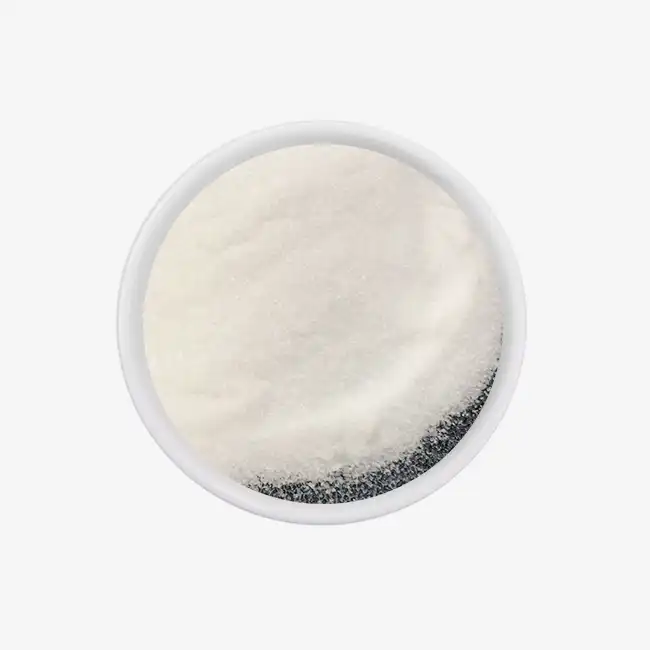
One of the biggest problems that still comes up in modern drills is that the shale isn't stable. This problem can be fixed by drilling solid potassium acetate, which delivers potassium ions that settle reactive clay forms through cation exchange processes. This white crystalline substance (CH3COOK), unlike other chloride-based preservatives, keeps the environment safe while stopping clay from swelling and wellbore failure. The organic acetate anion is better at lubricating and breaking down, which is why it is becoming a more popular choice for operators who have to deal with strict environmental rules and tough natural conditions.
Understanding Shale Instability Problems in Drilling
What Causes Shale Formation Failures?
Shale layers have clay minerals that can expand, such as smectite and montmorillonite, which take in water molecules and hold them in their grid structures. When normal water-based muds come into touch with these formations, they quickly grow up because of the water. This swelling causes mechanical stress that breaks the wellbore wall, which causes sloughing, small holes, and pipe events where it gets stuck. According to research from the Society of Petroleum Engineers, about 70% of wellbore stability problems occur because of shale. This causes billions of dollars in lost productivity every year.
Limitations of Traditional Drilling Fluid Additives
In the past, many drilling companies used potassium chloride or sodium-based inhibitors to control how reactive the shale was. High levels of chloride ions are released by potassium chloride, which can damage downhole equipment and cause environmental problems in digging areas that are sensitive to these issues. Additives based on sodium don't have enough blocking strength for highly reactive rock sequences. Most of the time, these older systems need higher amounts to work properly, which raises the cost of the materials and makes it harder to get rid of them. Environmental laws in North America and Europe now limit the amount of chlorine that can be released into the air. This means that we need to find other chemicals right away.
The Operational Impact of Wellbore Instability
When shale is unstable, it has many effects that keep happening after each other during drilling. Cuttings don't move well because swollen clays build up in the ring. The force and drag on the drill string go up a lot, which speeds up tool wear and slows down the rate of penetration. Operators might have to do more reaming runs or completely change the path of the wellbore. These problems make well building take longer and cost a lot more than planned. When a pipe gets stuck in a deepwater well, it can cost owners up to a million dollars to fix and lose revenue.
The Role of Potassium Acetate in Enhancing Shale Stability
Chemical Structure and Stabilization Mechanism
Potassium acetate (CH3COOK, CAS 127-08-2, molecular weight 98.14), works in two different ways. The potassium cation (K+) trades with the calcium and sodium ions that are already in the clay interlayers. This makes the flexible lattice structure collapse. This cation exchange makes the spaces between clay cells smaller, which stops water molecules from getting in and making the clay grow. At the same time, the acetate anion (CH3COO-) makes a film on clay surfaces that doesn't let water stick to it. In tests done in the lab with sodium bentonite, this joint action stops more than 90% of the spread.
Physical Properties Critical to Drilling Applications
Solid potassium acetate dissolves very easily in water—253 grams per 100 milliliters at 20°C—so it can be mixed quickly and evenly in mud systems. This high solubility gets rid of the hot spots and concentration variations that happen when inhibitors are less soluble. The chemical stays stable at temperatures above 180°C (356°F), which makes it good for high-temperature, high-pressure wells where other inhibitors break down. Its weakly alkaline water solution (pH 7.5–9.0) acts as a natural buffer, which helps keep the mud's chemistry at its best during drilling operations.
Operational Performance Benefits
When compared to chloride systems, drilling activities that use muds based on potassium acetate report friction coefficient decreases of more than 30%. This better lubrication directly leads to lower torque and drag forces, which is very important for horizontal and extended-reach wells. The additive works well with common drilling fluid parts like polymers, weighting agents, and filtration control materials, so it can be easily added to current mud systems without changing their rheological qualities. In field uses, bit life increase of 15–25% has been seen, which cuts down on trips and the time spent not working.
Environmental and Regulatory Advantages
Because organic acetate salts break down naturally, they can be used in places where environmental protection is becoming more important. The chemical doesn't need much organic oxygen and breaks down naturally in both marine and land settings. It meets the OSPAR (Oslo-Paris Convention) standards for operations in the North Sea and other international agreements that are similar. In contrast to chloride ions, acetate breaks down quickly in the environment through metabolic processes in microbes within weeks. This environmental profile lets operators do drilling projects in areas that are sensitive to the environment and where standard mud systems aren't allowed by law.
Comparing Potassium Acetate with Other Drilling Fluid Options
Performance Against Potassium Chloride Systems
Both substances give potassium ions to help clay stay stable, but potassium acetate gets rid of the corrosion issues that come with chloride systems. Testing for corrosion shows that acetate mixtures lower the rate of corrosion in carbon steel to less than 0.03 g/m²·h, compared to 0.15-0.25 g/m²·h for the same chloride amounts. This lower corrosivity makes drill pipe, bottom-hole systems, and casing strings last longer. The lower regularity of equipment repair has big benefits for lifetime costs, even though the acetate additive might cost more at first.
Advantages Over Sodium Acetate Formulations
Sodium acetate has acetate anions but not the important potassium cation that is needed for the clay grid to break down properly. Field studies show that 40–60% higher amounts of sodium acetate are needed to get the same level of inhibition. The potassium ion's ionic radius fits better into clay exchange sites, which makes the stability better. Potassium acetate formulations keep their lower water activity values, which makes it even harder for clay to absorb water through osmotic processes. This difference in performance is especially clear in shales that are high in montmorillonite, which is where suppression needs to be the strongest.
Solid Versus Liquid Formulation Considerations
Drilling solid potassium acetate is easier to use than liquid formate brines and solution-phase additions. The solid powder doesn't crystallize or separate into different phases when it is stored for a long time. Since the compressed solid can be rebuilt on-site to the right density, there is no need to ship water content, which cuts down on transportation costs by a large amount. When compared to drum-packaged liquids, bulk packing in 25 kg woven bags or 1000 kg ton-bags makes managing a warehouse easier and lowers the number of containers that need to be thrown away.
Drilling solid potassium acetate also give you more options for how to buy them. Operators can exactly change concentration levels to meet the reaction of the formation without being limited by the limits of a solution that has already been mixed. With the powder form, you don't have to worry about the solution freezing when you store it or move it through cold areas in the north. These handling traits make the supply chain simpler and increase inventory turnover for drilling workers who are working on multiple projects at the same time.
Practical Guidance on Using Drilling Solid Potassium Acetate
Formulation and Mixing Protocols
To properly incorporate, the crystalline powder must be mixed into the base mud through the mixing bin with enough pressure. Target amounts are usually between 3 and 8 percent by weight, but this depends on how reactive the rock is and how stable the wellbore needs to be. When mechanically stirred, the powder dissolves quickly. After 15 to 20 minutes of constant mixing, it generally dissolves completely. Before they start drilling again, operators should make sure that the mud is spread out evenly by measuring its properties at several points in the operating system.
Optimal Dosage for Different Applications
Shale layers that aren't very reactive do well with 3-5% amounts in high-performance mud systems that are based on water. For effective inhibition, amounts close to 8% may be needed for highly reactive gumbo shales or smectite-rich areas. When drilling horizontally, 4-6% amounts work best because they stabilize the clay while also making the drill bit easier to move over long lateral parts. Higher concentrations—often 15–30%—are used in completion and workover operations to make clear brines with specific gravities up to 1.57 for well control.
Compatibility with Other Mud Additives
Potassium acetate solutions are weakly alkaline, which means they can work with most manufactured and biopolymers that are used to reduce viscosity and fluid loss. In systems that are blocked by acetate, xanthan gum, polyanionic cellulose, and starch derivatives all work properly. The balancing agents barite and iron spread out without clumping or settling. When operators mix standard APIs with specialized additions like high-temperature stabilizers or unusual lost circulation materials, they should do standard API compatibility tests to make sure the rheological stability under downhole temperature and pressure conditions.
Case Evidence from Field Applications
In 15 horizontal wells, a big operator in the Marcellus Shale changed from potassium chloride systems to potassium acetate systems. The acetate mixture cut down on the average number of drilling days needed for each well by 12%. This was mostly due to less time spent reaming and no more pipe getting stuck. Another operator in the North Sea reported a 40% drop in the cost of getting rid of mud because the acetate method was safe for the environment and allowed cuttings to be dumped instead of being transported by ship to land. These real-world results back up what was predicted in the lab and show that the technology can be used commercially in a wide range of geographic settings.
Procurement Insights: Sourcing High-Quality Drilling Solid Potassium Acetate
Quality Specifications and Testing Requirements
High-quality solid potassium acetate should have at least 99.0% CH3COOK content and less than 0.05% water-insoluble matter. Chloride levels need to be closely monitored—usually, levels below 0.2% are needed to fully enjoy the benefits of preventing rusting. The amount of iron in the mud should stay below 0.05% to keep it from turning color and to avoid worries about structure damage. Reliable sellers give full Certificates of Analysis that list all of these factors and show that they were checked by a third-party lab. ISO 9001-certified quality control systems make sure that stability from batch to batch is maintained, which is important for predicting how well something will work downhole.
Evaluating Supplier Reliability and Support
Just-in-time shipping is needed because of drilling plans. If suppliers keep enough safety stock on hand, they can fill pressing orders within 24 to 48 hours, which keeps drilling from being delayed, which costs a lot of money. Production capacity is important. Manufacturers whose yearly output is more than 100,000 tons show that they have the scale to support large drilling operations without worrying about allocation. Having access to technical help is also very important. Customers can talk to suppliers 24 hours a day, seven days a week, and get an answer in less than two hours. This helps drilling teams figure out mud chemistry problems right away, so they don't have to waste time making changes to the recipe.
Packaging and Logistics Considerations
Standard weave bags that hold 25 kg are good for smaller drilling jobs and workovers where daily use is low. Large-scale drilling companies working on multiple wells at the same time can save time and money by using 1000 kg ton-bags instead of boxes. The stability of the solid form makes foreign shipping easier because it doesn't need to be classified as a dangerous material, which makes it harder to move liquid chemicals. For proper keeping, you need dry, well-ventilated spaces that are kept separate from materials that don't go together. However, for many liquid additives, temperature control is much more important.
Why Zhaoyi Chemical Stands Out as Your Drilling Solid Potassium Acetate Supplier
Shanxi Zhaoyi Chemical has been making acetate for more than 30 years and knows how to make it work in tough industrial settings. Our factory can make 150,000 tons of goods every year, so we can keep supplying even when demand rises across the whole industry. The framework for quality control goes above and beyond international standards, and each batch of products is tested thoroughly before being sent out. Our ISO 9001, ISO 14001, and ISO 45001 certifications show that we care about quality, the environment, and safety at work during all stages of the producing process.
What makes our service unique is that we offer full professional help after the product is delivered. Our application engineers work with sourcing teams to make sure that formulas are best for each type of geology. This cuts down on the need for trial-and-error testing in the field. We keep a large safety stock so that we can quickly fill both planned orders and emergency needs. This is especially important when digging plans run into unexpected geological problems. Custom packing solutions can be made to fit the specific needs of the logistics, whether the shipment is in bulk to an offshore station or in containers to a remote place on land. Because of this focus on the customer, long-term relationships have been formed with chemical wholesalers, drilling firms, and oilfield service companies in North America, Europe, and Asia.
Conclusion
Drilling solid potassium acetate has been shown to stabilize shale by exchanging cations effectively. It also has better lubricity and environmental compliance than standard chloride-based systems. There are logistical benefits and formulation freedom with the solid crystalline form that are important for modern drilling operations that have to deal with geological and legal problems that are getting more complicated. Field applications regularly show less time spent on non-productive tasks, longer equipment life, and lower overall well building costs. As rules about the environment get stricter and drilling goals get harder to reach technically, acetate-based inhibitor systems will continue to become more popular. Selecting a reliable supplier with demonstrated quality systems, technical expertise, and supply chain resilience proves as critical as the product chemistry itself for drilling success.
FAQ
How does drilling solid potassium acetate compare in cost to traditional additives?
At first glance, the cost of the material per unit may look higher than that of potassium chloride, but acetate systems are more cost-effective overall. Less instability events mean less time lost from work, fewer equipment replacements due to rust, and lower costs for getting rid of waste in the environment usually make up for the higher material price. Acetate systems are often the only way to do business in areas that are strict on the environment. This means that straight cost differences are less important than following the rules.
What storage and handling precautions are necessary?
Under normal storing conditions, the solid product stays stable. It is important for storage areas to stay dry and have enough air flow to keep things from getting too hot or too wet. Standard procedures for handling chemicals apply. Operators should avoid making dust when opening bags and wear the right safety gear. The material doesn't pose any special risks during travel and doesn't need to be classified as dangerous material for shipping.
Can potassium acetate systems be used in all geological formations?
The addition works well in most rocks that contain shale or clay. Formations that are highly broken or vugular may need extra lost circulatory materials. To control the breakdown of evaporite sequences that contain salt, anhydrite, or gypsum, special mixtures are needed. Talking to skilled mud engineers can help you find the best recipe for the geological conditions in your work area.
Partner with Zhaoyi Chemical for Reliable Drilling Solutions
Zhaoyi Chemical has served the global oil and gas industry since 1988, developing deep expertise in acetate chemistry applications for demanding drilling environments. Our drilling solid potassium acetate combines high-purity formulation—≥99.0% CH3COOK content with chloride levels below 0.2%—with consistent quality backed by ISO certifications and comprehensive batch traceability. We understand that drilling operations cannot afford supply interruptions or performance variability. That's why we maintain substantial inventory, offer expedited delivery arrangements, and provide round-the-clock technical consultation to support your field teams.
Whether you're drilling challenging shale plays, conducting deepwater operations, or managing horizontal well projects, our application engineers help optimize mud formulations for your specific conditions. We invite drilling contractors, oilfield service companies, and chemical distributors to experience the Zhaoyi difference. Contact us at sxzy@sxzhaoyi.com to discuss your requirements, request product samples, or arrange technical consultation. Visit zhaoyichemical.com to explore our complete acetate product portfolio and discover how three decades of manufacturing excellence translates into drilling success.
References
Mahto, V., & Sharma, V. P. (2014). "Rheological Study of Water-Based Oil Well Drilling Fluids." Journal of Petroleum Science and Engineering, 123, 248-258.
Steiger, R. P., & Leung, P. K. (1992). "Quantitative Determination of the Mechanical Properties of Shales." SPE Drilling Engineering, 7(3), 181-185.
Van Oort, E. (2003). "On the Physical and Chemical Stability of Shales." Journal of Petroleum Science and Engineering, 38(3-4), 213-235.
Lal, M. (1999). "Shale Stability: Drilling Fluid Interaction and Shale Strength." Society of Petroleum Engineers Annual Technical Conference Proceedings, Paper SPE 54356.
Anderson, R. L., Ratcliffe, I., Greenwell, H. C., Williams, P. A., Cliffe, S., & Coveney, P. V. (2010). "Clay Swelling—A Challenge in the Oilfield." Earth-Science Reviews, 98(3-4), 201-216.
Downs, J. D. (2006). "Drilling and Completion Fluids." Encyclopedia of Hydrocarbons, Volume II: Refining and Petrochemicals, Italian National Petroleum Company, Rome, 453-475.

USER EVALUATE
Here is the customer's evaluation of us