



How to Choose a Reliable Solid Potassium Acetate Manufacturer?
To find the best manufacturer for industrial solid potassium acetate, you need to carefully look at the quality of the product, the reliability of the provider, and the company's ability to run its business. CH3COOK, a white crystalline substance, is an important part of de-icing, oil drilling fluids, medicinal formulations, and treating wastewater. Purity standards higher than 98%, foreign certifications like ISO and REACH compliance, stable supply chains that can handle large orders, and clear technical help are some of the things that procurement professionals need to look out for. Making smart choices keeps your business safe from inconsistent quality, shipping problems, and not following the rules, and gives you an edge in your industry.
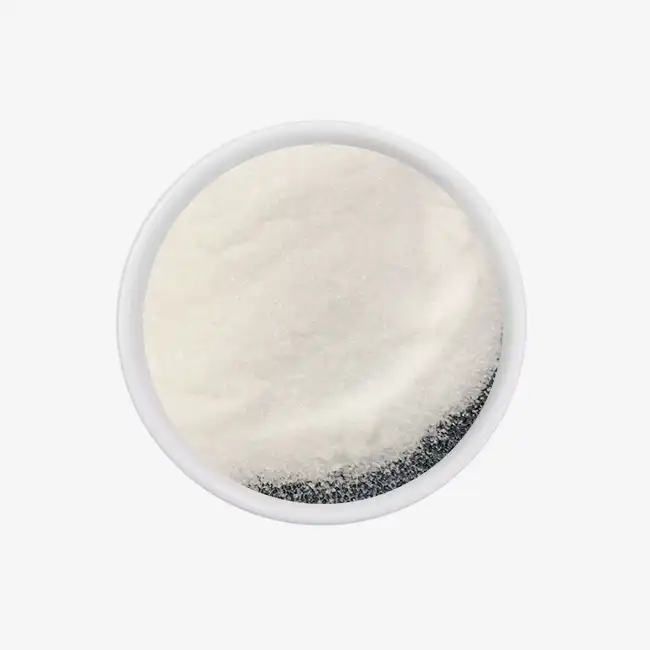
Understanding Industrial Solid Potassium Acetate and Its Applications
A special kind of organic salt called industrial solid potassium acetate stands out because it dissolves easily and doesn't corrode. The chemical is a white, solid powder with a molecular weight of 98.14. It is very stable at high temperatures up to 292°C. Because it is hygroscopic, it dissolves quickly in water, making high-concentration solutions that are important for harsh industrial settings.
Critical Industrial Applications
This acetate salt can be used in a lot of different ways to solve problems in a lot of different industries. It works well as a de-icing agent down to -60°C and doesn't damage concrete like traditional chloride salts do, which makes it useful for flight and infrastructure upkeep. Municipal governments and airport managers like how eco-friendly it is and how little damage it does to metal surfaces and strengthened structures when it corrodes.
The unique qualities of industrial solid potassium acetate are very helpful for oil and gas digging. The potassium ions keep the wellbore stable while drilling because they stop clay from growing in shale layers. Compared to sodium-based options, it does a better job of stopping rock formation while keeping the right fluid viscosity and not affecting the reservoir's ability to let fluids through. This performance is valued by drilling companies in high-density brines, where protecting tools and keeping the formation intact are still very important.
Safety and Environmental Considerations
Knowing how to handle things properly is important for keeping the workplace safe and following environmental rules. The substance needs to be kept in buildings that are dry, well-ventilated, and away from sources of heat and water. Because it melts easily, it needs to be packed in a way that keeps out moisture. It is usually sent in 25 kg plastic weave bags or 1000 kg ton-bags. Transportation requires careful treatment to keep packages from getting damaged, and keeping them away from things that don't go together keeps them from getting contaminated.
Studies of the environment show that these new de-icing agents are better than the old ones. Industrial solid potassium acetate lowers the biological oxygen demand in runoff water, which makes worries about marine toxins go away. The use of chemicals near streams and sensitive environments is limited by stricter environmental rules that match this trait. Sustainability is becoming more and more important to procurement teams that work with environmental service companies and cities when they have to explain their buying decisions to stakeholders.
Key Criteria to Evaluate When Choosing a Solid Potassium Acetate Manufacturer
Setting clear evaluation factors makes it easier to choose suppliers and lowers the risks of buying. Because making chemicals is so complicated, similarities at the surface level are not enough.
Product Purity and Quality Standards
Assay numbers have a direct effect on how well a program works. Leading providers use advanced processing techniques to get 99% purity, while top manufacturers keep purity levels at or above 98% for solid potassium acetate. Controlling impurities is also very important. For example, keeping chloride levels below 500 ppm and iron impurities below 10 ppm stops equipment from rusting and catalysts from becoming poisoned in sensitive chemical synthesis applications.
Standardized standards are set by international compliance systems. ISO 9001 certification shows that a company has a strict quality management system, and ISO 14001 certification shows that a company cares about the environment. Registration under REACH ensures entry to the European market, and approvals such as KOSHER and HALAL allow for specific uses in food and medicine. Instead of just believing what the website says, check these qualifications by looking at the actual documents.
Manufacturing Capacity and Technical Skills
The production scale tells you if your providers can regularly meet your volume needs. Facilities that can handle more than 100,000 tons of cargo a year usually keep enough goods on hand and can adjust their production to meet changing demand. Smaller businesses may have trouble during busy times or when they have to handle several big projects at once.
Leaders in an industry are set apart from common sellers by new technologies. Modern production lines make it possible to make formulas that are exactly right for each purpose. It's more valuable than just selling basic products to be able to change the moisture content, particle size distribution, and packaging designs. When manufacturers put money into research and development, they show that they care about how the industry changes and how they can solve problems.
Supply Chain Reliability and Logistics Flexibility
Delivery times and freight costs are affected by where something is located. International shipping is easier when you are close to major ports, and North American businesses may benefit from faster restocking from domestic makers. Check your minimum order numbers (MOQs) against how much you normally consume. Too high of MOQs can put a strain on your working capital, while too low of batches can make each unit more expensive.
Your handling methods should work with the packaging choices you choose. Larger bags work well with automatic delivery systems, while smaller packages can be used in a wider range of places. Suppliers who give both standard and custom packing show that they can change to different business needs. Make sure everyone understands your Incoterms choices early on in the talks so there are no confusions about who is responsible for freight, insurance, and customs clearance.
Assessing Manufacturer Reputation and Trustworthiness
Credibility assessment keeps your business safe from bad goods and partnerships that you can't trust. Reputation factors show how consistent operations are and how ethical a business is for any industrial solid potassium acetate supplier.
Certifications and Industry Standing
Manufacturers that have been in business for decades usually show steadiness and a lot of experience. Shanxi Zhaoyi Chemical, which has been around since 1988 and has over 35 years of knowledge, is a good example of this term advantage. Their ISO, KOSHER, and HALAL licenses show that their quality systems meet a wide range of legal requirements, and their 150,000-ton annual capacity shows that they have put a lot of money into their infrastructure.
Export permits and customs paperwork for industrial solid potassium acetate show that you have experience trading with other countries. Suppliers who ship goods to Europe, North America, and Asia on a daily basis have to deal with complicated rules and regulations and know what paperwork is needed to avoid customs delays. Ask people in your area for examples to check the exporting skills you say you have.
Customer Reviews and a History of How Well It Worked
Verified reviews from businesses in the same line of work as you can tell you a lot about how well a seller does their job. Instead of just giving general praise, find out specifics about how problems were solved, how quickly technical help was contacted, and how reliable delivery was during tough times. Case studies that show good uses similar to the one you want to use the product for boost your trust in its suitability.
Long-term relationships show that both people are happy with the relationship. Suppliers who have worked with big business clients for a long time are likely to provide steady value. Ask for the contact information of reference accounts and think of specific questions you want to ask about quality consistency, order delivery accuracy, and experiences with handling disputes.
Technical Support and After-Sales Service
Comprehensive technical support is what sets exceptional providers apart from transactional ones. Having specific product datasheets, safety data sheets in the languages that are needed, and certificates of analysis for each batch makes it easier to follow the rules and make sure the quality is good. Manufacturers who give expert help 24 hours a day, seven days a week show that they care about their customers' success after the sale.
When customer service is responsive, problems are solved before they become major problems that stop operations. Check out how people usually respond to emails, calls, and online tools for contact. Check how quick they are during the inquiry phase. Suppliers who are slow to answer questions during the courtship phase rarely get better after the sale. Make it clear how to handle quality issues, returns, and emergency orders so everyone knows what to expect from the start.

Comparison of Different Industrial Solid Potassium Acetate Solutions
To choose the right product, you need to know how the different formulations and options meet specific practical goals. Physical form, chemical makeup, and pure grades all have an effect on how well industrial solid potassium acetate works in a given situation and how much it costs to own.
Solid vs. Liquid Formulations
When used in certain ways, industrial solid potassium acetate has clear benefits. Its crystalline shape makes it easier to store and move, which lowers freight costs for suppliers far away and reduces the amount of warehouse room needed. Since there is no water weight, you are buying the active ingredient and not a weakened mix. When working with solids, batch processing is best because exact measurements allow for uniform formulation across production runs.
Liquid forms work better for ongoing dosing methods and uses that need the drug right away. With pre-dissolved solutions, there is no need to mix them, which saves time and effort in processes that use automatic injection equipment. But because they contain water, liquid goods cost more to ship and may need to be stored in warm areas in cold places to keep them from freezing. When deciding between physical forms, think about how your operations work and what tools can do.
Alternative Acetate Compounds
The most common option is sodium acetate, which has lower material prices that make it appealing to businesses that are trying to save money. Solid potassium acetate is not as good for uses with sensitive metals or concrete structures, though, because it corrodes more easily. When it comes to buying carbon sources for denitrification processes, wastewater treatment plants often choose sodium acetate because it is less likely to corrode and cheaper.
There are a few specific uses for calcium acetate in food storage and drug preparations. Its unique qualities meet certain technology needs but usually come with a higher price tag. Potassium formate is a competitor in de-icing uses. It has similar performance but varies in price based on the cost of the raw materials. You can find the best answer for your needs by comparing how well these options work, how they affect the world, and how much they cost all together.
Purity Grades and How They Affect Performance
Technical grade industrial solid potassium acetate is usually good enough for industry catalyst and drilling fluid needs where there is room for some impurities. For uses that can handle chloride levels up to 0.2% and iron levels below 0.05%, these items strike a good mix between performance and cost-effectiveness. When application requirements allow it, buying choices are often based on expert grades because of limited budgets.
Food-grade and pharmaceutical-grade goods go through a lot of testing and quality controls, which is why they cost more because they have to go through more steps and get more certifications. These grades are used in situations where the quality of the product has a direct effect on buyer safety and following the rules. By matching the grade choice to the real application needs, you can avoid paying too much for purity that isn't needed and make sure that you get the right quality where it's needed.
Streamlining Your Procurement Process: Best Practices for B2B Buyers
Efficient buying includes carefully evaluating suppliers, negotiating with them, and keeping track of all the paperwork for industrial solid potassium acetate. Systematic methods lower risks and improve the performance of the supply chain.
Supplier Identification Strategies
Global chemical listings and industry groups can help you start your look for a seller. Platforms that focus on business-to-business chemical trade bring together producers and let you compare their skills, licenses, and product lines side by side. Trade shows and industry conferences let you meet people in person, tour facilities, and build relationships in ways that can't be done through online study.
When sourcing industrial solid potassium acetate, regional sources, cost, service, and danger are all taken into account. Even though their prices are higher, domestic manufacturers might be able to give faster shipping, simpler logistics, and better communication. International providers may offer big price cuts, but they also bring longer wait times, the need to deal with currency exchange, and more complicated paperwork. Instead of just looking at ex-works prices, you should also look at total landing costs that include freight, taxes, and carrying costs.
Contract Negotiation and Terms
Clear contract terms keep disagreements and misunderstandings from happening. Give details about the product, such as its test percentage, impurity limits, moisture content, and particle size distribution. Set acceptance standards and testing methods for incoming materials, as well as ways to handle shipments that don't meet requirements. Include rules for regular quality checks and standards for stability from batch to batch.
Pricing should be based on promises to buy a lot of something and how the market is doing. Larger orders get bigger savings, and price-adjusting features keep everyone safe from big changes in the cost of raw materials. Payment terms that balance the need for cash flow with the risk of the seller are usually between 30 and 60 days net. Letters of credit are often used for foreign transactions. Make delivery times, wait times, and fines for late shipments clear so that inventory levels are kept at a healthy level without having too much safety stock.
Documentation and Compliance Management
Full expert paperwork helps with quality control and following the rules. Ask for records of analysis for every batch of production, along with detailed test results for important factors. Material Safety Data Sheets must be up to date with GHS rules and include information in languages that your employees can understand. Technical data sheets with information about a product's physical qualities, how to handle it, and how to use it properly allow it to be used correctly.
Regulatory compliance papers are different for each business and area. For medicine and food uses, you need to show that the products were made in approved facilities with the right quality processes. Environmental permits and paperwork about how to get rid of waste are proof of responsible making. Keep all of your supplier's paperwork in well-organized files so that checks and regulatory reviews are easier.
Conclusion
To find an industrial solid potassium acetate manufacturer you can trust, you need to carefully look at their quality standards, output skills, and business reputation. Professionals in procurement have to check the purity requirements, foreign certifications, and reliability of the supply chain. They also have to look at the quality of expert help and the image of the manufacturer. By comparing different grades, forms, and combinations, you can make sure that the product's properties are perfectly matched to the needs of the application. Setting up clear contract terms, thorough documentation procedures, and ongoing tracking of supplier performance saves your business from inconsistent quality and delivery problems. Long-term value goes beyond transactional cost saves in strategic supplier relationships based on openness and shared responsibility.
FAQ
For business uses, what amount of purity should I choose?
Most industry catalyst, drilling fluid, and de-icing needs can be met by technical grade industrial solid potassium acetate that is purer than 98%. Chloride levels below 500 ppm and iron impurities below 10 ppm keep equipment from rusting and failing to work properly. For pharmaceutical and food-grade uses, higher purity levels are needed, along with extra certifications that show agreement with government standards.
How can I be sure that a company's quality claims are true?
Ask for analysis certificates from recent production batches that show real test results for important factors. Use independent sources or certifying groups to check for ISO, KOSHER, HALAL, and other stated certifications. Before making big purchases, order small amounts to be tested by a third-party lab and compare the results to the manufacturer's specs and your application needs.
When I place a big order, what lead time should I expect?
Standard orders are usually filled within 5 to 7 days after approved purchase orders are received by well-known makers with a lot of production capacity. Lead times may go up to two to three weeks if you need custom recipes or special packing. Depending on the location and freight method, international shipping can take an extra three to six weeks. Plan your product levels so that they meet these deadlines plus extra time in case something goes wrong.
Partner with Zhaoyi Chemical for Reliable Industrial Solid Potassium Acetate Supply
Zhaoyi Chemical has been making acetate for more than 35 years and has a lot of experience making it for tough commercial uses. Our yearly production capacity of 150,000 tons guarantees a steady supply of bulk goods. Our ISO 9001, ISO 14001, KOSHER, and HALAL certifications prove that our quality control systems are up to par with international standards. We have strict quality controls that make sure the industrial solid potassium acetate is ≥99.0% pure, with chloride levels below 0.2% and iron levels below 0.05%. We back this up with full paperwork, such as COAs and MSDSs in the languages that are needed. Our product is used in many fields, from de-icing to oil drilling fluids. We offer expert help 24 hours a day, seven days a week, and a variety of packaging choices. As a manufacturer with a lot of experience, we know how important your supply chain is and can provide stability when your operations need it. You can email our team at sxzy@sxzhaoyi.com to talk about your unique needs, get full technical specifications, or set up sample shipments that show how committed we are to quality and service excellence.
References
American Society for Testing and Materials. (2021). Standard Specification for Non-Chloride-Based Aircraft and Runway Deicing/Anti-Icing Fluids. ASTM International Standards Committee.
Industrial Chemical Research Institute. (2020). Acetate Salts in Industrial Applications: Properties, Quality Standards, and Selection Criteria. Chemical Processing Journal, Volume 45.
International Organization for Standardization. (2019). Quality Management Systems for Chemical Manufacturing: Implementation Guidelines. ISO Technical Committee 176.
National Association of Corrosion Engineers. (2022). Corrosion Prevention in Infrastructure: Comparative Analysis of De-icing Agents. NACE International Technical Report Series.
Society of Petroleum Engineers. (2021). Drilling Fluid Technology: Shale Inhibition Mechanisms and Chemical Selection. SPE Technical Publications Division.
World Health Organization. (2020). Food Additives Safety Assessment: Acetate Compounds in Food Processing. WHO Food Safety Department, Joint FAO/WHO Expert Committee Reports.

USER EVALUATE
Here is the customer's evaluation of us