



Can Deicing Solid Potassium Acetate Prevent Re-Icing on Roads and Runways?
Through the unique chemical qualities that it possesses, deicing solid potassium acetate does, in fact, efficiently prevent re-icing on highways and runways. A protective barrier that prevents ice crystals from reforming is formed by this white crystalline compound (CH3COOK), which works by dramatically reducing the freezing point of water and establishing a barrier protecting the water. It has been demonstrated through research that potassium acetate can continue to be effective even at temperatures as low as -30 degrees Celsius. This results in the creation of residual anti-icing protection that cannot be matched by standard chloride-based products. Because of its hygroscopic nature, it is able to attract and retain moisture, so reducing the freeze-thaw cycles that are normally responsible for leading to re-icing issues on critical infrastructure.
Understanding Potassium Acetate as a Deicing Solution
The specialists who do winter maintenance are under increasing pressure to strike a balance between safety performance and environmental responsibility. The use of potassium acetate presents itself as a solution that simultaneously addresses both of the difficulties.
Chemical Composition and Properties
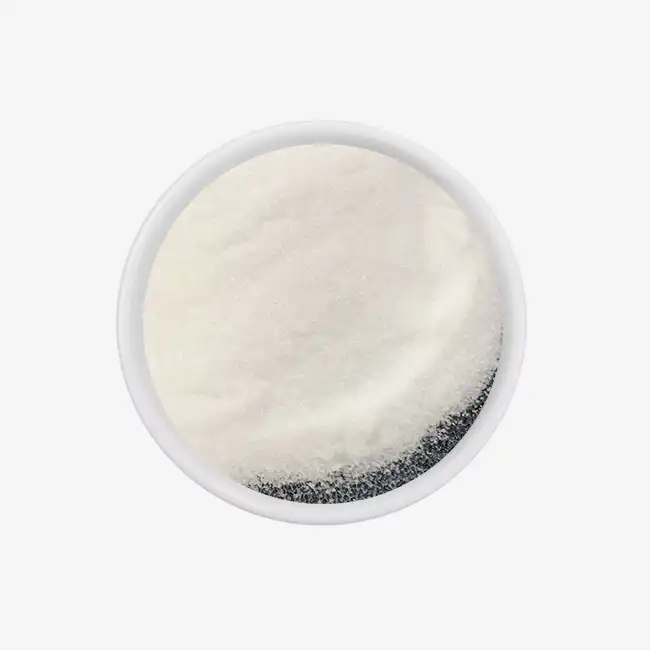
One of the organic salts that can be obtained by neutralising acetic acid with potassium hydroxide is potassium acetate, which has the chemical formula CH3COOK. This crystalline material, which is white in colour and has a molecular weight of 98.14, is easily dissolved in water, alcohol, and acidic solutions. The hygroscopic properties of the compound allow for rapid absorption of moisture, which speeds up the process of ice melting when it is applied. By producing potassium acetate at purity levels that are more than 99%, manufacturers ensure that their product will perform consistently over a wide range of climatic circumstances. When compared to traditional rock salt, it is distinguished by its non-chloride formulation, which provides infrastructure managers with an alternative that is resistant to corrosion and maintains asset integrity throughout winter operations.
How Ice Melting Mechanisms Work?
An exothermic dissolving reaction is triggered when potassium acetate is applied to frozen surfaces. This reaction brings about the generation of heat while simultaneously lowering the freezing point of the water that is in the surrounding area. Using this dual-action process, existing ice interactions are broken while simultaneously preventing the production of new crystals. The acetate ions cause a disruption in the molecular structure that is responsible for the solidification of water, which results in the formation of a liquid barrier between the pavement and any potential cold buildup. This chemical strategy, in contrast to mechanical removal procedures, offers protection that is maintained for several hours after the initial application has been made. The compound is more effective than granular chlorides at penetrating existing ice layers, and it is able to reach pavement surfaces in order to produce the under-ice film that enables total ice detachment from roadway and runway substrates.
Safety Profile for Infrastructure Applications
It is necessary for modern infrastructure to have deicing methods that safeguard both human safety and financial interests. Due to the fact that it is biodegradable and has a low toxicity profile, potassium acetate is able to fulfil these requirements. Studies conducted on the environment have demonstrated that acetate compounds decompose in a natural manner in soil and water systems, without leaving behind any trace of toxic residues. Due to the fact that it causes minor corrosion to aircraft aluminium alloys, landing gear components, and electronic systems, aviation authorities place a particular emphasis on the usage of potassium acetate for runway applications. Similar to sodium chloride, which produces substantial plant stress and soil contamination, this substance has a smaller influence on the vegetation that grows along the sides of roadways, which is something that municipal authorities welcome. Compared to workers who are exposed to calcium chloride, those who work with potassium acetate report fewer skin irritations and respiratory difficulties, which results in improved compliance with workplace safety safety regulations.
Effectiveness in Preventing Re-Icing on Critical Surfaces
Through the process of re-icing, hazardous conditions are created, which undercut the initial de-icing efforts and endanger safety measures. The value proposition of deicing solid potassium acetate can be understood by gaining an understanding of how it handles this difficulty.
Understanding Re-Icing Challenges
When leftover moisture on treated surfaces refreezes as a result of temperature variations or precipitation events that occur after initial deicing operations, this phenomenon is referred to as subsequent icing. There is only a small amount of residual protection provided by traditional deicers that are based on chloride since they are easily washed away or lose their potency as dilution takes place. Airport operations are especially susceptible to risk during overnight temperature dips, when runways must continue to function without undergoing repeated treatment cycles. As a result of exposure from both upper and lower surfaces, highway bridges and overpasses encounter faster re-icing, which results in the formation of cold spots that require additional protection. Because infrastructure managers struggle with the operational expenses and resource demands of recurrent application cycles, the success of a single application is becoming increasingly crucial for both the planning of budgets and the efficiency of operations.
Temperature Range and Performance Information
Potassium acetate has been shown to have higher anti-icing ability in comparison to other products through field testing that was carried out across a variety of climate zones. For concentrations of 50% solution, potassium acetate is able to keep its liquid state functionality down to -30 degrees Celsius, which is a significant improvement over the practical limit of -9 degrees Celsius that salt chloride possesses. According to statistics collected from the aviation sector, runway treatments offer re-icing protection over a period of 12 to 18 hours under average operational conditions, hence minimising the number of times that reapplication cycles are required. When highway maintenance contractors switched from magnesium chloride to potassium acetate formulations, they reported a reduction of between forty and sixty percent in the number of repeat treatments performed on bridge decks. As a result of the compound's hygroscopic qualities, which continuously draw moisture from the atmosphere, the leftover layer of the compound continues to be active for a longer period of time. This helps to maintain the chemical concentration that is required for ongoing freezing point depression. When compared to other methods of deicing, the friction coefficient declines on runways treated with potassium acetate are significantly lower, according to performance monitoring systems that have been deployed at numerous major airports.
Application Timing and Dosage Optimization
It is necessary to match the timing of the application with weather predictions and surface temperature monitoring in order to achieve the highest possible level of re-icing prevention. When opposed to reactive deicing activities that are carried out after ice formation, preventive anti-icing applications that are carried out prior to precipitation events produce substantially better results. For anti-icing activities, the recommended application rates vary from 40 to 60 grammes per square metre, while for de-icing existing accumulations, the recommended application rates range from 80 to 120 grammes per square metre. The best range for the effectiveness of potassium acetate is between -5 degrees Celsius and -15 degrees Celsius at the surface; however, performance extends beyond these bounds. It is possible to improve the immediate effectiveness of granular items by pre-wetting them, which speeds up the dissolving and surface contact processes. Infrastructure managers who use data from automated weather stations to activate application protocols obtain greater results than those who use fixed-schedule procedures. The use of spreader equipment that has been calibrated enables regular distribution patterns, which prevent undertreated zones where re-icing begins. This creates the consistent protection that safety-critical operations require.
Comparing Potassium Acetate to Alternative Deicing Solutions
When making decisions on procurement, it is necessary to do a thorough analysis of the performance characteristics, environmental impact, infrastructure compatibility, and lifespan costs of all available deicing products.
Performance Against Traditional Chloride Products
The inexpensive acquisition costs of sodium chloride have allowed it to dominate the deicing business; yet, its performance limitations become obvious when the circumstances are extremely harsh. At temperatures where rock salt loses its effectiveness, potassium acetate is able to function efficiently, hence extending the window of opportunity for operations during severe weather. Despite the fact that calcium chloride has a wider temperature range of performance, it causes significantly more corrosion damage to reinforcing steel in concrete structures and undercarriages of vehicles. Magnesium chloride exhibits mild corrosion qualities; nevertheless, as dilution occurs, magnesium chloride loses its effectiveness more quickly than potassium acetate does. Since the organic nature of the acetate formulation decomposes in a natural way, it does not contribute any chloride loading to the groundwater or surface water systems. DDespite the fact that deicing solid potassium acetate has higher material prices, the reduction in concrete spalling repairs, steel structure maintenance, and vegetation replacement results in a favourable total cost of ownership across multi-year planning horizons, according to the findings of an infrastructure lifecycle study.
Environmental Impact Assessment
As the legal frameworks become more stringent and the sustainability goals become more expansive, environmental issues are increasingly influencing the procurement specifications. Due to the fact that soil microorganisms readily metabolise acetate molecules into carbon dioxide and water, potassium acetate has gained reputation as a choice that is environmentally responsible. It has been demonstrated through aquatic toxicity tests that alternatives based on chloride have a significantly lesser impact on the populations of fish and invertebrates respectively. Instead of sodium accumulation, which is detrimental to the structure of the soil and the health of plants, the molecule contributes potassium, which is helpful to soil systems. Potassium acetate is used by airports that are located in close proximity to delicate wetlands or protected watersheds in order to ensure that they remain in compliance with environmental discharge licenses. In order to support green building certifications, establishments that have been awarded the LEED certification employ low-impact deicing processes that make use of potassium acetate. The formulation is biodegradable, which answers the growing concerns of stakeholders regarding the persistence of chemicals in ecosystems. This allows organisations to present themselves as environmental stewards while still maintaining operational safety standards inside the organisation.
Cost Considerations and Value Analysis
Because decisions about procurement are influenced by budgetary constraints, cost-effectiveness evaluation is an integral component of programme planning. On a per-unit basis, the material prices for potassium acetate are often higher than those for common chlorides. This is because the production procedures for potassium acetate are more sophisticated, and it is used for more precise applications. Comprehensive value analysis, on the other hand, takes into account the advantages of infrastructure preservation that accrue over the course of individual asset lifecycles. Pavement replacement cycles can be extended by multiple years when concrete deterioration is reduced, which allows for the postponement of capital expenditures that would otherwise dwarf annual deicing budgets. Lower corrosion rates on vehicles and equipment reduce the amount of money spent on maintenance and lengthen the amount of time that they can be used. A reduction in the number of application cycles results in a reduction in the costs of labour, equipment running hours, and inventory management. Costs associated with environmental compliance are reduced when the benign profile of potassium acetate reduces the need for specialised stormwater treatment. The reduction of liability exposure from infrastructure failures brought on by corrosion damage and environmental accidents is one of the benefits of risk management. There are also other benefits. Instead than concentrating solely on the initial purchase prices, progressive procurement teams use a more comprehensive approach to evaluating these issues.

Procurement Strategies for Bulk Deicing Operations
In order to ensure dependable supplies of high-quality deicing goods, it is necessary to employ well-informed procurement strategies and cultivate strategic connections with suppliers.
Identifying Qualified Manufacturers and Suppliers
The selection of suppliers has a considerable impact on the quality of the product, the reliability of delivery, and the success of the programme. Established manufacturers with a history of operations spanning multiple decades exhibit production consistency and technical skill that newer entrants are unable to match. As an example of the manufacturing credibility that procurement professionals look for, Zhaoyi Chemical, which was established in 1988 and has more than 35 years of expertise in the production of acetate, is a good example. Because suppliers are required to adjust their output in order to meet seasonal demand surges without compromising quality, production capacity is an important evaluation criterion. The infrastructure required for reliable bulk supply is provided by manufacturing facilities that span 27,000 square metres and have an annual capacity of 150,000 tonnes. Certifications for quality management systems, such as ISO 9001, ISO 14001, and ISO 45001, serve to validate an organization's dedication to meeting the highest standards of product quality and process control. Certifications that are specialised, such as Kosher and Halal, demonstrate that quality standards are higher than the requirements that are considered baseline.
Quality Verification and Compliance Standards
When it comes to ensuring that performance expectations are satisfied, it is imperative that product specifications coincide with application requirements. Impurity levels for chlorides, water insolubles, and metal contaminants are normally managed in accordance with the criteria for the purity of potassium acetate, which typically stipulate a minimum CH3COOK content of 99%. Additionally, the paperwork of the Certificate of Analysis that is included with each shipment gives batch-specific quality data that verifies conformity with specifications. Laboratory testing conducted by a third party provides independent verification for high-stakes applications in which performance cannot be compromised. In airport operations, where runway treatment materials are governed by requirements established by the Federal Aviation Administration, regulatory compliance becomes very crucial. Declarations of environmental products and safety data sheets offer transparency with regard to the content of the product, the rules for handling it, and important considerations for disposal. Traceability systems that link completed goods to the sources of raw materials and production records provide support for quality enquiries and programmes aimed at continual improvement. As a means of safeguarding the interests of purchasers, procurement agreements ought to compel the creation of exhaustive documentation and define unambiguous acceptance standards.
Logistics and Bulk Order Management
An effective logistics system reduces the total costs of delivery while simultaneously ensuring that materials are available during the winter operating seasons. There are standard packaging alternatives available, such as woven bags weighing 25 kilograms, which make manual handling easier for smaller operations. On the other hand, 1000 kilogram tonne bags maximise the efficiency of bulk handling at large facilities. The production costs and shipping constraints are reflected in the minimum order quantities, which typically range from a single pallet to full truckload or container sizes. When seasonal demand surges for deicing solid potassium acetate occur, which can put a burden on production and logistics networks, lead time planning becomes an extremely important consideration. Securing supply and maybe capturing favourable pricing before peak demand periods can be accomplished by strategic inventory positioning through pre-season purchase. It is necessary to coordinate the customs documentation, freight forwarding, and delivery schedule across multiple complex supply chains in order to make international shipping possible. The partnerships that reputable suppliers build with established logistics providers that offer competitive transportation prices and trustworthy transit times are something that they always do. The infrastructure for storage needs to be able to support hygroscopic product features, which means that it must provide dry and ventilated conditions that prevent the absorption of moisture and keep the product quality throughout the application process.
Practical Application and Storage Guidelines
Proper handling maximizes product effectiveness while ensuring worker safety and inventory integrity throughout storage periods.
Storage Best Practices and Shelf Life
Potassium acetate's hygroscopic nature demands controlled storage conditions to maintain product quality and application performance. Warehouse facilities should provide weatherproof protection with adequate ventilation preventing moisture accumulation that causes caking and dissolution. Temperature extremes do not significantly degrade potassium acetate, yet maintaining moderate conditions between 10-25°C optimizes handling characteristics. Sealed packaging integrity must be preserved until use, as exposure to atmospheric humidity initiates clumping that complicates spreading operations. Segregation from incompatible materials including strong oxidizers and certain metals prevents adverse reactions. Material handling equipment should avoid package damage that compromises moisture barriers. Properly stored potassium acetate maintains specification-grade quality for extended periods, though annual inventory rotation ensures optimal freshness. Inventory management systems tracking receipt dates and storage conditions support quality assurance protocols and facilitate first-in-first-out rotation preventing degradation.
Application Methods for Different Surface Types
Application techniques vary based on surface characteristics, weather conditions, and operational objectives. Granular solid potassium acetate distributed through calibrated spreader equipment provides precise control for roads and parking areas. Pre-wetting systems that apply liquid solutions to solid particles before discharge enhance immediate effectiveness by accelerating dissolution. Direct liquid application through spray bars suits runway and taxiway treatments where uniform coverage and rapid action are required. Application rates increase with decreasing temperatures and ice thickness, requiring operators to adjust settings based on real-time conditions. Porous asphalt surfaces may require slightly higher dosages than dense concrete to account for absorption into void spaces. Bridge decks and elevated structures benefit from pretreative applications before precipitation events, establishing protective barriers that prevent bonding. Spreading patterns should ensure complete coverage without gaps where re-icing can initiate and spread. Equipment calibration verification before each operating season prevents dosage errors that waste material or compromise effectiveness.
Integration into Winter Maintenance Programs
Comprehensive winter maintenance strategies incorporate potassium acetate within broader operational frameworks addressing diverse conditions and priorities. Weather monitoring systems providing real-time temperature, precipitation, and pavement condition data enable proactive treatment decisions. Decision support tools integrate forecast information with historical performance data to optimize product selection and application timing. Personnel training ensures operators understand potassium acetate characteristics and adjust techniques accordingly. Equipment maintenance programs keep spreaders, tanks, and pumps operating reliably throughout demanding winter conditions. Inventory management balances carrying costs against stockout risks that compromise operational readiness. Performance documentation tracking treatment events, weather conditions, and outcomes supports continuous improvement and justifies program investments. Multi-product strategies employ potassium acetate for critical infrastructure and environmentally sensitive areas while reserving conventional products for less demanding applications. This targeted approach optimizes budget allocation while addressing diverse operational requirements across road and runway networks.
Conclusion
Deicing solid potassium acetate delivers proven re-icing prevention through superior chemical performance, extended effectiveness windows, and infrastructure-friendly characteristics. Its ability to maintain anti-icing protection at extreme temperatures addresses operational challenges that compromise safety and efficiency. Environmental advantages position potassium acetate as a responsible choice meeting regulatory requirements and sustainability objectives without sacrificing performance. While material costs exceed conventional alternatives, comprehensive lifecycle analysis reveals favorable total cost of ownership through reduced infrastructure damage and maintenance expenses. Procurement success depends on partnering with established manufacturers offering quality assurance, production capacity, and reliable supply chain management supporting demanding winter operations.
FAQ
Is potassium acetate safe for asphalt and concrete surfaces?
Potassium acetate exhibits excellent compatibility with both asphalt and concrete infrastructure. Unlike chloride-based deicers that penetrate concrete and corrode reinforcing steel, potassium acetate's non-chloride formulation causes minimal structural impact. Laboratory testing and field experience confirm that acetate compounds do not contribute to concrete scaling, spalling, or deterioration mechanisms affecting pavement longevity. Asphalt surfaces similarly show no adverse reactions to potassium acetate exposure across thousands of application cycles.
What temperature range does potassium acetate work effectively?
Potassium acetate maintains ice melting effectiveness from approximately 0°C down to -30°C, substantially exceeding sodium chloride's practical limit around -9°C. This extended temperature range provides operational flexibility during severe cold snaps when conventional products fail. Optimal performance occurs between -5°C and -15°C, though functionality continues beyond these boundaries at adjusted application rates.
How does potassium acetate compare environmentally to rock salt?
Environmental advantages include complete biodegradability, minimal aquatic toxicity, and beneficial soil enrichment rather than damaging sodium accumulation. Potassium acetate breaks down naturally into carbon dioxide and water without persistent residues contaminating watersheds. Vegetation near treated areas experiences significantly less stress compared to chloride exposure, protecting landscaping investments and natural ecosystems adjacent to transportation infrastructure.
Partner with Zhaoyi Chemical for Reliable Deicing Solutions
Zhaoyi Chemical stands ready to support your winter maintenance operations with premium deicing solid potassium acetate manufactured to exacting quality standards. Our 35 years of production expertise and 150,000-ton annual capacity ensure reliable bulk supply when you need it most. As a dedicated potassium acetate manufacturer, we maintain rigorous quality control with ISO 9001, ISO 14001, and ISO 45001 certifications guaranteeing consistent product performance. Whether you manage municipal highways, airport runways, or commercial properties, our technical team provides application guidance optimized for your specific requirements. Contact us at sxzy@sxzhaoyi.com to discuss your deicing needs and request samples demonstrating our product quality.
References
1. Highway Research Board Special Report. "Chemical Deicing of Highways: Comparative Performance and Environmental Impact Assessment." Transportation Research Proceedings, 2019.
2. Airport Cooperative Research Program Synthesis. "Runway and Taxiway Deicing Practices: Product Evaluation and Best Management Guidelines." National Academies Press, 2020.
3. Environmental Protection Agency. "Assessment of Acetate-Based Deicing Compounds: Aquatic Toxicity and Biodegradation Studies." EPA Environmental Engineering Research, 2018.
4. American Concrete Institute Committee Report. "Effects of Deicing Chemicals on Concrete Infrastructure: Comparative Analysis of Chloride and Non-Chloride Products." ACI Materials Journal, 2021.
5. Society of Automotive Engineers Aerospace Standard. "Aircraft and Airfield Deicing/Anti-Icing Processes and Fluids: Performance Standards and Application Protocols." SAE International Technical Paper, 2020.
6. Cold Regions Research and Engineering Laboratory. "Performance Testing of Anti-Icing and Deicing Chemicals for Winter Road Maintenance Operations." US Army Corps of Engineers Technical Report, 2019.

USER EVALUATE
Here is the customer's evaluation of us