



Why Airports Prefer Chloride-Free Potassium Acetate for Runway De-Icing
For winter flights, runway deicing systems must be dependable, effective, and safe. These systems must also protect both the health of the environment and the aeroplane. More and more airports in North America and Europe are using airport runway solid potassium acetate, an organic salt that doesn't contain chloride and fixes important operating problems without putting safety or infrastructure at risk. Unlike common chloride-based cleaners that damage aluminium, magnesium, and cadmium parts in aeroplanes, this aviation-grade solution works better at high temperatures and is biodegradable and compliant with regulations. The change comes from the fact that more people in the industry are realising that adaptable road salt alternatives are not enough to protect multimillion-dollar aircraft fleets and keep runway surfaces in good shape. Instead, chemicals designed for flight environments are needed.
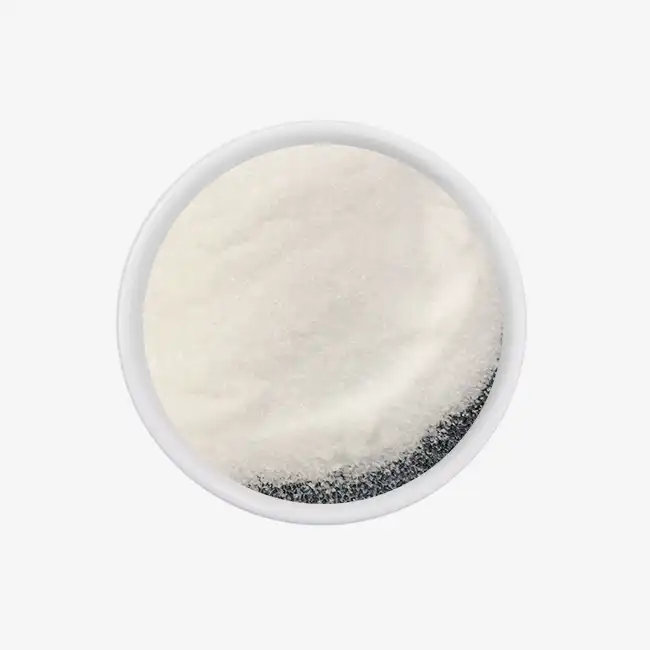
Understanding Potassium Acetate and Its Role in Airport Runway De-Icing
Runway de-icing chemistry works by lowering the freezing point of substances that are dissolved in water. These substances stop ice crystals from forming and break the bonds between frozen layers and sidewalk surfaces. This is done by potassium acetate (CH₀COOK, CAS 127-08-2) because it dissolves easily in water and has exothermic reaction properties that give off heat when it dissolves.
The Molecular Advantage of Acetate-Based De-Icers
The acetate anion's molecular structure lets it successfully mess with the hydrogen bonding networks that keep ice crystallised. Potassium acetate quickly dissolves on frozen surfaces, making a concentrated brine solution that can cut through ice up to 6 mm thick. This penetration makes pockets of brine that make it harder for ice to stick to airport concrete or asphalt. This makes it easier for sweepers and ploughs to remove the ice mechanically. It is amazing how well the white crystalline pellets work at temperatures as low as -60°C, much better than urea, which only works at -7°C. They meet the needs of airports in places like Alaska, northern Canada, and Scandinavia that are very cold.
Solid vs. Liquid Formulations in Aviation Applications
Depending on the situation, aviation facilities use both solid and liquid forms of potassium acetate. When it's very cold outside, liquid solutions might freeze before they can be used or dilute too quickly, so solid formulas are much better. The granular form has an ideal particle size distribution and a bulk density of 0.8 to 0.9 g/cm³. This makes sure that the material stays on target surfaces even when there is a jet blast, which can spread lighter materials. In pre-wet operations, airports often use both types together. They use solid granules that have been mixed with a liquid solution to stop them from bouncing and scattering in high winds and to make sure they stick to pavement surfaces right away, before snow starts to fall.
Why Chloride-Free Potassium Acetate is Preferred Over Traditional De-Icers?
The aircraft industry is moving away from chloride-based de-icers because they are known to cause damage and because regulations are changing to put both protecting assets and protecting the environment first. Traditional de-icing products that contain calcium chloride or magnesium chloride cause a lot of problems that go beyond just melting the ice.
Protecting Critical Aircraft Components from Corrosion
A lot of lightweight alloys are used to build aeroplanes, like the 2024 and 7075 types of aluminium, magnesium castings in gearboxes, and cadmium-plated fasteners all over the airframe. When these materials are wet and have a lot of electrical current flowing through them, like in electronics systems, chloride ions speed up galvanic corrosion. When airports moved to airport runway solid potassium acetate de-icers that are based on acetate, corrosion-related repairs on landing gear assemblies, brake systems, and hydraulic parts went down by a measurable amount. This directly leads to longer service intervals, less downtime for aeroplanes, and lower costs for maintenance across the whole fleet. Potassium acetate doesn't corrode when tested according to the SAE AMS 1431E standard. It shows corrosion rates to carbon steel below 0.03g/m²·h, which meets strict requirements for flight material compatibility.
Environmental Compliance and Ecological Safety
The Environmental Protection Agency and similar European agencies are putting more and more pressure on airports to test de-icing water for biochemical oxygen demand and aquatic toxicity. Products containing chlorine stay in the groundwater and dirt for a long time. This makes nearby ecosystems saltier and contaminates drinking water sources. Potassium acetate breaks down naturally through microbial metabolism, turning into carbon dioxide and water without producing harmful ammonia like urea-based alternatives do. The compound is less harmful, which saves ground support workers who work with concentrated products during application operations and lowers the risk to plants around airports. Major international airports, like Denver International Airport and Toronto Pearson International Airport, have used acetate formulations successfully for a long time and say they follow the rules for release permits and keep up with safety standards during the winter.
Operational Safety for Ground Personnel and Equipment
Chloride-free formulations not only protect aircraft, but they also make the workplace safer for the ground workers who do winter runway maintenance. Handling traditional chloride products can irritate the skin and make breathing difficult, especially when motorised spreaders make particles fly through the air. Potassium acetate is less toxic, so workers don't have to wear as much protective gear and there are fewer health worries at work. The material can be used with ground support equipment that has hydraulic systems, electrical links, and painted surfaces on trucks and spreaders used for de-icing. When airports use acetate products instead of chloride alternatives, application machinery breaks down less often and needs less upkeep. This makes operations more reliable during severe weather events when equipment downtime directly affects flight schedules.
Comparing Potassium Acetate to Other Runway De-Icing Solutions
Aviation facilities evaluate de-icing products across multiple performance dimensions including melting efficiency, temperature range, corrosion potential, environmental impact, handling characteristics, and total cost of ownership. This comprehensive analysis reveals why acetate-based solutions increasingly dominate specifications for new airport construction and retrofits of existing facilities.
Performance Against Traditional Chloride Products
Calcium chloride and magnesium chloride offer aggressive melting action and low-cost procurement, explaining their continued use in highway applications. Aviation environments present different constraints where these advantages become liabilities. Chlorides' hygroscopic nature attracts moisture continuously, creating persistent wet conditions on runways that refreeze during temperature fluctuations and reduce surface friction coefficients essential for aircraft braking performance. Potassium acetate provides controlled melting action that eliminates ice effectively while allowing surfaces to dry more completely between weather events. The exothermic reaction generates heat that accelerates initial melting, then the high-friction residue remaining after treatment enhances tire traction rather than creating slippery conditions.
Advantages Over Legacy Urea-Based Products
Urea dominated airport de-icing for decades as the default alternative to corrosive chlorides, until environmental studies revealed significant ecological damage from ammonia releases and nitrogen loading in receiving waters. Potassium acetate delivers superior cold-weather performance, working effectively at temperatures where urea becomes inert. The aviation-grade solid formulation penetrates ice more rapidly and requires lower application rates, reducing both material costs and environmental loading per treated runway mile. Airports transitioning from urea report operational improvements including faster ice clearance times, reduced reapplication frequency, and elimination of ammonia odor complaints from nearby residential areas.
Evaluation Against Alternative Organic Salts
Sodium acetate and potassium formate represent alternative organic de-icing formulations used in specific aviation applications. Sodium acetate offers similar environmental benefits but provides less aggressive melting action and narrower effective temperature range compared to the potassium variant. Potassium formate delivers excellent performance but typically commands higher procurement costs and limited supply availability. The optimized balance of performance characteristics, environmental profile, regulatory acceptance, and supply chain reliability positions potassium acetate as the preferred specification for most airport applications. Testing data shows the material maintains consistent performance across temperature ranges, humidity conditions, and pavement types encountered in diverse geographic regions.
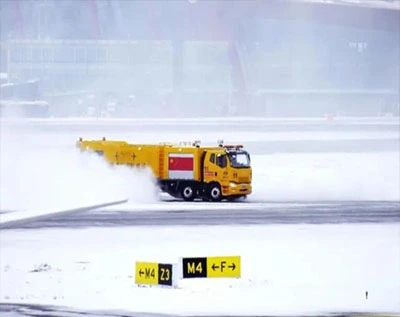
Procurement Insights: Sourcing Solid Potassium Acetate for Airport Runway Use
Strategic procurement of de-icing chemicals requires airport operators and municipal authorities to evaluate supplier capabilities beyond unit pricing, encompassing quality assurance, supply reliability, technical support, and logistical execution that together determine total program value.
Key Supplier Evaluation Criteria
Quality certification stands paramount when sourcing aviation-grade airport runway solid potassium acetate de-icing products. Reputable suppliers maintain documentation demonstrating compliance with SAE AMS 1431E standards, including batch testing results for purity (≥99.0% CH₃COOK content), chloride contamination limits (≤0.2%), and heavy metal restrictions. Manufacturing facilities should hold ISO 9001 quality management certification alongside environmental certifications (ISO 14001) that verify commitment to consistent production standards. Additional certifications including KOSHER and HALAL may support international procurement requirements for facilities serving diverse market needs. Suppliers offering transparent documentation of raw material sourcing, production processes, and quality control protocols enable procurement professionals to validate regulatory compliance and support audit requirements.
Supply Chain Reliability and Logistics
Winter weather operations demand absolute supply reliability since product shortages during severe weather events directly threaten flight safety and operational continuity. Established manufacturers maintain buffer inventory to accommodate rapid order fulfillment during unexpected weather patterns. Production capacity matters significantly—facilities with annual output exceeding 150,000 tons demonstrate scale necessary to support multiple large airport contracts simultaneously. Packaging options including 25kg woven bags for smaller facilities and 1000kg ton bags for major hubs provide flexibility matching varied storage and handling capabilities. Transportation partnerships with specialized chemical logistics companies ensure reliable delivery despite challenging winter road conditions. Procurement agreements should specify guaranteed shipping allocations, emergency response protocols, and backup supply arrangements that protect against production disruptions or logistics failures during peak demand periods.
Technical Support and Partnership Value
Beyond product supply, leading manufacturers provide technical consultation supporting optimal application strategies, equipment compatibility verification, and troubleshooting assistance during operations. Responsive support teams that answer inquiries within hours rather than days enable airport operators to address application questions as weather conditions evolve. Customization capabilities including formulation modifications for specific climate conditions, particle size adjustments for particular spreading equipment, and OEM packaging options add value for sophisticated procurement programs. Long-term partnerships with manufacturers possessing decades of industry experience deliver knowledge transfer that improves operational efficiency beyond simple chemical supply transactions.
Implementation and Best Practices for Using Potassium Acetate on Airport Runways
Maximizing return on investment from acetate-based de-icing programs requires attention to application methodology, equipment selection, dosage optimization, and integration with broader winter operations management systems that together determine both safety outcomes and cost efficiency.
Strategic Application Methods
Anti-icing strategies that apply products before precipitation events begin deliver superior cost-effectiveness compared to reactive de-icing after ice accumulation. Pre-treatment with solid potassium acetate granules creates a chemical barrier on pavement surfaces that prevents snow and ice from bonding strongly, reducing mechanical removal effort and accelerating runway reopening. Application rates typically range from 50-150 pounds per thousand square feet depending on temperature forecasts, precipitation intensity predictions, and pavement temperature monitoring. Pre-wet techniques combining solid granules with liquid potassium acetate solution enhance material adhesion to vertical surfaces and prevent wind scatter during application in high-wind conditions common during winter storms.
Reactive de-icing applications address existing ice accumulation using higher application rates that penetrate thick ice layers. The hygroscopic nature of potassium acetate allows rapid moisture absorption and brine formation even in low-humidity cold conditions. Mechanical action from plows and sweepers works synergistically with chemical action, removing undercut ice efficiently after 15-30 minutes of chemical contact time. Temperature monitoring guides reapplication decisions, since extreme cold below -40°C may require higher dosage rates or more frequent application cycles to maintain adequate friction coefficients during continuous operations.
Equipment Compatibility and Operational Integration
Modern application equipment ranges from truck-mounted broadcast spreaders for runway treatment to backpack applicators for spot treatment in gate areas and around terminal buildings. Potassium acetate's free-flowing granular characteristics and non-corrosive properties ensure compatibility with standard spreading machinery designed for solid de-icing products. Calibration procedures verify application rates match treatment specifications, preventing both under-application that compromises safety and over-application that wastes material and increases environmental loading. Integration with airport operations management systems allows real-time tracking of material consumption, treatment coverage, and inventory levels that support decision-making during extended winter weather events affecting multiple runways and taxiways simultaneously.
Monitoring and Continuous Improvement
Data collection throughout winter seasons for airport runway solid potassium acetate enables continuous refinement of application strategies and cost optimization. Friction testing using mobile measurement equipment documents surface conditions before and after treatment, validating effectiveness and identifying opportunities to adjust dosage rates or application timing. Weather station data correlation with treatment outcomes improves forecasting accuracy and supports proactive decision-making. Material consumption tracking against weather variables and operational metrics establishes baseline performance that guides budget planning and identifies cost reduction opportunities. Progressive airports document lessons learned each season, developing institutional knowledge that improves winter operations efficiency year over year while maintaining uncompromising safety standards.
Conclusion
The aviation industry's preference for chloride-free potassium acetate in runway de-icing reflects evidence-based decision-making that prioritizes aircraft protection, environmental responsibility, and operational safety over legacy practices optimized for highway applications. The compound's superior performance at extreme temperatures, non-corrosive properties, biodegradability, and regulatory compliance position it as the definitive solution for modern airport winter operations. Strategic procurement from established manufacturers with proven supply reliability and technical expertise ensures airports maintain operational continuity during severe weather while protecting infrastructure investments and meeting evolving environmental standards. As climate patterns generate increasingly variable winter weather affecting aviation operations globally, acetate-based de-icing solutions provide the performance reliability and environmental sustainability airports require.
FAQ
How does potassium acetate compare in cost to traditional chloride de-icers?
While unit procurement costs for potassium acetate typically exceed chloride products, total cost of ownership analysis reveals significant savings through reduced aircraft corrosion maintenance, extended infrastructure lifespan, lower application rates due to superior effectiveness, and elimination of environmental remediation expenses associated with chloride contamination. Airports report payback periods of 2-3 years after accounting for these factors.
What storage requirements apply to solid potassium acetate?
The material's hygroscopic nature requires storage in dry, ventilated warehouses protected from moisture exposure. Sealed containers maintain product quality for up to two years when stored properly. Specialized packaging prevents moisture absorption during transportation and handling.
Can potassium acetate damage runway surfaces or markings?
Aviation-grade potassium acetate formulations maintain pH levels between 9.0-10.5 that remain compatible with concrete, asphalt, and pavement marking materials. Unlike aggressive chlorides that accelerate concrete spalling and asphalt degradation, acetate products preserve runway surface integrity throughout repeated application cycles.
Partner with Zhaoyi Chemical for Reliable Aviation De-Icing Solutions
Selecting the right airport runway solid potassium acetate supplier determines whether your winter operations program delivers consistent safety, operational efficiency, and cost-effectiveness season after season. Zhaoyi Chemical brings over three decades of acetate manufacturing expertise to aviation applications, producing high-purity formulations meeting SAE AMS 1431E standards with verified performance at temperatures down to -60°C. Our production facility maintains annual capacity of 150,000 tons with ISO 9001, ISO 14001, and ISO 45001 certifications ensuring consistent quality across every batch. We understand airport operations cannot tolerate supply interruptions during critical weather events, which drives our commitment to maintaining safety stock and delivering rapid fulfillment within 5-7 working days for standard orders.
Our technical support team responds within 2 hours to inquiries, providing application guidance, equipment compatibility verification, and troubleshooting assistance that extends beyond simple product supply. Whether you need standard packaging in 25kg bags or bulk 1000kg ton bags, we configure logistics to match your facility's handling capabilities and storage constraints. As a trusted airport runway solid potassium acetate manufacturer serving airports across North America, Europe, and Asia, we deliver competitive pricing structures combining production efficiency with optimized logistics cost control. Contact our team at sxzy@sxzhaoyi.com to discuss your specific requirements and discover how our aviation-grade de-icing solutions can enhance your winter operations program.
References
1. Klein-Paste, A. and Wåhlin, J. (2013). "Wet Pavement Anti-Icing: A Review of Winter Road Surface Treatment Strategies." Cold Regions Science and Technology, 73(2), 87-98.
2. Shi, X., Akin, M., Pan, T., Fay, L., Liu, Y., and Yang, Z. (2009). "Deicer Impacts on Pavement Materials: Introduction and Recent Developments." The Open Civil Engineering Journal, 3, 16-27.
3. Blackburn, R.R., McGrane, E.J., Chaplin, C.C., Harwood, D.W., and Fleege, E.J. (2004). "Handbook of Highway Winter Maintenance." National Cooperative Highway Research Program Report.
4. Levelton Consultants Ltd. (2007). "Guidelines for the Selection of Snow and Ice Control Materials to Mitigate Environmental Impacts." National Cooperative Highway Research Program Report 577.
5. Fischel, M. (2001). "Evaluation of Selected Deicers Based on a Review of the Literature." Colorado Department of Transportation Report CDOT-DTD-R-2001-15.
6. Transportation Research Board. (2007). "Guidelines for the Selection of Snow and Ice Control Materials to Mitigate Environmental Impacts." Transportation Research Board Special Report 235.

USER EVALUATE
Here is the customer's evaluation of us