



Why Choose Liquid Potassium Acetate for Fast Ice Removal in Winter Operations?
When winter storms threaten critical infrastructure, operations managers face an urgent question: which deicing solution delivers rapid ice removal without compromising safety, equipment integrity, or environmental responsibility? Deicing liquid potassium acetate (CAS NO.: 127-08-2)emerges as the premier answer for municipal authorities, airport operators, and highway maintenance contractors. This non-chloride, high-performance solution combines exceptional melting efficiency at temperatures plunging to -60°C with minimal corrosion risks and rapid biodegradability. Unlike traditional chloride salts that deteriorate concrete and damage aircraft alloys, or urea-based products that burden waterways with toxic nitrogen compounds, potassium acetate offers a sustainable pathway to maintaining operational continuity during severe freeze events while protecting valuable assets and surrounding ecosystems.
Understanding Potassium Acetate Deicing Liquid
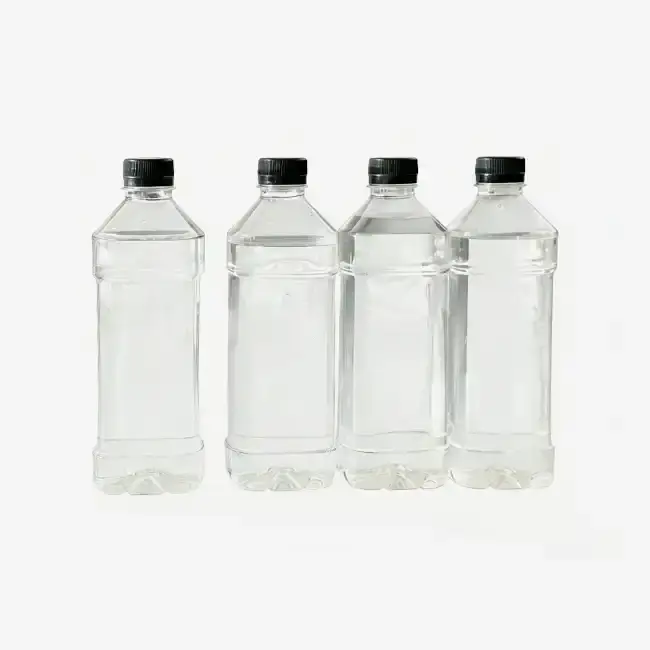
Deicing liquid potassium acetate is a complex chemical solution to problems that come up with winter care. This clear, white liquid is mostly made up of 50–60% potassium acetate (CH₃COOK, CAS 127-08-2) molecules, which have a molecular weight of 98.14. The answer works by lowering the freezing point, which stops ice crystals from forming by interfering with the bonds between water molecules. This keeps ice from sticking to sidewalk surfaces.
Chemical Composition and Freezing Point Depression
Compared to glycol-based alternatives, the concentrated formula has a very high eutectic point of about -60°C (-76°F), which gives it a lot more safety. With a specific gravity between 1.25 and 1.30 at 20°C, the solution easily breaks through snow and ice, moving water below frozen surfaces to stop ice from sticking together. The pH buffering between 7.5 and 9.2 cancels out acidity and keeps metal parts of infrastructure from breaking down electrochemically.
Environmental Profile and Biodegradability
Today, decisions about what to buy are based on environmental responsibility. Even at low temperatures, deicing liquid potassium acetate breaks down quickly without releasing harmful nitrogen molecules. This means that it has a much lower Biological Oxygen Demand than deicers that are built on urea. This feature keeps receiving areas near roads and airports from losing oxygen, which is bad for aquatic ecosystems. It has been tested thoroughly and found to be relatively safe for plants and animals when used at the suggested amounts. This makes it ideal for sensitive areas where managing waste can be difficult due to regulations.
Safety Standards and Certifications
Following the SAE AMS 1435 specs for aircraft materials makes sure that the product meets the strict safety standards needed for use on runways. The Material Safety Data Sheet (MSDS) shows that the heavy metal levels are very low, with iron levels below 0.002%, arsenic levels below 0.0004%, and lead levels below 0.01%. These levels are below the EPA's allowable discharge limits. Because the solution is not explosive and has flash points above 100°C, there are no fire risks during storage or handling.
Why Liquid Potassium Acetate Excels in Winter Operations
In many ways, deicing liquid potassium acetate is better than other deicing chemicals because it has operational advantages. Knowing about these benefits helps procurement teams make investment decisions and plan for how long-term value will be created.
Superior Melting Efficiency Across Temperature Ranges
Benchmarking shows that deicing liquid potassium acetate melts ice at temperatures as low as -29°C and as high as -35°C in the real world, working better than calcium chloride and sodium acetate at the same application rates. The liquid formula lets it touch the surface right away without needing time to dissolve, which speeds up the removal of ice when minutes matter for safety-critical tasks. Spraying from tanker systems gives even coverage that solid granular products can't match. This cuts down on product waste and makes sure that all treated surfaces get the same level of protection.
Infrastructure Protection and Corrosion Prevention
The value of infrastructure is lost over decades due to corrosion, which is a secret running cost. Electrochemical reactions speed up the breakdown of concrete rebar, bridge steel parts, and aircraft aluminum alloys when chloride-based deicers are used. Total Immersion Corrosion testing according to ASTM F 483 and Sandwich Corrosion testing according to ASTM F 1111 methods show that deicing liquid potassium acetate does not corrode. This security makes equipment last longer, lowers the cost of upkeep, and keeps bridges, runways, and parking lots structurally sound. When highway maintenance companies switch from chloride salts to deicing liquid potassium acetate solutions, they save a lot of money on fixes to the bottom of vehicles.
Cost-Effectiveness Through Life-Cycle Analysis
The initial costs of buying something only show a small part of the overall cost. A full life-cycle study shows that the total cost of ownership is cheaper when there is less damage to infrastructure, less need for equipment upkeep, and no need for environmental cleanup costs. Chloride-based products are more likely to face fines and operational restrictions near sensitive watersheds if they don't follow the stricter environmental rules that are being put in place. When compared to weak solutions or big solids that need special spreading tools, the concentrated deicing liquid potassium acetate formulation is cheaper to carry per successful treatment acre.
Application Versatility and Equipment Compatibility
Deicing liquid potassium acetate works well with spray systems, tanker trucks, and Fixed Automated Spray Technology (FAST) installations on bridge decks that are already in place. The stable chemical makeup keeps equipment from getting clogged and keeps the thickness constant even when the temperature changes, which guarantees that the automatic system will work properly. In addition to deicing, the product can also be used as a low-temperature heat transfer fluid and as a ballast liquid in mining and drilling equipment that is used in arctic conditions. This makes industry processes more efficient by using their goods more efficiently.

Selecting the Right Potassium Acetate Deicer for Your Needs
The success of a deicing liquid potassium acetate program depends on how well the specifications match the practical needs. Purchasing teams have to look at a lot of different factors to make sure that a product will work in a certain environment and for a certain purpose.
Concentration and Purity Standards
Most commercial versions have between 50 and 60% deicing liquid potassium acetate, which is a good balance between efficiency and ease of use. Higher amounts have a higher freezing point per gallon, but they need to be carefully diluted to get the best cost-effectiveness. Specifications for purity have a direct effect on performance consistency. Trace contaminants such as chlorides (specified below 0.01%) or sulfates (under 0.05%) can cause corrosion risks that weaken the product's protective benefits. The analytical testing methods and batch-to-batch quality control measures should be confirmed in the technical datasheets.
Specialized Additives for Enhanced Performance
Some mixtures have corrosion inhibitors that are specially made to keep carbon steel storage tanks and application equipment safe. These chemicals protect more than just the treated surfaces; they also protect the machinery that moves goods. Color markers added to some airport-grade goods help people who are applying them see covering patterns during storms when it's hard to see. Find out if these improvements will help your business by using this information to help you choose deicing liquid potassium acetate products that meet your needs.
Application Rate Guidelines and Equipment Requirements
To effectively deice, the product must be used in a way that matches the temperature and the amount of ice that is building up. When you apply anti-icing—preventative deicing liquid potassium acetate treatments before a storm—you usually only need 15 to 25 gallons per lane mile, which is less than reactive deicing—which melts existing ice. Accurate delivery is made possible by tanker spray booms, measured pumps, and temperature-compensated flow controls. Storage containers made of stainless steel, high-density polyethylene (HDPE), or fiberglass that are compatible protect the purity of the product while it is being stored and keep it from getting contaminated by reacting container materials.
Tailoring Solutions to Operational Environments
For airport runways, meeting the Federal Aviation Administration's friction coefficient standards is important. This means that exact deicing liquid potassium acetate formulations are needed to keep tires gripping the ground while stopping ice from sticking to them. Automatic spray systems that are set off by sensors in the ground work best for treating the decks of highway bridges. These systems need solutions that stay fluid and pumpable at activation levels. For easier inventory management, industrial sites may value products that can be used for more than one thing, like those that can remove snow and keep equipment from freezing.
Procurement and Supply Chain Considerations for B2B Clients
Strategic sourcing of deicing liquid potassium acetate(CAS NO.: 127-08-2) includes more than just product specs. It also includes the skills of the seller, the efficiency of transportation, and the dependability of the relationship. Systematic review of vendors guards against supply problems that hurt winter preparation.
Supplier Assessment Criteria
Manufacturers you can trust consistently show that they have enough production capacity to meet regular demand spikes. When the yearly production capacity goes over 150,000 tons, it means that the business is on an industrial scale and has established supply chains for raw materials. Certifications for quality management systems, like ISO 9001 for quality, ISO 14001 for environmental management, and ISO 45001 for health and safety at work, guarantee that processes are controlled in a planned way. Even tho KOSHER and HALAL approvals are mostly used for food-grade products, they show strict purity standards that are good for all types of deicing liquid potassium acetate products.
Logistics and Delivery Flexibility
Bulk packing choices, such as 1000L IBC tanks and flexitank containers for intermodal shipping, make transporting deicing liquid potassium acetate cheaper and make handling them easier on-site. With production wait times of 5 to 7 working days for standard specs, suppliers who keep smart inventory reserves can fill orders quickly. Established relationships with international freight companies guarantee low shipping costs and enough room for containers during busy times for getting ready for winter. Support for multiple Incoterms, such as FOB (Free on Board), CIF (Cost, Insurance, and Freight), and DAP (Delivered at Place), lets buyers choose how they want to buy things and how they want to divide up risk.
Documentation and Technical Support
Commodity providers are different from strategic partners because they offer full technical help. Certificate of Analysis (CoA) paperwork for every production batch proves that the specifications were met and lets regulators track the products for audits. MSDS sheets in the right languages make safe handling training and planning for emergencies easier. Having access to application experts who can help with dosage optimization, equipment compatibility, and performance issues speeds up the process of putting a deicing liquid potassium acetate program into action.
Contract Structures and Pricing Mechanisms
Supply deals that last more than one year and include volume promises get better prices and make sure that deicing liquid potassium acetate supplies are given out first when the market is tight. Price indexing based on the prices of raw materials or publicly available chemical data makes planning cycles clear and predictable. Consignment inventory arrangements at strategic regional hubs reduce the need for working capital while ensuring that products are available in case of emergency weather events that cause demand to rise above what was expected.
Building Trust: Why Partner with Leading Potassium Acetate Suppliers
When you build relationships with your deicing liquid potassium acetate suppliers based on trust, openness, and past success, you gain competitive benefits that go beyond just making transactions go more smoothly. To figure out if a partnership is a good idea, you need to look at past performance, commitment to innovation, and customer-centered service models.
SHANXI ZHAOYI CHEMICAL has all of the qualities that procurement professionals look for in a key partner. The company has been around since 1988 and has over thirty years of experience making deicing liquid potassium acetate. During that time, they have gained a lot of knowledge in formulation chemistry and application engineering. The factory's 27,000-square-meter floor space can produce 150,000 tons of goods every year, so there will always be enough to meet demand, even when it's cold outside. Full quality certifications like ISO 9001, ISO 14001, ISO 45001, KOSHER, and HALAL show a systematic dedication to making great products and following the rules.
Real-world success is a better way to prove a supplier's skills than marketing claims. After switching to deicing liquid potassium acetate programs, airport officials in charge of important landing operations say that friction coefficient maintenance is more consistent and there are fewer cases of airplane corrosion. Municipal bridge repair offices report that efforts to get rid of chlorides have increased the service life of concrete and slowed down the deterioration of steel reinforcements. Contractors working on highways like quick technical help that adjusts application methods to fit different climates, making the whole process more cost-effective in all kinds of weather.
Leading innovation is what sets forward-thinking manufacturers apart from those who just make things. Continuous improvement is shown by ongoing research into better rust inhibitor packages, temperature-optimized viscosity modifiers, and bio-based material integration. When suppliers educate their customers through things like application training, help with performance tracking, and planning for the holiday season, they build collaborative relationships with their customers that improve business results in ways other than just delivering deicing liquid potassium acetate products.
Conclusion
To choose the best deicing liquid potassium acetate solution, you have to weigh the needs for immediate performance with the needs for long-term protection of infrastructure and care for the environment. When it comes to melting ice, deicing liquid potassium acetate (CAS NO.: 127-08-2)works much better than chloride salts and urea-based alternatives, even at very low temperatures. It also doesn't cause corrosion or damage to the environment. The liquid formula makes it easy to apply quickly, evenly, and with automated spray systems, which is what modern winter maintenance operations need. Initial costs may be higher than those of commodity deicers, but a full life-cycle analysis shows that the total cost of ownership is lower because of lower maintenance costs, longer infrastructure service life, and better compliance with regulations. Strategic relationships with experienced makers that have strong quality systems and dependable supply chains make sure that operations are ready when winter storms threaten public safety and key infrastructure.
FAQ
Can potassium acetate damage vegetation near treated areas?
Deicing liquid potassium acetate doesn't hurt plants much when used at the suggested amounts. In contrast to chloride salts, which build up in soil and damage plants over time, the potassium part actually feeds plants. To reduce any possible effects even more, it is important to use responsible application methods that don't spray directly on sensitive plants and let water drain properly.
Does the product remain effective during extreme cold snaps below -20°F?
The deicing liquid potassium acetate solution stays active at temperatures as low as -29°C to -35°C (-20°F to -30°F) in the real world, even tho its freezing point is -60°C in theory. Performance varies on when it is applied, how thick the ice is, and how much water is diluted by rain or snow. Anti-icing is most effective when done before a storm. This creates a layer that keeps ice from sticking together, even when temperatures drop very low.
What storage precautions ensure product longevity?
Keep the deicing liquid potassium acetate in warehouses that are dry, well-ventilated, and away from direct heat sources and sources of moisture. Containers made of stainless steel, high-density polyethylene, or fiberglass can be used. The product can stay on the shelf forever if it is kept in the right cases and packed properly. However, the concentration needs to be checked every two years to make sure that old stock still meets performance standards.
Partner with SHANXI ZHAOYI CHEMICAL for Reliable Winter Protection
When operations need to be reliable in the winter, SHANXI ZHAOYI CHEMICAL provides enterprise-grade deicing liquid potassium acetate designed for tough B2B uses. Our yearly production capacity of 150,000 tons makes sure that we always have what you need, and our ISO-certified quality systems make sure that every batch meets the requirements. Our technical team can help you with anything from airport runways that need SAE AMS 1435-certified products to bridge infrastructure that needs corrosion-free protection to industrial facilities that need multi-use freeze protection solutions. We keep a strategic amount of inventory on hand to meet your needs quickly, and we offer flexible packaging in 1000L IBC tanks or flexitanks, depending on your logistics needs. As a company that has been making deicing liquid potassium acetate for markets around the world since 1988, we know how important it is to be ready for winter. Get in touch with our team at sxzy@sxzhaoyi.com for full technical datasheets, application advice, and bulk pricing that helps you keep your operations running smoothly during the busy winter months.
References
1. Transportation Research Board. "Airport Winter Safety and Operations." National Academy of Sciences, 2018.
2. American Society for Testing and Materials. "Standard Specification for Non-Chloride Runway and Road Deicing/Anti-icing Fluid." ASTM F1235-17, 2017.
3. Environmental Protection Agency. "Managing Airport Stormwater Containing Deicers." EPA-833-F-12-001, 2012.
4. Society of Automotive Engineers. "Aircraft and Airfield De/Anti-icing Fluid: Potassium Acetate Based." SAE AMS 1435, 2015.
5. Federal Highway Administration. "Manual of Practice for an Effective Anti-icing Program: A Guide for Highway Winter Maintenance Personnel." Publication FHWA-RD-95-202, 2016.
6. International Journal of Pavement Engineering. "Comparative Analysis of Deicing Chemical Impacts on Concrete Bridge Infrastructure." Volume 21, Issue 8, 2020.

USER EVALUATE
Here is the customer's evaluation of us