



Snow Melting Liquid Potassium Acetate Enhances Winter Surface Protection
When winter arrives and ice covers critical infrastructure, operations managers face a challenge: how to maintain safe surfaces without compromising structural integrity or environmental standards. Snow melting liquid potassium acetate(CAS NO.: 127-08-2) addresses this concern through its non-corrosive chemistry and rapid ice-melting capabilities. This biodegradable de-icing solution protects airports, bridges, highways, and commercial properties while maintaining operational continuity in temperatures dropping to -35°C. Unlike traditional chloride-based products, this acetate formulation prevents material degradation, reduces long-term maintenance costs, and meets stringent environmental regulations demanded by municipal authorities and industrial facilities across the United States.
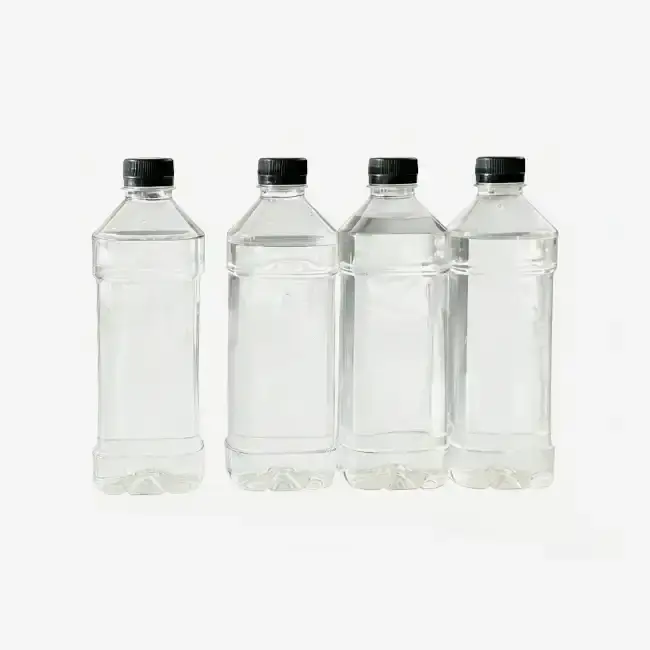
Understanding Liquid Potassium Acetate and Its Role in Snow Melting
Potassium acetate (CH₃COOK, CAS 127-08-2) is a big step forward in the chemistry of winter upkeep. This clear, slightly acidic snow melting liquid potassium acetate lowers the freezing point right away without needing time to dissolve, which is a big plus over granular options. Because of its molecular structure, it can break down hydrogen bonds in ice crystals, which stops frozen precipitation from sticking to pavement.
Chemical Composition and Properties
The mixture usually has between 50 and 60% potassium acetate by weight, and it can freeze at -35°C or lower. The solution stays alkaline, which protects metal surfaces from oxidation instead of speeding it up. It has a molecular weight of 98.14 and a pH range of 7.5–9.2. Corrosion rates of ≤0.03g/m²·h are measured on carbon steel, which is about the same as distilled water on sensitive alloys like aluminum and magnesium that are often found in aircraft parts.
This chemical stability comes from the buffering ability of the acetate ion, which keeps pH levels stable during use. Airport managers like this feature when working on fields where Foreign Object Debris (FOD) production must be kept to a minimum and materials must be compatible with landing gear systems.
Performance at Extreme Temperatures
Tests show that the snow melts more than 85% of the way within an hour at -25°C. In sub-zero temperatures, the solution stays liquid and can still be pumped. This means that automated spray systems can work reliably when solid de-icers would clog up distribution equipment. Highway repair workers say that bridge decks and overpasses always work well. These are parts of infrastructure that freeze more quickly because the ground isn't insulated.
Acetate compounds are sometimes used as carbon sources for biological processes in wastewater treatment plants. This shows that the compounds are safe for the environment. This potential for two uses gives procurement managers peace of mind when they are looking at both the total environmental impact and the deicing performance.
Comparing Liquid Potassium Acetate with Alternative Solutions
Infrastructure managers look at de-icing goods from a number of angles, including how well they work right away, how much they cost in the long run, how they affect the environment, and how easy they are to use. Knowing how snow melting liquid potassium acetate solutions stack up against other options helps you make purchases that are in line with your business's priorities.
Acetate Formulations: Potassium vs. Sodium
Potassium and sodium acetate both work by lowering the freezing point, but there are important changes between them. Potassium acetate has lower eutectic temperatures (about -60°C theoretical vs. -25°C for sodium acetate), which means it works better in very cold conditions. The potassium formulation is also good for farming; any leftover potassium nutrients are added to plants along the road instead of sodium, which builds up and hurts the soil and plants.
Sodium acetate usually costs less per unit volume, which makes it a good choice for large-scale city uses that don't need to work at very high temperatures. Sodium acetate is also used for denitrification processes in municipal wastewater plants. This could save cities money on purchases if they manage both treatment plants and winter road operations.
Liquid vs. Solid Form Advantages
There is a delay between applying solid granular de-icers and seeing results because they need to dissolve at a low temperature before they can work. Liquid formulas get rid of this wait time, so the area can be treated right away. Airport operations especially like this quick action when there are short weather windows where the runway can be cleared between flights.
There are trade-offs between storage and handling. Solid goods take up less space per unit of deicing power, but they need special tools to be spread out evenly. Liquids work perfectly with Fixed Automated Spray Technology (FAST) systems that are installed on important bridge infrastructure. When sensors detect freezing conditions, the systems automatically apply the liquids without any help from a person. The cost of work is cut down by these automatic systems, and treatment times are always the same.
Environmental and Corrosion Considerations
Chloride salts like sodium, calcium, and magnesium chloride make it easier for concrete to break, rebar to rust, and groundwater to become polluted. Infrastructure damaged by chloride now costs more to fix than what was saved by buying cheaper products in the first place. The U.S. Federal Highway Administration says that corrosion caused by chloride costs more than $5 billion a year in American transportation infrastructure.
Alternatives based on acetate are biodegradable by more than 95% and have low Biological Oxygen Demand (BOD) and Chemical Oxygen Demand (COD) values, which means they don't affect marine ecosystems as much. This environmental profile lets it be used near sensitive bodies of water, protected wetlands, and places where National Pollutant Discharge Elimination System (NPDES) rules require strict stormwater discharge permits.

Procuring Liquid Potassium Acetate: What B2B Buyers Should Know
A successful procurement process includes more than just unit price. It also includes supply reliability, expert help, and following the rules. Industrial buyers who are in charge of winter operations at several sites need to work with a maker of snow melting liquid potassium acetate who can deliver on time and provide quick service.
Supplier Evaluation Criteria
Quality approvals are the first standards for checking. ISO 9001 certification shows that quality management is done in a planned way, and ISO 14001 certification shows that an environmental management system is being followed. When goods may come into touch with surfaces used in more than one industry, facilities that work with food or medicine should check their KOSHER and HALAL certifications.
Consistency in technical specifications is very important. Changes in the concentration of acetate affect how well it freezes; if the concentration is not between 50 and 60% as stated, the effective temperature threshold goes up, which could mean that the treatment fails during cold snaps. Reliable manufacturers include Certificates of Analysis (CoA) with every shipment. These show the purity, chloride content (≤0.01%), heavy metal levels, and corrosion testing results for each batch.
Logistics and Packaging Considerations
Bulk delivery in 1000L IBC tanks makes handling more efficient for places that have the right storage equipment. These cases can be used more than once, which cuts down on packaging waste and speeds up the automatic filling of application equipment. Flexitanks are a cheaper way to ship large amounts of goods, especially for businesses that are in charge of multiple treatment sites in different parts of the world.
Warehouses that are dry, well-ventilated, and away from heat sources and substances that don't mix are needed for storage. When containers are handled properly during transport, they don't get damaged, which could risk the purity of the product. Buyers should make sure that the freight companies their suppliers work with are dependable and know how to handle chemical operations and the paperwork needed for cross-border shipping.
Regulatory Compliance and Documentation
Aerospace Material Specification (AMS) 1435 standards must be met by airport applications. These standards include full corrosion testing on aircraft materials and documentation of environmental impact. Highway offices need goods that meet state traffic standards, which are different in each area when it comes to biodegradability and aquatic toxicity limits.
Manufacturers that offer expert support help buying teams figure out application rates, make sure that equipment works with other systems, and train staff. This consultative method is helpful when adding new products to routine winter maintenance or figuring out why something isn't working right during extreme weather.
How Liquid Potassium Acetate Enhances Winter Surface Protection – Technical Insights
Knowing how snow melting liquid potassium acetate stops ice from forming helps operations teams make the best use of application strategies to get the best safety results and the best use of budget.
Chemical Mechanism of Ice Prevention
Potassium acetate breaks up the network of hydrogen bonds that hold ice crystals together. When the solution is put on pavement before it starts to rain or snow, it forms a chemical barrier that keeps snow and ice from sticking to the surface. This way of preventing ice buildup works better than reactive de-icing, and it uses 30–40% less chemicals than removing existing ice layers.
Because it is colloidal, the acetate ion also lowers the temperature at which water freezes. At a 50% concentration, the solution stays liquid up to -35°C, which is much lower than the temperature at which water would freeze on its own. This feature makes sure that the product works during extreme weather, when temperatures drop and normal treatments don't work.
Application Best Practices
The best results come from applying before a storm happens. For anti-icing treatments, highway maintenance workers usually use 0.5 to 1 gallon of snow melting liquid potassium acetate per lane mile. For de-icing established ice, they use 2 to 3 gallons per lane mile. These lower application rates directly lead to lower costs while better safety thru ongoing temperature maintenance of the ground.
Precision application is made possible by automated systems that are programd with weather data and ground temperature sensors. This technology is especially useful for bridge deck installations because the higher structures freeze before the ground-insulated parts of the road. The liquid form makes sure that the whole area is covered without any of the bouncing or spreading that can happen when granular goods are used at highway speeds.
Performance Data and Case Studies
Authorities at municipal airports say that operations have gotten better since they switched to treatments based on acetate. Because of less corrosion, it takes less time to clear the runway, planes can land and take off, and maintenance costs for ground support equipment go down. Even tho it costs more per gallon than chloride options, these practical perks make the investment worth it.
Monitoring of the environment shows that the amount of salt in nearby bodies of water has gone down since the switch to acetate forms. When cities are under pressure from regulators to improve the quality of stormwater flow, they have to show that they are following the rules more closely. This way, they can avoid fines and keep running permits for important infrastructure.
Future Trends and Innovations in Snow Melting Solutions with Liquid Potassium Acetate
The de-icing business is always changing because of rules about being environmentally friendly, the need to protect infrastructure, and chances to use new technology. Organizations can take advantage of new innovations in snow melting liquid potassium acetate(CAS NO.: 127-08-2) when their procurement strategies are forward-thinking.
Sustainable Chemistry Developments
Bio-based acetate production from agricultural feedstocks is being studied, which could make the product more environmentally friendly. These changes are in line with the Environmental, Social, and Governance (ESG) goals of businesses, which are becoming more important to regulators and consumers. Companies that want to reduce their carbon output might find bio-derived acetate goods useful for full sustainability reports.
Formulations for corrosion inhibitors keep getting better, and nanotechnology additives are showing promise for better metal passivation at lower concentrations. These new ideas could lower the number of applications even more while keeping performance standards high. This would be good for both the economy and the environment.
Smart Infrastructure Integration
Internet-of-Things (IoT) sensor networks allow for planned winter upkeep, which improves the time and amount of chemical applications. Central control systems can get real-time information about traffic trends, weather forecasts, and the state of the roads from connected infrastructure. snow melting liquid potassium acetate formulations work well with these smart transportation systems, helping people make decisions based on facts that improve safety while using as few resources as possible.
Automated delivery systems that can be monitored from afar cut down on the need for staff and speed up response times. Maintenance managers are notified when storage tanks need to be refilled, which makes sure that supplies don't go down during long winter weather patterns. This practical insight makes things more reliable and cuts down on situations where you need to buy something quickly.
Regulatory Landscape Evolution
Environmental rules are getting stricter all the time, especially when it comes to chloride discharge limits in watersheds that are sensitive. When companies switch to acetate-based options, they get ahead of the regulatory curve and don't have to change their equipment or buy things quickly when compliance dates come up.
As planes are made with more advanced composite materials that are sensitive to chemicals, aviation authorities may make the rules for material compatibility stricter. Building ties with sources who know how to meet aerospace standards will make sure that changes are handled smoothly as needs change.
Conclusion
Protecting surfaces from the elements during the winter requires solutions that balance short-term performance with long-term preservation of infrastructure and environmental duty. This balance is provided by snow melting liquid potassium acetate(CAS NO.: 127-08-2), which has non-corrosive properties, melts ice quickly, and is recyclable so it can be used in sensitive situations. Airports keep flight schedules, highway departments take care of bridge structures, and business properties make sure that pedestrians are safe while also meeting stricter environmental standards. Decisions about procurement include more than just unit costs. They also include total lifecycle costs, regulatory compliance, and partnerships with suppliers. By putting these factors at the top of their list of priorities, businesses can be sure that their winter operations will run smoothly. They will also be ready for new sustainability requirements and technological integration opportunities that will shape the future of the industry.
FAQ
How does liquid potassium acetate compare to rock salt for winter maintenance?
In terms of winter upkeep, how does snow melting liquid potassium acetate stack up against rock salt? Acetate potassium works better than rock salt at temperatures below -10°C, where rock salt isn't as useful. The formula doesn't corrode, so it doesn't damage infrastructure like chloride salts do. This lowers the long-term cost of repairs. Biodegradability and low effect on flora are two environmental perks that make it perfect for places with strict discharge rules. Even tho the initial cost per gallon is higher than rock salt, the total cost of ownership is usually lower over a longer period of time because less of it needs to be used, repair costs are eliminated, and infrastructure lasts longer.
What concentration should I specify for severe winter conditions?
Solutions with 50–60% snow melting liquid potassium acetate by weight work well down to -35°C, which is good for most winters in the mainland U.S. For extreme northern uses, higher amounts closer to eutectic point formulations may be better, but talking to technical experts is the best way to find the best mix between performance and cost-effectiveness. Make sure that the supplier's specifications include information on the freezing point, and ask for batch-specific paperwork to confirm the accuracy of the concentration. Differences in concentration have a direct effect on how well it works in cold weather and how much to use.
Can potassium acetate damage concrete or asphalt surfaces?
Potassium acetate that has been properly mixed works very well with both concrete and asphalt. The alkaline pH range (7.5–9.2) stops the acidic breakdown that happens with some other de-icers. Independent tests show that there isn't much scaling or spalling compared to chloride salts, which can get into concrete, reach rebar that's buried, and cause cracks caused by oxidation. This gentle chemistry is especially helpful for airport runways because it keeps expensive specialized concrete formulations that are made to handle heavy airplane loads and weather changes in good shape.
Partner with a Trusted Snow Melting Liquid Potassium Acetate Supplier
SHANXI ZHAOYI CHEMICAL has been making chemicals for more than 30 years and can help infrastructure managers who need solid winter surface protection options. Our ability to make 150,000 tons of snow melting liquid potassium acetate every year guaranties a steady supply of snow melting liquid potassium acetate that meets AMS 1435 aerospace standards and NPDES environmental standards. Our ISO-certified quality systems make sure that every batch is the same, and our KOSHER and HALAL certifications show that we are dedicated to meeting the needs of a wide range of customers. We ship flexitanks and 1000L IBC tanks, and the wait time is 5–7 working days. We offer technical help 24 hours a day, seven days a week, and we reply to messages within two hours. Email our team at sxzy@sxzhaoyi.com to talk about your particular application needs and ask for product paperwork, such as Certificates of Analysis and data from corrosion tests.
References
1. Federal Aviation Administration. (2021). "Airport Winter Safety and Operations: Advisory Circular 150/5200-30D." U.S. Department of Transportation, Washington, D.C.
2. Shi, X., Fay, L., Peterson, M. M., and Yang, Z. (2018). "Freeze-Thaw Damage and Chemical Change of a Portland Cement Concrete in the Presence of Diluted Deicers." Materials and Structures, Vol. 43, No. 7, pp. 933-946.
3. Transportation Research Board. (2019). "Guidelines for the Selection of Snow and Ice Control Materials to Mitigate Environmental Impacts." National Cooperative Highway Research Program Report 577, National Academies Press.
4. Environmental Protection Agency. (2020). "Managing Road Salt to Protect Water Resources: Technical Guidance for Winter Maintenance Operations." EPA Document 842-B-20-001, Office of Water.
5. American Association of State Highway and Transportation Officials. (2020). "Manual of Practice for an Effective Anti-Icing Program: A Guide for Highway Winter Maintenance Personnel." AASHTO Publication Code MAEAP-1.
6. Levelton Engineering Ltd. (2017). "Guidelines for the Selection and Use of Organic-Based Road Dust Suppressants and Deicers." Prepared for Environment Canada, Environmental Protection Operations Directorate, Pacific and Yukon Region.

USER EVALUATE
Here is the customer's evaluation of us