



Deicing Liquid Potassium Acetate Reduces Ice Bonding in Cold Weather Applications
When winter storms threaten operational continuity, decision-makers face a critical challenge: maintaining safe surfaces without compromising infrastructure or environmental standards. Deicing liquid potassium acetate (CAS NO.: 127-08-2)addresses this challenge by preventing ice from bonding to critical surfaces through freezing point depression chemistry. This colorless liquid solution, composed of CH3COOK at 50-60% concentration, disrupts the molecular structure where water transitions to ice, creating a protective barrier on runways, bridge decks, and industrial surfaces. Unlike traditional chloride salts that cause metal corrosion or urea formulations that burden ecosystems with toxic nitrogen compounds, potassium acetate-based deicers deliver reliable performance at temperatures reaching -60°C while maintaining environmental responsibility. The solution works by interfering with ice crystal formation at the pavement interface, significantly reducing adhesion strength and allowing mechanical removal equipment to function more efficiently during extreme weather events.
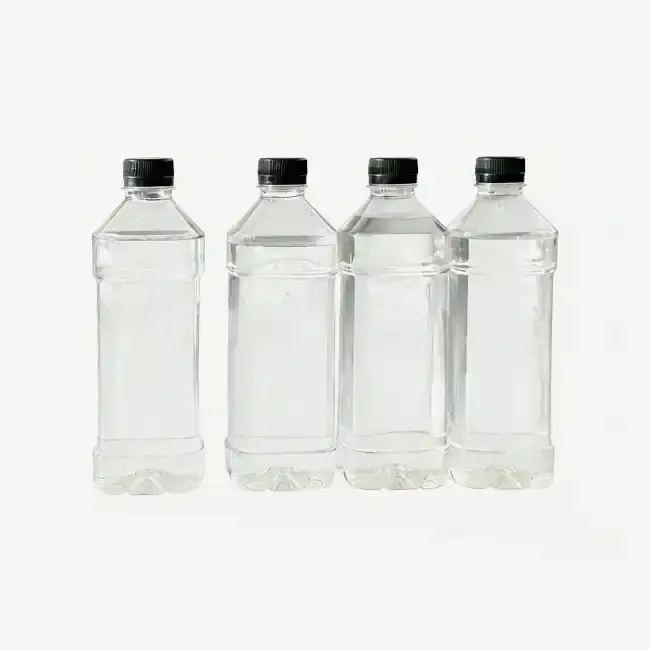
Understanding Potassium Acetate Deicing Liquid
Chemical Mechanism and Ice Bonding Reduction
Deicing liquid potassium acetate works well as an anti-icing agent because it can dissolve in cold water. When the solution is put on surfaces before it rains or snows, it lowers the freezing point of water through colliding effects. The acetate ions (CH3COO-) and potassium cations (K+) break down the hydrogen bonds that hold water molecules together, which stops them from forming hard ice lattice structures. Molecular interference lowers the sticking power of ice by up to 70% compared to surfaces that haven't been treated. This makes mechanical removal much easier afterward. The specific gravity of 1.25 to 1.30 makes sure that the solution gets through the snow and stays on the sidewalk surface instead of being washed away by rain or snow.
Comparative Performance Analysis
More and more, city governments and airport managers are looking at deicing options based on more than just their ability to melt ice. Compared to magnesium chloride, calcium chloride, and urea-based alternatives, deicing liquid potassium acetate has clear advantages in a number of operational areas.
Even though chloride-based deicers work well at first, they pose big problems in the long run. Through osmotic pressure damage, calcium chloride speeds up the breaking of concrete and attacks aluminum aircraft parts. Magnesium chloride only works up to about -15°C, which makes it less useful during very cold spells. Both of these things cause rebar reinforcement in bridge decks and road infrastructure to rust over time.
Urea formulations cause problems for the environment that are leading to more and more fines from the government. When urea breaks down, it creates ammonia molecules that raise the biological oxygen demand of the water it enters, making it less oxygenated, which is bad for aquatic ecosystems. The nitrogen loading leads to algal blooms and a long-term decline in water quality.
Because they don't corrode and break down quickly in living things, deicing liquid potassium acetate does not have these problems. Transportation agencies have done tests in the field that show deicing liquid potassium acetate keeps pavement friction coefficients above important safety levels at temperatures where chloride options stop working. The solution meets the requirements of SAE AMS 1435 for aerospace materials, which means it can be used with aircraft aluminum alloys and composite materials that are used in current flight infrastructure.
Environmental and Safety Profile
There is more and more pressure on procurement teams to find a balance between business efficiency and environmental responsibility. This stress is eased by deicing liquid potassium acetate's good environmental profile. Biodegradation takes place naturally, so the solution doesn't build up in the earth or groundwater. While chloride ions stay in groundwater for a long time and pollute them, deicing liquid potassium acetate molecules are broken down by microbes within weeks into carbon dioxide and water.
Aquatic toxicity testing shows that at normal application concentrations, the substance has little effect on fish and invertebrates. The normal to slightly alkaline pH range of 7.5 to 9.2 stops the acidity problems that come with some other deicers. When treatment rates are the same as what is suggested, plants next to treated surfaces don't show any phytotoxic stress.
From a safety point of view, the approach doesn't pose many working risks. The flash point of the product is higher than 100°C, so there are no fire risks while it is being stored or used. In addition to normal chemical safety rules, instructions for personnel exposure allow handling without special protective gear. The slightly sour smell lets you know when there are leaks or spills without being dangerous to breathe in.
Key Advantages of Potassium Acetate Over Other Deicing Liquids
Performance in Extreme Low Temperatures
Infrastructure workers who work in harsh winter areas need deicing options that still work when the temperature drops. At temperatures as low as -60°C, deicing liquid potassium acetate is still liquid and workable, giving you extra safety that you can't get with other options. This ability to work in very high temperatures is very important for northern airports and mountain pass roads, where the weather often goes above what chloride-based goods can handle.
The low-temperature viscosity of the solution makes sure that the spray covers the whole area and gets deep into it, even when there are polar vortex events. Operators of the equipment say that standard application nozzles consistently atomize the mixture without the clogging or crystallization problems that happen with other formulations. This dependability directly means that working plans are kept and weather-related delays are cut down.
Infrastructure Protection and Asset Preservation
Capital infrastructure is a huge investment that needs to be kept safe from breaking down quickly. Damage from traditional deicing salts that causes corrosion costs cities and facility owners billions of dollars every year in repairs and replacement costs. Because they don't corrode, deicing liquid potassium acetate gets rid of this financial burden.
Deicing liquid potassium acetate works especially well for bridge deck uses. Chloride getting into concrete oxidizes rebar and weakens the structure over time, requiring expensive repair programs. Independent tests show that using deicing liquid potassium acetate doesn't cause any corrosion current to be measured in steel reinforcement that is embedded, even after years of using it season after season. Compared to control sections that were exposed to chloride, concrete surfaces treated with deicing liquid potassium acetate don't show any scaling, spalling, or microcracking.
Because airplane aluminum alloys, magnesium parts, and cadmium-plated gear are close by, airport conditions make corrosion even worse. Traditional deicing salts are very harsh on these materials, which makes them harder to maintain and could be dangerous. The deicing liquid potassium acetate made by SHANXI ZHAOYI CHEMICAL includes corrosion inhibitors that are specifically designed to protect aerospace materials. It meets the strict SAE AMS 1435 standards for runway deicing products. This compatibility lets airport managers keep operations safe and assets in good shape at the same time.
Cost-Benefit Analysis for Procurement Planning
At first, price comparisons for standard salt-based deicers tend to favor them, which could lead to inaccurate buying evaluations. A full lifetime cost study shows that deicing liquid potassium acetate is the better option when protecting infrastructure, following environmental rules, and making operations more efficient are all taken into account.
Cutting down on the number of times an application is run saves money right away. Because deicing liquid potassium acetate is better at stopping ice from forming, it only needs to be applied once during storms, which saves money on labor and equipment. When optimized application protocols are followed, highway maintenance contractors say they use 30 to 40 percent less material each winter than with chloride-based programs.
The benefits of preserving infrastructure build up over budget cycles. By preventing corrosion damage, you can extend the life of the pavement, the time between deck maintenance, and the time between equipment replacements. When transportation agencies compare the costs of the deicing liquid potassium acetate program to the costs of fixing damage caused by chloride, they record payback periods of three to five years.
The prices of environmental compliance are having a bigger effect on buying choices. Authorities that enforce rules on the quality of stormwater charge fines for high levels of salt and nitrogen that can be higher than the savings in materials costs from cheaper options. Deicing liquid potassium acetate has a small effect on the environment, so it doesn't cause these penalties. It also helps companies keep their sustainability promises, which are becoming more important to stakeholders and regulators.

Best Practices for Applying Potassium Acetate Deicing Liquid
Application Methods and Timing Strategies
For ice prevention to work, the right time and method must be used. Anti-icing methods, in which treatments are done before it starts to rain, work better than reaction deicing methods, which are done after ice forms. Weather tracking systems should start the process when the temperature of the ground is getting close to freezing and estimates for rain show that it could accumulate.
Using calibrated tanker equipment to apply a spray gives the best coverage uniformity. Rates of application are usually between 20 and 40 gallons per lane mile, but they vary on the temperature of the surface, the amount of rain expected, and the amount of traffic. Because heat loss happens faster on bridge decks and other elevated buildings than on at-grade roads, they need higher application rates. The specific gravity of the solution keeps it on the treated surfaces instead of running off into drains.
Fixed Automated Spray Technology systems put on bridges deliver precisely timed applications that are set off by sensors in the pavement and data from weather stations. When combined with deicing liquid potassium acetate, these methods work well to keep frost away without any extra work from the user. When switching to deicing liquid potassium acetate programs, the procurement specifications should make sure that the new equipment will work with the old ones or plan for system upgrades.
Adding deicing liquid potassium acetate to solid deicers before they are used improves their function and lowers scatter loss. The liquid coating speeds up the activation of granular materials and makes them stick better to pavement. This mixed way lets you make gradual changes to the program while you gain practical experience with liquid de-icing techniques.
Dosage Guidelines and Performance Optimization
Optimizing the application rate strikes a balance between how well the material works and how well it protects the surface. The temperature of the pavement is the main factor that determines the amount. Surfaces that are colder need more of a coating to effectively lower the freezing point. Traffic volume affects holding time because tires spread out the material that was applied, so changes need to be made in areas with a lot of traffic.
Anti-icing treatments that are used to keep the ground from freezing at -1°C to -7°C usually work for 8 to 12 hours of light to moderate rain. Application rates of 25 to 30 gallons per lane-mile are recommended. As the temperature drops to about -15°C, increasing the amount of deicing liquid potassium acetate used to 35 to 45 gallons per lane mile keeps it working. Surface retention is affected by wind conditions, and during high-wind events, rates need to go up to make up for material loss.
Applications on airport runways must follow maker guidelines that are in line with SAE AMS 1435 standards. Rates are usually between 0.5 and 1 gallon per 1000 square feet, but they can be higher or lower based on the weather. Using truck spray bars to apply the deicing liquid potassium acetate at 10 to 15 mph speeds makes sure that it covers evenly without wasting too much.
Case studies from real life show the benefits of optimization. When compared to previous reactive deicing methods, a small airport in the Midwest that started using deicing liquid potassium acetate anti-icing procedures saw a 45% drop in weather-related flight delays over three winter seasons. After switching to deicing liquid potassium acetate preventive treatments, a western mountain pass highway authority saw a 60% drop in accident rates during winter weather. They said that better results were due to better surface friction maintenance.
Storage and Handling Protocols
Consistent performance in the field is guaranteed by keeping the purity of the deicing liquid potassium acetate throughout the supply chain. When stored properly in containers that work with them, deicing liquid potassium acetate can be kept for a very long time. High-density polyethylene barrels and stainless steel tanks (304 or 316 grade) are the best ways to store things without having to worry about how the materials will react with each other. Epoxy must be used to line carbon steel tanks so that they don't get light discoloration over time.
Storage sites should keep their contents from extreme temperatures and rain. Even though the solution is still liquid at very low temperatures, keeping the storage temperature above -10°C makes pumping and moving it easier. Enough air flow keeps vapor from building up in tight storage areas, but the low vapor pressure of deicing liquid potassium acetate makes outgassing less of a problem.
Parts of transfer equipment like pumps, hoses, and spray systems should be made of stainless steel or reinforced polymer. Standard materials for municipal water systems work well together, making it easier to add to existing systems. By cleaning lines and nozzles with clean water every so often, crystallization can be avoided during long times of inactivity.
Buying in bulk through 1000L IBC tanks or flexitank container shipping makes operations more efficient. With standard lead times of 5 to 7 business days, SHANXI ZHAOYI CHEMICAL is able to keep up with seasonal high-volume orders. This makes just-in-time inventory management possible. Buyers should make sure that delivery times work with warehouse space and pre-season stocking needs to make sure there is enough supply before winter weather starts.
Supplier Landscape and Procurement Guide for Potassium Acetate Deicing Liquid
Evaluating Manufacturers and Quality Standards
When choosing suitable providers, you need to look at more than just price. Manufacturing certificates are important for making sure that quality control systems work and that deicing liquid potassium acetate is always the same. ISO 9001 certification shows that quality control procedures have been followed, and ISO 14001 certification shows that a company is committed to environmental management. Suppliers that meet the health and safety standards set by ISO 45001 show that their operations are fully mature.
As part of the product paperwork, you need Safety Data Sheets that meet the rules in the places where the deicing liquid potassium acetate will be sold, Certificates of Analysis that show that each batch of the product meets the specifications, and technical data sheets that explain how to use the product. Suppliers should provide full traceability paperwork that connects given materials to specific manufacturing lots. This way, if there are questions about performance in the field, the supplier can quickly address them.
With more than 30 years of experience making acetate, SHANXI ZHAOYI CHEMICAL is a reliable supplier. The company keeps its deicing liquid potassium acetate annual production capacity at 150,000 tons, so supply stays stable even when demand is high during peak seasons. KOSHER and HALAL certifications show quality security that goes above and beyond what is required by normal industry standards. They show that the manufacturing process is followed and that ingredients are pure.
Critical specs should be checked during testing, such as the amount of deicing liquid potassium acetate (50–60% CH3COOK), the pH range (7.5–9.2), and the levels of heavy metals, chlorides, and sulfates that are allowed. Reliable sellers give procurement teams test results from outside labs along with their own internal quality assurance data. This gives them faith that the specifications will be met.
Bulk Purchasing Strategies
Volume commitments allow for better pricing and make sure that deicing liquid potassium acetate will be available during times of high demand. Buyers should guess how much they will need each season by looking at the number of miles of maintained roads, past weather patterns, and strategic material reserves. Multi-year supply deals keep prices stable and make sure that production is distributed evenly when the market is tight.
Clear specs, attainable release dates, and agreed upon payment terms give you negotiating power. Suppliers like buyers who make correct predictions and stay in touch during the whole buying process. Payment structures that balance the need for a deposit with terms for after delivery align everyone's interests and help both parties manage their working capital.
Transportation costs have a big effect on shipped prices, so it's important to plan your operations ahead of time. International buyers get the most out of their payloads when they ship containers using flexitanks, while local buyers get the most out of area distribution networks. Suppliers and freight forwarders work together to make sure that the right procedures are followed for handling hazardous materials and that regulations are followed when they apply.
Because SHANXI ZHAOYI CHEMICAL has long-term relationships with foreign shipping companies, they can offer cheap freight rates and guaranteed capacity during busy export seasons. The company accepts different types of trade terms, such as FOB, CIF, and DAP. This lets buyers choose structures that work best for them in terms of logistics and risk tolerance. Custom packaging solutions can be used with certain handling equipment or storage layouts, which makes it easier for operations to work together.
OEM and Customization Capabilities
For some uses, the deicing liquid potassium acetate needs to be changed to fit the specific operating requirements. Customization choices include changing concentrations for certain temperature ranges, adding tracer dyes for application confirmation, and creating custom corrosion inhibitor kits for particular metals. Manufacturers who can do technical development work together on these needs, helping with product tests and field trials.
Distributors and service companies can sell deicing liquid potassium acetate under their own brands thanks to OEM agreements. These agreements help brands grow while using already-established manufacturing infrastructure. Suppliers that offer OEM services usually offer customized packaging, the creation of technical literature, and regulatory support materials that are made to fit the needs of specific markets.
Before committing to large orders, buyers who want to customize should ask for pilot batch production. This method lets you try modified deicing liquid potassium acetate in the field, where it will actually be used, to make sure it works as intended. During this validation process, technical help from supplier applications experts is very helpful because it helps to understand the results and make the specs more precise.
Future Outlook and Innovations in Potassium Acetate Deicing Solutions
Emerging Formulation Technologies
The main goals of research into improved deicing liquid potassium acetate are to increase the temperature ranges where they work well and make the surface stick better in tough circumstances. In lab tests, additive packages that contain organic anti-freezing substances showed promise. These packages could make operations possible beyond the current -60°C limits. These advanced formulations are made for specific uses, like operating arctic airfields and mountain pass corridors at high elevations.
Biodegradable strengthening agents are being worked on to make deicing liquid potassium acetate thicker, which would help it stay in place on steep slopes and vertical surfaces. With this technology, deicing liquid potassium acetate could be used for more things, like bridge lines, overhead buildings, and other shapes where runoff makes it less useful right now. Environmental friendliness is still the most important thing in these development efforts, making sure that new ingredients keep the good environmental character that sets deicing liquid potassium acetate apart from older products.
Colorimetric markers added at low quantities could show visually if the deicing liquid potassium acetate (CAS NO.: 127-08-2)was spread evenly, which has been a problem in anti-icing operations for a long time. At the moment, operators use experience and other secondary signs to figure out how uniform the service is. Formulations with tracer dyes that are safe for the environment and can be seen under certain lighting conditions would allow real-time application testing without the need for special detecting gear.
Integration with Automated Winter Maintenance Systems
Infrastructure that is connected and vehicle technology that is built in make winter maintenance plans more complex. Road Weather Information Systems that collect real-time data on the temperature, moisture, and friction of the pavement can make treatment suggestions that are best for the current conditions. Deicing liquid potassium acetate works well in these advanced programs because it has consistent fluid properties and predictable performance traits.
Fleet management systems can check application rates and coverage patterns with GPS tracking and sensors mounted on vehicles. This creates proof for quality assurance and regulatory compliance. This data connection helps with efforts to keep getting better by finding the best times to use products and ways to make dosages more accurate. Machine learning algorithms that look at past weather trends, treatment records, and result metrics can make predictive models that are more and more accurate, which increases the efficiency of deicing liquid potassium acetate even more.
FAST bridge deck systems are examples of fully automated technology that is now developed and ready to be used more widely. These permanently placed spray arrays that are turned on by sensor networks and weather forecasts have been shown to keep important buildings from freezing over. To get more people to use it, it needs to keep showing that it saves money over time and works with deicing liquid potassium acetate that meets standards for being compatible with aerospace materials.
Regulatory Evolution and Sustainability Initiatives
As concerns about water quality grow, environmental rules that govern winter maintenance practices keep getting stricter. Total Maximum Daily Load standards for chlorides in sensitive areas are making it harder to use salt, which is pushing the market toward other chemicals. Deicing liquid potassium acetate has a small effect on the environment, which makes it a good choice as these rules change.
Beyond just following the rules, a company's commitment to sustainability affects its purchasing decisions. When groups set goals to reduce greenhouse gases and be good stewards of the environment, they look for deicing methods that fit with these principles. Deicing liquid potassium acetate helps sustainability stories by protecting ecosystems, making structures last longer, and using less material than reactive salt-based methods.
More and more, green building approval programs like LEED look at site management practices in addition to how well the building shell works. Credits for sustainable site development and stormwater management can be earned by following winter maintenance plans that use deicing liquid potassium acetate. This trend makes the market more appealing to people who run commercial property management businesses and run institutional facilities, as well as people who buy and maintain infrastructure.
Conclusion
Deicing liquid potassium acetate has many benefits that make it perfect for the complicated needs of modern winter repair operations. Deicing liquid potassium acetate programs are different from other options because they work well in very cold weather, protect infrastructure, are environmentally friendly, and have low lifetime costs. When procurement professionals are looking at deicing strategies, they should compare these many benefits to simple upfront cost comparisons that hide the real value propositions.
The technical performance meets the needs of regulators and helps the company reach its environmental goals. Because it works with automatic application systems and can be added to predictive maintenance programs, deicing liquid potassium acetate(CAS NO.: 127-08-2) is a smart choice that fits with current trends in modernizing infrastructure. Choosing qualified suppliers with proven production skills, full certifications, and reliable transportation networks is the best way to make sure that the program goes smoothly and operations stay open during the busy winter months.
FAQ
How does potassium acetate compare environmentally to traditional rock salt?
Deicing liquid potassium acetate is better for the environment than sodium chloride rock salt in many ways. Chloride ions build up over time and pollute drinking water aquifers, but deicing liquid potassium acetate breaks down quickly through natural microbial pathways and doesn't stay in groundwater or soil systems. Testing in water shows that standard application concentrations have little effect on fish and invertebrates. When deicing liquid potassium acetate is applied at the recommended rates, plants don't show any signs of stress. However, chloride salts damage many plants along treated corridors. Because of these differences, deicing liquid potassium acetate formulations are better in watersheds that are good for the environment and close to protected habitats.
What certifications should buyers verify when procuring deicing liquid potassium acetate?
Safety Data Sheets that follow the rules of the target market, Certificates of Analysis that say each batch meets the requirements, and ISO 9001 quality management approval are all important pieces of paperwork. For use at airports, make sure the deicing liquid potassium acetate meets the requirements of SAE AMS 1435. Suppliers should show test results for important factors like deicing liquid potassium acetate percentage, pH, heavy metal content, and rust performance. KOSHER and HALAL certifications are not required for deicing applications, but they show strict standards for quality control and ingredient purity that show how well the product is made as a whole.
Can potassium acetate be stored in existing deicing equipment?
Compatibility depends on the materials used in the current tools. There are tanks, pumps, and spray systems made of high-density polypropylene and stainless steel that work well with deicing liquid potassium acetate. Epoxy coating is needed on carbon steel to keep it from getting slightly discolored after being stored for a long time. Standard parts for city water systems work with each other, which makes integrating the infrastructure easier. If a building is currently using magnesium chloride or liquid calcium chloride, it can usually switch to deicing liquid potassium acetate after cleaning well to get rid of any remaining chlorides. Before committing to large-scale conversions, check with equipment makers and sellers to make sure that the materials will work with certain setups.
Partner with SHANXI ZHAOYI CHEMICAL for Reliable Deicing Solutions
To get reliable supplies of high-performance deicing liquid potassium acetate, you need to work with makers who have a track record of trustworthiness and technical know-how. SHANXI ZHAOYI CHEMICAL has been specializing in the production of deicing liquid potassium acetate for more than thirty years and makes enterprise-grade formulations that meet strict international quality standards. Our yearly production capacity of 150,000 tons ensures a steady supply, even during the busiest winter months. Our ISO 9001, ISO 14001, and ISO 45001 certifications show that we have complete quality and environmental management systems.
We help procurement teams with the whole buying process by giving them technical documentation, application advice, and custom logistics solutions that fit your needs. Our team provides quick service and reliable product performance whether they are buying deicing liquid potassium acetate for city roads, airport operations, or industrial facility maintenance. You can email us at sxzy@sxzhaoyi.com to talk about your unique needs, ask for samples of our products, or get full quotes for bulk deicing liquid potassium acetate supply. As a top provider, we know how to set up deals that support your winter maintenance goals while getting the most value for you.
References
1. Highway Research Board, "Alternative Chemicals for Highway Deicing Applications," Transportation Research Record, National Academy of Sciences, 2018.
2. Airport Cooperative Research Program, "Aircraft and Airfield De/Anti-Icing Material Performance Standards," ACRP Report 135, Transportation Research Board, 2015.
3. American Society for Testing and Materials, "Standard Practice for Corrosion Testing of Industrial Maintenance Paints," ASTM D4285-14, ASTM International, 2020.
4. Environmental Protection Agency, "Aquatic Life Criteria for Chloride in Fresh Water," EPA Publication 822-R-09-001, Office of Water, 2016.
5. Fischel, Mark, "Evaluation of Selected Deicers Based on a Review of the Literature," Colorado Department of Transportation Report CDOT-2001-1, 2001.
6. Transportation Association of Canada, "Synthesis of Best Practices: Road Salt Management," TAC Publication ENV-06, 2013.

USER EVALUATE
Here is the customer's evaluation of us