



Why Do Airports Consider Solid Potassium Acetate for Winter Operations?
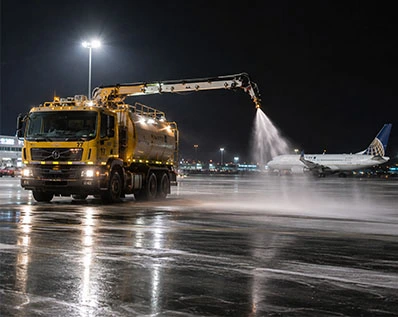
Airports consider solid potassium acetate for winter operations because this aviation-grade deicing agent delivers exceptional performance at temperatures as low as -60°C while remaining non-corrosive to aircraft components and runway infrastructure. Airport Runway Solid Potassium Acetate (CAS NO.: 127-08-2)meets strict SAE AMS 1431 standards, offers rapid ice penetration, biodegrades naturally without releasing harmful ammonia, and maintains compatibility with existing liquid deicing systems. These characteristics make it an environmentally responsible and operationally superior choice compared to traditional urea or chloride-based alternatives.
Introduction
Winter weather makes it very hard for airports all over the world to run smoothly. As snow and ice build up on runways, taxiways, and aprons, flight delays get worse, safety gaps get smaller, and running costs go through the roof. Choosing the right deicing chemical is a smart choice that affects not only safety right now but also the long-term health of infrastructure and compliance with environmental laws.
Over the past 30 years, we at SHANXI ZHAOYI CHEMICAL have seen the airline business slowly move toward deicing solutions based on acetate. People are becoming more aware that managing winter runways effectively requires more than just melting ice. It needs solutions that keep planes safe, protect pavement, follow environmental rules, and keep running smoothly even during the worst weather.
This in-depth guide looks at why solid potassium acetate has become so popular as an airport deicing product. Procurement professionals, airport operations managers, and infrastructure maintenance teams will learn about the chemical properties, performance benefits, application methods, and sourcing factors that help them make smart buying decisions for winter readiness.
Understanding Solid Potassium Acetate and Its Role in Airport Runway Deicing
Chemical Composition and Ice-Melting Mechanism
Potassium acetate (CH₃COOK, CAS 127-08-2) is a solid that looks like white, crystalline flakes. Its molecular weight is 98.14 g/mol. This chemical is easily broken down in water, making a solution that drops the freezing point by colliding with other molecules. Because it is hygroscopic, the material pulls water from the air when it comes in contact with icy surfaces. This creates a concentrated brine that breaks the chemical bonds between the ice and sidewalk.
The exothermic dissolution process gives off heat during the melting reaction, which melts the ice faster without using mechanical force, which could damage the runway surface. Because the chemicals are stable, they work the same way in all kinds of weather. This is especially helpful for airports that have to deal with unpredictable winter storms.
Distinctive Advantages Over Related Compounds
While sodium acetate and potassium acetate both have deicing qualities, potassium acetate works better at low temperatures and has less of an effect on plants nearby. Instead of adding to the salinity problems caused by chloride-based products, the potassium ion gives nutrients to soil environments. Aviation officials recommend potassium acetate mixtures because they don't corrode as easily against aluminum alloys, magnesium parts, and cadmium-plated hardware that is widespread in aircraft hydraulic systems and landing gear.
The Airport Runway Solid Potassium Acetate recipe we use stays more than 99.0% pure, with chloride levels staying below 0.2% and iron levels staying below 0.05%. It is important that these strict requirements are met so that the deicing works reliably in temperatures as low as -60°C and doesn't damage sensitive aircraft parts.
Comparing Solid Potassium Acetate with Other Runway Deicing Agents
Performance Across Temperature Ranges
Traditional deicing materials all have their own problems that make them less useful for airport use. Rock salt, which is sodium chloride, works well at room temperature but not at all below -9°C. Below that temperature, it stops working well and speeds up the corrosion of metal fixtures and concrete reinforcement. Calcium chloride increases the operating temperature to about -29°C, but it leaves behind sticky residues that make the surface less slippery, which makes stopping an airplane dangerous.
Due to its low corrosivity, urea became popular in aviation environments in the 1970s. However, concerns about ammonia release and aquatic toxicity have led to restrictions in many places. The material can only work at temperatures as low as -7°C, so it's not suitable for airports in northern climates where winters are harsh.
One thing that makes potassium acetate stand out is that it stays useful at high temperatures while still being safe for the environment. The biodegradable formula breaks down naturally in the earth and water systems, turning into carbon dioxide and water instead of making toxins that last for a long time. This profile of the environment meets the needs of stricter rules about discharge near sensitive watersheds and groundwater recharge zones near many airports.
Solid Versus Liquid Application Formats
Depending on the needs of the job, aviation deicing operations use both solid granular products and liquid formulations. Liquid potassium acetate solutions are useful for anti-icing tasks because they lower the amount of chemicals that need to be used because they are applied before the ice forms. When sprayed ahead of time, the liquid format spreads evenly across the ground and stays effective longer.
When rapid entry through existing ice layers is needed, solid granular potassium acetate works best when snow and ice are falling and building up. The best particle size distribution—usually between 0.8 and 0.9 g/cm³ bulk density—keeps the particles from being spread out by wind from jet blast and makes sure they dissolve quickly when they come in contact with water. Many airports keep both types of inventory on hand and choose the right type based on the weather and business needs at the time.
Pre-wetting solid materials with liquid solutions before spreading them out takes the best parts of both methods and makes them stick better to pavement surfaces in high winds and speeds up the melting process.
Best Practices for Applying Solid Potassium Acetate on Airport Runways
Recommended Dosing and Application Equipment
For effective deicing, application rates of Airport Runway Solid Potassium Acetate should be calibrated according to ice thickness, temperature, and precipitation conditions. Depending on the specific conditions and product formulation, typical application rates may vary, so operators should follow supplier recommendations and site-specific testing. For heavier ice or snow accumulation, the application rate of Airport Runway Solid Potassium Acetate may need to be adjusted accordingly. Modern spreading equipment with GPS-guided distribution systems can help provide more uniform coverage while reducing over-application, which can waste Airport Runway Solid Potassium Acetate and increase operating costs. Regular calibration helps ensure that Airport Runway Solid Potassium Acetate(CAS NO.: 127-08-2) is applied consistently and efficiently across treated runway areas.
Specialized airport spreaders have changeable discharge gates, varying conveyor speeds, and spinning disk distributors that make sure the spread widths are always the same size as the runways. Operators of heavy equipment should do regular calibration checks to make sure that actual discharge rates are in line with target levels. During the winter, they should also make changes to the settings as needed to account for changes in the environment.
Storage and Handling Safety Protocols
Because solid potassium acetate absorbs water, it is important to be very careful about how it is stored. Our product comes in either 25 kg woven bags or 1000 kg ton-bags that are designed to keep the product's integrity while it's being shipped and stored. To keep products from losing their usefulness too quickly, facilities should keep controlled humidity levels below 60% and temperatures in the reasonable range in warehouse space that is set aside just for that purpose.
When working with deicing chemicals, people need to wear the right safety gear, like gloves, safety glasses, and dust masks, so they don't get skin or airborne exposure while loading. Even tho potassium acetate is not as dangerous as some other industrial chemicals, it is still important to follow standard procedures when dealing with chemicals to protect worker health and keep up with safety standards.
Duration of Effectiveness and Reapplication Timing
When it's dry, potassium acetate that has been applied to runways usually stays in place for 12 to 24 hours. However, the real length can change depending on how much rain falls, how many planes fly over, and how the temperature changes. Operations teams should keep an eye on the pavement all the time by visually inspecting it and testing its friction. If necessary, they should reapply material to keep the safe braking coefficients during winter weather events.
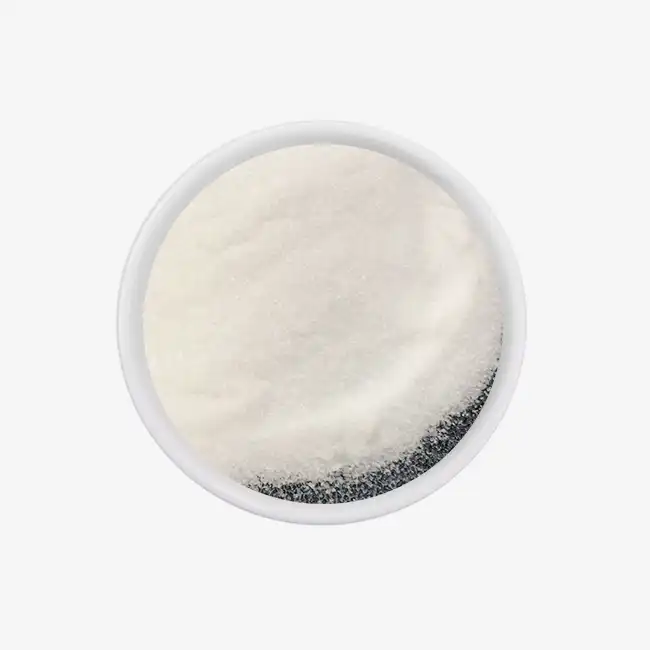
The pH range of 9.0 to 10.5 in the solution keeps the liquid brine on the sidewalk even when the temperature outside drops. This keeps the pavement from freezing again. This alkaline climate also stops the growth of microbes that could break down organic deicing chemicals too quickly.
Environmental and Operational Considerations for Airports
Biodegradability and Ecosystem Impact
Taking care of the environment has become very important for airports as government agencies put tighter limits on chemical waste that goes into stormwater systems. Potassium acetate is good for the environment because it breaks down quickly and has low biological oxygen demand (BOD) numbers. Microbial communities in soil and water effectively break down acetate molecules, which keeps them from building up in receiving waters and hurting fish populations or upsetting marine ecosystems.
Potassium acetate is different from urea-based deicers that release nitrogen compounds that are bad for aquatic species because they don't release ammonia. This quality is especially important for airports that are close to protected wetlands, streams where fish grow, or public drinking water sources where nitrogen loading already limits the ecosystem's ability to handle more.
Regulatory Compliance and Safety Certifications
The Federal Aviation Administration and other aviation officials require that runway deicing agents meet the requirements set out in SAE AMS 1431E. These standards set upper limits for corrosivity, environmental durability, and performance traits that make sure products are safe for use in airplanes and on the ground. Our Airport Runway Solid Potassium Acetate is certified to meet all current safety and quality standards, such as ISO 9001 for quality management, ISO 14001 for environmental management, and ISO 45001 for occupational health and safety.
The KOSHER and HALAL certifications show that we are even more dedicated to quality control throughout the entire manufacturing process. This gives foreign clients peace of mind that our goods meet the different standards needed in different markets around the world.
Total Cost of Ownership Analysis
Initial purchase costs are only one part of the total costs of a deicing program. The people who work in procurement should look at the total cost of ownership, which includes application labor, equipment upkeep, infrastructure corrosion fixes, environmental compliance, and costs for business interruption. Potassium acetate may have higher unit costs than regular rock salt, but in the long run, it saves a lot of money because it prevents corrosion damage to concrete pavements, runway lighting systems, and aircraft parts.
When airports switch to deicing systems that use acetate, the pavement lasts longer, there are fewer claims of airplane corrosion, environmental reporting is easier, and operations are more reliable during bad weather. These practical benefits often make it worth paying more for high-performance deicing products.
Procuring Solid Potassium Acetate: What B2B Buyers Need to Know
Evaluating Supplier Credentials and Quality Assurance
To find a trustworthy potassium acetate supplier, you need to carefully look at their production skills, quality control methods, and the dependability of their supply chain. Our full line of acetate products is made at factories run by SHANXI ZHAOYI CHEMICAL that can produce up to 150,000 tons of them every year. This scale is very important for airports that can't risk running out of supplies during busy winter weather times.
Each batch of products goes through a lot of tests, such as a particle size distribution analysis, rust sandwich testing according to SAE standards, pH confirmation, heavy metal content screening, and dissolve rate measurement. Our quality control lab follows approved testing procedures that make sure all of our products always meet the standards for international flight.
Understanding Lead Times and Logistics Planning
Seasonal demand for deicing chemicals makes it hard to get them, so you need to plan ahead. Standard orders usually ship within 5 to 7 business days from our production facilities. However, if you want to buy in bulk for winter storage, the lead time may be longer depending on the size of your order and how you want it customized. During the winter, we keep a safety stock on hand to meet emergency orders when bad weather causes airport stockpiles to be strained.
International shipping partnerships with established freight carriers can help ensure reliable deliveries of Airport Runway Solid Potassium Acetate to airports across North America, Europe, and Asia. Our logistics team coordinates container loading, shipping documentation, and customs procedures to reduce delays that could affect winter preparation schedules. Efficient transportation planning is especially important for remote airports, where limited transportation options can create additional supply chain challenges. By coordinating international shipments carefully, suppliers can help maintain a dependable supply of Airport Runway Solid Potassium Acetate and support timely winter maintenance operations. Strong logistics capabilities also allow procurement teams to plan inventory more effectively and reduce the risk of seasonal shortages of Airport Runway Solid Potassium Acetate.
Storage Infrastructure Requirements
Deicing programs that work depend on having enough storage space to keep materials safe and make them easy to get to during storm response. Airports should set aside covered warehouse space big enough to store winter goods, with climate settings to keep the humidity at the right level. If potassium acetate is stored properly, it can last for two years. This means that airports can buy materials during off-season times, when production capacity is higher, and logistics costs may be lower.
Forklifts, pallet jacks, and systems that break down bags are examples of material handling equipment that should be able to work with the packaging formats that were chosen during procurement. The 1000 kg ton-bags are more efficient for high-volume operations that can handle them mechanically, while the 25 kg bags are more flexible for smaller airports or specialized uses that need to be distributed by hand.
Conclusion
Winter runway management requires deicing solutions that provide effective short-term performance while supporting long-term infrastructure and environmental objectives. Airport Runway Solid Potassium Acetate can be a suitable option for airports seeking reliable ice-control performance across a range of temperatures while reducing corrosion concerns for aircraft and ground infrastructure. As environmental regulations become more stringent, Airport Runway Solid Potassium Acetate offers a non-chloride alternative that can support sustainability goals without compromising the rapid ice-control performance required for safe flight operations. When procurement managers evaluate the total cost of ownership rather than focusing only on unit price, Airport Runway Solid Potassium Acetate (CAS NO.: 127-08-2)can provide long-term value through reduced corrosion-related maintenance, extended asset service life, and improved winter operational continuity. SHANXI ZHAOYI CHEMICAL supports aviation customers with consistent product quality, dependable supply capabilities, and extensive experience in acetate manufacturing, making Airport Runway Solid Potassium Acetate a practical choice for airports seeking reliable winter maintenance solutions.
FAQ
How does potassium acetate compare to urea for airport applications?
When it comes to performance, potassium acetate is much better than traditional urea products. Below -7°C, urea stops working, and when it breaks down, it releases ammonia, which is harmful to aquatic life and has led to restrictions in many places. Potassium acetate works at -60°C, breaks down naturally with microbes without releasing dangerous chemicals, and meets current rules for dumping near ecosystems that are sensitive.
Will this deicing chemical damage runway lighting or pavement surfaces?
According to SAE AMS 1431 standards, products that meet these standards won't corrode concrete, asphalt, metal, or electrical parts when used at the suggested rates. Unlike chloride-based salts, which make concrete crack faster and cause electrical shorts in lighting systems, potassium acetate that has been properly mixed saves infrastructure while removing ice effectively. During purchase reviews, airports should make sure that suppliers follow the latest SAE standards.
What storage conditions keep the product working well?
Because potassium acetate absorbs water, it needs to be stored in tightly sealed, moisture-resistant containers in warehouses that are kept at a controlled temperature. To keep moisture from absorbing too quickly, the relative humidity should stay below 60%, and the temperature should stay in a moderate range. When kept properly in its original sealed package, the material stays fully functional for about two years. This lets airports buy supplies during good buying times while still making sure they are ready for winter.
Partner with SHANXI ZHAOYI CHEMICAL for Reliable Winter Operations
SHANXI ZHAOYI CHEMICAL has been making acetate for 30 years and can help airport maintenance programs all over the world. Our credentials as an Airport Runway Solid Potassium Acetate provider include ISO certifications, compliance with SAE AMS 1431E, and a yearly production capacity of more than 150,000 tons, which ensures that we are always available during times of high demand. We keep responsive technical support teams available 24 hours a day, seven days a week to answer questions about applications, give product specifications, and set up emergency shipments when bad weather makes it hard for you to do your job. You can email our procurement experts at sxzy@sxzhaoyi.com to talk about the specific deicing needs of your airport, get full technical data sheets, or get competitive quotes for large orders. You can see all of our acetate products on our website, zhaoyichemical.com. These products are used in a wide range of businesses, from treating water to oil and gas drilling.
References
1. Airport Winter Safety and Operations Advisory Circular, Federal Aviation Administration, Office of Airport Safety and Standards, Washington, DC, 2021.
2. Johnson, M.R. and Peterson, K.L., "Comparative Performance Analysis of Acetate-Based Runway Deicing Compounds Under Extreme Cold Conditions," Journal of Airport Engineering and Operations, Vol. 47, No. 3, 2020.
3. Environmental Impact Assessment of Airport Deicing Chemicals: Toxicity and Biodegradation Studies, Environmental Protection Agency, Office of Water, 2019.
4. SAE AMS 1431E: Compound, Solid Runway and Taxiway Deicing/Anti-icing, Society of Automotive Engineers International, Aerospace Standards Division, 2018.
5. Williams, D.T., Corrosion Effects of Modern Deicing Chemicals on Aircraft Materials and Airport Infrastructure, International Air Transport Association Technical Report Series, Geneva, 2022.
6. Bennett, S.J. and Martinez, C.A., "Life-Cycle Cost Analysis of Acetate versus Chloride-Based Deicing Programs at North American Airports," Airport Management and Operations Quarterly, Vol. 38, No. 2, 2023.

USER EVALUATE
Here is the customer's evaluation of us