



Why Potassium Acetate Is Ideal for Sensitive Transportation Areas
When winter weather hits, airlines have to keep the runways safe without putting the environment at risk or putting passengers at risk. Since it is efficient, good for the environment, and protects infrastructure, airport runway solid potassium acetate has become the gold standard for deicing operations in sensitive traffic zones. This aviation-grade answer fixes the main problems with regular deicing chemicals while also meeting the strict needs of modern airport operations, especially in areas that are sensitive to the environment and are close to protected waters, wildlife habitats, and residential areas.
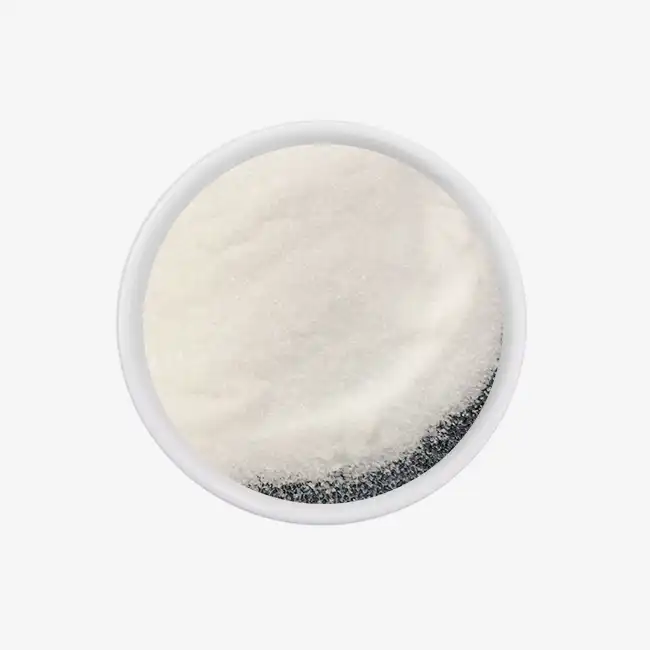
Understanding Potassium Acetate and Its Role in Airport Runway Deicing
Professionals in the aviation industry know that choosing the right deicing agent is key to running smoothly during the winter. The way potassium acetate works chemically is very complex and is very different from how regular road salts work.
The Science Behind How Well Ice Melts
Potassium acetate (CH₃COOK) can greatly lower the freezing point of water because of the way its molecules are structured. When these white crystalline pellets are put on runways, they start an exothermic process right away that releases heat as they break down. This two-step process lowers the freezing point of chemicals and releases thermal energy. This makes brine spaces under layers of ice up to 6 mm thick, which weakens the connection between the ice and the ground.
Even when temperatures drop to -60°C, the substance still works well, which is better than almost all other deicing products. This ability to work in very cold weather is very important for airports in the north, where operations must continue during harsh winter storms.
Environmental Advantages in Sensitive Zones
Chemical waste is closely watched at airports that are close to protected areas. Chloride-based salts that are used today pollute waterways, hurt plants, and build up in soil, causing long-term environmental problems. Potassium acetate breaks down naturally without giving off dangerous ammonia. This is a key difference from urea-based goods that are no longer made because they are bad for the environment.
It is made of recyclable biological material that breaks down naturally into carbon dioxide and water. Alternative deicers based on acetate are seen as better for the environment by regulatory bodies like the EPA. This means that airports can keep up with stricter environmental rules without losing practical safety.
Comparing Potassium Acetate with Other Common Runway Deicing Chemicals
When procurement managers look at deicing choices, they have to balance a number of performance factors against operational needs and price limits. When you know how different chemicals compare, you can see why flight professionals are using potassium acetate more and more for runway uses.
Performance Comparison Across Chemical Categories
In the past, traditional urea worked well when temperatures were mild, but it stops working at -7°C. Calcium chloride and rock salt corrode aluminum alloys, magnesium parts, and sensitive electronics in airplanes, making upkeep too hard. Sodium acetate is better for the climate in some ways, but it melts less easily than its potassium cousin.
Calcium magnesium acetate is less likely to corrode than chlorides, but it needs to be applied more heavily to get the same effects, which raises the cost of the material and makes it more difficult to store. Airports can use less application volume while still staying safe with aviation-grade potassium acetate because it melts better per unit weight.
Solid Versus Liquid Formulations
Airport runway solid potassium acetate and liquid potassium acetate both have their own specific uses. Liquid anti-icing products work great for pre-treatment tasks because they create a chemical layer that stops ice from sticking together. Solid formulations have benefits during busy weather and situations where deicing is needed to heal.
The fact that solid potassium acetate is made up of grains makes it easier to move around. Solid materials stay stable for long amounts of time when they are stored properly, making storage easier. Solid deicers have application equipment that lets you precisely control the distribution, and the optimized particle size distribution stops wind scattering during jet blast conditions. A lot of airports use a mix of methods, using liquids for preventative care and solid flakes for times when a lot of snow builds up.

Best Practices for Safe and Effective Application of Solid Potassium Acetate on Runways
To get the best deicing results with the least amount of waste, you need to follow tried-and-true application methods. Airport repair teams that use organized methods get better results while spending less on operations.
Application Rate Guidelines
The right application rates depend on the environment. For light snow, 50 to 100 pounds per thousand square feet is usually enough. For heavy ice, 150 to 200 pounds per thousand square feet may be needed. Temperature has a big effect on the amounts that are needed—lower outdoor temperatures require higher application rates to get the same melting performance.
Timing is also very important. When you apply anti-icing before it starts to rain, you use fewer chemicals than when you use therapeutic deicing after the ice has stuck to the ground. Using pre-wet methods that mix airport runway solid potassium acetate grains with liquid potassium acetate during application makes the sidewalk stick better and speeds up the melting process. This combined method has shown to cut the amount of chemicals needed by 30 to 40 percent while improving ice control results.
Storage and Handling Protocols
Because potassium acetate is hygroscopic, it needs to be stored with care. Warehouses must be kept dry, well-ventilated, and with controlled humidity levels below 60%. When kept in the right conditions, material saved in sealed packages stays useful for twelve months. Extremes of temperature should be avoided when storing the chemical, but it can handle a wide range of temperatures when it is being used.
Standard chemical safety practices are emphasized in personnel handling routines. Even though potassium acetate is not as dangerous as some industrial chemicals, workers should still wear the right safety gear, like gloves and eye protection. Training programs make sure that repair teams know how to use the right tools, do their jobs correctly, and know what to do in an emergency.
Procurement and Supply: How to Source Quality Solid Potassium Acetate for Airports?
If airports can keep up their deicing ability throughout the winter, it depends on how well they set up dependable supply relationships. To make sure that materials are of good quality and deliveries are reliable, procurement workers have to look at a number of factors about suppliers.
Evaluating Supplier Credentials
Supplier certifications and processing guidelines for airport runway solid potassium acetate are the first steps in making sure quality. Aviation-grade airport runway solid potassium acetate has to meet strict SAE AMS 1431E standards for cleanliness, which include having at least 99.0% potassium acetate, no more than 0.05% water-insoluble matter, and no more than 0.2% chloride. Suppliers should give records of analysis for each batch that show they meet these standards.
Manufacturing licenses like ISO 9001 for quality management, ISO 14001 for environmental management, and ISO 45001 for workplace health standards show that production is controlled in a planned way. When buying things from other countries, KOSHER and HALAL licenses make it easier to clear customs and follow the rules in many different places. When looking for suppliers for big airport operations, production capacity is important. Suppliers with annual capacities above 100,000 tons show that they can handle large, ongoing orders.
Logistical Considerations
Different operating scales can be accommodated by flexible packaging choices. Standard 25 kg weaved bags work well for smaller airports and extra stock, while 1000 kg ton-bags are best for big hubs with motorized loading equipment because they are easier to handle. During the busy winter months, when weather delays can affect supply lines all the way down, delivery dependability is very important. Established sellers keep a safety stock and make backup plans for shipping to make sure there is a steady supply during times of high demand.
Delivery risks are lower when you work with experienced chemical shipping providers to coordinate transportation. Specialized handling keeps packages from getting damaged or contaminated with moisture while they're in transit. Lead times for regular orders are usually between 5 and 7 working days. However, big contracts for seasonal needs should be finished 20 to 30 days before the snow season starts to make sure there is enough production capacity and shipping space.
Real-World Benefits and Case Studies of Using Potassium Acetate in Sensitive Transportation Areas
The potential benefits of solid potassium acetate are backed up by documented performance data and working experience in real airport settings. When airports switched from older deicing agents, they saw improvements in a number of business measures.
Performance Metrics from Airport Operations
Regional airports that serve northern markets have reported that airport runway solid potassium acetate applied at the suggested rates can melt ice within 30 minutes, even when the temperature drops to -20°C. This quick action keeps flights on schedule during weather events that used to cause long delays. Measurements of the friction coefficient show that treated paths keep their safe stopping power during deicing operations. As the exothermic reaction goes on, high-traction surfaces form.
Operational Cost Analysis
Reviewing the maintenance budget shows that non-corrosive deicing agents cut down on the number of times that airplane parts need to be replaced. Ground support equipment that works in treated areas doesn't need to be serviced as often because the hydraulic systems don't have to deal with the seal damage that happens when salt is exposed. Most of the time, these secondary saves make up for the higher price of acetate-based products.
Integration with Advanced Technologies
Airports that are on the cutting edge are using potassium acetate in their smart winter maintenance systems. Automated weather tracking sites use predictive models to start anti-icing treatments before they're needed. This makes the best use of chemicals at the best time. Application trucks with GPS make sure that coverage patterns are exact, and they also keep records of treatments for regulatory compliance and quality checks. Through data-driven distribution strategies, these technology integrations make the most of the benefits that high-performance deicing chemicals already have.
Conclusion
When airports are in areas that are sensitive to the environment, they need deicing methods that meet the needs of safety, environmental responsibility, and business efficiency. To meet these needs, airport runway solid potassium acetate has been shown to have good chemical properties, is recyclable, and doesn't corrode. Moving from old deicing agents to aviation-grade acetate formulas is a smart investment in long-term control of infrastructure. When procurement teams look at winter repair programs, they should give more weight to providers who can show they have production knowledge, quality certifications, and reliable logistics skills to make sure that workers can always get their hands on this important equipment during the harsh winter months.
FAQ
What makes potassium acetate safer for aircraft than traditional deicing salts?
Aluminum, magnesium, and cadmium metals used in airplanes are protected from chemical breakdown by potassium acetate, which doesn't corrode. Traditional chloride-based salts oxidize these materials and damage their structures, which causes parts to fail before they should. Because acetates are organic, they don't mix with these corrosive substances. They still melt ice effectively, which lowers upkeep costs and increases the service life of airplanes.
How does the temperature change how well potassium acetate melts ice?
As low as -60°C, airport runway solid potassium acetate still works, which is much better than options like urea (which only works at -7°C) and regular chlorides. To get the same melting ability at lower temperatures, application rates need to be raised. The exothermic dissolution process adds extra thermal energy that speeds up the melting of ice, even in very cold weather. This makes it perfect for airports in harsh winter conditions where operations must continue without fail.
What environmental certifications should airports verify when sourcing potassium acetate?
Specifications for purchases should include a requirement for ISO 14001 environmental management certification that shows the factory follows a set of environmentally friendly steps while making the goods. SAE AMS 1431E compliance makes sure that the product meets the environmental standards of the aircraft business. Suppliers should show proof that their products have been tested for biodegradability and that they follow EPA rules. It is important for material safety data sheets to say that they are low in water toxicity and don't contain any lingering environmental pollution.
Partner with Zhaoyi Chemical for Premium Airport Runway Solid Potassium Acetate Supplier Solutions
Zhaoyi Chemical offers deicing options for airplanes that are backed by more than 30 years of manufacturing success. Our factory can consistently make 150,000 tons of goods every year, making sure that airports of all kinds have a steady supply. We meet SAE AMS 1431E standards as a certified airport runway solid potassium acetate manufacturer by following strict quality control methods and checking each batch thoroughly. Our product is ≥99.0% pure and has the best particle spread for better runway performance. We have flexible packing in 25 kg bags and 1000 kg ton bags that can't be opened by water. Our normal lead times are 5 to 7 days, and we offer 24/7 technology help that responds within 2 hours. We also offer customization services for specific needs. You can email us at sxzy@sxzhaoyi.com to talk about your winter operations needs and set up a supply relationship with a known leader in the field that is dedicated to safety, sustainability, and providing excellent service.
References
Society of Automotive Engineers. "Aircraft Ground Deicing/Anti-Icing Processes, SAE AMS 1431E Standard." SAE International Aerospace Standards, 2018.
Transportation Research Board. "Airport Winter Safety and Operations: Comparative Analysis of Deicing Chemical Performance and Environmental Impact." National Academies Press, 2020.
Environmental Protection Agency. "Biodegradability and Environmental Fate Assessment of Acetate-Based Deicing Compounds in Airport Applications." EPA Environmental Engineering Research, 2019.
International Civil Aviation Organization. "Airport Services Manual: Snow, Ice, and Slush Removal Using Environmentally Responsible Materials." ICAO Technical Publications, 2021.
American Association of Airport Executives. "Best Management Practices for Airport Winter Operations: Chemical Selection and Application Protocols." AAAE Operations Technical Committee, 2022.
Journal of Cold Regions Engineering. "Comparative Thermal Performance of Organic Salt Deicers in Extreme Low-Temperature Aviation Applications." American Society of Civil Engineers Publications, 2023.

USER EVALUATE
Here is the customer's evaluation of us