



Potassium Acetate for Offshore Drilling: Key Advantages
When drilling operations in the ocean have problems like wellbore instability, shale swelling, and equipment corrosion, drilling solid potassium acetate comes up as a safe answer. Additionally, this very pure white crystalline substance (CH3COOK) works better in harsh marine settings than other chloride-based additives previously used. It stabilizes unstable clay forms and keeps downhole equipment safe because it dissolves easily in water and exchanges potassium ions. In current drilling projects, companies working offshore like this acetate-based formulation more and more because it meets both technical performance and environmental standards while still being effective.
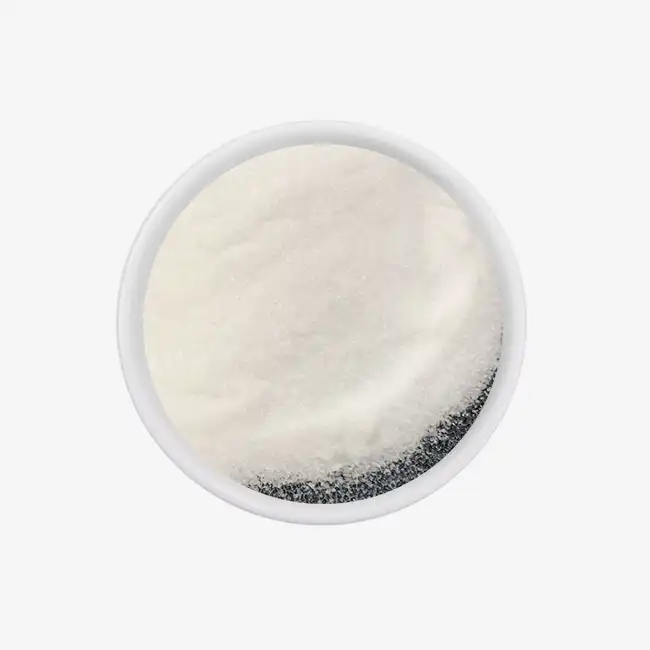
Understanding Drilling Solid Potassium Acetate
Chemical Properties and Technical Specifications
KOAcet (CH3COOK, molecular weight 98.14, CAS 127-08-2) has special benefits when used as a drilling fluid because of the way its molecules are structured. This brittle solid dissolves easily in water, acid, and alcohol, so it can be mixed quickly into drilling systems without the need for special tools. Zhaoyi Chemical makes high-purity formulations that keep chloride levels below 0.2% and active ingredients at least 99.0% pure. This makes sure that the formulations work the same way in a wide range of geographic conditions.
The solid form is easier to ship than watery options that need to be kept at a certain temperature. It can be stored on-site by drilling companies, who can reduce it to exact gravities as needed. This saves money on shipping and makes storage easier. The crystalline structure stays fixed even when the temperature changes, so it keeps its chemical purity from the warehouse to the wellhead.
Mechanisms for Wellbore Stabilization
Through cation exchange, potassium ions move through the crystal structures of clay in shale layers and replace sodium and calcium ions. This process makes the spaces between clay minerals smaller, which stops water from soaking in and causing the clay to swell and flake. The acetate anion is useful because it can buffer, which means that it can keep the pH level of drilling fluids stable even when they come into contact with acidic or basic formation waters.
In deep ocean wells where temperatures below the water level are higher than 150°C, thermal stability is very important. Potassium acetate keeps its inhibitive properties better at high temperatures than many other additives, which keeps the wellbore intact during the digging process. Because it is more resistant to heat, it needs fewer fluid treatments and less time spent not working.
Corrosion Mitigation Advantages
Acetate-based systems are different from regular potassium chloride muds because they don't contain chloride ions. Carbon steel drill lines and casing rust faster when chlorides are present, especially in hot places where air can get in. Our drilling solid potassium acetate formulas lower the rate of corrosion on carbon steel to less than 0.03g/m²·h. This makes tools last longer and costs less to maintain. The acetate part stops light rusting by creating protective layers on metal surfaces. It does this without changing the weight or rheological properties of the mud.
Comparing Drilling Solid Potassium Acetate with Alternative Solutions
Performance Against Potassium Chloride Systems
Potassium chloride has been the standard shale stopper for decades, but it doesn't work well in offshore places that are sensitive to the environment. Both types of mud contain potassium ions that help keep the clay stable, but chloride-based muds are harder to get rid of and can cause rusting. Solid potassium acetate has similar suppression rates of more than 90% and gets rid of problems caused by chloride. Because acetates break down naturally, they can be dumped in marine protected areas where chloride dumping is limited.
Data from horizontal drilling projects shows that acetate systems are more effective than chloride muds at lowering friction coefficients by more than 30%. This lubricity benefit means that the drill string moves more smoothly, less power is needed, and there is a lower chance that the pipe will get stuck in extended-reach wells, which are popular in offshore development.
Advantages Over Sodium Acetate Formulations
Sodium acetate is useful as a carbon source in finishing fluids, but the sodium ions in it can make some types of clay less stable. Because sodium has a smaller ionic radius, it can get deeper into clay structures and sometimes spreads things out instead of stopping them. The larger ionic radius of potassium acetate makes it more selective, fixing troublesome clays without adding too many chemicals.
Potassium versions are also better because of their lower density. Potassium acetate solutions can reach densities of up to 1.57 SG, which is good for high-pressure well control situations. Saturated sodium acetate brines have densities that are only middling. This range of densities meets most of the needs for offshore drilling without using solid bearing agents that could damage the rock.

Cost-Efficiency Versus Potassium Formate Brines
Drilling solid potassium acetate gives the same shale prevention and freeze protection at more reasonable prices. For the best results among acetate options, potassium formate is the best choice, but it costs a lot more to make. The solid form also cuts down on shipping costs because contractors don't have to ship the water that comes with pre-mixed liquid brines.
The economics of transportation especially like solid formulas on faraway offshore sites. One ton bag of potassium acetate gives you more useful space than the same amount of formate brine, so you don't have to use as much room on the ship's deck or in a helicopter. These improvements in logistics add up to big savings over the course of multiple well digging operations.
Procurement Insights for Drilling Solid Potassium Acetate
Supplier Evaluation Criteria
When looking for a reputable maker, you need to look at more than just unit price. When planning drilling projects that last more than one year, production capacity is important because supply gaps cause costly delays. Zhaoyi Chemical keeps safety stock reserves of 150,000 tons of product on hand so that it is always available for both spot buying and contract agreements. Our 35-year history of operations shows that we can make things reliably, even when the market changes.
Quality marks for drilling solid potassium acetate are direct proof of how well a product is made. ISO 14001 certification makes sure that environmental rules are followed and ISO 9001 certification checks that quality management systems work. Additional qualifications, such as KOSHER and HALAL certifications, help operations that work with more than one industry. These certifications show strict controls against pollution that improve drilling-grade purity. These certificates show that methods have been checked, not just marketing claims. This gives procurement teams faith that the products will be the same.
Understanding Quality Specifications
Technical data sheets show that different providers are not the same in important ways. For quality drilling uses, content assay methods should use titration instead of less accurate methods, with readings that are better than 99.0%. Water-insoluble matter needs to stay below 0.05% to keep screens from getting clogged and formations from being damaged. Alkaline drilling fluids with an iron level below 0.05% don't change color or have chemical reactions that aren't wanted.
Because potassium acetate is hygroscopic, checking for moisture level is very important. Using multi-ply bags and polyethylene covers for proper packing keeps wetness from absorbing during storage and transport. Specifications for buying things should include limits on moisture and demand that sealed packages be inspected upon delivery. Batch tracking systems let you act quickly if problems with the specifications happen, which keeps the project on schedule.
Logistics and Delivery Considerations
Schedules for offshore drilling need supply chains that can be relied on and that have backup plans. Lead times vary from supplier to supplier, but for normal grades, most known makers offer production cycles of 5 to 7 days. Safety stock plans help with emergency needs by letting important items be sent out 24 hours a day. Our relationships with foreign shipping companies give us first-choice room and low freight rates, which makes the trip from the plant to the offshore platform easier.
Options for packaging affect how well things are handled in remote areas. Standard 25 kg weaved bags are good for moving by hand, but 1000 kg ton-bags work best with forklifts and cut down on packing waste. Custom packing solutions take into account unique storage conditions. For example, moisture-barrier bags are used in humid areas, and special cases are made for transport by chopper. Flexible plans for packaging help workers make the best use of their supply chain for each job.
Safe Handling, Environmental Impact, and Compliance
Storage and Handling Best Practices
Good storage keeps both the quality of the goods and the safety of the workers. Potassium acetate needs to be kept in a dry, well-ventilated place away from heat sources and things that won't work with it. Even though they aren't considered dangerous, normal procedures for handling chemicals still apply, such as keeping them away from food and harmful substances. Material Safety Data Sheets (MSDS) give detailed information on how to wear safety gear. However, potassium acetate is not as dangerous as many drilling poisons.
For transportation safety, bags must be loaded carefully so that they don't get damaged or wet. In humid places, containers should keep the temperature stable, and locking the goods stops it from moving while it's being shipped. When unloading, methods stress being gentle so that damage and spills don't happen. These steps protect the quality of the product and meet safety standards for the workplace.
Environmental Performance Profile
Because acetate compounds break down naturally, they are very good for the earth when used abroad. Acetates break down naturally by microbes, unlike chemicals that stay in the ocean and build up over time. This trait meets strict discharge rules in marine areas that are sensitive to drilling activities that are closely watched by environmentalists.
Acute and long toxicity tests show that solid potassium acetate doesn't have much of an effect on the surroundings. Acetate-based drilling fluids don't hurt marine life much at working amounts, which is different from some synthetic chemicals. This harmless image makes getting permits easier and lowers the need for environmental tracking. Acetate systems make it easier for regulators to approve drilling near marine protected areas or fishing, while still keeping technical performance.
Regulatory Compliance Standards
International businesses that do business abroad have to deal with complicated rules that change from country to country. Potassium acetate formulations usually get good grades under the Oslo-Paris Convention rules that govern operations in the North Sea and similar rules in other areas. Our goods come with a lot of information to help with permit applications. This information includes biodegradation data, toxicity studies, and chemical makeup tests.
Compliance with REACH (Registration, Evaluation, Authorization, and Restriction of Chemicals) is important for businesses in Europe. Importing substances is easier when they are registered and have full safety dossiers. This also shows that the maker is committed to regulatory openness. Zhaoyi Chemical keeps current registrations and offers technical help for regulatory entries. This makes it easier for drilling workers and operators to handle paperwork.
Future Trends and Innovation in Drilling Solid Potassium Acetate Applications
Enhanced Formulation Development
The main goal of research projects is to make ultra-deep wells with bottom-hole temperatures above 200°C more stable in terms of temperature. Acetate-based systems can do more because their crystal structures have been changed and they have been given added packages that work well together. These improvements are aimed at new areas of digging, such as high-pressure, high-temperature aquifers where regular additives break down.
Nanotechnology uses look into adding nanoparticles to acetate systems to make them better at closing. Early research shows that it might be possible to stop shale formation while also lowering fluid loss. This would mean that single-additive methods could be used to achieve two goals at once. These advanced formulas won't be on the market for a few more years, but the fact that they are still being worked on shows that the industry is committed to acetate-based technology.
Supply Chain Resilience Strategies
Global problems showed where chemical supply networks were weak. To lower the risks of transportation, manufacturers are finding new sources for raw materials and setting up regional production hubs. Upstream supply deals between Zhaoyi Chemical and several makers of acetate precursors make sure that business keeps going even when the market is down. Strategically placing inventory near major offshore drilling hubs cuts down on supply times and shipping risks.
Digital tools for the supply chain let you see your goods in real time and plan your orders ahead of time. More and more drilling companies are using these systems to improve chemical handling. This cuts down on the amount of space needed for storage on platforms while still making sure materials are always available. Integrating supplier systems with customer buying platforms makes shopping easier and lowers the cost of administration.
Integration with Advanced Drilling Technologies
New needs for drilling fluid chemistry are created by automated drilling systems and real-time formation review tools. The stable qualities and predictable performance of potassium acetate make it a good choice for automated mixing systems that need exact chemical control to find the best drilling settings. Acetate systems are good for digitally capable drilling because they work with many types of sensors and tracking gear.
Potassium acetate's exact density control and low solid content make managed pressure drilling methods more useful for offshore projects. It is easier to control wells and less damage is done to formations when clear brines with specific gravities that match pore pressure needs can be made. Because of these benefits, acetate-based devices are the best choice for improved drilling methods.
Conclusion
More and more pressure is being put on offshore drilling companies to complete wells safely, quickly, and in line with environmental rules. These problems can be solved by drilling solid potassium acetate, which is better at stopping rock formation, protecting tools, and being safe for the environment. In terms of logistics, the solid crystalline form is better than liquid options. It also keeps chemistry performance even in harsh offshore conditions. As drilling goes into deeper waters and more sensitive areas, acetate-based systems give modern operations the technical power and legal compliance they need. When purchasing teams look at different drilling fluid additions, potassium acetate stands out as an environmentally friendly option that improves performance and helps companies meet their sustainability goals.
FAQ
How does drilling solid potassium acetate compare in safety to traditional drilling fluids?
When it comes to safety, potassium acetate is a lot safer than many other drilling chemicals. It is not flammable, won't irritate the skin or eyes much, and won't give off any harmful fumes when used normally. Because there are no chloride ions, the devices are less likely to corrode, which can be dangerous when touching them. Acetates are also safer for the environment because they break down quickly, so they don't have as much of an effect on the climate over time. When working caustic or explosive chemicals, standard personal protective equipment is enough, which makes safety rules easier to follow.
What factors influence pricing and availability of drilling solid potassium acetate?
Prices for acetic acid and potassium hydroxide are mostly set by the cost of their raw materials, which is affected by the petroleum market and the economy of potash mining. Availability is affected by how well production capacity is used, and when supplies are low, sharing problems can happen. Logistics of transportation, especially the cost of foreign shipping, affect how much it costs to send goods to faraway places in the ocean. Market demand from many industries makes supply competitive, but specialized drilling-grade production helps keep supply stable. Long-term supply deals usually have better prices than spot sales and make sure that you can get what you need when demand is high.
How can buyers verify the quality and purity of drilling solid potassium acetate before purchase?
Requesting certificates of analysis (COA) for specific production batches is a good way to keep track of quality standards. Testing by a third party, an approved lab, backs up what the seller says, especially when it comes to important specs like chloride content and cleanliness levels. Sample testing before large orders lets you make sure everything works as it should in real drilling situations. Supplier site checks look directly at how quality control is done and how much can be made. ISO certification shows that quality control is being done in a planned way, and batch traceability tools let you keep track of everything from the raw materials to the end product.
Partner with a Trusted Drilling Solid Potassium Acetate Manufacturer
Zhaoyi Chemical has been making specialized acetate for 35 years and can help with underwater drilling. Our drilling solid potassium acetate stays ≥99.0% pure and has chloride levels below 0.2%, which meets the strict requirements of current offshore operations. Production capacity of 150,000 tons annually ensures reliable supply for projects of any scale, backed by safety stock for urgent requirements. Our ISO 9001, ISO 14001, and ISO 45001 standards show that we care about quality, the environment, and safety at work. We offer full expert support 24 hours a day, seven days a week, and we respond within two hours. This helps drilling companies find the best fluid formulations for each geological problem. Custom packing options and agreements with global transportation companies make shipping to offshore sites around the world easier. Email our team at sxzy@sxzhaoyi.com to talk about your drilling solid potassium acetate needs and get full technical specs that are made just for your offshore drilling projects.
References
Caenn, R., Darley, H.C.H., and Gray, G.R. "Composition and Properties of Drilling and Completion Fluids, Seventh Edition." Gulf Professional Publishing, 2017.
Mitchell, R.F. and Miska, S.Z. "Fundamentals of Drilling Engineering." Society of Petroleum Engineers, 2011.
Growcock, F.B. and Harvey, T.E. "Drilling Fluids Processing Handbook." Gulf Professional Publishing, 2005.
Bourgoyne, A.T., Millheim, K.K., Chenevert, M.E., and Young, F.S. "Applied Drilling Engineering." Society of Petroleum Engineers, 1991.
Tehrani, A., Young, S., Gerrard, D., and Fernandez, J. "Environmentally Friendly Water Based Fluid for HT/HP Drilling." Society of Petroleum Engineers Paper 10094, 2009.
Howard, S.K. "Formate Brines for Drilling and Completion: State of the Art." Society of Petroleum Engineers Paper 30498, 1995.

USER EVALUATE
Here is the customer's evaluation of us