



How Potassium Acetate Is Used in Pharmaceutical Intermediates
In current drug production, pharmaceutical intermediate solid potassium acetate is an important chemical part, especially in the creation of beta-lactam antibiotics and injected medicines. This white, crystalline substance (CAS 127-08-2, chemical formula CH3COOK) helps keep the pH level stable and buffering during important medicinal processes. Potassium acetate is essential for pharmaceutical businesses that want to make sure their products are consistent and follow the rules because it dissolves easily in water, has few impurities, and stays chemically stable even under harsh manufacturing conditions.
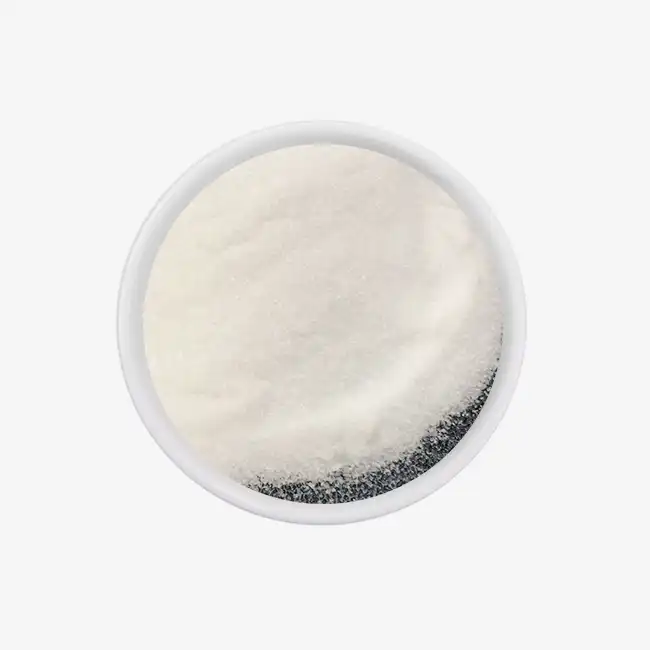
Understanding Pharmaceutical Intermediate Solid Potassium Acetate
Chemical Profile and Key Distinctions
Pharmaceutical intermediate solid potassium acetate is a refined form of potassium salt that is made to meet strict pharmacopoeia standards. This white crystal material dissolves easily in water, acids, and alcohols, which means it can be used in a wide range of medicinal situations. The exact chemical make-up and molecular weight of 98.14 g/mol make events during drug synthesis reliable.
The quality standards are what make pharmaceutical-grade material different from industrial-grade material. The amount of good solid potassium acetate stays at or above 99.0%, with chloride contamination at or below 0.01% and heavy metal contamination at or below 0.0005%. These requirements have a direct effect on the safety ratings of drugs and the regularity of their production. While liquid forms can clump together, the solid crystalline form doesn't. It's also easier to handle during storage and processing.
Purity Standards and Chemical Properties
To avoid problems later on during the production of active pharmaceutical ingredients (APIs), the pharmaceutical business requires very high purity. Strict rules govern the amount of sulfate (SO4 ≤0.02%), acidity (HA ≤0.05%), and basicity (K2CO3 ≤0.12%). Iron pollution gets extra attention, and the highest level that can be allowed is 0.0005%. This is because even very small amounts of iron can speed up unwanted oxidation processes in sensitive drug formulations.
These qualities have real-world benefits for industry. Pharmaceutical-grade potassium acetate has exact pH buffering properties that are needed to protect acid-sensitive chemicals when dissolved in 5% water. The material dissolves easily in water—253 grams per 100 mL at 20°C—so it spreads evenly throughout the reaction tubes and dissolves quickly. Chemical stability under autoclaving conditions (high temperature and pressure treatment) keeps active ingredients from breaking down.
Handling and Safety Protocols
Proper treatment protects both the safety of the workers and the purity of the product. To keep things from absorbing water, storage areas should keep the temperature below 25°C, the air should be well-ventilated, and the relative humidity should be less than 60%. According to rules about chemical storage, the compound needs to be kept away from things that don't work with it, like oxidizing agents and harmful substances.
Protective steps lower the chance of contamination during travel and handling. For chemical transfer tasks, people should wear the right personal safety equipment and follow the set procedures. The material is non-flammable and doesn't pose a high risk of toxins. This makes it easier to follow safety rules at work while keeping pharmaceutical-grade quality throughout the supply chain.
How Potassium Acetate Is Used in Drug Manufacturing: Step-by-Step Insights?
Addressing Critical Manufacturing Challenges
Drug companies have a hard time keeping things stable during manufacturing processes. A lot of active medicinal ingredients are sensitive to changes in pH, which can cause them to break down or have unwanted side effects. These problems can be solved by solid potassium acetate, which has a controlled buffering effect that keeps reaction conditions stable during multi-step synthesis processes.
When antibiotics are being made, the substance is especially useful. Beta-lactam antibiotics, like Penicillin G Potassium, need careful pH control to keep their chemical structure from breaking down when their rings open. Sometimes, traditional buffering agents add metals contaminants or make it hard for organic solvents used in the purification steps to dissolve. Potassium acetate gets around these problems because it works better with both water and organic phases.
Chemical Properties Driving Performance
Solid potassium acetate is best suited for pharmaceutical intermediate uses due to a number of molecular properties. The acetate anion works well as a buffer between pH 4.5 and 5.5, which is close to the acidity levels needed in many medicinal processes. Acetate doesn't interact with cellular action as much as chloride or sulfate options. This makes it a good choice for injectable drug formulations and parenteral nutrition solutions.
When used in certain situations, the potassium cation is much better than sodium-based options. Potassium ions are needed for some enzyme systems and chemical processes to work at their best. In hemodialysis fluid formulation, potassium acetate changes into bicarbonate, which keeps patients from getting metabolic acidosis and provides the needed chemical balance. Not having salt stops problems with fluid accumulation in people whose kidneys aren't working well.
Industry Implementation Examples
Biopharmaceutical companies use potassium acetate in the process of purifying proteins. The chemical helps with salting-out extraction methods, in which controlled ionic strength separates target proteins from contaminants while leaving contaminants dissolved. The material dissolves quickly in cold settings, which helps crystallization processes. This keeps protein structures stable during phase changes without adding conditions that break them down.
For scientific testing, quality control labs need buffers that are made for medicinal use. For high-performance liquid chromatography (HPLC) analysis, dissolving tests, and stability studies, validated buffer solutions made with potassium acetate make sure that the results are always the same. The low UV absorption properties keep spectrophotometric readings from being messed up, so it's possible to accurately measure the amount of active ingredients present at very low concentrations. For these uses, uniformity from batch to batch is needed, which can only be achieved with approved pharmaceutical-grade materials.
Comparison and Decision Support: Choosing the Right Potassium Acetate for Pharma Use
Evaluating Critical Specifications
When making a purchase choice, you need to look at a lot of different aspects of a product, not just its chemical makeup. Content purity is the most important thing, but impurity patterns are also very important for making pharmaceuticals work well. Concerns are raised about heavy metal poisoning because chemicals like lead or mercury can make drugs less safe even at parts-per-million levels. Heavy metal content in pharmaceuticals is usually limited to 0.0005% or less, and this must be proven with a Certificate of Analysis (CoA) from a recognized testing laboratory.
Specifications for water-insoluble matter in pharmaceutical intermediate solid potassium acetate keep filter problems from happening during the next step of processing. Materials with too many particles need more steps to be taken to clean them, which raises the cost of production and could lead to yield losses. Suppliers who care about quality use strict controls to make sure that the water-insoluble content fits "qualified" standards. This is done through standard testing methods.
Form Comparison: Solid Versus Liquid
There are medicinal uses for both solid and liquid potassium acetate forms, but they work in different ways. With the right storage conditions, solid crystalline material stays more stable over long periods of time. Under normal conditions, it can last for 24 months. The lack of water in solid form removes the chance of microbes growing and makes it easier to follow the rules for materials going into sterile production settings.
For high-throughput tasks that need constant dosing methods, liquid formulations are more convenient. But the presence of water makes stability issues come up, especially for processes that are sensitive to wetness. Solid material gives pharmaceutical companies more freedom, so they can make products with exact amounts that meet the needs of their processes. This flexibility is helpful when going from developing formulations in the lab to full business production using pilot runs.
Alternative Salt Considerations
The most popular option to formulations based on potassium is sodium acetate. Sodium salts have different physiological affects in pharmaceutical uses, even though they have similar buffering properties. Injectable versions often use potassium acetate instead of sodium to keep people with heart problems or issues with fluid balance from getting too much sodium. If potassium or sodium cations are found in the mobile phases of ion-exchange chromatography-based manufacturing methods, the selectivity profiles may be different.
Potassium chloride is a cheaper way to get potassium ions, but it can't cushion like acetate salts can. Anions of chlorine can cause stainless steel equipment to rust and may mess up some scientific methods. For uses that need both potassium intake and pH control, potassium acetate has two functions. This could make recipes easier and cut down on the number of ingredients that need to be approved by regulators.
Procurement Guide: Where and How to Buy Pharmaceutical Grade Solid Potassium Acetate?
Identifying Trustworthy Suppliers
To buy pharmaceuticals successfully, you must first carefully evaluate the suppliers you are considering. Manufacturers should have up-to-date Good Manufacturing Practice (GMP) certifications that show they are dedicated to quality management systems. International recognition through ISO 9001 certification adds to the confidence that processes are uniform and that practices for ongoing growth are being used. Religious food licenses like KOSHER and HALAL show that you follow strict rules for cleanliness and avoiding contamination that are the same as those needed by the pharmaceutical industry.
Beyond quality standards, supply stability for solid potassium acetate is a very important factor to think about. Manufacturers who have been around for a while and have a lot of production capacity, like plants that can make 150,000 tons a year, keep enough inventory on hand to keep pharmacy operations running smoothly. Companies that have been in the industry for 30 years have a lot of scientific knowledge that goes beyond just supplying goods. They can help with formulating new products and fixing problems in the production process.
Order Processing and Documentation
When you buy medicines, you need to show a lot of paperwork to back up your quality assurance and legal compliance programs. There should be a Certificate of Analysis with all test results for all factors included in every package. Receiving quality control teams can use this paperwork to make sure that materials meet internal standards before sending them to production areas.
Minimum order numbers change depending on how the goods are packed. For smaller amounts, standard items include 25 kg plastic woven bags with moisture-resistant inner covers. People who buy in bulk usually choose 1000 kg ton-bags that are made for mechanical handling systems. Custom packaging solutions meet unique operating needs, such as the OEM labeling needs of pharmaceutical wholesalers who work with multiple client sites.

Logistics and Lead Time Planning
When planning transportation, it's important to think about both arrival times and keeping goods safe while they're in travel. Reliable sellers work with freight partners who know how to handle chemical operations and understand the need to keep temperatures stable and moisture out of the cargo while it's being shipped. Standard shipping times for regular orders are between 5 and 7 working days, but safety stock plans allow faster fulfillment when production needs to happen quickly.
International buyers of pharmaceuticals gain when sellers offer open payment terms. Different operating tastes and financial planning strategies can be met with FOB, CIF, and DAP setups. Help with paperwork for customs clearance and following rules makes it easier to do business across borders, especially when sellers show they know what countries in Europe, the Americas, and other controlled markets need.
Ensuring Safety and Optimal Storage of Pharmaceutical Solid Potassium Acetate
Environmental Control Requirements
Paying attention to the surroundings is necessary to keep pharmaceutical-grade quality during storage times. Warehouses should have dry, well-ventilated areas so that wetness doesn't build up and cause chemicals to break down or clump. Controlling the temperature below 25°C keeps the material stable, and keeping the relative humidity below 60% stops hygroscopic absorption that could change the chemical makeup or cause bacteria contamination.
Cross-contamination for pharmaceutical intermediate solid potassium acetate can be avoided by keeping suitable materials physically separate. Pharmaceutical stores should set aside areas just for storing acetate products, keeping them away from strong acids, oxidizing agents, and harmful substances. Clear marking systems and inventory management methods make sure that the right way of rotating stock is done, with the oldest items going in first and expiration dates being tracked throughout the 24-month shelf life.
Packaging Integrity and Handling Procedures
The first line of defense against pollution and damage is the original package. Plastic woven bags have moisture-resistant covers inside that keep wetness out while the bags are being stored and moved. Upon receipt, inspection methods should check the integrity of the package for tears, punctures, or moisture damage that could affect the quality of the material.
Material handling rules stress the importance of being careful when moving things within buildings. When unloading, care must be taken to keep the packing from getting damaged. Training classes for employees should cover the right way to lift things and use ton-bag handling systems' tools. Setting up controlled entry to areas where chemicals are stored reduces the chance of exposure and keeps track of paperwork that supports quality system requirements.
Safety Data and Emergency Preparedness
Although the health risks associated with pharmaceutical intermediate solid potassium acetate are low, thorough safety programs safeguard both people and buildings. Personal protective equipment usually includes safety glasses, gloves that can handle chemicals, and protected clothing that keeps skin from touching during handling tasks. Controlling dust helps keep people from breathing it in while moving things around, especially when they are moving large amounts of stuff or packing things.
Possible exposure possibilities should be included in emergency action plans. In places where people handle things, eye wash stands and safety showers need to be easy to get to. Spill reaction guidelines spell out how to contain the spill and clean it up using the right materials. Material Safety Data Sheets (MSDS) give detailed instructions on how to give first aid, fight fires, and handle unplanned releases. This makes sure that people can handle unexpected situations effectively while reducing safety and environmental effects.
Conclusion
Pharmaceutical intermediate solid potassium acetate is an important part of making modern drugs because it has exact buffering properties, is very pure, and works reliably in a wide range of situations. From making antibiotics to hemodialysis solutions, this substance can be used in a lot of different ways to meet strict regulatory standards and solve important formulation problems. To be a good buyer, you need to carefully evaluate suppliers, pay attention to quality paperwork, and follow the right handling procedures. Pharmaceutical companies make sure their supply chains are reliable by working with well-known makers who have technical know-how and keep up-to-date quality systems. This helps them keep their promise to make safe, effective medicines for patients all over the world.
FAQ
What purity requirements apply to pharmaceutical intermediate solid potassium acetate?
For pharmaceutical uses, the quality must usually be at least 99.0%, and there must be strict controls on impurities. Heavy metals can't be more than 0.0005%, salt can't be more than 0.01%, and iron pollution can't be more than 0.0005%. These rules make sure that the material won't affect the safety of drugs or the way they are made.
How does potassium acetate compare to sodium acetate in pharmaceutical formulations?
Potassium acetate has similar buffering properties but is better for the body when used in injectable formulations. It keeps people with heart problems from taking in too much salt and gives them the potassium they need. The choice depends on the specific needs of the therapy and how well it works with the manufacturing process.
What documentation should suppliers provide with pharmaceutical-grade shipments?
Suppliers must include Certificates of Analysis that show the test results for all the factors that were asked for. More proof of GMP compliance, pharmacopoeia conformance (BP, EP, USP), and religion approvals (KOSHER, HALAL) shows dedication to pharmaceutical quality standards and makes regulatory compliance verification easier.
Partner with Zhaoyi Chemical for Pharmaceutical-Grade Potassium Acetate Supply
Pharmaceutical procurement professionals looking for reliable sources for pharmaceutical intermediate solid potassium acetate seller relationships can talk to Zhaoyi Chemical, which has more than 30 years of experience in specialized manufacturing. Our yearly production capacity of 150,000 tons makes sure that we are always available to meet your most demanding bulk needs. We keep our pharmaceutical-grade standards high by making sure the product is at least 99.0% pure and has no more than 0.0005% heavy metals. We also have a lot of quality certifications, such as ISO 9001, KOSHER, and HALAL approvals. Technical support teams are available 24 hours a day, seven days a week to help with formula improvement and process fixing. You can email our procurement experts at sxzy@sxzhaoyi.com to get full specs, samples, or quotes that are tailored to your needs for pharmaceutical manufacturing.
References
Miller, J.D. and Thompson, R.K. (2021). "Pharmaceutical Buffering Systems: Applications of Acetate Salts in Drug Formulation," Journal of Pharmaceutical Sciences, Vol. 110, pp. 2847-2863.
Anderson, P.L. (2020). "Quality Standards for Pharmaceutical Excipients: Regulatory Perspectives on Potassium Acetate," Pharmaceutical Technology, Vol. 44(8), pp. 32-39.
Chen, W. and Roberts, S.M. (2019). "Beta-Lactam Antibiotic Synthesis: Role of pH Control and Buffering Agents," Industrial Pharmaceutical Manufacturing Review, pp. 145-168.
European Pharmacopoeia Commission (2022). "Monograph: Potassium Acetate for Pharmaceutical Use," European Pharmacopoeia 10th Edition, pp. 3421-3423.
Davidson, K.R. (2020). "Hemodialysis Solutions: Formulation Chemistry and Clinical Applications of Acetate Buffers," Clinical Nephrology Journal, Vol. 93(4), pp. 178-192.
United States Pharmacopeia (2021). "Potassium Acetate Standards and Testing Protocols," USP-NF 2021, Official Monographs, pp. 4856-4858.

USER EVALUATE
Here is the customer's evaluation of us