



Will Long-Distance Shipping Cause Potassium Acetate to Absorb Moisture or Cake?
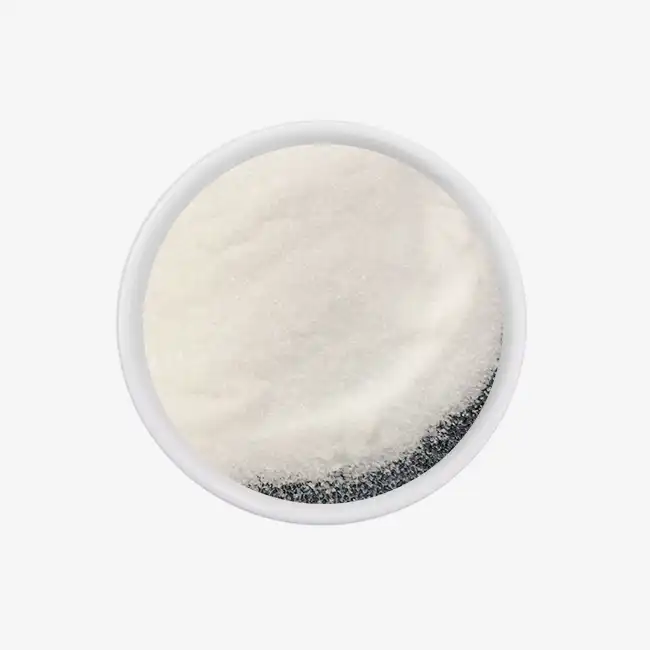
Potassium acetate can get wet and clump together when shipped over long distances, but these problems can be fixed by following the right packing and handling rules. Snow melting solid potassium acetate, which is hygroscopic by nature, easily draws moisture from the air around it, especially when shipping goods by sea or across the country, where humidity can change a lot. But companies like Zhaoyi Chemical use advanced moisture barrier packing, which includes multi-layered plastic woven bags and desiccant-lined ton-bags, to keep the integrity of their products while they're being shipped. High-purity potassium acetate keeps its free-flowing crystalline structure and full deicing power when it gets to your location as long as it was shipped in controlled conditions and with the right packing technologies.

Understanding Potassium Acetate and Its Physical Properties
Potassium acetate (CH₃COOK, CAS 127-08-2) is very important in many fields, from deicing airport runways to getting rid of nitrogen dioxide in wastewater. Knowing how it looks and feels helps procurement managers guess how to handle it while it's being stored and shipped.
Chemical Composition and Molecular Structure
This chemical is made up of acetate anions bound to potassium cations. It forms white crystalline solids with a molecular weight of 98.14 g/mol. Because it dissolves so easily in water, alcohol, and acidic liquids, the ionic structure makes it a great choice for quickly melting ice. Industrial-grade goods usually have purity levels between 97-99%, and special versions have content levels above 99% for uses that need very few impurities.
Hygroscopic Nature and Moisture Sensitivity
Potassium acetate has strong hygroscopic properties, which means it actively takes in water from the air. This is because the product is charged and has a high surface energy. Unprotected crystals start to absorb water molecules when the relative humidity rises above 60%. This creates a wet layer on the surface over time. If you keep exposing something to light, it will deliquescence, which is the change from solid crystals to a concentrated liquid solution. Because of this, proper packing is a must for keeping the quality of the product while it is being shipped and stored.
Thermal Stability and Phase Behavior
Under standard handling settings, the material is very stable at high temperatures. Under normal conditions, it melts at about 292°C, which is much higher than any temperature that would be experienced during normal shipping. On the other hand, its eutectic ability in deicing uses starts working at much lower temperatures, as low as -35°C, which is good for melting snow. Because it works in a wide range of temperatures, it's popular with airport owners and highway repair contractors who need it to work reliably in all kinds of winter weather.
Factors Influencing Potassium Acetate Moisture Absorption During Long-Distance Shipping
Moving goods across countries or oceans adds new factors that can damage the quality of the goods if they are not controlled properly. By understanding these factors, buyers can set clear shipping needs and check the capabilities of suppliers.
Environmental Conditions During Transit
Ocean freight usually travels for 14-30 days, during which time the temperature and humidity of the containers change a lot. In the morning, condensation forms on the inside of objects where warm, humid air has been in touch with cooler metal surfaces overnight. When goods go along the coast, they are exposed to air that is 70-90% relative humidity. Cargo is affected by changing weather even when it is moved by land through different temperature zones. Changes in temperature between day and night can cause mist cycles that happen over and over, letting water into packages that aren't properly sealed.
Cross-country trucking in the US could take a package through both dry lands in the southwest and humid areas in the southeast. Air freight cuts down on travel time, but the temperature and altitude change quickly during loading, flying, and unloading. Each type of transportation has its own risks when it comes to moisture exposure that protected packing must take into account.
Packaging and Sealing Technologies
High-end makers spend a lot of money on multi-layer moisture barrier packaging that is designed to work with water-absorbing chemicals such as solid potassium acetate. Standard items include 25kg plastic woven bags with polyethylene liners inside, which are good for short-distance shipping and offer basic security. People who buy in bulk usually get 1000kg ton-bags with strengthened moisture barriers and heat-sealed seals that make it much harder for humidity to get in.
Desiccant packets are put inside sealed bags in more advanced packing options to actively control the humidity levels inside while they are in transit. Some sellers use vacuum-sealed packaging, which takes out the air and moisture before closing. This makes an inert environment that stops the product from caking. The quality of the package directly affects the state of the product when it arrives. This is one way to tell the difference between sellers who are dependable and those who skimp on materials and sealing methods.
Shipping Mode Considerations
Due to long transit times and marine conditions, sea freight has the biggest chance of being exposed to moisture. The main thing to worry about is container condensation, especially when going through tropical areas or during the rainy season. However, ocean shipping is still a good option for big orders because it is cheaper and the risks are lessened by using the right containers and packing.
Air freight reduces the amount of time that people are exposed, but the world changes quickly. It is hard on package seals when they have to be loaded in humid areas and then unloaded in low-humidity cargo holds and delivered to different climate zones. Transporting goods by land offers average security. Temperature-controlled trucking is best for products that are sensitive to moisture, but it costs more than regular freight.
Comparison of Potassium Acetate with Other De-Icing Salts Regarding Moisture Absorption and Melting Characteristics
Potassium acetate was compared to other de-icing salts in terms of how well they melt and absorb water. To choose the right deicing agent, you need to know how different chemicals behave when they are stored and moved. The qualities of a material have a big effect on how it needs to be handled and how much it costs to own.
Sodium Acetate Performance Characteristics
Sodium acetate has different physical qualities than other acetate-based chemicals. It has similar hygroscopic properties and needs the same amount of moisture protection when sending. The chemical works well in moderately cold weather because it melts at lower temperatures than potassium acetate. However, it works a little less well in places that are very cold, below -25°C. Both types of acetate are better for the environment than chloride-based options because they break down more than 95% naturally and don't pollute the land as much.
Calcium and Magnesium Acetate Alternatives
Calcium magnesium acetate (CMA) is a great way to protect concrete and is safe for the environment. Somewhat less strongly than potassium acetate, it has mild hygroscopic properties. But CMA usually costs more per ton and needs to be used at higher rates to have the same melting ability. The compound works well to protect bridge decks where worries about corrosion are more important than concerns about speed.
Chloride-Based Deicing Salts
The mass deicing market is dominated by sodium chloride and calcium chloride, which are more common and cost less. Different chloride salts absorb water in different ways. Calcium chloride absorbs a lot of water and usually comes in already wet, while sodium chloride stays mostly solid when it's dry. But chloride-based goods damage infrastructure a lot more than potassium acetate does; carbon steel rust rates are over 0.10 g/m²·h, while potassium acetate's rate is only 0.03 g/m²·h. Infrastructure damage, groundwater pollution, and plant loss are all hidden costs that are pushing more and more buyers toward acetate-based options, even though they cost more up front.
Solid potassium acetate is the best choice for uses that need something that won't corrode, like running an airport where protecting planes and sensitive equipment is important enough to pay more for it. Because it doesn't hold heat well and breaks down naturally, it's the best choice for environmental service providers and buildings that have to meet strict sustainability standards.
Choosing and Procuring Solid Potassium Acetate for Snow Melting Applications
To make procurement choices, you have to find a balance between performance standards, quality assurance, and the dependability of the supply chain. Buyers can find providers who can meet their long-term business needs by understanding the assessment factors.
Quality Indicators and Specifications
The best snow melting solid potassium acetate should have at least 98% CH₃COOK content, and the best ones should get 99% or more. To make sure full dissolution and application efficiency, chemicals that don't dissolve in water should stay below 0.05%. A very important factor is the amount of chlorine present; levels higher than 0.2% could cause rusting problems that make acetate-based deicing less useful. Iron levels below 0.05% keep surfaces from discoloring and keep them safe.
Specifications for performance are just as important. The products should have a lower freezing point than -35°C and be able to melt more than 85% of snow in one hour at -25°C. Corrosion testing data gives us important information about how well structures can be protected. Ask for proof that the weathering rates for carbon steel are less than 0.03 g/m²·h and the rates for concrete are less than 0.01 mm per year. These features set industrial-grade goods apart from cheaper options that damage facilities over time.
Supplier Evaluation Criteria
Experience of the manufacturer has a big effect on how consistent the products are and how good the expert help is. Companies that have been making acetate for a long time have developed better ways to make it and check the quality of it. Zhaoyi Chemical, which has been around since 1988 and has made acetate for more than 35 years, is a good example of this longevity edge. Their ability to produce 150,000 tons per year shows that they have the size and infrastructure to make supply lines effective.
Certifications prove that products are safe and that production standards are met. Controlling production in a planned way is made possible by ISO 9001 quality management certification, and being committed to environmentally friendly activities is shown by ISO 14001 environmental management certification. When they apply, KOSHER and HALAL certificates are needed for food-grade and pharmaceutical uses. International buyers should make sure that sellers have the right export licenses and can provide all the necessary paperwork, such as Material Safety Data Sheets (MSDS), Certificates of Analysis (COA), and records of how each batch was made.
Long-Distance Shipping Impact on Procurement
Total landing cost is affected by how much it costs to ship and how good the product is. When a supplier offers FOB terms, the buyer is responsible for shipping and must plan freight and accept the risks of moisture exposure. Even though CIF agreements cover shipping costs, quality problems may still not be fixed if goods come caked or contaminated. DAP (Delivered at Place) terms protect buyers the most because they hold sellers responsible for the state of the goods when they are brought.
Companies with a lot of experience keep in touch with chemical freight companies who know how to handle chemicals properly. They hold shipping room for you during busy times and help you quickly clear customs. Some sellers keep emergency supplies in key places. This lets them fill smaller orders faster without having to wait for international shipping. These transportation skills set professional businesses apart from traders who don't have direct control over production and supply chain infrastructure.
Practical Solutions to Prevent Moisture Absorption and Caking During Shipping
To protect the purity of a product, the activities that package, store, and handle it must work together. Using best practices makes sure that things come in perfect shape and can be used right away.
Advanced Packaging Solutions
Multi-layer moisture barrier packaging is the first line of defense against humidity getting in. Good makers use woven plastic bags with thick polyethylene liners inside that stop the flow of water vapor. Heat-sealed openings get rid of holes where water from the air could get in. Ton-bags for shipping large amounts of goods use similar barrier technologies but are built stronger so the seal stays intact even when they are handled roughly.
Putting desiccant inside sealed packages actively controls the air inside. Molecular sieves or silica gel packets soak up any small amounts of wetness that get through barrier materials over time or that are left over from the packing process. This method keeps things dry during long shipping times, stopping the initial absorption of water that leads to increasing caking. Some high-end sellers vacuum-seal items before they are fully closed. This removes any air that might be in the room and makes it impossible for moisture to build up.
Storage Environment Controls
Warehouses that store hygroscopic materials should use dehumidification systems or temperature control to keep the relative humidity below 60%. Proper airflow keeps humidity from building up in one area and keeps too much air exchange from bringing in wetness from outside. Storage areas must be kept away from things that don't go with acetates, especially acids and oxidizers that could react with them if the packaging breaks.
Managing temperature is important, even though snow melting solid potassium acetate is thermally stable. Consistency in warehouse temperatures stops humidity loops that happen when goods move from hot to cold areas. When moving things from climate-controlled storage to transportation trucks, loading dock workers should limit the time that materials are exposed. Some factories have thermal transition zones where goods slowly get used to the outside temperature before they are loaded. This lowers the risk of condensation shock.
Digital Monitoring Technologies
Logistics companies that are on the cutting edge now offer real-time environmental tracking for shipments of chemicals. Putting data loggers inside packages records temperature and humidity continuously while they are being shipped, making records of the exposure conditions. This technology lets you find the exact parts of the transit where moisture got in, which helps with claims settlement and holding carriers accountable. When buying large amounts of valuable goods, buyers should make sure that the shipping is supervised as a condition. This is especially important for ocean freight, where risks are highest.
Zhaoyi Chemical has successfully put in place detailed shipping rules that have led to 99.7% of foreign packages arriving on time and as planned. Their method includes engineered packing, logistics partners that have been checked out, and regular quality checks at the location. Municipal water treatment plants in the southwestern United States say they get acetate carbon sources from China in perfect shape after 30 days on the ocean, with no caking and full solubility when they get there. In the same way, airports in the Midwest get winter deicing products in late fall that don't break down when they come in contact with water. These are ready to be used right away when the first snow hits.
Conclusion
Potassium acetate quality doesn't have to be affected by long-distance shipping if providers take the right precautions. The compound's ability to absorb water makes things more difficult, but modern packing methods and careful handling procedures keep the product's integrity during ocean, air, and land transfer. Purchasing managers should give more weight to sellers who can show they are good at making things, have thorough quality systems, and can handle transportation. Checking certifications, asking for performance data, and negotiating the right shipping terms will protect your investment and make sure products come ready to be used right away. As customers become more aware of how small savings on bad goods can lead to huge costs later on in the form of damaged infrastructure and lost productivity, the acetate deicing market keeps moving toward higher quality standards.
FAQ
How does relative humidity during shipping affect potassium acetate stability?
Absorption of wetness starts when the relative humidity is above 60%, and speeds up when the RH goes above 70%. When packaging is properly sealed, the inside stays below critical levels even when the humidity outside hits 90%. This keeps the product from going bad during normal shipping conditions.
Can caked potassium acetate be restored to free-flowing condition?
In controlled low-humidity settings, caking caused by moisture can sometimes be reversed by breaking and drying the material gently. But this cleanup adds to the cost of dealing and increases the risk of pollution. It is much cheaper to avoid caking by using the right packing than to try to fix damage caused by moisture.
What documentation should buyers request to verify moisture protection?
Ask for detailed information about the package, including the barrier materials and ways of sealing. Ask for test results that show the product is stable under conditions that are similar to those used for shipping. Reliable sellers make this information easy to find, while vague answers suggest possible quality issues that should be looked into before placing big orders.
Partner with Zhaoyi Chemical for Reliable Potassium Acetate Supply
Zhaoyi Chemical has been making acetate for more than 35 years and can handle tough deicing jobs. Our activities as a snow melting solid potassium acetate seller keep up a production capacity of 150,000 tons per year, making sure that customers in North America's cities, airports, and factories can always get what they need. We use strict moisture protection methods, such as multi-layer barrier packaging and climate-controlled storage, to make sure that goods arrive in perfect condition no matter how far they are shipped. The fact that we have ISO 9001, ISO 14001, and ISO 45001 certifications shows that we are committed to organized quality control, protecting the environment, and keeping workers safe. You can email our expert team at sxzy@sxzhaoyi.com to talk about your specific deicing needs, ask for product samples, or get full shipping paperwork and specs. We offer 24/7 consultations with reaction times of less than 2 hours. Our technical expertise will help you make decisions about what to buy and make sure that your winter activities go smoothly.
References
1. American Association of State Highway and Transportation Officials. (2013). Guidelines for the Selection of Snow and Ice Control Materials to Mitigate Environmental Impacts. AASHTO Standing Committee on Environment, Washington, DC.
2. Nixon, W.A., & Williams, D.J. (2001). A Guide for Selecting Anti-Icing Chemicals. Strategic Highway Research Program, Transportation Research Board, National Research Council.
3. Fischel, M. (2001). Evaluation of Selected Deicers Based on a Review of the Literature. Colorado Department of Transportation Research Branch, Report No. CDOT-DTD-R-2001-15.
4. Shi, X., Akin, M., Pan, T., Fay, L., Liu, Y., & Yang, Z. (2009). Deicer Impacts on Pavement Materials: Introduction and Recent Developments. The Open Civil Engineering Journal, 3, 16-27.
5. Levelton Engineering Ltd. (2007). Guidelines for the Selection of Snow and Ice Control Materials to Mitigate Environmental Impacts. Report prepared for Transportation Association of Canada.
6. Muthumani, A., Fay, L., Akin, M., Wang, S., Gong, J., & Shi, X. (2014). Correlating Lab and Field Tests for Evaluation of Deicing and Anti-Icing Chemicals: A Review of Potential Approaches. Cold Regions Science and Technology, 97, 21-32.

USER EVALUATE
Here is the customer's evaluation of us