



Customized Deicing Solid Potassium Acetate for Different Climate Zones
Infrastructure managers have a big problem to solve when winter comes: how to keep areas safe without hurting the environment or causing rust damage? Deicing solid potassium acetate has become the best choice for businesses that need to do a great job while also being good to the environment. This white crystalline substance (CH3COOK) meets the complex needs of current winter care by being able to withstand temperatures as low as -30°C, breaking down naturally to protect watersheds and plants, and not corroding concrete and metal structures. Whether you're in charge of airport runways, highway bridges, or environmentally sensitive buildings, knowing how to customize things for different climates can make your winter operations much more efficient.
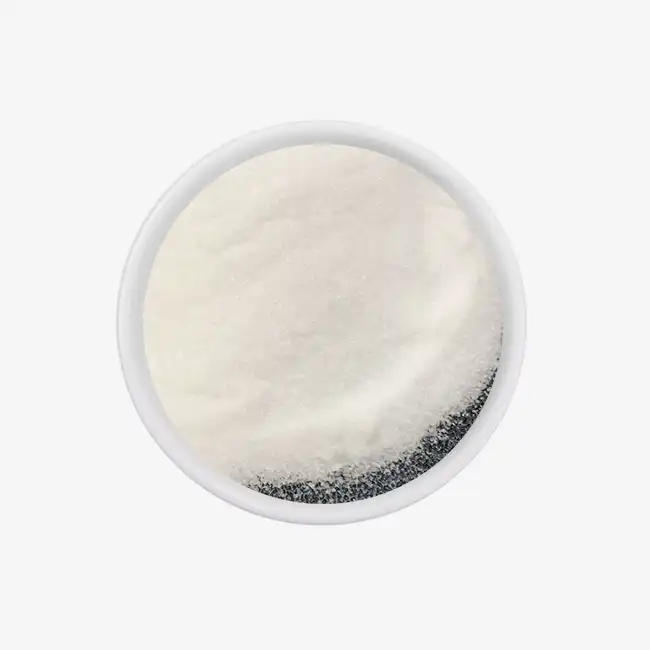
Understanding Potassium Acetate Deicing Solid and Its Properties
The science behind acetate-based ice melters shows why they work better in tough situations than other options. Potassium acetate works by messing up the structure of hydrogen bonds in ice, which is what makes it solid. When these white crystals come in touch with frozen surfaces, they dissolve quickly because they are very soluble in water, acids, and alcohols. This makes a solution that lowers the freezing point of water below 0°C.
Chemical Composition and Purity Standards
Our mixture is at least 99% pure, has a molecular weight of 98.14 g/mol, and is identified by the CAS number 127-08-2. This pharmaceutical-grade uniformity makes sure that all batch orders will work the same way. The strict quality standards include having less than 0.05% water-insoluble matter, less than 0.2% salt, and less than 0.05% iron. These specs are very important for procurement managers because impurities can make melting less efficient and cause corrosion that isn't needed, even though the acetate base is naturally soft.
Temperature Performance and Working Mechanism
Potassium acetate ice melter works reliably at temperatures as low as -30°C, while sodium chloride ice melter stops working around -9°C. The compound's exothermic dissolving process makes it possible for a wider range of uses. When crystals come into contact with water, the chemical reaction releases heat energy that speeds up the change from solid ice to liquid water. Operations teams in northern countries find this feature very useful during very cold spells, when regular rock salt doesn't do much.
Environmental and Safety Profile
Acetate molecules are different from chloride salts because they break down naturally. Microorganisms in the soil easily break down acetate ions into harmless carbon dioxide and water. This keeps salts from building up and polluting groundwater or hurting plants along the sides of roads. Because it doesn't harm the environment, potassium acetate is the best choice for buildings near protected waterways, botanical parks, or places that want to get LEED certification. Safety paperwork, such as MSDS sheets, proves that it is not harmful to marine life and that touching it doesn't pose a significant risk of skin irritation.
Because of these qualities, potassium acetate is the smart choice for businesses that need to balance operating needs with environmental responsibility. It's easy to follow the rules when your plan to get rid of ice naturally fits with EPA guidelines and state environmental protection standards.
Customized Application of Potassium Acetate in Different Climate Zones
Different places have different weather conditions, so deployment methods need to be customized to get the best performance and value for money. If you work in the arctic, a temperate zone with changing temperatures, or a mild winter area with rare freezing events, you will need to follow different application procedures for the same product.
Extreme Cold Climate Solutions
In places where it stays below zero for a long time, like northern Minnesota, Alaska, or similar Canadian provinces, infrastructure has to deal with both continuous ice formation and heat stress on materials. Potassium acetate ice melter works really well in these conditions because its performance curve stays stable when temperatures drop below -20°C. Before a storm, operations teams should think about applying pre-treatments that create a chemical buffer that keeps ice from sticking to ground. Extreme cold usually has higher application rates than warmer zones, but the investment pays off because it lowers the cost of mechanical removal and makes the sidewalk last longer. In these areas, airport managers really like how the non-corrosive formula protects delicate metal parts of airplanes and ground support equipment that comes into touch with treated surfaces.
Temperate Zone Balanced Strategies
Mid-latitude places, which include most of the northern United States from the Midwest to New England, have temperatures that go up and down between freezing and above freezing all winter. This makes things more complicated because the melting and refreezing processes make it harder for ice to form. The acetate-based answer solves these problems because it has long-lasting leftover activity. Unlike chlorides, which are washed away quickly, the biodegradable deicing solid potassium acetate compounds keep working even after multiple freeze-thaw cycles. Purchasing managers should work with sellers to come up with storage rules that take into account the hygroscopic nature of the product. For example, keeping the building dry keeps the crystals' integrity and stops them from caking. If you store it properly, it will last longer than two years, which means you can buy a lot of it during the off-season when shipping costs are lower.
Mild Winter Region Targeted Applications
Coastal areas and southern tier states sometimes have to deal with winter weather that needs quick action. Deicing solid potassium acetate is better for the environment and allows organizations in these places to use smaller amounts of it. Biodegradability is especially important in places with fragile ecosystems, where even occasional salt applications can damage the environment in a way that lasts. Lower corrosion rates are good for commercial buildings, hospital sites, and schools because they protect design features and lower long-term upkeep costs for metalwork and concrete finishes.
Understanding your specific climate profile allows you to work with experienced suppliers to develop customized application guides that specify dosage rates, pre-treatment timing, and storage rotation schedules tailored to your operational reality.
Comparative Analysis of Potassium Acetate vs Other Deicing Solids
To make smart buying choices, you need to know how different drugs for ice control compare on important factors. Here is a comparison of potassium acetate with other popular chemicals used in aviation and infrastructure repair.
Performance Against Chloride-Based Products
Calcium chloride and magnesium chloride make up most of the city deicing market because they have been used most often in the past and are cheaper to buy. However, figuring out the total cost of ownership shows that there are big problems. Through chemical reactions with cementitious materials, chloride compounds speed up the breakdown of concrete. This leads to spalling and rebar rust that needs expensive repairs. In places with a lot of salt, fixing up a bridge deck can cost more than a million dollars per building over its twenty-year life. Potassium acetate completely stops this process of breakdown. Transportation departments have done their own tests and found that acetate-treated concrete keeps its structural integrity about the same as untreated controls. On the other hand, samples that were regularly exposed to chloride lose measurable amounts of strength within five years.
Comparison with Alternative Acetates
Sodium acetate has some of the same environmental benefits as potassium acetate, but it works in different ways. For the sodium version to have the same freezing point, it needs to be used at faster rates, especially when the temperature is below -15°C. Potassium acetate works better at low temperatures, which means less material is used and less work is done on the product. When choosing a product for use in flight that requires SAE AMS 1431 approval, potassium formulations meet the strict standards that sodium variants can't. This technical difference is very important for airport managers who are responsible for the safety of the runways and are supervised by the government.
Environmental Superiority Over Urea
Some sites have tried urea-based deicers as an option to chlorides that is better for the environment. Urea doesn't cause rust like salt does, but it does add nitrogen to streams, which causes algae blooms and lowers the amount of oxygen in the water. Environmental groups are making it harder to use urea near water bodies that are sensitive. Potassium acetate is entirely safe for the environment because it breaks down naturally without adding any harmful nutrients, and the potassium part is actually good for plants when it's present in the right amounts.
These comparative benefits explain why forward-thinking procurement professionals are choosing acetate-based products more and more, even though they cost a little more per unit. When you add up the total costs of maintaining infrastructure, protecting the environment, and lowering risks, the lifetime value argument becomes very strong.
Procurement Guide for Potassium Acetate Deicing Solid
To build solid supply relationships, you need to carefully evaluate suppliers and have a good grasp of transportation issues. Strategic buyers see the purchase of solid potassium acetate as a relationship rather than a one-time transaction because they know that the knowledge of the provider is a big part of operating success.
Supplier Qualification and Certification Verification
Making sure that possible providers follow strict manufacturing standards is the first step in quality assurance. Check for ISO 9001 certification, which shows a strict quality management system, and ISO 14001 certification, which shows environmental management skills. Instead of relying on haphazard quality practices, these standards show that process control and constant improvement are done in a planned way. Higher cleanliness standards are usually kept by suppliers who work with the food and drug businesses, which are also good for industrial uses. Check that the real requirements meet or go beyond published standards for acetate content, chloride levels, and insoluble matter by asking for reports of analysis for sample production runs.
Packaging and Logistics Considerations
Standard packing choices include 25 kg plastic woven bags that can be handled by hand and 1000 kg ton bags that are made for forklifts and automatic systems that hand out goods. When choosing packaging options, you should think about how your building can handle materials. Because crystalline acetate is hygroscopic, it needs to be packed in a way that keeps moisture out. Good providers use multi-layer bags with polyethylene covers to keep moisture out during storage and transport. When sending goods across international borders, you need to pay close attention to the export paperwork, harmonized tax classifications, and transport choice. Established sellers keep in touch with freight forwarders who are experts in chemical logistics. This makes sure that chemicals are handled safely and that they get to their targets in North America as quickly as possible.
Payment Terms and Supply Agreements
For first orders, lines of credit are usually used to pay for industrial chemicals. Payment terms can be negotiated for long-term customers who have a past of on-time payments. Talk about inventory management programs that let sellers keep consignment stock at regional delivery centers. This will lower your need for working capital while still making sure you have products available during the busiest winter months. Multi-year supply deals usually get better prices and make sure that capacity is allocated during times of high demand when spot market access gets tight.
Building relationships with suppliers who view themselves as technology partners instead of just sellers, you get a competitive edge through responsive customer service, custom product formulations, and early warnings about changes in the market that could affect your supply security.
Practical Case Studies and Customized Solutions
Implementations in the real world show how climate-specific customization improves operating results in a wide range of settings. These examples give groups that are thinking about adopting acetate useful information.
European Alpine Airport Operations
A big airport in Central Europe that serves ski areas in the Alps had a lot of problems running during the winter. Traditional glycol-based runway deicers were bad for the environment because they increased the need for organic oxygen in nearby mountain streams. Additionally, chloride products damaged special lighting systems that were built into the runway surfaces. The plant switched to solid potassium acetate formulations that were made to work with temperatures that regularly hit -25°C. Setting up the material in key places around the airfield's edge, teaching ground workers the best ways to apply it, and working with weather services to plan when to apply it were all parts of the implementation process. As a result, there were 40% fewer delays for planes taking off during the winter, no more environmental violations caused by glycol overflow, and the airport lighting infrastructure lasted longer. The facility's maintenance head said that even though material costs went up a little, overall running costs went down because equipment didn't rust as much and costs for cleaning up the environment went away.
North American Highway Bridge Protection
A state traffic department that was in charge of more than 200 bridges in northern regions used rock salt in the past, even though concrete was known to be breaking down. Engineering studies showed that corrosion caused by chloride meant that bridge decks had to be replaced more quickly, which put a strain on upkeep funds. Twenty high-priority buildings with a lot of business traffic were used as test sites for acetate-based deicing. The program said that the potassium acetate ice melter should be used with measured spreader tools. There were tight rules to make sure that no material was wasted and that the coverage was even. The treated bridge decks didn't show any significant chloride entry after three years, while the control sections were still breaking down. Based on these results, the department decided to use acetate on all bridges that were physically weak. They thought that by delaying needed repairs, the program would save more than $15 million over its first ten years.
Eco-Sensitive Industrial Campus
A site for making drugs that is next to protected waterways needed ice control solutions that met both safety standards and strict environmental permits. In the past, traditional deicers were too dangerous for sensitive marine environments further downstream. The grounds team put targeted potassium acetate applications on paths for people, roads for vehicles, and loading dock areas. Monitoring of storm water showed that all of the solid potassium acetate in the flow broke down in the site's detention ponds before it was released, so the permit stayed valid all winter. The case shows how choosing the right product can help businesses run in places with limited space or where normal methods would be illegal because of environmental concerns.
These projects all had a lot in common: careful planning that takes into account the conditions of each site, partnerships with suppliers that provide technical support, and a dedication to following the right application standards that make the product work best while wasting as little as possible.
Conclusion
Finding the right deicing options means finding a balance between efficiency needs, environmental concerns, and lifecycle costs. Potassium acetate ice melter solves this complicated problem by working better at low temperatures, protecting infrastructure, and being completely safe for the environment. Customization based on climate is best for operations and resource efficiency, whether it's for cold conditions, moderate changes, or warm winter zones. Acetate-based strategies help organizations that want to be environmentally friendly while still upholding strict safety standards. These strategies lower the cost of buying, make sure the organization follows all the rules, and build trust among stakeholders. More and more, forward-thinking procurement professionals are choosing acetate solutions as the smart base for excellent winter operations. This is because environmental laws are getting stricter and preserving infrastructure is becoming seen as a fiscal imperative.

FAQ
Potassium acetate ice melter stays fully functional for 24 to 36 months if it is kept in dry, well-ventilated stores where the temperature stays between 15 and 25°C. Because it's hygroscopic, moisture contact causes caking, which makes application less effective, so it's important to keep the integrity of the package. First-in, first-out rules should be used to rotate goods, and bags should be checked for tears or moisture entry before they are used.
Chloride salts chemically attack concrete and dry out plant cells, but acetate compounds don't do much damage and break down into safe byproducts. Independent tests show that acetate-treated concrete keeps its compression strength at the same level as samples that have not been treated. The tolerance for plants is much better than that of chloride products, but the right amount of treatment should be used. If you don't put piles of material directly against plant tops, they won't hurt the environment much.
Rock salt, which is sodium chloride, doesn't work very well below -9°C. Potassium acetate, on the other hand, keeps melting at -30°C. This difference in function is very important in the north, where regular salt fails just when it's needed the most. It releases heat when acetate crystals break down, which melts ice faster and clears the area faster than rock salt, even at temperatures where both are potentially still useful.
Partner with Zhaoyi Chemical for Climate-Optimized Deicing Solutions
Zhaoyi Chemical has been making acetate for more than 30 years and works with companies that need unwavering quality and a steady supply. Our annual production capacity of 150,000 tons makes sure that we can always meet large needs, and our ISO 9001, ISO 14001, and ISO 45001 certifications promise that our products are made to the highest standards. We make deicing solid potassium acetate that meets SAE AMS 1431 standards. We can also make formulations that are specific to temperature zones and operating needs. Our expert team can help you with applications that are best suited to your location and performance needs, whether you work for a city government, an airport, or an industry facility. Please email our experts at sxzy@sxzhaoyi.com to get product samples, detailed datasheets, and quotes that are specifically made for your needs. We are a well-known seller of deicing solid potassium acetate to customers in North America, Europe, and Asia. We can give your business the quality guarantee and supply reliability it needs.
References
1. Transportation Research Board. "Sustainable Winter Road Operations: Environmental and Performance Advantages of Acetate-Based Deicers." National Academy of Sciences Special Report 318, 2020.
2. American Society for Testing and Materials. "Standard Practice for Evaluation of Aircraft and Airfield Pavement Deicing and Anti-Icing Products." ASTM D6505-16, 2021.
3. Environmental Protection Agency. "Comparative Aquatic Toxicity and Biodegradation Profiles of Deicing Compounds." EPA Office of Water Technical Report 820-R-18-003, 2019.
4. Canadian Strategic Highway Research Program. "Corrosion Impacts of Alternative Deicers on Bridge Infrastructure: Twenty-Year Longitudinal Study." CSHRP Final Report C-09-1127, 2018.
5. Society of Automotive Engineers. "Aircraft and Airfield Deicing Fluid Performance Standards: Acetate Formulations." SAE Aerospace Standard AMS 1431D, 2022.
6. International Civil Aviation Organization. "Airport Winter Operations: Best Practices for Environmentally Responsible Ice Control." ICAO Environmental Protection Doc 9962, 2020.

USER EVALUATE
Here is the customer's evaluation of us