



Does Long-Term Use of Potassium Acetate Damage Runway Structures?
When airport operations managers look at winter maintenance options, one important question comes up: will using airport runway solid potassium acetate over and over again weaken the structure of the runways over time? Based on a lot of data from the field and tests in the lab, acetate-based deicers that are properly made have very little effect on structures when they are used according to the instructions given. Traditional chloride-based agents are very harsh on concrete support and airplane parts. High-purity potassium acetate formulations, on the other hand, keep runways lasting longer and keep ice from forming. The organic makeup of this chemical breaks down naturally without leaving behind compounds that can get into ground, which makes it a safe choice for long-term management of airport infrastructure.
Understanding Potassium Acetate and Its Role in Runway Deicing
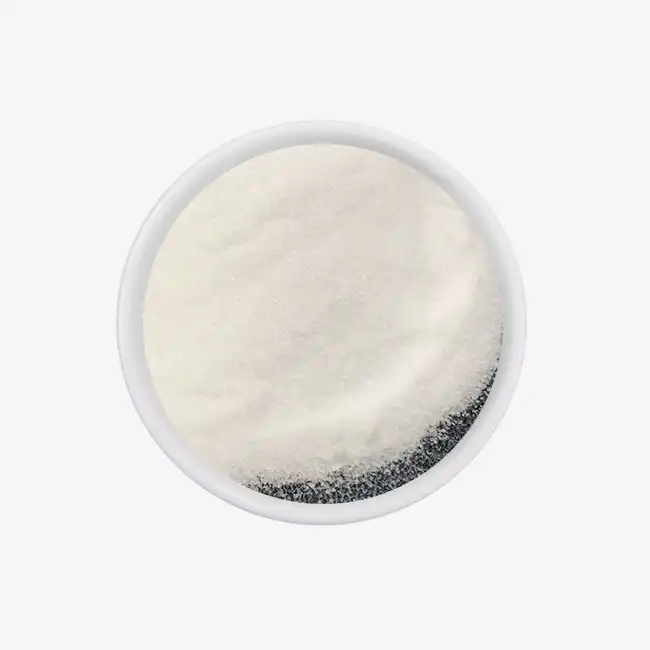
Aviation officials all over the world know that potassium acetate is an important tool for keeping runways safe during the winter. This organic salt, which has the CAS number 127-08-2 and the molecular formula CH₃COOK, takes the place of older chemicals that were too dangerous for both planes and buildings.
Chemical Properties That Define Performance
Because potassium acetate is crystallized, it can work at temperatures as low as -60°C, which is much lower than the operating range of older goods like urea, which stops working at -7°C. These white particles come into touch with ice and start an exothermic process that makes heat and a brine solution. This two-in-one device quickly breaks the bond between ice and ground, making it possible to remove the ice mechanically even during bad weather. The compound dissolves easily in water, acid, and alcohol, so it works quickly after being applied. This cuts down on the time that airports have to be stopped during storms.
Environmental and Safety Advantages
Potassium acetate works well to solve the environmental problems that come up when deicing airplanes. The product breaks down naturally with microbes, so it doesn't give off dangerous ammonia like older methods that used urea did. Environmental rules that guide airport stormwater flow are getting stricter, and this trait fits in with them. The pH range of 9.0 to 10.5 in the solution is still mild enough to not hurt the plants nearby or pollute groundwater sources close to the edges of the airport.
Ground crews like working with potassium acetate because it poses fewer safety risks than toxic options. The low-toxicity recipe reduces the risk to health in places where people work close to application areas, like passenger loading zones. Product stability is maintained by storing it properly in dry, well-ventilated buildings away from heat and wetness. If containers stay properly sealed, shelf life can last up to two years.
Assessing the Potential Structural Impact of Long-Term Potassium Acetate Use
To understand how frequent chemical treatments affect the infrastructure of a runway, you need to look at both the short-term effects and the long-term effects that add up over time. Airport repair funds depend on being able to accurately predict how much pavement will cost over its lifetime. This evaluation is therefore necessary for making decisions about what to buy.
Corrosion Resistance Compared to Traditional Alternatives
Acetate-based and chloride-based deicing products are very different, according to tests that were done according to ASTM guidelines. Magnesium chloride and calcium chloride can get into the cracks of concrete and use electrochemical corrosion to attack steel support that is buried in the concrete. These reactions speed up the damage cycles caused by freeze-thaw, causing flaking and surface wear that needs expensive fixes within 5 to 10 years of regular use.
In a lab setting, potassium acetate shows that it can corrode carbon steel at rates lower than 0.03g/m²·h. This significantly lower reactivity saves both the path and the parts of the plane. Because the chemical doesn't corrode, it doesn't hurt the aluminum, magnesium, and cadmium metals that are used in landing gear and aircraft structures. Airports that use acetate formulations say their pavement lasts longer and needs less upkeep than airports that use chloride-based formulas.
Factors Influencing Long-Term Runway Integrity
How deicing agents react with surface materials is directly related to how often and how much they are used. Dosing too much exposes chemicals to too much of them without making ice removal more effective. Changes in temperature and exposure to moisture in the environment can change how chemicals reach the top and interact with concrete materials.
There are some problems that concrete paths have that asphalt surfaces don't. Because concrete is alkaline, it can help neutralize acidic chemicals, but acetates' nearly neutral pH makes this less of a problem. When asphalt is introduced to airport runway solid potassium acetate, the petroleum-based binders stay solid, so the asphalt doesn't soften or lose its aggregates like some harsh chemicals do. Regular surface checks find small problems before they get worse and cause major structural issues. This lets maintenance teams change how they apply the sealant based on what they see in the sidewalk.
Comparative Evaluation: Potassium Acetate vs Other Runway Deicing Chemicals
To find the best deicing solution, you have to weigh a number of performance factors against price and operational limits. There are different pros and cons to each chemical choice that affect the total cost of ownership over decades of a runway's life.
Performance and Cost Analysis
When you compare deicing products, you can see that they work very differently and cost very different amounts of money. When buying teams look at different chemical choices, these are some important things they should keep in mind:
Operational effectiveness changes a lot between types of products. Calcium chloride works quickly at room temperature, but it stops working at -25°C and does a lot of damage to metals through rust. Magnesium chloride works a little better in cold weather, but it still strikes metal and concrete parts very strongly. Sodium acetate is also non-corrosive, but it needs to be used at higher rates because it can't penetrate ice as well as potassium acetate. The best performance is seen with potassium acetate over the biggest temperature range, and the material is compatible with all runway parts and airplane systems.
Infrastructure preservation costs go far beyond the original cost of buying chemicals. For chloride-based products, sidewalk rehabilitation processes need to be sped up. Every 8–12 years at sites that do a lot of work in the winter, concrete overlays or full reconstruction are needed. Because they don't attack structural materials as much, acetate formulas make roads last 20 to 25 years longer. This big difference in how long infrastructure lasts means that millions of dollars in capital costs won't have to be spent over many decades of planning.
Application efficiency affects both the amount of chemicals used and the amount of work that needs to be done. The optimal particle size distribution of airport runway solid potassium acetate stops wind scattering in high-speed jet blast situations, so the material stays on the target surfaces. When the bulk density is between 0.8 and 0.9 g/cm³, it can be spread out evenly using normal mechanical tools. Because it can pre-wet, it can be mixed with liquid acetate products to make them better at melting ice before it starts to rain.
These factors combine to create compelling economic reasons for using acetate, even though it might cost more at first in terms of chemicals. When infrastructure preservation and operating reliability are taken into account, potassium acetate is always found to be the most cost-effective option by maintenance directors who assess the total lifecycle costs.
Real-World Implementation Results
A number of big airports in North America have written about their experiences switching to devices that use potassium acetate. After moving from magnesium chloride, a big airport hub in the Midwest saw a 40% drop in the number of fixes needed on the runway's concrete in the first ten years. Their maintenance teams noticed that the pavement was smoother and that the rebar rust problems that used to need major patching programs were gone.
An airport in the mountains that had to deal with very cold weather found that acetate formulations worked consistently when the temperature dropped below -40°C, while their old urea-based program failed completely in those conditions. Because of this dependability, risky runway closures during busy travel times were no longer necessary, which improved both safety and business efficiency.
Guidelines for Safe and Effective Use of Solid Potassium Acetate on Airport Runways
To get the most out of deicing while keeping infrastructure safe, you need to follow tried-and-true application standards. Clear instructions on dosing rates, spreading methods, and handling processes that make chemicals work better help airport operations staff do their jobs better.
Recommended Application Protocols
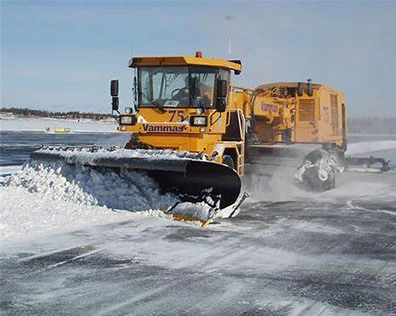
How much to dose depends on how thick the ice is, how hot it is outside, and how quickly you want it to react. Light frost usually needs 50 to 75 pounds per thousand square feet, while heavy ice may need 150 to 200 pounds per thousand square feet to be able to get through. When anti-icing is used before it snows, lower rates (30 to 50 pounds per thousand square feet) are used to keep the snow from sticking to the ground.
Regular calibration of mechanical spreaders is needed to make sure that the load is spread evenly across all track lengths. Solid potassium acetate is hygroscopic, which means it quickly soaks up water from the air and starts working as soon as it touches ice. Twenty to thirty minutes after the chemicals are applied, sweep vehicles come along to clear the slush and used chemicals. This keeps the high friction coefficients that are needed for safe flight operations.
Storage and Supply Chain Management
Airports can keep enough goods on hand during the long winter months by using bulk purchasing methods. Smaller sites can use 25kg plastic woven bags for packaging, while larger hubs with a lot of store space can use 1000kg ton bags. The material needs to be kept away from things that don't go with it in dry, well-ventilated buildings that keep out heat and wetness.
Working with certified sellers guarantees regular product quality and on-time deliveries. When manufacturers follow the SAE AMS 1431 guidelines, they test each batch thoroughly, checking for pH levels, particle size distribution, and rust. Getting ISO 9001, ISO 14001, or ISO 45001 certifications shows that you care about quality management systems and the environment. International approvals like KOSHER and HALAL help with meeting safety standards in a wide range of operating settings.
Making an Informed Procurement Decision for Potassium Acetate
When choosing deicing agents that will protect both airplane safety and infrastructure investments, procurement professionals have to make hard choices. Using a structured review method can help you find suppliers and goods that meet your business's needs.
Critical Selection Criteria
Product clarity has a direct effect on how well it deices and how resistant it is to rust. Specifications should say that the potassium acetate content must be at least 99.0% and the chloride level must be less than 0.2% to keep acidic contaminants from getting in. For clean breakdown with no buildup of leftovers, water-insoluble matter should stay below 0.05%. If the iron level is less than 0.05%, it keeps the chemicals stable and stops the food from discoloring.
Reliability of a supplier includes their ability to make things, keep track of supplies, and handle transportation. Manufacturers whose yearly production exceeds 100,000 tons show the scale needed to keep major airport operations running smoothly without supply problems. Emergency reaction plans that include backup sources for raw materials and different shipping arrangements protect against sudden increases in demand during bad weather. The availability of technical support helps operations teams fix problems with applications and make the best use of usage standards.
Instead of just looking at how much a product costs per unit, cost-efficiency estimates need to take into account all of its costs over its whole life. Premium products may be worth it if they have better performance qualities, like lower application rates, longer pavement life, and fewer upkeep tasks. Payment terms, bulk discounts, and contracts that last more than one year make it possible to plan for the long run and predict the budget.
Emerging Technology Trends
As formulations get better and application technologies get better, the aircraft deicing business keeps moving forward. Better chemical packages make things work better at low temperatures and have even less of an effect on the world. Automatic spreading systems that use GPS to guide them make sure that chemicals are put down exactly where they need to be, reducing waste and increasing coverage. Integrating real-time weather monitoring lets you do proactive anti-icing instead of reactive deicing, which makes things safer and more efficient.
As airlines try to meet their carbon reduction goals and get environmental approvals, sustainability issues become more important in their purchasing decisions. Biodegradable acetate products help reach these goals while still meeting practical performance standards. Comparing different chemical choices through life cycle studies helps figure out how much of an impact they have on the environment during production, shipping, use, and disposal.
Conclusion
Runway infrastructure requires huge amounts of money and needs to last for decades. Choosing deicing products that keep these assets safe and protect them will pay off in the long run. High-purity solid potassium acetate mixtures have little effect on structures because they reduce corrosion and work well with both ground systems and airplane parts. The chemical works better in cold weather, is better for the environment, and has been used in the field before, so airports that want to protect both operations and equipment should choose it. Total lifetime costs are always found by procurement teams to show that acetate-based systems are the most cost-effective way to maintain runways in the winter.
FAQ
Does potassium acetate corrode runway concrete and metal components?
According to research, properly made potassium acetate goods have a lot lower corrosion rates than regular deicers that are built on chloride. Corrosion rates on carbon steel are less than 0.03g/m²·h, which means that internal reinforcement and metal fittings on the surface are safe. Because the chemical is mostly organic and has a pH close to neutral, it doesn't cause the strong electrical reactions that chlorides do in concrete cracks. Aluminum, magnesium, and cadmium metals used in airplanes stay safe during ground operations. This means that salt-based replacements don't pose the risk of damaging the airframe.
How should airports store solid potassium acetate to maintain effectiveness?
Facilities for storing things must keep them dry, well-ventilated, and away from heat and moisture. Because potassium acetate is hygroscopic, it needs to be kept in containers that are tightly sealed so that it doesn't absorb water from the air and cause it to activate or form a crust too soon. Temperatures and relative humidity should stay in the mild range in warehouses. The product stays fully effective for two years if it is stored properly and the box is kept whole. Separation from substances that don't work well together keeps things from getting contaminated, and careful handling during travel keeps packages from getting damaged, which could lower the quality of the materials.
Can different deicing chemicals be mixed during application?
If you mix potassium acetate with other deicing compounds without first talking to a professional, you might end up with chemistry mismatches that make the mixture less effective or cause unwanted reactions. There are certain chemicals and inhibitors in each recipe that are meant to work together in that product system. When you mix different chemicals, the pH levels, precipitation processes, or corrosion defense properties may change in ways that you can't predict. Before putting together any products, airport operations should talk to the companies that make the chemicals involved to make sure that compatibility testing shows that the mixtures will work safely and effectively.
Partner With Zhaoyi Chemical for Premium Aviation Deicing Solutions
Zhaoyi Chemical has been making acetate for more than 30 years and works with aviation repair workers all over the country. Our airport runway solid potassium acetate supplier can provide consistent high-purity formulations that meet SAE AMS 1431 standards, a range of flexible packing options from 25kg bags to bulk ton-bags, and reliable delivery plans backed by an annual production capacity of 150,000 tons. We keep safety stock to make sure that orders are filled quickly. Standard sales have wait times of 5 to 7 working days. Our technical team is available 24 hours a day, seven days a week, and answers questions within two hours. They can help you improve your application procedures and fix operating problems. Get in touch with sxzy@sxzhaoyi.com right away to talk about your needs and find out how our approved solutions can protect your runway infrastructure and give you solid winter performance.
References
1. Federal Aviation Administration. (2020). Airport Winter Safety and Operations. Advisory Circular 150/5200-30D. U.S. Department of Transportation.
2. Klein-Paste, A., & Sinha, N.K. (2018). Comparison of Plane Strain Fracture Toughness and Intrinsic Cohesive Strength of Atmospheric Ice at Different Loading Rates. Journal of Cold Regions Engineering, 32(3), Article 04018005.
3. Society of Automotive Engineers. (2019). Solid Runway and Taxiway Deicing/Anti-icing Products. Aerospace Material Specification AMS 1431E. SAE International.
4. Shi, X., Akin, M., Pan, T., Fay, L., Liu, Y., & Yang, Z. (2009). Deicer Impacts on Pavement Materials: Introduction and Recent Developments. The Open Civil Engineering Journal, 3, 16-27.
5. Chappelow, C.C., McElroy, A.D., Blackburn, R.R., Darwin, D., de Noyelles, F.G., & Locke, C.E. (1992). Handbook of Test Methods for Evaluating Chemical Deicers. Strategic Highway Research Program, National Research Council.
6. Transportation Research Board. (2007). Guidelines for the Selection of Snow and Ice Control Materials to Mitigate Environmental Impacts. NCHRP Report 577. National Academies Press.

USER EVALUATE
Here is the customer's evaluation of us