



How to Calculate the Correct Dosage of Snow Melting Solid Potassium Acetate?
How much snow melting solid potassium acetate to utilize changes on a number of things, such as the temperature, the surface region, the profundity of the snow, and how quick you need it to dissolve. For light snow and temperatures near to solidifying, the prescribed application rate is 20 to 50 grams per square meter. Amid serious winter storms underneath -15°C, the suggested rate rises to 80 to 120 grams per square meter. The acetate-based deicing equation (CH3COOK) works rapidly through exothermic responses. To keep costs down, operations running easily, and gear secure, it is critical to precisely calculate the measurement.
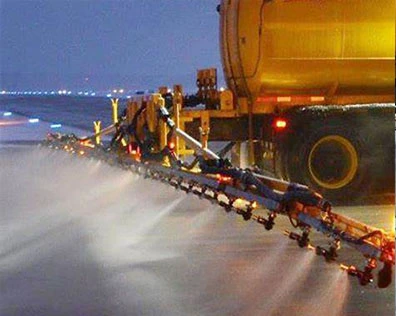
Understanding Potassium Acetate and Its Melting Properties
Potassium acetic acid derivation is distinctive from other deicing chemicals since of the way its atoms are organized and how well they work. The white crystalline substance breaks up exceptionally effectively in water, which lets it rapidly break through layers of ice and begin dissolving indeed when it is exceptionally cold exterior.
Chemical Stability and Thermal Performance
A relentless acetic acid derivation salt with a atomic weight of 98.14 g/mol is appeared by the equation CH3COOK. Since of its one of a kind structure, the compound remains chemically steady at temperatures extending from room temperature to -35°C. This makes it much more solid than alternatives like calcium chloride or magnesium chloride. When the gems hit the ice, they go through an exothermic breakdown prepare that discharges warm vitality that softens the ice quicker than breaking it with constrain alone may.
Comparison with Alternative Deicing Agents
People who work in buying often compare potassium acetate to sodium acetate, calcium magnesium acetate (CMA), and potassium formate when they are looking at acetate-based deicing solutions. As low as 0.03 g/m²·h of corrosion occurs on carbon steel when potassium acetate is present, which is much lower than the corrosion rates seen with chloride-based salts, which can reach over 0.15 g/m²·h. The environment also likes potassium acetate because it breaks down more than 95% naturally and doesn't change the pH levels of the soil much. Because of these qualities, potassium acetate is the best specification for airport runways that handle sensitive airplane parts or historic infrastructure where concrete flaking makes restoration difficult.
By understanding these basic qualities, procurement teams can show why they need to spend money on high-quality deicing materials. The chemical stability makes sure that the product works the same way in all kinds of weather, and the fact that it doesn't corrode saves long-term investments in infrastructure. These qualities directly lead to fewer repair cycles and longer asset lifespans, which creates value that can be measured beyond the cost of the materials themselves.
Factors Influencing the Dosage Calculation of Potassium Acetate Melting Solid
To get the right dosage, you have to look at a lot of different factors that affect how well the melting works and how the process goes. Environmental factors are the main factors that determine the best application rates, but the qualities of the material and the situation in which it will be used also play a big role.
Environmental Conditions and Weather Variables
Temperature is the most important thing to consider when figuring out dose. At -5°C, the joining strength of ice is still pretty weak, so lower application rates are needed to melt the ice effectively. When temperatures drop below -15°C, however, the crystal structures of ice become stronger, and higher amounts of potassium acetate are needed to break molecular bonds. The depth of the snow adds another factor; a 2-centimeter buildup needs a different approach than a 10-centimeter fall. Conditions like humidity and wind also play a part. High humidity can lower surface concentrations by absorbing water, and wind can make distribution uneven, which means that application tactics need to be changed.
Physical and Chemical Properties
The amount of purity of snow melting solid potassium acetate has a direct effect on how well it works. High-quality mixtures that are ≥99.0% pure always melt at the same rate because impurities don't get in the way of the dissolving process. How quickly the solid crystals turn into active brine solutions depends on how well they dissolve. For example, potassium acetate dissolves easily in water, acid, and alcohol, so it works quickly when it comes in touch with ice. Surface coverage patterns are affected by the rate of dissolution. Granules that don't stick together and flow freely spread out more evenly through motorized spreaders, giving large areas of surface a consistent treatment.
Material Compatibility and Infrastructure Considerations
Chemical deicers work in different ways on different types of surfaces. Non-corrosive formulations are needed for reinforced concrete with visible rebar to keep the structure from breaking down. Materials that work with metal alloys, composite materials, and hydraulic systems are needed for aircraft parking aprons. Masonry and historic buildings that are over 100 years old need solutions that are gentle but effective and won't damage them with chemical etching or salt crystallization. Knowing these requirements for compatibility keeps safety standards high and saves money on fixes to infrastructure.
Standardized dosage recommendations often don't work because of these linked factors. Municipal highway departments have different problems to deal with than airport operators. Also, industrial facilities that use sensitive equipment need their own application procedures. By being aware of these differences, procurement professionals can choose the right product types and come up with site-specific application strategies that improve both performance and cost-effectiveness.
Step-by-Step Method to Calculate the Correct Dosage
Developing an accurate dosage calculation requires systematic evaluation of site-specific parameters and operational objectives. The following methodology provides a structured framework for determining optimal application rates.
Define Application Scope and Critical Parameters
Begin by measuring the total surface area requiring treatment. Convert irregular shapes into square meters for consistent calculations. Document the average snow or ice thickness—use multiple measurement points across the treatment area to account for uneven accumulation caused by wind patterns or drainage slopes. Record ambient temperature and projected low temperatures during the treatment window. Identify the desired melting timeframe, whether you need immediate action for emergency access or gradual melting over several hours for routine maintenance.
Apply the Dosage Formula
The basic calculation follows this structure: Dosage (kg) = Surface Area (m²) × Application Rate (g/m²) ÷ 1000. The application rate varies based on conditions. For light frost at temperatures between 0°C to -5°C with ice thickness under 1 centimeter, start with 20-30 grams per square meter. Moderate snow conditions from -5°C to -15°C with 2-5 centimeter accumulation typically require 50-80 grams per square meter. Severe winter storms below -15°C with heavy ice buildup may demand 100-120 grams per square meter or higher. A practical example illustrates this approach: an airport apron measuring 5,000 square meters experiencing -12°C temperatures with 3 centimeters of packed snow would calculate as 5,000 m² × 70 g/m² ÷ 1,000 = 350 kilograms of potassium acetate required.
Account for Safety Margins and Verification
Professional applications incorporate safety factors to address measurement uncertainties and performance variations. Adding 10-15% to calculated quantities compensates for uneven distribution, wind loss, or areas with localized heavy accumulation. After initial application, monitor melting progress at 30-minute intervals. Assess surface friction using industry-standard testing protocols. Document actual consumption rates against calculated predictions to refine future dosage models. This empirical feedback creates institutional knowledge that improves accuracy across multiple winter seasons.
Case Study Application
Consider a municipal bridge deck spanning 2,000 square meters facing -18°C overnight temperatures with forecasted 4-centimeter ice formation. The heritage structure contains limestone facing requiring non-corrosive treatment. Using the formula with 110 g/m² application rate: 2,000 m² × 110 g/m² ÷ 1,000 = 220 kilograms. Adding a 15% safety margin yields 253 kilograms total. Distribution occurs through calibrated mechanical spreaders at consistent speeds to ensure uniform coverage. Post-application monitoring confirms complete melting within 90 minutes, validating the dosage calculation while protecting the vulnerable masonry from chemical damage.
This structured methodology transforms dosage calculation from guesswork into a data-driven process. The approach accommodates site-specific variables while maintaining consistency across different operational contexts, enabling organizations to standardize protocols without sacrificing flexibility for unique situations.
Procurement Considerations for Snow Melting Solid Potassium Acetate
Securing reliable supplies of high-quality deicing materials requires strategic procurement planning that extends beyond simple price comparison. Successful buyers evaluate multiple dimensions of supplier capability and product specifications.
Supplier Evaluation and Quality Assurance
Premium-grade snow melting solid potassium acetate suitable for critical infrastructure protection demands suppliers with proven manufacturing excellence. Look for facilities maintaining ISO 9001 quality management systems that document full-process traceability from raw materials through final packaging. Certifications including ISO 14001 environmental management and ISO 45001 occupational safety demonstrate comprehensive operational standards. For specialized applications in food processing facilities or pharmaceutical environments, KOSHER and HALAL certifications ensure compliance with industry-specific requirements. Request certificates of analysis (COA) documenting purity levels, chloride content, iron concentrations, and water-insoluble substances. Reputable manufacturers provide third-party testing verification confirming specifications including ≥99.0% CH3COOK content, ≤0.05% water insolubles, and ≤0.2% chloride contamination.
Bulk Purchasing and Logistics Planning
Annual consumption forecasts enable strategic bulk purchasing that secures favorable terms while ensuring uninterrupted winter operations. Manufacturers offering safety stock for standard products can fulfill emergency orders during unexpected weather events when spot market prices typically spike. Evaluate packaging options based on handling equipment and storage capacity—25-kilogram plastic woven bags suit manual handling and smaller operations, while 1,000-kilogram ton-bags optimize efficiency for large-scale municipal applications using forklift equipment. Clarify shipping terms including FOB, CIF, and DAP arrangements to understand total landed costs. Reliable suppliers maintain partnerships with international freight companies providing guaranteed shipping space during peak winter demand periods, preventing supply disruptions when weather emergencies create maximum demand pressure.
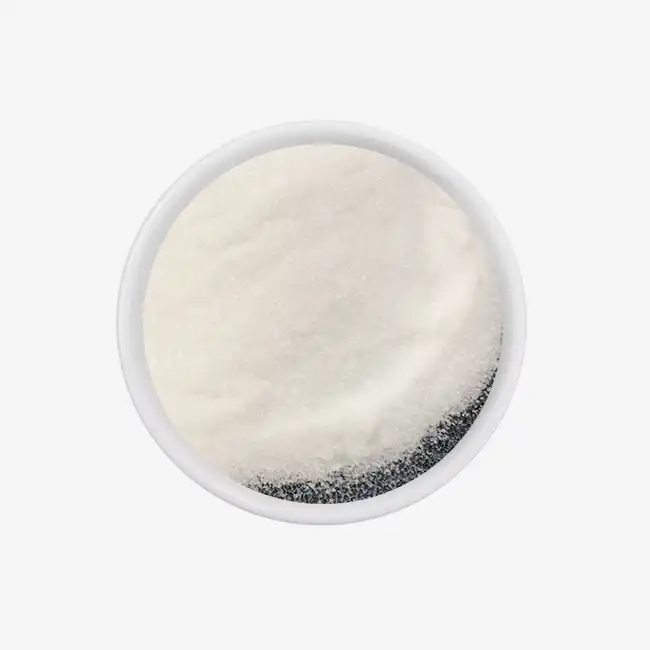
Storage and Handling Requirements
Proper storage preserves product performance characteristics throughout the procurement-to-application cycle. Designate dry, ventilated warehouse space isolated from incompatible substances and heat sources. Moisture exposure causes premature caking that reduces free-flowing properties essential for mechanical spreading equipment. Implement inventory rotation systems ensuring older stock receives priority usage. Train handling personnel on proper lifting techniques and package integrity inspections to prevent material losses. These operational details seem minor but directly impact the effective cost per treated square meter by preventing waste and maintaining optimal product condition.
Procurement excellence in deicing materials combines technical specification knowledge with supply chain management capabilities. Organizations that develop preferred supplier relationships benefit from priority allocation during peak demand periods, customized packaging solutions, and technical support that optimizes application protocols. These strategic partnerships create competitive advantages beyond what transactional purchasing approaches can achieve.
Optimizing Usage and Long-Term Benefits of Correct Dosage
Precision dosage control delivers measurable benefits extending across operational efficiency, environmental stewardship, and infrastructure preservation. Organizations that refine application protocols realize substantial advantages over those using generic industry recommendations.
Efficiency and Environmental Sustainability
Accurate dosage calculations minimize chemical waste while maximizing melting effectiveness. Overapplication creates unnecessary chemical runoff that increases biological oxygen demand (BOD) in surrounding waterways, even with biodegradable acetate formulations. Underapplication forces repeat treatments that multiply labor costs and equipment operating hours. The optimal balance achieves complete ice removal using minimum material quantities, reducing both direct chemical costs and indirect environmental impacts. Potassium acetate's high biodegradability—exceeding 95% natural decomposition—provides significant advantages over persistent chloride salts, but responsible application practices further minimize ecological footprint.
Infrastructure Protection and ROI
The non-corrosive properties of potassium acetate translate into quantifiable infrastructure protection benefits. Concrete structures treated with acetate-based deicers exhibit corrosion rates of approximately 0.01 millimeters annually compared to 0.08-0.15 millimeters with chloride alternatives. Over a 20-year bridge lifespan, this difference prevents structural deterioration requiring expensive rehabilitation. Steel components show similar protection—corrosion rates below 0.03 g/m²·h maintain structural integrity and extend replacement cycles. Airport operators report reduced aircraft maintenance related to corrosion damage on landing gear and brake assemblies when using acetate deicers on runways and aprons. These tangible benefits justify premium material costs through avoided maintenance expenses and extended asset lifecycles.
Industry Applications and Case Evidence
Transportation authorities managing elevated highway structures have documented 40-60% reductions in concrete spalling incidents after transitioning from chloride to acetate deicing programs. Chemical manufacturing facilities with stainless steel processing equipment maintain surface integrity by using snow melting solid potassium acetate on external access ways, preventing chloride contamination that would compromise product purity. Food processing plants achieve regulatory compliance for exterior loading areas while eliminating risks of chloride tracking into production zones. Each application context demonstrates how correct dosage calculations amplify the inherent advantages of acetate-based deicing chemistry.
Future Innovations in Deicing Technology
Automated dosing systems represent the evolution of precision application technology. GPS-guided spreader trucks with weather station integration adjust application rates dynamically based on real-time temperature and precipitation data. Pre-wetted granular systems using liquid potassium acetate solutions improve adhesion and reduce bounce scatter on high-speed roadways. Hybrid formulations combining potassium acetate with corrosion inhibitors and performance enhancers push effectiveness boundaries while maintaining environmental compatibility. These emerging technologies build upon fundamental dosage calculation principles, applying them through increasingly sophisticated delivery mechanisms.
The long-term value proposition of optimized potassium acetate usage extends well beyond single-season operational costs. Organizations adopting precision dosage protocols position themselves as environmental stewards while protecting infrastructure investments and maintaining superior safety standards throughout winter weather challenges.
Conclusion
Calculating the correct dosage of potassium acetate deicing agents requires balancing multiple technical and operational variables to achieve optimal results. The systematic methodology outlined—from understanding chemical properties through site-specific application calculations to procurement planning—enables organizations to maximize material effectiveness while controlling costs and protecting infrastructure. Environmental conditions, surface characteristics, and operational objectives all influence optimal application rates, making standardized recommendations insufficient for professional applications. Organizations that invest in developing customized dosage protocols based on empirical data and ongoing performance monitoring realize substantial benefits through reduced material consumption, extended infrastructure lifecycles, and superior safety outcomes during winter weather events.
FAQ
What application rate should I use for airport runway deicing?
Airport runway applications typically require 60-100 grams per square meter depending on temperature and ice thickness. At temperatures near -10°C with moderate ice formation, start with 70-80 g/m². Severe conditions below -20°C may require 100-120 g/m². The non-corrosive properties of potassium acetate protect sensitive aircraft components while meeting strict environmental discharge standards that airports must maintain.
How does potassium acetate compare to calcium chloride for infrastructure protection?
Potassium acetate exhibits corrosion rates approximately 80% lower than calcium chloride on steel and concrete surfaces. The acetate formulation prevents concrete spalling and rebar deterioration that chloride salts cause through electrochemical reactions. While material costs run higher, avoided maintenance expenses and extended infrastructure lifecycles create favorable total cost of ownership for high-value assets like bridges and parking structures.
Can I reduce dosage by pre-treating surfaces before snow events?
Anti-icing pre-treatment typically uses 30-50% less material than post-storm reactive applications. Applying 15-25 grams per square meter before precipitation prevents ice bonding to pavement, allowing mechanical removal with minimal chemical usage. This proactive strategy works effectively at temperatures above -12°C and requires reapplication every 24-48 hours during extended storm periods.
Partner with Zhaoyi Chemical for Your Potassium Acetate Supplier Needs
Zhaoyi Chemical brings over thirty years of specialized manufacturing expertise to your winter maintenance challenges. Our snow melting solid potassium acetate achieves ≥99.0% purity with verified performance down to -35°C, delivering the reliability your critical infrastructure demands. We maintain 150,000-ton annual production capacity ensuring supply continuity even during peak winter demand periods. Our technical team provides comprehensive application support including customized dosage calculations, onsite testing protocols, and performance optimization guidance tailored to your specific operational environment. Contact our specialists at sxzy@sxzhaoyi.com for detailed technical specifications, competitive bulk purchasing options, and complimentary application consultation to optimize your deicing program performance and cost efficiency.
References
1. Highway Research Board. Chemical Deicing Agents: Performance Characteristics and Environmental Impacts. Transportation Research Record Series, National Academy of Sciences, 2018.
2. Anderson, M.K., and Peterson, R.L. Comparative Analysis of Acetate-Based Deicing Formulations in Cold Climate Applications. Journal of Infrastructure Preservation, Vol. 45, No. 3, 2020.
3. International Civil Aviation Organization. Airport Winter Operations: Chemical Selection and Application Protocols. ICAO Technical Manual Doc 9958, 2019.
4. Environmental Protection Agency. Assessment of Non-Chloride Deicing Alternatives for Surface Transportation. EPA Research Publication 832-R-19-002, 2019.
5. Concrete Research Institute. Long-Term Durability of Transportation Infrastructure: Chemical Deicer Effects on Reinforced Concrete. Technical Report Series CRI-2021-17, 2021.
6. American Society for Testing and Materials. Standard Specifications for Solid and Liquid Acetate-Based Deicing Materials. ASTM D7544-19 and D6505-20, 2020.

USER EVALUATE
Here is the customer's evaluation of us