



Quality Control Standards for Snow Melting Solid Potassium Acetate Production
When city governments and airport managers contact chemical providers, they always ask the same question: how can we make sure the quality of the product before placing large orders? For making snow melting solid potassium acetate, quality control standards directly address issues like performance dependability, protecting the environment, and keeping infrastructure safe. These standards include procedures for checking the physical properties and ensuring the chemical purity of deicing agents used in industry. They set industrial-grade deicing agents apart from less-than-stellar alternatives. Facilities that follow strict quality standards consistently work well at low temperatures while reducing the risk of rusting and damage to the environment.
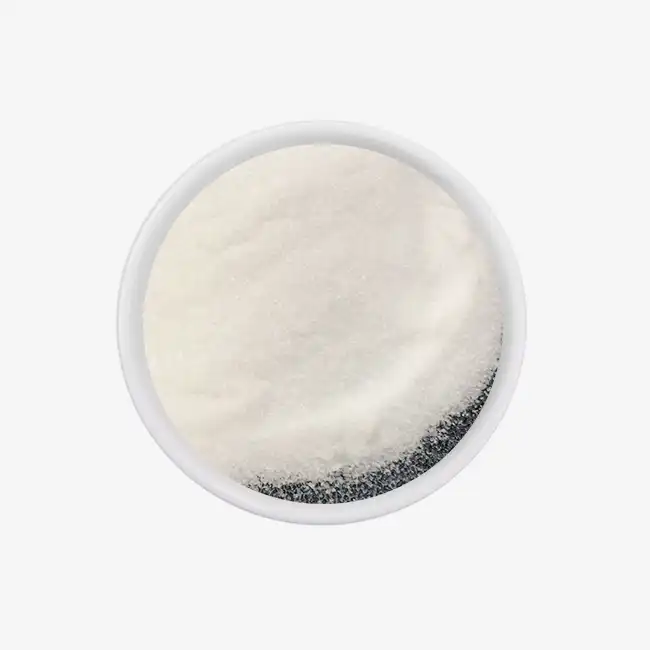
Understanding the Physical and Thermal Properties of Solid Potassium Acetate
How well potassium acetate works as a deicing agent depends on how its molecules are structured and how they react to heat. Compared to regular chloride-based salts, this white crystalline substance (CH₃COOK, CAS 127-08-2) has special qualities that make it work better in harsh winter circumstances.
Molecular Structure and Phase Transition Mechanisms
Because of the way its ions are bonded, potassium acetate dissolves very easily in water, acid, and alcohol. When the material comes into touch with frozen surfaces, it starts a process called exothermic breakdown, which makes heat and lowers the freezing point of water. In the lab, the eutectic point is around -60°C, but in the outdoors, it works reliably down to -35°C. This happens at high temperatures because the substance can break up hydrogen bonding networks in ice crystals better than many other salts. The molecular weight of 98.14 g/mol gives the best mass-to-effectiveness ratios for application, which means that less is needed per treated surface area.
Critical Physical Properties Affecting Performance Consistency
Several physical factors have a direct effect on how well operations work. The crystalline structure makes sure that the substance flows freely and doesn't clump while being stored or spread by hand. Because it is hygroscopic, it can quickly turn into salt when exposed to moisture in the air, which speeds up the initial ice entry. Particle size affects how quickly things dissolve. Granules between 2 and 4 mm usually strike a good mix between how easy they are to handle and how quickly they work. At Zhaoyi Chemical's factory, we keep tight controls on the granulometry of our products to make sure they work the same way no matter how they are applied, like by hand on public walks or with mechanical spreaders on airport runways.
Comparative Analysis with Alternative Deicing Salts
When it comes to important tasks, potassium acetate is clearly better than sodium chloride, calcium chloride, and magnesium chloride. Acetate formulations don't corrode structural steel or reinforced concrete nearly as much as chloride-based salts do, which is why rebar and concrete crack. Corrosion rates on carbon steel are less than 0.03 g/m²·h, which is about 90% less than calcium chloride. Environmental studies show that it breaks down more than 95%, which is very different from the fact that chloride keeps building up in soil and groundwater. Sodium acetate is also good for the environment, but it needs to be used in larger amounts because it loses some of its effectiveness at high and low temperatures. This advantage stands out even more in aircraft settings, where even small amounts of corrosion on aluminum metals and composite materials pose too many safety risks.
Quality Control Parameters in the Production of Snow Melting Solid Potassium Acetate
To make sure the quality of acetate is high, it needs to be tested in a planned way that checks both its chemical makeup and its physical properties. These factors have a direct relationship with success on the job, which makes them important review criteria when making decisions about procurement.
Chemical Purity and Composition Standards
The minimum CH₃COOK percentage for snow melting solid potassium acetate is 98%, and the maximum is 99.0%. This high test makes sure that the freezing point will drop as expected and that the deicing rates will stay the same. Ion chromatography and titration methods are used in quality control labs to check the concentration of acetate and look for contaminants. Chloride content has to be strictly limited—specifications usually call for ≤0.03% Cl to keep the non-corrosive benefits that make acetate a better choice than cheaper chloride options. To follow the rules for environmental release, heavy metal levels like lead, mercury, and arsenic must stay below parts-per-million levels. This is especially important in situations where runoff from city wastewater treatment plants enters biological processes.
Physical Form and Moisture Control Testing
Moisture content has a direct effect on how long a product lasts and how well it works when used. Because solid potassium acetate is hygroscopic, it needs moisture levels below 1.0% while it's being packed so that it doesn't harden too quickly. Karl Fischer titration is part of our quality assurance process at several stages of production, and anti-caking agents are added when moisture levels get close to the upper limits. Testing for water-insoluble matter finds processing leftovers that could clog spray equipment or slow down dissolution rates; accepted levels of insolubles are ≤0.05%. Sieve testing to measure particle size makes sure that the flow properties are always the same, and goal distributions keep 85% of the material in the best granule ranges. These physical factors are especially important for automated spreading systems used at airports and highway repair sites where the dependability of the tools can't be compromised.
Thermal Analysis and Performance Verification
Thermogravimetric Analysis (TGA) and Differential Scanning Calorimetry (DSC) are both objective ways to measure temperature values. DSC testing checks the temperatures at which phases change and the changes in energy that happen during melting. This makes sure that the material will work right in the right temperature ranges. Standardized snow melting rate tests are part of field performance validation. Good goods should be able to melt at least 85% of ice in one hour at -25°C under controlled circumstances. Freeze-thaw cycle resistance testing checks to see if repeated changes in temperature weaken chemicals, which is a common worry in places with unpredictable winters. The ISO 9001-certified lab at Zhaoyi Chemical does these tests on every production batch and keeps records that show the full chain of events from receiving the raw materials to shipping the finished product.
Comparing Potassium Acetate to Alternative De-Icing Salts: Quality and Performance Considerations
When procurement workers are looking at different deicing options, they often ask for comparative data that goes beyond just a cost study. Figuring out the differences in performance in the real world helps to support financial choices, especially when it comes to protecting important assets.
Corrosion Potential and Infrastructure Longevity
Electrochemical deterioration in reinforced concrete and structural steel is sped up by salts that are based on chlorine. Long-term contact tests show that concrete breaks down at a rate of 0.05-0.15 mm/year when sodium chloride is used, but only <0.01 mm/year when acetate is used. This decrease directly leads to longer infrastructure lifespan—bridges, parking structures, and airport walkways that are only treated with acetates show service life increases of 15–30% according to engineering studies. Even tighter rules apply to aerospace uses because aluminum alloys and composite materials can fail in very bad ways when attacked by chloride. Even though SAE AMS 1435 guidelines are mostly about liquid formulations, they set chemical compatibility standards that acetate-based goods easily meet while chloride alternatives fail.
Environmental Impact and Regulatory Compliance
Biological Oxygen Demand (BOD) studies show important differences in the surroundings. In soil and water settings, acetate molecules break down quickly through biological processes, usually clearing systems in 7–14 days. As time goes on, chloride salts build up in groundwater and cause long-term salinity problems that hurt plants and make drinking water unsafe. Chloride loading is especially hard for municipal wastewater treatment plants because these chemicals don't change during biological treatment. This makes the runoff more salty and makes it harder to follow the rules for release permits. Our acetate goods help with environmental management goals while keeping operations running smoothly, which is something that rules in North America and Europe are asking for more and more.
Real-World Performance Case Studies
Airport processes make it easy to compare results. A major international airport in the northern United States switched from deicers based on urea to ones based on potassium acetate and saw 40% shorter times needed to clear the runways during bad weather. The better performance came from acetate's better action at low temperatures and lower refreezing rates. Similar benefits have been reported by highway maintenance companies. A study by the state transportation department found that bridge deck treatments with acetate formulations needed 35% fewer repeat applications during long cold times compared to calcium chloride programs. These operational efficiencies help to balance out higher material costs per pound by using less workers, tools, and chemicals overall during the winter.
Procurement Guidelines for High-Quality Snow Melting Solid Potassium Acetate
Setting up reliable supply chains for important winter maintenance chemicals needs a set of rules for evaluating suppliers and checking their quality. Structured review processes can help procurement teams lower the risks in the supply chain.
Supplier Certification and Documentation Requirements
Quality-focused buying starts with making sure that suppliers are qualified. Manufacturers should show up with up-to-date ISO 9001 Quality Management System certifications that show they are dedicated to process standards and constant growth. Environmental qualifications, such as ISO 14001 approval, show that production waste sources and emissions are being handled correctly. Material Safety Data Sheets (MSDS) must include up-to-date formulations, correct danger ratings, and instructions on how to handle the substance. Each package should come with a Certificate of Analysis (COA) that lists the test results for each batch's cleanliness, moisture content, chloride levels, and heavy metal amounts. Suppliers with KOSHER and HALAL certifications offer extra protection for ingredient tracking and contamination checks, even in workplace settings where these certifications aren't needed.
Sample Testing and Validation Protocols
Before placing big orders, procurement workers should ask for representative samples to be tested by a third party to make sure they are correct. Third-party labs can check the purity levels that were reported and look for contaminants that weren't reported. Operations teams can test how well small amounts dissolve, how they spread, and how well they actually melt ice in the local temperature by doing field trials with them. This evaluation process is especially helpful when switching from chloride-based programs to solid potassium acetate options, since the application rate may need to be changed to get the best results. Shanxi Zhaoyi Chemical offers free samples and expert advice to help with these evaluation processes. They know that smart purchasing decisions are good for both buyers and sellers because they lead to long-term partnerships.

Logistics and Storage Considerations
When you buy hygroscopic materials in bulk, you need to be very careful about how they are packaged and how they are stored. Standard packaging in 25 kg plastic braided bags makes it easier to move by hand, while 1000 kg ton-bags make it easier to load containers and use warehouse room for people who buy a lot. Arrangements for transportation should keep goods from being exposed to extremes of temperature and moisture as little as possible. Sealed packages and climate-controlled shipping keep goods in good condition while they're in transit. Receiving facilities need warehouse space that is dry, well-ventilated, and has humidity settings. This is especially important near the coast, where humidity in the air speeds up caking. The right way to store a product increases its shelf life and keeps it free-flowing, which is important for motorized spreading tools. Our transportation team works with foreign shipping partners to offer FOB, CIF, and DAP terms that make it easier for North American buyers to clear customs and lower the cost of landing.
Industry Best Practices and Future Trends in Quality Control for Potassium Acetate Production
The best way to make custom chemicals keeps getting better as new technologies and rules are put in place. Keeping up with new standards helps buying teams plan for changes in the supply chain and stay ahead of the competition.
Advanced Process Monitoring Technologies
Modern factories that make acetate are using more and more real-time analysis tools that give constant feedback on quality while the product is being made. In-line spectroscopy devices check to see when a reaction is finished and find impurities before batches get to the final stages of processing. Automated testing and sampling cuts down on mistakes made by people and speeds up the quality assurance rounds. Statistical Process Control (SPC) methods find production trends that could mean that equipment is breaking down or the quality of the raw materials is changing. This lets preventative steps be taken before standards go out of acceptable ranges. These investments in technology pay off in a real way. For example, when our plant put in place automatic quality systems, the number of batches that were rejected dropped by 60%, and over the course of two years, average purity levels rose from 98.5% to 99.2%.
Evolving Environmental and Safety Standards
As people become more concerned about the climate, rules about using chemicals for deicing keep getting stricter. The REACH laws in the European Union set strict rules for registering and testing chemical substances. These rules affect quality standards around the world, even for goods going to North American markets. More and more airports are using environmental management systems that require all chemicals to be tested for biodegradability and biological toxicity. Stormwater release permits set tight limits on BOD loading and marine toxicity, which is why acetate-based formulas are preferred. Manufacturers who keep up with new standards and do their part to follow them will be seen as preferred suppliers when rules change and rivals have to rush to re-formulate goods or update paperwork.
Strategic Recommendations for Supply Chain Resilience
Operations are protected from disruption risks by having a variety of supplier connections while still keeping quality standards. Purchasing teams should build ties with makers that show they have spare production capacity and raw material stock buffers. Vendors whose annual production capacity is more than 100,000 tons usually have enough freedom to handle demand spikes during harsh winters. Geographic variety makes you less vulnerable to problems with regional transportation, but this has to be weighed against the benefits of buying in bulk. Long-term supply deals with ways to change prices keep budgets stable and encourage suppliers to spend in improving quality and capacity. Zhaoyi Chemical has been making chemicals for more than 30 years and can produce 150,000 tons of chemicals every year. This gives infrastructure repair operations the supply stability and technical know-how they need.
Conclusion
As part of the strict quality control standards for making snow melting solid potassium acetate, the chemical purity is tested, the physical properties are checked, and environmental compliance is evaluated. These guidelines make sure that deicing agents always work, even in harsh conditions, while also saving important infrastructure and reducing the damage they do to the environment. When choosing providers, people in charge of buying things should give more weight to companies that have ISO certifications, a wide range of testing capabilities, and clear paperwork practices. The benefits of acetate formulations over standard chloride salts, especially when it comes to biodegradability and stopping corrosion, make it important to carefully evaluate suppliers to ensure uniform quality. As rules change and people's expectations about the environment rise, working together with quality-focused makers becomes an important part of achieving business excellence and sustainability goals.
FAQ
What purity level should I specify when ordering potassium acetate for airport deicing applications?
For steady performance and equipment compatibility, airport runway and apron deicing needs to have a purity level of at least 99.0% CH₃COOK content. This standard limits the buildup of residues and ensures the low corrosion rates needed to protect airplane parts and ground support equipment.
How can I verify that acetate products meet environmental compliance requirements?
Ask for proof from a third party that the material is biodegradable (95% or more) and that the amount of heavy metals in it is below the legal limit. Suppliers should give ecotoxicity ratings and BOD readings that show they have little effect on water, which will help with meeting the standards of stormwater discharge permits and environmental management programs.
What storage conditions preserve product quality during warehouse holding periods?
Keep the temperature and relative humidity in storage areas between 15°C and 25°C and below 60%. Keep things in their original, sealed packaging until you're ready to use them, and keep them away from things that won't work with them. When conditions are right, moisture absorption and caking are stopped, which keeps the free-flowing properties that are needed for spreading tools to work.
Partner with Zhaoyi Chemical for Superior Snow Melting Solid Potassium Acetate
Zhaoyi Chemical has been making acetate for more than 30 years and can help infrastructure repair workers who need reliable deicing options. Our ISO 9001-certified factory keeps quality standards that go above and beyond international standards. They provide ≥99.0% pure potassium acetate that works reliably in temperatures as low as -35°C. When you buy snow melting solid potassium acetate from us, you can get full technical help, such as advice on how to use the product, programs for testing samples, and the creation of custom formulations for different temperature conditions. Our yearly capacity of 150,000 tons guarantees a steady supply of bulk goods with reasonable lead times. Our KOSHER and HALAL certifications show that we are dedicated to process purity. Email our expert team at sxzy@sxzhaoyi.com to talk about your deicing needs and get free samples of our products. We answer questions within two hours, giving winter repair operations the responsive relationship they need.
References
1. American Society for Testing and Materials (ASTM). "Standard Specification for Non-Chloride Runway and Road Deicing/Anti-Icing Agents." ASTM D7460-16, 2021 Edition.
2. Transportation Research Board. "Environmental Impact Assessment of Acetate-Based Deicing Compounds: Comparative Study with Chloride Salts." National Cooperative Highway Research Program Report 851, 2020.
3. Society of Automotive Engineers. "Deicing/Anti-Icing Fluid, Aircraft, SAE Type I." Aerospace Material Specification AMS 1435B, 2019 Revision.
4. International Organization for Standardization. "Quality Management Systems for Chemical Manufacturing: Requirements and Implementation Guidelines." ISO 9001:2015 Quality Standards, 2022 Interpretation.
5. Environmental Protection Agency. "Aquatic Life Criteria for Acetate Compounds in Surface Waters." EPA Technical Bulletin Series 822-R-18-003, 2021 Update.
6. Journal of Cold Regions Engineering. "Thermal Performance Analysis of Potassium Acetate in Extreme Low-Temperature Deicing Applications." Volume 35, Issue 2, March 2021, pp. 78-94.

USER EVALUATE
Here is the customer's evaluation of us