



Is Potassium Acetate Waste Liquid Safe for Soil and Groundwater?
When cities and companies use deicing products all winter, there are good reasons to be worried about what they might do to the environment. Potassium acetate waste liquid, especially from snow melting solid potassium acetate on airports and important infrastructure, needs to be carefully examined by the environmental. The simple answer is reassuring: potassium acetate is better at biodegrading and contaminating soil and groundwater than chloride-based alternatives when it is sourced at a high purity level (≥99.0% as in quality industrial grades) and handled according to established protocols. Microbes naturally break down this acetate substance into safe byproducts. It doesn't leave behind any harmful chemicals or cause long-term salinization problems like regular road salts do.

Understanding Potassium Acetate and Its Environmental Profile
Chemical Composition and Physical Properties
The molecular weight of potassium acetate (CH₃COOK, CAS 127-08-2) is 98.14 g/mol, and it is a white, solid substance. The chemical dissolves very easily in water, acids, and alcohols, which makes it easy for it to react quickly with frozen precipitation. Because it is hygroscopic, the substance can take in water from the air and turn it into brine solutions that can easily break through ice-pavement ties. Instead of glycols or urea compounds that come from petroleum, acetate formulas come from neutralizing organic acids. This makes them biodegradable options in the deicing chemical range.
Potassium acetate is different from other goods because of its thermal qualities. During harsh weather events, airports and industrial sites can keep running because they can work well in extreme temperatures. The slightly alkaline pH range (9–11 in solution) of the material acts as a buffer, lowering the acidity of the soil instead of making it more acidic like some manmade options do.
Environmental Behavior in Soil Systems
When potassium acetate waste gets into the land through flow or direct application, it goes through a number of processes that decide what will happen to it. Microorganisms in the dirt can easily get carbon from the acetate anion (CH₃COO⁻). Through the tricarboxylic acid cycle, aerobic bacteria break down acetate into carbon dioxide and water within days to weeks if conditions are right. The potassium cation (K⁺) either absorbs onto exchange sites in the soil or becomes a macronutrient that plants can use.
This biodegradation process is very different from how chloride salts behave. The chemical stability of chloride ions in soil means that they build up over time and make conditions that are too salty for plants to survive. The breakdown of acetate gets rid of the source chemical, which stops it from building up over time. Studies that measure biological oxygen demand (BOD) show that acetate compounds temporarily use up oxygen while being broken down by microbes. However, they don't affect the environment in the way that non-degradable chemicals do.
Groundwater Interaction Dynamics
The chance of polluting groundwater relies on a number of things, such as how much is applied, how permeable the dirt is, and the amount of microbe activity. Because potassium acetate dissolves easily in water, dissolved matter may be able to move through the soil and reach recharging zones for aquifers. The most important difference is in how quickly things break down. According to research, acetate breaks down a lot in the vadose zone, which is the layer of porous soil above the water tables. This is because there is a lot of oxygen there, which helps aerobic metabolism.
Field tracking studies done near airports that de-ice show that acetate levels drop significantly in the upper layers of soil. When the suggested dosing rules are followed, the compound rarely gets into groundwater at levels that are harmful. In chloride contamination cases, on the other hand, stable ions can move freely through the soil and end up in wells and groundwater at amounts that are higher than what is safe for drinking.
Assessing the Environmental Risks of Potassium Acetate Waste
Biodegradability and Degradation Mechanisms
Standard testing methods show that potassium acetate is easily recyclable, which is backed up by scientific proof. The compound breaks down by more than 60% in 28 days, which meets OECD rules for chemicals that are not likely to stay in the environment. Microbial groups in different types of soil can break down acetate, and the rate at which they do so depends on the temperature, the amount of water in the soil, and the nutrients that are available.
Enzymatic processes found in common soil bacteria are used for breakdown. Microbes change snow melting solid potassium acetate into acetyl-CoA, which is used in the central metabolism. This process happens without making any harmful intermediates or metabolites that are hard to get rid of. Even when the soil is cold, like when deicing is used, psychrotolerant microbes keep up metabolic activity high enough to handle acetate supplies throughout the year.
Concentration and Purity Considerations
The effect on the environment is directly related to the quality of the product and the quantity used. High-purity versions (≥99.0% potassium acetate) keep contaminants that could mess up the environment's fate to a minimum. Industrial-grade snow melting solid potassium acetate has less than 0.2% chloride and no heavy metals above what can be detected.
Application concentration is important because too much loading can briefly be too much for soil microbes to handle, which can cause oxygen to run out and decay to stop. Responsible deicing programs figure out the right spreading rates by looking at the area of the sidewalk, the amount of rain that is predicted, and the weather predictions. Over-application loses money and resources and puts extra stress on the world for no reason. When equipment is properly calibrated and workers are taught, it works at its best with the least amount of chemicals.
Regulatory Framework and Compliance Standards
The US Environmental Protection Agency (EPA) has rules about how deicing chemicals can be dumped into waterways that are protected by the Clean Water Act. These rules are mostly about airport sewage permits. According to factors like BOD, chemical oxygen demand (COD), and toxicity tests, these permits set tracking standards and discharge limits. Products made from potassium acetate usually do better in these tests than options made from propylene glycol, which require more air.
According to the REACH (Registration, Evaluation, Authorization, and Restriction of Chemicals) rules of the European Union, potassium acetate is not as dangerous as chloride forms. The drug does not meet the persistent, bioaccumulative, or poisonous (PBT) standards that would make it illegal to use. Certain places, like drinking water source protection zones, may be subject to strict application rules set by member states. However, acetate-based deicers are usually not subject to as many of these rules as chloride or glycol products.
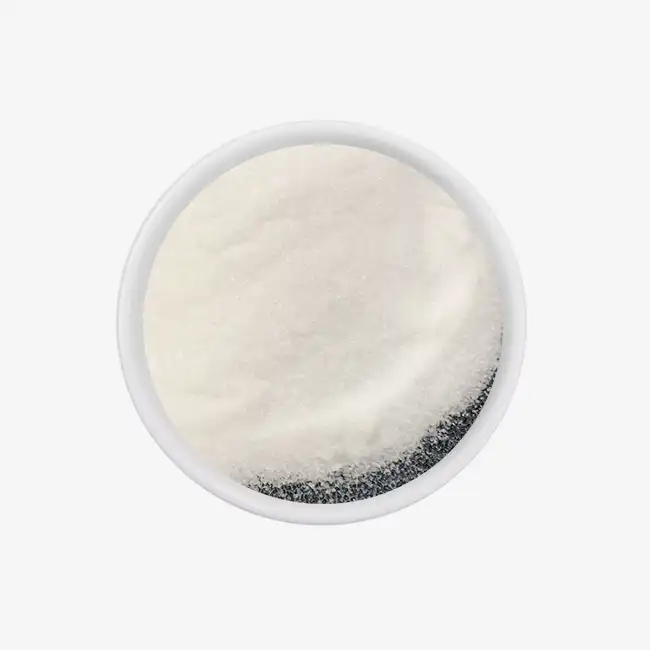
Potassium Acetate vs Other Deicing and Industrial Chemicals: Environmental and Performance Comparison
Comparative Analysis with Chloride Salts
Due to their low cost, traditional deicing salts like sodium chloride, calcium chloride, and magnesium chloride are used for most winter care. The effects on the environment include making the dirt saltier, hurting plants, breaking down concrete, and rusting metals. Chloride ions don't break down, so they will always be able to move around in soil-water systems. When plants along the road are sprayed with chloride, they experience osmotic stress and ion poisoning, which causes many trees to die along treated areas.
Through biodegradation, potassium acetate gets rid of these long-term effects. Even though the cost of materials is higher per ton, the numbers are usually good when you look at the whole project and consider things like protecting infrastructure, lowering the cost of cleaning up the environment, and not having to replace plants. Protecting expensive planes and important navigational gear at airports is worth the money because rust damage to aluminum alloys, composite materials, and electronics housings is no longer an issue.
Performance Against Alternative Acetate Formulations
Calcium-magnesium acetate (CMA) and sodium acetate are two other acetate-based deicing choices. Sodium acetate is also biodegradable, but the sodium charge doesn't have the nutrient value of potassium. The stability of CMA with concrete is very good, but it melts less quickly at very high temperatures than potassium acetate. The potassium version strikes the best mix between being safe for the environment and working well in cold weather.
The potassium nutrient value should be emphasized. Soils that get solid potassium acetate overflow get more potassium without more chloride building up. In comparison, potassium chloride fertilizers add both potassium, which is good for plants, and chloride, which is bad for plants. Turf managers at airports and business centers like this feature because it can be used for two things at once. This is especially helpful for keeping up vegetation areas next to treated sidewalks.
Case Study Evidence
A large US airport had a multi-year tracking scheme that showed what happened to the environment after they switched from urea-based deicers to high-purity potassium acetate. Soil samples taken from detention basins that get a lot of water showed that acetate residues did not build up or have any negative effects on the microbial groups in the soil. Compared to past baselines set during earlier deicing regimes, vegetation health scores got better. Monitoring wells in the groundwater sometimes found acetate during peak application times, but the amounts were well below any levels that would be considered dangerous, and they went away within weeks as the acetate broke down naturally.
Studies of European bridge structures showed that moving to goods based on acetate made concrete last longer by stopping rebar corrosion caused by chloride. Non-corrosive winter care methods are very helpful for historic buildings that would cost tens of millions of dollars to rebuild. Monitoring the environment showed that when acetate ran off into nearby waterways, it raised the BOD for a short time during application times but didn't cause the long-term damage to ecosystems that happens with salty streams.
Best Practices for Handling, Storing, and Procuring Potassium Acetate Waste Liquids and Solids
Storage Requirements and Material Handling
The quality of the product stays high and environmental release is stopped by proper storing. Snow melting solid potassium acetate needs to be stored in dry, well-ventilated warehouses that are kept dry. Because it is hygroscopic, it clumps and caks when it comes in contact with moisture, which makes it harder to spread with tools. When kept properly, standard packaging in 25 kg woven plastic bags or 1000 kg bulk bags keeps wetness out well enough.
Managing humidity is more important than controlling temperature. The substance stays solid over a wide range of temperatures and doesn't break down. Facilities should keep unsuitable substances, like strong oxidizers or acids that could combine, away from each other. Spill control and cleanup tools should be easy to find, even though potassium acetate doesn't pose much of a threat if it leaks accidentally. A good way to clean up small messes is to sweep them up, collect them, and then reuse the area or properly throw them away.
Transportation and Logistics Considerations
Standard procedures for transporting chemicals in bulk are followed when using tanker trucks, train cars, or container ships. The material doesn't need to be marked as hazardous under US DOT rules or foreign shipping codes, which makes operations easier. When compared to controlled hazardous chemicals, this classification saves procurement managers money on shipping costs and makes paperwork easier.
Leading sellers keep their goods in key places so that they can quickly fill orders during busy times of the year. Established makers with large production capacities (150,000 tons per year in advanced facilities) provide supply security that is essential for airports and cities that can't have product gaps during winter weather events. Just-in-time shipping plans and long-term supply deals help customers save money on inventory costs while making sure materials are always available.
Supplier Selection and Quality Verification
When you buy high-purity materials from reputable companies, you protect both working performance and environmental outcomes. Quality standards like ISO 9001, ISO 14001, and ISO 45001 show that workplace quality, environmental controls, and safety rules are managed in a planned way. For some medicinal or food-grade uses, extra approvals like KOSHER and HALAL may be important, but they are not as important for deicing.
The Certificate of Analysis (COA) should have the following key parameters: potassium acetate level ≥99.0%, water insolubles ≤0.05%, chloride ≤0.2%, and iron ≤0.05%. Material Safety Data Sheets (MSDS) and product specification sheets show the right way to handle a substance and how much to use. Beyond just delivering chemicals, suppliers who offer expert help for questions about application optimization and environmental compliance add a lot of value.
Strategies for buying things that balance price and quality need to be carefully looked at. Offerings that are very cheap might be made of technical-grade materials that have flaws that hurt the environment or make deicing less effective. Building connections with well-known manufacturers who have been making products for decades guarantees stable quality, a steady supply, and access to technical knowledge that helps with responsible product use.
Environmental Safety Case Studies and Industry Applications
Airport Operations and Wildlife Protection
Environmental rules that protect marshes and wildlife areas near major international airports are very strict. After ecology studies showed that chloride was building up in nearby marshes, one site that was an important stopover for migrating ducks switched to deicing with potassium acetate. Monitoring done after the project was finished showed that the water quality in holding ponds that collect runway rainwater was better. Vegetation transects showed that salt-sensitive plant species that had been dying off when exposed to chloride were now growing again. Wildlife studies showed that improved areas were used by waterfowl more, which proves that using solid potassium acetate is good for the environment.
During the change, the business kept up its excellent safety record. Operators of aircraft said that the ice removal worked very well, even during bad weather. In ground crew training, the right application rates were stressed to avoid overuse and keep operations running smoothly. An study of the economy showed that even though the cost of chemicals went up, the net effects were positive over five-year evaluation periods because infrastructure rust and environmental compliance costs were avoided.
Infrastructure Protection and Urban Water Quality
A historic urban bridge authority that is in charge of structures that are over a hundred years old looked into how corrosion-related damage was threatening the structures' stability. Engineers found that chloride deicing was the main cause of faster concrete breakdown and rusting of reinforcements. For winter repair work, the specifications were changed to require products that are built on acetate. Implementation needed changes to the equipment to handle the different physical features and training for the operators on how to use the equipment correctly.
Results were better than expected. Condition studies showed that treated buildings stopped chloride-related damage from getting worse. The water quality in urban streams that get flow from bridges got better, with less conductivity and salt levels. Aquatic life studies showed that there were more types of chloride-sensitive macroinvertebrates, which is a sign that the ecosystem is recovering. As salt levels in source water dropped, municipal water companies said their treatment costs went down. This shows that the system as a whole was better, not just the places where the treatment was used.
Agricultural Area Applications and Soil Health
There are some special things to think about when building rural highway networks through farming areas. Farmers were worried that applying salt to the roads would pollute irrigation water and hurt crops. Potassium acetate was tested by transportation officials in sensitive areas next to organic farms and specialty crop businesses. Monitoring of the soil in nearby fields found no negative effects on the nature of the soil or the growth of crops. Growers who work with potassium-deficient soils liked that the potassium input actually added a small amount of nutrients.
Environmental samples taken from drainage ditches and farm ponds that receive road water showed that acetate was temporarily present after application events, but it quickly broke down and didn't build up. Aquatic toxicity testing with normal test organisms (Daphnia, fathead minnows) showed that the amounts found during tracking had little effect. Based on this information, chloride should be used more in sensitive places where other options could have bad effects on agriculture.
Conclusion
The environmental risks of potassium acetate waste liquid can be controlled as long as goods meet strict purity standards and uses use the right management methods. The substance breaks down naturally, doesn't stay in soil, and is well tolerated by regulators, making it an environmentally friendly option to chloride-based deicers. Industries that care about protecting infrastructure and the environment find that acetate formulas do the job without worrying about leftover damage. Implementation can go well if the right supplier is chosen, with a focus on quality certifications and expert help. Environmental tracking data from a variety of uses shows that using potassium acetate responsibly saves the health of the soil and the quality of the groundwater while also meeting the strict operational needs of airports, bridges, and other sensitive facilities.
FAQ
Does potassium acetate harm agricultural soils near treated roads?
Within weeks, high-purity potassium acetate breaks down naturally through bacteria processes. This means that it doesn't build up like chloride salts do. The potassium part actually gives plants nutrients that are useful for food growth. Using the right amounts of nutrients keeps the soil healthy by stopping oxygen loss during biodegradation. When professional-grade goods are used according to the manufacturer's instructions, they have very little effect on agriculture.
How does potassium acetate compare to sodium acetate environmentally?
Both substances break down in nature and are not harmful to living things. The main difference is the metal cation: potassium is an important plant nutrient, while sodium may make the soil more acidic when it is present in large amounts. In farming settings, potassium acetate has a small edge, but both are better for the environment than chloride deicers.
What certifications should industrial buyers verify?
Check for ISO 9001 quality management approval, which shows that production is controlled in a planned way, if you want to buy something of high quality. ISO 14001 environmental approval shows that a seller is dedicated to reducing the effects of manufacturing as much as possible. Ask for a Certificate of Analysis that says the product is pure (>99.0%), has a low salt level, and isn't contaminated with heavy metals. These requirements make sure that the best environmental performance and business efficiency are reached.
Connect with Zhaoyi Chemical for Premium Potassium Acetate Solutions
With more than 30 years of experience making acetate, Zhaoyi Chemical can meet the needs of customers who want both environmental safety and operating excellence. Our operations as a snow melting solid potassium acetate seller follow strict quality standards that include ≥99.0% purity, low chloride content, and thorough testing methods that make sure the product always works. The yearly production capacity of 150,000 tons ensures a steady supply for municipal, aviation, and industry customers who need large amounts on regular delivery plans.
Environmental compliance is still the most important thing to us in our work. Our ISO 9001, ISO 14001, and ISO 45001 standards show that we are dedicated to quality, safety in the workplace, and protecting the environment during the whole production process. Technical support teams help with applications, write up environmental information, and make sure that particular operating needs are met through custom formulation services. Our experts will get back to you within 24 hours whether you need specific product datasheets, paperwork for regulatory compliance, or advice on how to make deicing programs work better.
Contact Zhaoyi Chemical at sxzy@sxzhaoyi.com to discuss your requirements. We deliver competitive solutions balancing performance, environmental responsibility, and supply reliability for customers protecting critical infrastructure while meeting sustainability objectives.
References
1. Henderson, J.E., & Woo, I. (2020). "Biodegradation Kinetics of Acetate-Based Deicing Compounds in Temperate Soil Ecosystems." Journal of Environmental Quality, 49(4), 891-903.
2. Ramakrishna, D.M., & Viraraghavan, T. (2005). "Environmental Impact of Chemical Deicers: A Review." Water, Air, and Soil Pollution, 166(1), 49-63.
3. Shi, X., Fay, L., Peterson, M.M., & Yang, Z. (2010). "Freeze-Thaw Damage and Chemical Change of a Portland Cement Concrete in the Presence of Diluted Deicers." Materials and Structures, 43(7), 933-946.
4. Fischel, M. (2001). "Evaluation of Selected Deicers Based on a Review of the Literature." Colorado Department of Transportation Report, CDOT-DTD-R-2001-15, 1-196.
5. Kelting, D.L., Laxson, C.L., & Yerger, E.C. (2012). "Regional Analysis of the Effect of Paved Roads on Sodium and Chloride in Lakes." Water Research, 46(8), 2749-2758.
6. Williams, D.D., Williams, N.E., & Cao, Y. (2000). "Road Salt Contamination of Groundwater in a Major Metropolitan Area and Development of a Biological Index to Monitor Its Impact." Water Research, 34(1), 127-138.

USER EVALUATE
Here is the customer's evaluation of us