



How Airport Runway Solid Potassium Acetate Reduces Infrastructure Maintenance Costs
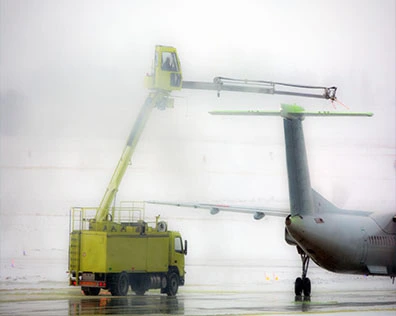
Winter operations at airports pose a major challenge: keeping the runways safe while also keeping expensive equipment from breaking down. Airport runway solid potassium acetate stands out as a smart way to improve both short-term operating safety and long-term financial sustainability. This aviation-grade organic salt melts ice at temperatures as low as -60°C without affecting the strength of the pavement or the aluminum alloys used in modern aircraft. This is in contrast to chloride-based de-icers that speed up the breakdown of concrete and damage aircraft parts. By stopping the cycles of freeze-thaw damage that lead to expensive surface repairs and increasing the service life of airport infrastructure, potassium acetate-based de-icing programs cut down on yearly maintenance costs and meet strict environmental standards.
Understanding Solid Potassium Acetate and Its Role in Runway Maintenance
Chemical Composition and Properties
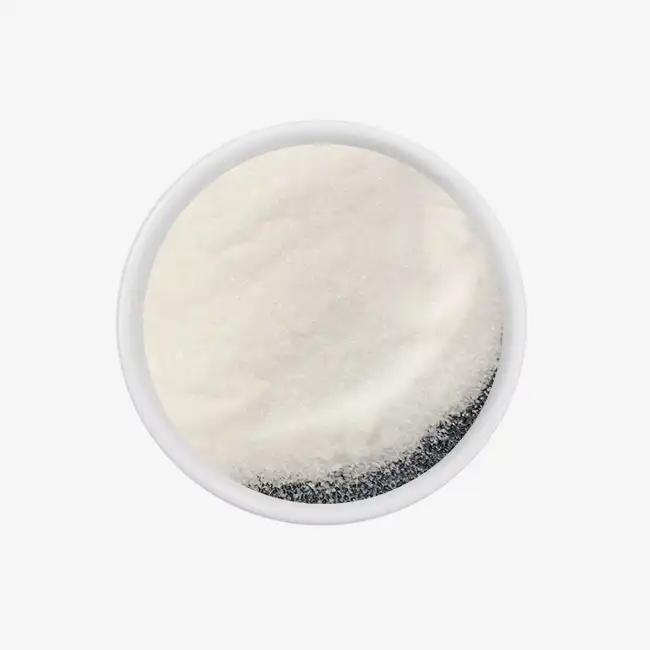
Airport runway solid potassium acetate (CH₃COOK, CAS 127-08-2) is a big step forward in technology for melting ice on airplanes. This white, solid substance mixes easily with water to make a solution with a pH range of 9.0 to 10.5 that is safe for building materials. The granular version has a molecular weight of 98.14 g/mol and a bulk density of 0.8 to 0.9 g/cm³. It doesn't let wind spread it when it's being used, so the material stays exactly where the ground teams put it.
How It Works to Protect Runways?
The de-icing system works by using an exothermic reaction that gives off heat when it dissolves, which speeds up the melting process. When put on runways, the granules break through layers of ice up to 6 mm thick, forming pockets of salt water that stop the ice from sticking to the ground. This result makes it easier for motorized sweepers to get rid of frozen precipitation, so chemicals don't have to be used as often.
This substance is different from other de-icing products because it doesn't damage things. Chlorides in traditional road salts damage concrete reinforcing bars and airport infrastructure parts, causing them to break down faster than they should. Potassium acetate mixtures that meet SAE AMS 1431E standards protect important materials like aluminum, magnesium, and cadmium parts found in airplane landing gear and electronics.
Environmental and Operational Benefits
Modern aviation companies are under more and more pressure to do things that are good for the earth. Biodegradation of potassium acetate doesn't release dangerous ammonia, unlike urea-based goods that are mostly being phased out because they are bad for the environment. This biodegradability makes it easier for flood management systems to do their job and has less of an effect on the environment in the surrounding areas.
The useful temperature range goes up to -60°C, which makes sure that it works reliably even when it's very cold outside, when ground operations would have to use less reliable options. This operational dependability directly leads to fewer flight delays and cancellations, which protects airport income lines and keeps safety standards high.
Comparing Solid Potassium Acetate with Other Runway Deicing Chemicals
Performance Metrics in Cold Climates
Urea was first used as a replacement to chloride salts, but it only works down to -7°C, which makes it very limited in northern regions. When temperatures drop below this level, surfaces that have been cleaned with urea are still dangerous and need to be de-iced with backup products. Calcium chloride and magnesium chloride work at lower temperatures, but they speed up rust on both roads and planes, which makes repairs more expensive.
It is possible for airport runway solid potassium acetate to melt ice at temperatures almost ten times lower than those of urea. This means that it works well in all kinds of winter situations. Because the temperature range is bigger, there's no need to store a lot of different kinds of chemicals or set up complicated decision trees to choose products based on weather forecasts.
Infrastructure Impact Comparison
The rates of rusting tell an interesting story. Corrosion rates on carbon steel are higher than 0.1 g/m²·h for standard chloride-based de-icers, but they stay below 0.03 g/m²·h for high-purity potassium acetate formulas. This difference adds up to big savings over the 20-year service life of a normal runway on concrete repairs, joint sealant replacement, and upkeep of the embedded lighting system.
Sodium formate is a good middle ground choice because it is less likely to corrode than chlorides but not as good at working at low temperatures as potassium acetate. The aviation industry's move toward potassium acetate is the result of a more complete cost study, which shows that higher unit prices provide better lifecycle value by protecting infrastructure.
Environmental Compliance and Sustainability
Regulatory systems are looking more closely at how chemicals are used at airports, especially when it comes to polluting groundwater and harming marine life. Potassium acetate breaks down quickly and has a low biological oxygen demand (BOD), which is in line with EPA rules and state environmental laws. The chemical breaks down into potassium ions and acetate, which are safe to be added to natural carbon cycles. This way, the compound doesn't have the nitrogen loading issues that come with urea.
Aviation officials agree that goods that meet SAE AMS 1431E standards are safe for the environment. This makes it easier to keep track of compliance paperwork and lowers the risk of being sued. This support by regulators is very helpful for airports that want to get environmental approvals and meet sustainability goals that affect how the public sees them and how they interact with stakeholders.
Application and Operational Best Practices for Solid Potassium Acetate
Strategic Application Methods
Anti-icing treatments put down material before it starts to rain or snow, making a chemical shield that stops ice from forming. This preventative method uses about 40% less material than reactive deicing methods, which saves money right away. Applying 50 to 100 pounds of salt per 1,000 square feet to landings two to three hours before it's supposed to snow creates protection that lasts through mild snowfalls.
Curative de-icing operations get rid of ice that has already formed by applying a little more, between 100 and 150 pounds per 1,000 square feet, based on the thickness and temperature of the ice. The granular form works especially well when it's below -20°C, when liquid de-icers might freeze before they can get through the ice. Ground workers say that using airport runway solid potassium acetate along with mechanical digging lowers the amount of chemicals needed and improves the surface friction coefficients.
Integration with Existing Systems
A lot of airports use mixed systems that mix solid granules with liquid potassium acetate solutions. Before spreading, wetting solid pellets with liquid mixtures stops them from bouncing and scattering in high winds, making sure the material sticks to the ground. This method works especially well on busy airports where jet blast from leaving planes can move dry flakes around.
The fact that potassium acetate is hygroscopic makes it useful in these situations because it quickly draws water from the air to start melting. Because of this, the substance starts working as soon as it comes in touch with snow or ice, cutting down on the time that needs to pass before mechanical removal can be done safely.
Storage and Handling Protocols
Keeping things in the right way will stretch their useful life and keep chemicals working well. Because it absorbs water, which is good for field use, it's important to keep moisture levels low while storing. In storage areas, facilities should keep the relative humidity below 60% and keep goods in covered cases away from heat sources.
Zhaoyi Chemical puts aviation-grade solid potassium acetate in 25 kg weave bags that don't let water in and 1,000 kg ton bags that are made for bulk handling equipment. The product stays fully effective for 24 months if it is kept properly in climate-controlled warehouses. This lets airports buy in bulk during off-peak pricing times without worrying about quality loss.
Safety rules say that potassium acetate should be stored away from things that don't work with it, especially strong oxidizing agents. Material safety data sheets give detailed instructions on how to handle the substance, but because it is not very harmful, it is easier to make sure workers are safe than with more dangerous chemicals.
Procurement Insights: Sourcing Solid Potassium Acetate for Airports
Supplier Qualification Criteria
Reputable makers keep certificates that check the uniformity of their products and the quality of their management systems. ISO 9001 certification shows that you are committed to quality control, and ISO 14001 certification shows that you know how to handle the environment. Aviation-specific qualifications include proof of meeting SAE AMS 1431E standards through evidence of batch testing.
Shanxi Zhaoyi Chemical Co., Ltd. is a good example of a qualified manufacturer. They have been making specialized acetate for over 35 years and can make up to 150,000 tons of it every year. To make sure that every batch meets the strict requirements of the aircraft industry, their plant uses a variety of testing methods, such as particle size distribution analysis, corrosion testing, and heavy metal content verification to ensure every batch meets stringent aviation-grade airport runway solid potassium acetate specifications.
Bulk Purchasing Considerations
Large airports usually use 200 to 500 tons of solid de-icing products every year, so buying in bulk is necessary to keep costs down. Manufacturers offer good terms for contracts for big amounts of goods, and they can change supply times to fit seasonal demand trends. Building ties with providers who can keep safety stock on hand guarantees quick restocking during sudden severe weather events.
Different suppliers have different minimum order amounts, but well-known brands can handle both one-time purchases and long-term supply deals. Price stability over multi-year terms is often built into contracts. This protects airport budgets from changes in the commodity market.
International Logistics and Lead Times
When there are global supply lines, shipping operations and customs clearance need to be taken into account. It usually takes three to four weeks for containers to travel from Asian factories to ports in North America, including the time it takes to get to their end targets on land. By planning buying cycles around these wait times, you can avoid emergency shortages that force you to buy things on the spot market at high prices.
Working with sellers who have experience sending chemicals internationally makes paperwork easier and makes sure that you follow the rules for dangerous materials. However, potassium acetate is not considered hazardous, which makes it easier to ship than other chemicals. Reliable providers keep in touch with customs agents and freight forwarders to speed up the delivery process.
Real-World Impact: How Solid Potassium Acetate Reduces Infrastructure Maintenance Costs
Documented Cost Savings
A medium-hub airport in the northern United States switched from de-icing agents based on urea to those based on potassium acetate, and they kept track of their maintenance costs for five years. The cost of fixing concrete went down by 43% because there were fewer freeze-thaw damage cycles and the support steel stopped rusting. The time between replacing joint sealant went from 7 years to 12 years, which cut down on the cost of work and materials for teams that maintain pavement.
The same facility saw a 28% drop in the number of fixes needed for the airport lighting system because the non-corrosive de-icer stopped galvanic corrosion that was hitting junction boxes and conduit systems buried in the runway concrete. These saves on electrical infrastructure more than make up for potassium acetate's higher price compared to cheaper options.
Pavement Life Extension
Rebuilding a runway is one of the biggest capital expenses airports have to make. For a single runway, the costs can easily go over tens of millions of dollars. Studies in engineering show that concrete sidewalks that are exposed to chloride-based de-icers have 20–30% less service life than pavements that are not exposed to these chemicals.
By using winter repair plans that use potassium acetate, airport engineers are able to get the pavement's service life closer to the 25–30 years that were planned. This extension slows big capital rebuilding projects, which frees up money for other important infrastructure investments and keeps operations running as smoothly as possible during construction.
Emerging Industry Trends
More and more, groups in the aviation industry agree that de-icing products based on solid potassium acetate are the best way to keep infrastructure in good shape. In its advice circulars, the Federal Aviation Administration talks about SAE standards that require non-corrosive formulations for use on airport runways. This creates legal tailwinds for adoption.
Environmental benefits speed up this change even more. For example, some places offer tax breaks or faster clearance processes to airports that show they are committed to using environmentally friendly chemical management methods. These financial and governmental advantages make it easier for businesses to buy premium de-icing products, because they know they are good for more than just airport operations.
Conclusion
Winter upkeep on airport runways is hard, and airport managers need to find ways to balance current safety needs with long-term infrastructure care. Potassium acetate-based de-icing products achieve this balance by working better in cold weather without having the corrosive qualities that damage airplane parts and speed up the wear and tear on pavement. The cost savings from fewer fixes to concrete, longer pavement service life, and less upkeep for electrical systems make the case for adoption strong, even though the unit costs are higher than standard options. Biodegradable and low-toxicity potassium acetate is the smart choice for modern flight operations that are committed to operational excellence and fiscal responsibility. This is because environmental laws are getting stricter and airports are trying to be more environmentally friendly.
FAQ
What makes potassium acetate more cost-effective than cheaper de-icing chemicals?
Although potassium acetate has higher unit prices, it has a lower total cost of ownership because it doesn't damage infrastructure as much. Less frequent concrete repairs, longer sidewalk service life, and no more corrosion damage to embedded systems save more money than the extra chemical cost boost. Most airports get their money back within three to four years of starting to use it.
How do application rates compare between potassium acetate and traditional de-icers?
Like other chemical de-icers, the right amount of anti-icing to use is between 50 and 100 pounds per 1,000 square feet. Because they work better at low temperatures and for longer, you don't have to use them again and again during long cold periods, which lowers the total amount of chemicals used during those times.
Can potassium acetate damage aircraft or ground support equipment?
Aviation-grade formulas are designed to protect airplane materials like magnesium parts, aluminum alloys, and cadmium-plated parts. Because it doesn't corrode, it doesn't damage painting surfaces or hydraulic systems on ground support equipment like chloride-based goods do. SAE guidelines make sure that products can be used in aerospace uses.
Partner with a Trusted Airport Runway Solid Potassium Acetate Manufacturer
Zhaoyi Chemical has been making acetate for more than 35 years and can help aircraft repair operations that need reliable de-icing solutions. Our aviation-grade formulas meet SAE AMS 1431E standards thanks to our ISO-certified facility's strict quality control procedures and full batch testing. We keep up a production capacity of 150,000 tons per year and offer flexible supply times that work with your seasonal demand trends. Technical support teams answer questions about specifications, give advice on how to use products, and meet emergency supply needs within two hours. Get in touch with our flight solutions experts at sxzy@sxzhaoyi.com to talk about how our services as an airport runway solid potassium acetate provider can help you protect your infrastructure goals while also making the most of your winter operations budget.
References
1. Airport Cooperative Research Program (2013). Sustainable Winter Runway Operations: Deicing and Anti-Icing Chemicals and Alternative Methods. Transportation Research Board, National Academy of Sciences.
2. Society of Automotive Engineers International (2019). SAE AMS1431E: Potassium Acetate, Solid Runway and Taxiway Deicing/Anti-icing Compound. SAE Aerospace Material Specifications.
3. Federal Aviation Administration (2020). Advisory Circular 150/5200-30D: Airport Winter Safety and Operations. U.S. Department of Transportation.
4. Portland Cement Association (2016). Effects of Deicing Chemicals on Concrete Pavements: Final Report. PCA Research and Development Bulletin.
5. Transportation Research Board (2018). Assessment of Environmentally Acceptable Materials for Mitigating Ice and Snow on Airfield Pavements. ACRP Research Report Series.
6. Environmental Protection Agency (2017). Evaluation of Airfield Pavement Deicing Products: Environmental Impact and Performance Assessment. EPA Office of Research and Development.

USER EVALUATE
Here is the customer's evaluation of us