



Deicing Solid Potassium Acetate Applications for Highways, Bridges, and Airports
For winter infrastructure repair, you need options that are both effective and good for the environment. Deicing solid potassium acetate has become the go-to solution for roads, bridges, and airports because it melts ice faster and prevents rusting in important structures. This white crystalline substance (CH3COOK) works well in temperatures as low as -30°C, which makes it very useful for transportation companies and building managers who have to deal with hard winters. Unlike regular rock salt, which can damage metal and concrete, this acetate-based approach keeps people safe in the cold without damaging infrastructure.
Understanding Potassium Acetate Deicing Solid: Properties and Mechanisms
Chemical Composition and Physical Characteristics
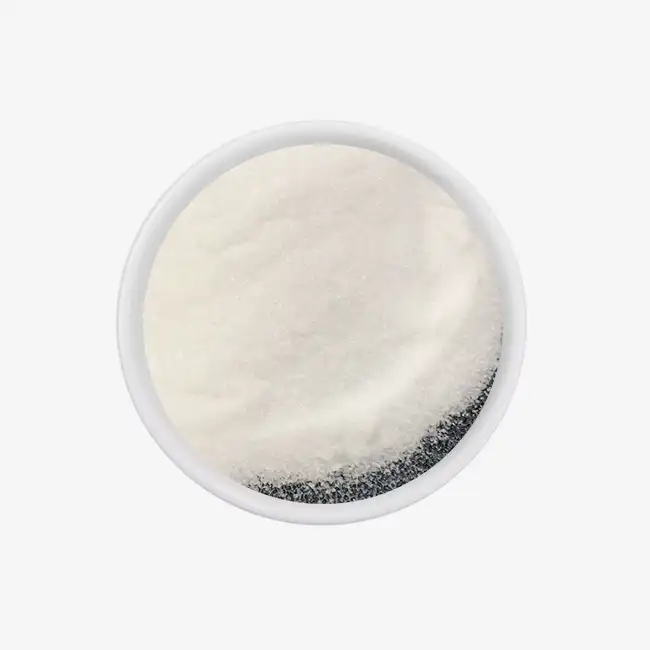
Deicing solid potassium acetate is a substance with the formula CH3COOK. Its molecular weight is 98.14 g/mol. It dissolves very easily in water, acid, and alcohol, and it is a white crystalline solid. This means that it works quickly on frozen surfaces. Because it dissolves easily, the substance starts to work as soon as it comes in touch with ice, making brine solutions that easily break through ice levels.
Performance Advantages Over Traditional Alternatives
The chemical works by lowering the freezing point, which happens when dissolved particles get in the way of water molecules forming ice crystals. When deicing solid potassium acetate used for deicing breaks down, it releases potassium and acetate ions that circle water molecules and stop them from forming solid ice structures. This chemical interference works at much lower temperatures than sodium chloride, which gives winter maintenance teams more time to do their jobs.
Around -9°C, rock salt stops working, so maintenance teams have no choice but to use it during very cold spells. Calcium chloride can lower temperatures, but it also corrodes a lot of the support bars in concrete and metal bridge parts. The deicing solid potassium acetate in our recipe stays at least 99% pure, so it works the same way in all kinds of weather.
Different from chloride-based deicers, acetate chemicals can be broken down by living things. Microorganisms in soil and water naturally break down acetate ions into carbon dioxide and water, which are safe. This keeps salt from building up, which would hurt plants along roads and pollute groundwater. The results of studies by environmental groups show that deicing solid potassium acetate is not as harmful to marine environments as salts.
Corrosion of metal is a big problem for structures. Transportation departments have tested deicing solid potassium acetate and found that it corrodes steel and metal surfaces on bridges and planes 70–80% less than rock salt. This lower corrosivity makes expensive infrastructure last longer while still meeting safety standards.
Application Methods and Best Practices for Highways, Bridges, and Airports
Highway and Bridge Deployment Strategies
The best way to handle ice is to use the right application method, which also uses the least amount of material. Pre-wetting deicing solid potassium acetate before applying it makes it stick better to ground, so vehicles don't wear away the material. Maintenance workers usually put down 50 to 150 pounds per lane mile, but this depends on the temperature of the surface, how much rain there is, and how much traffic there is.
Because air moves under the building, bridge decks freeze faster than roads at ground level, so they need extra care. Anti-icing methods work best for bridges. Using acetate solutions before the snow starts to fall makes a chemical buffer that stops the ice from sticking together. This method of deicing before it freezes uses less material than reactive deicing and keeps the roads safer during bad weather.
Modern spreading equipment that is tailored for acetate products makes sure that the product is spread evenly across all lines of traffic. Variable-rate controls change the application rates based on current weather information. This makes the best use of materials while still keeping everyone safe. The ability of deicing solid potassium acetate to absorb water means that it stays active longer on roads than salt, giving more protection during long winter storms.
Airport Runway and Taxiway Protocols
The Federal Aviation Administration has strict rules that all aviation sites must follow. These rules put safety and protecting the earth first. For deicing the runway, you need materials that won't damage metal parts of airplanes or get into hydraulic systems. Deicing solid potassium acetate is great for use on airport runways where airplane safety must not be compromised because it doesn't corrode easily and doesn't react badly with metals.
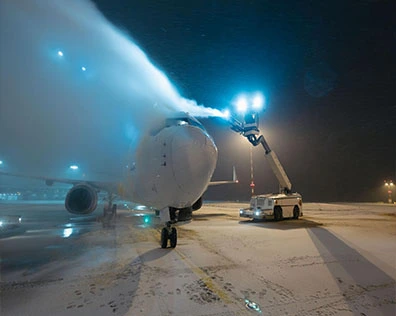
The time of applications at airports is different from activities on highways. For safe landings and takeoffs, runways need to be bare ground, which means that strict deicing rules are needed. Ground workers use special trucks with spray bars that can easily cover the width of an entire runway to apply acetate products. When compared to mechanical removal methods, the rapid action of cutting through the ice lets the runway recover faster.
Storage and Handling Requirements
In airport storage areas, acetate products must be kept from getting wet. Because deicing solid potassium acetate is hygroscopic, it pulls water from wet air. This could cause clumping that makes it hard to spread with tools. Keeping products in climate-controlled stores the right way keeps them flowing and makes sure that the same amount is applied at all times during bad weather.
Paying attention to storage circumstances is important for keeping the quality of a product from delivery to use. The temperature should be between 5°C and 30°C, and the warehouse should be dry and well-ventilated. When you package things in 25 kg woven plastic bags or 1000 kg ton-bags, you can use different operating scales and still keep the goods dry.
Material handling methods stress careful transport to avoid damage to bags that let moisture into the product. Keeping acetate deicers away from substances that don't work with them stops pollution that could hurt their performance. Using the first-in, first-out rule to rotate inventory makes sure that older stock is used before newer orders, which lowers the risk of material degradation over time.
Comparing Potassium Acetate with Other Deicing Solids: Making the Right Choice
Performance Metrics Across Temperature Ranges
When purchasing managers look at winter maintenance products, they need reliable data on how well the goods work. Calcium chloride works well down to about -25°C and costs less per ton, but it is very corrosive and causes long-term costs for fixing structures that are higher than the original savings. Magnesium chloride protects against corrosion to about -15°C and falls in the middle of rock salt and acetate goods in terms of price and function.
Sodium acetate is better for the climate than deicing solid potassium acetate, but it melts less quickly at the same application rates. Rock salt is still the cheapest choice for mild winters, but it can't be used in sensitive places near waterways or on important equipment that needs to be protected from corrosion because it has an effect on the environment and can't handle high temperatures.
The speed at which ice control goods melt impacts the safety of drivers and the ease of operations. When deicing solid potassium acetate comes into touch with water, it releases heat, which speeds up the melting process. This quick action is especially helpful at airports where the availability of runways has a direct effect on flight plans and business operations.
Environmental and Regulatory Considerations
Green sourcing programs are having a bigger effect on buying choices in both the public and private sectors. Acetate products are biodegradable, which is in line with green goals and meets performance needs. Companies that want to get LEED approval or follow the rules for an environmental management system can use acetate deicers to help the environment without affecting winter safety.
Material choices are based on the rules that guide stormwater flow and water quality. When chloride levels rise in watersheds, tracking is needed and limits may be put in place in areas that are sensitive to the environment. Because deicing solid potassium acetate doesn't produce chloride waste, these compliance issues aren't present, and the receiving waters are safe from salt pollution that lasts for years.
Protecting plants is important for highway offices that are in charge of keeping planted medians and roadside plantings in good shape. Winter activities use salt spray that hurts trees and bushes, forcing them to be replaced and making the area look bad. Deicing solid potassium acetate is not very harmful to plants, so it protects investments in green infrastructure while keeping roads safe.
Procurement Guide: Buying Potassium Acetate Deicing Solid with Confidence
Supplier Selection Criteria
Manufacturer certifications that show uniform production standards are the first step in quality security. Getting ISO 9001 certification means you have strong quality management systems, and getting ISO 14001 certification means you care about environmental management. Facilities with these licenses keep records that help with tracking products and making sure that each batch is the same.
When setting up supply chains for large-scale activities, production ability is important. Manufacturers with facilities that can produce 150,000 tons of goods a year can keep up with shipping plans and complete large projects during the busy winter months. This scale makes sure that the product is available when rapid demand rises because of bad weather.
Technical specs tell you if a product is right for the job you want it to do. A content of deicing solid potassium acetate above 99% guarantees the best ice-melting performance, while a content of chloride below 0.2% prevents unexpected rusting. Matter that doesn't dissolve in water below 0.05% keeps spreading equipment from getting clogged and makes sure that the ground looks clean after the ice melts.
Bulk Purchasing and Logistics Planning
Volume agreements allow for better price structures and make sure there is enough inventory for activities in the winter. When compared to smaller units, ton-bag packing makes storage work easier and requires less work to move. Coordinating with suppliers who already have shipping partnerships in place makes it easier to stick to delivery dates across national distances.
By making sure the product works well in local settings, trying samples before buying the whole thing lowers the risk. Reliable makers give out samples that are representative of the whole batch so that you can test how the material melts, how it spreads, and how easily it flows. This trying phase gives people more trust in buying things that will cost a lot of money.
Support after the sale is what sets sellers apart in markets with a lot of competition. Technical help for application rate estimates, equipment calibration, and fixing goes beyond the product itself and adds value. Manufacturers with decades of experience in the field can help customers get the most out of their winter repair plans by giving them useful advice.
Advantages and Long-Term Benefits of Using Potassium Acetate in Critical Infrastructure
Infrastructure Protection and Lifecycle Cost Analysis
The cost of corrosion damage is often not included in funds for winter upkeep. In inspection records for bridges, chloride entry is always named as the main reason why concrete breaks and rebar breaks down. Fixing buildings that have been destroyed by salt costs millions of dollars and causes long delays in traffic. If you switch to acetate deicers that don't corrode, this process stops right away.
Deicing agents that aren't as harsh on pavement make it last longer. When salt accumulation doesn't affect the pore patterns of concrete surfaces, freeze-thaw damage is less likely to happen. Without salt-accelerated oxidation, which leads to early breaking and raveling, asphalt surfaces stay flexible for longer.
When you figure out the total cost of ownership, you have to take into account that upkeep costs go down over the decades that a system lasts. Even though acetate goods are more expensive to buy than rock salt, not having to fix problems caused by rust saves a lot of money. Transportation agencies that keep track of these measures say that switching to deicing solid potassium acetate for important buildings gives them a good return on investment within 3 to 5 years.
Environmental Compliance and Sustainability Goals
Using environmentally friendly goods lowers the costs of following the rules. When acetate deicers are used instead of chloride salts, there are fewer rules about checking water quality. Because deicing solid potassium acetate breaks down naturally, environmental impact studies show that it will have a positive effect on protected ecosystems and rivers that are sensitive.
Less damage to the environment can be seen as a benefit of corporate green reports. When organizations that keep track of carbon footprints and environmental metrics switch to acetate-based winter care, they show improvement. These changes make it easier for stakeholders to communicate and raise the image of business responsibility.
Conclusion
People who make decisions about winter maintenance have to deal with a lot of different issues. Safety must never be sacrificed, but protecting the environment and maintaining infrastructure are also important. Deicing solid potassium acetate solves these problems by keeping ice under control at very high temperatures and keeping metal and concrete from rusting. Biodegradability and low environmental effect help meet sustainability goals without lowering efficiency. Although it costs more than regular salt to buy at first, lifetime analysis shows that it saves a lot of money because it lasts longer and doesn't need to be fixed as often. Deicing solid potassium acetate is an important investment in practical efficiency and environmental care for roads, bridges, and airports where safety and the integrity of the infrastructure are vital.
FAQ
What temperature range does potassium acetate work in?
Deicing solid potassium acetate maintains ice-melting effectiveness down to -30°C (-22°F), significantly extending operational capability beyond rock salt's -9°C limit. This extended temperature range proves essential during severe winter weather when traditional deicers fail.
Is potassium acetate safe for airport use?
Aviation authorities approve deicing solid potassium acetate for airfield applications due to its minimal corrosivity toward aircraft aluminum components. The compound meets stringent Federal Aviation Administration standards for runway deicing materials.
How does storage affect product performance?
Proper storage in dry, ventilated facilities prevents moisture absorption that causes clumping. Material stored according to manufacturer guidelines maintains flowability and spreading characteristics throughout typical storage periods.
What makes acetate deicers environmentally friendly?
Microorganisms naturally biodegrade acetate compounds into carbon dioxide and water, preventing persistent environmental contamination. This biodegradability eliminates the long-term salt accumulation that damages ecosystems and groundwater quality.
Partner with Zhaoyi Chemical for Reliable Deicing Solid Potassium Acetate Supply
Zhaoyi Chemical has been making acetate for more than 30 years and can help with infrastructure upkeep problems. Our deicing solid potassium acetate manufacturer capabilities include 150,000-ton annual production capacity with ISO 9001, ISO 14001, and ISO 45001 certifications guaranteeing consistent quality. We know how important winter operations are, so our shipping schedules are adjusted to fit your seasonal needs, and our expert support helps you get the most out of your application strategies. Our products meet the high standards of airports, highway departments, and bridge repair companies all over North America. They come in convenient 25kg bags or efficient 1000kg ton-bags. Email our team at sxzy@sxzhaoyi.com to talk about your winter care needs, get samples of our products, or look into bulk buying options that fit your budget and business needs.
References
1. Transportation Research Board. "Minimizing the Corrosive Effects of Winter Maintenance Materials on Bridge Structures." National Cooperative Highway Research Program Report, 2019.
2. American Association of Airport Executives. "Environmental Management Guidelines for Airport Deicing Operations." Airport Operations and Maintenance Practices, 2020.
3. Federal Highway Administration. "Manual of Practice for an Effective Anti-icing Program: A Guide for Highway Winter Maintenance Personnel." U.S. Department of Transportation Publication, 2018.
4. Environmental Protection Agency. "Best Management Practices for Winter Road Salt Storage and Application." Water Quality Protection Series, 2021.
5. American Concrete Institute. "Guide to Deicer Impacts on Concrete Pavement Performance." ACI Committee Report on Materials and Construction, 2020.
6. Society of Automotive Engineers. "Aircraft and Airfield Deicing Fluid Performance Standards." SAE International Aerospace Standards, 2019.

USER EVALUATE
Here is the customer's evaluation of us