



Comparing Solid Potassium Acetate and Urea for Airport Runway De-Icing
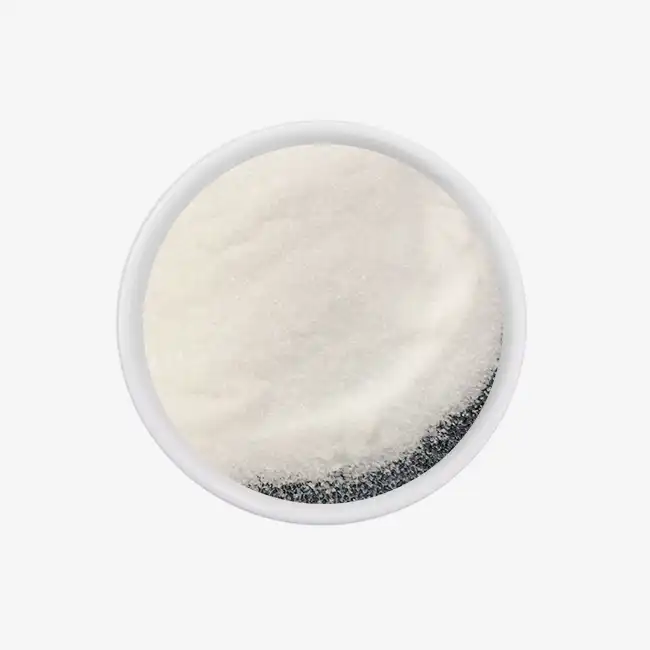
It is very important to choose the right de-icing agent when winter storms threaten airport operations. This choice affects how planes fly, how long the airport stays open, and how much it costs to run. Airport runway solid potassium acetate has replaced standard urea-based products as the best aviation-grade choice. CH₃COOK, CAS 127-08-2 is a white crystalline substance that doesn't rust and works well at very low temperatures (down to -60°C). This makes it perfect for the toughest winter repairs that airport owners and city officials in charge of runway safety have to do.
Understanding Airport Runway De-Icing Requirements
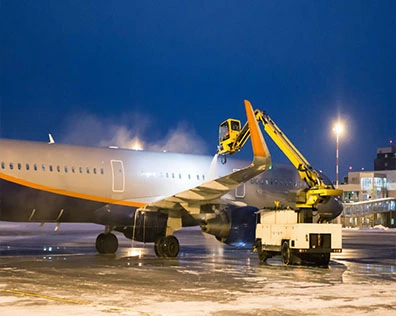
When compared to uses on highways or in cities, de-icing airport runways is a unique set of operating problems. The landings' friction ratios need to be kept at the right level to keep planes safe, and aluminum, magnesium, and cadmium metals need to be kept safe from chemical damage. The Federal Aviation Administration and SAE AMS 1431 rules have strict performance standards that don't let a lot of common de-icing products be thought about.
Critical Safety and Regulatory Factors
Runway de-icing products need to reliably melt ice without putting the structural integrity of airplanes at risk or making it more likely that they will slip during important operations like takeoff and landing. There are rules for the environment in the Clean Water Act. These rules limit the amount of chemical oxygen demand and ban substances that make water more harmful or cause eutrophication. Airport owners are at a lot of risk when chemical choices lead to rust on planes or pollution of the environment.
How temperatures change during severe weather is very important. There are long stretches of time when the temperature at many northern airports goes below -20°C. During these times, cheap de-icing tools don't work at all. There are layers of ice that the chemical agent has to break through. It also has to make brine solutions that stay liquid at room temperature and leave behind anti-icing protection to keep the surface from freezing again right away.
Material Compatibility and Infrastructure Protection
Chloride-based de-icers can damage the materials used to make modern planes. Plain old road salt can't be used at airports because of this. Keep corrosive chemicals away from the hydraulic systems for the landing gear, the carbon brake parts, and the electronics. Another thing to think about is the concrete and sidewalk on the runway. Some chemicals can speed up surface wear by reacting with cementitious materials or freezing and thawing processes.
Performance Comparison: Solid Potassium Acetate vs Urea
It's clear that potassium acetate and urea don't work as well together when you compare their basic chemistry and how they behave in real life. When people who work in buying know about these differences, they can make decisions that keep things going smoothly, protect people, and protect the environment.
Ice-Melting Mechanisms and Temperature Effectiveness
Airport runway solid potassium acetate breaks down through an exothermic process that generates heat and drops the freezing point of water. This method does two things at once: it melts ice faster and makes brine holes that make it harder for ice to stick to the ground. It can still melt ice in temperatures as low as -60°C, though, so it can be used even in the worst winter weather.
Urea, on the other hand, works mostly by lowering the point at which something freezes, without making a lot of heat. It only works between -7°C and +7°C, so you can't use it for long amounts of time when it's cold outside. Urea turns into a granular, useless material that forms on the runway surface when temperatures drop below the point where it works. It can be hard to get rid of these things, but they don't help melt the ice.
Duration of Effectiveness and Residual Protection
Crystals of potassium acetate break down quickly when they come in contact with water. This creates concentrated brine solutions that stay on the flight paths. The road doesn't freeze over because of this thin film of liquid. This keeps snow and ice from building up between treatments. Hygroscopic means that the material can take in water from the air. Even when it's dry and cold, it can keep its brine layer.
Urea doesn't leave behind much protection because it is less liquid and tends to crystallize when the temperature changes. Airport floors that have been treated with urea need to be re-treated more often because snow and ice stick to them better. When treatment is done more than once, the prices of both supplies and labor go up because the effects last less time.
Environmental Impact and Regulatory Compliance
If airlines have to get permits for sewage flow and follow rules to protect watersheds, they have to choose chemicals that are better for the environment. Microbes that are aerobic break down potassium acetate on their own, and they don't make any dangerous byproducts. It doesn't need much air to work, so it doesn't change the water it enters much. The potassium ion gives plants the right amounts of chemicals they need.
There are so many smog problems with urea that many airlines no longer use it at all. There is ammonia released when urea breaks down. Ammonia makes water more dangerous and raises the amount of chemicals in water that is already sensitive. If there is too much nitrogen in the water, too many plants can grow. This can use up all the oxygen in nearby streams and ponds, killing the fish that live there. Since these things hurt the environment, airport owners may not be able to follow the rules as well and may even be sued.
Cost, Procurement, and Supply Chain Considerations
If you want to buy something, you should think about more than just the price. The total cost of ownership, the reliability of the supply chain, and practical factors that affect general budgets for winter maintenance are also taken into account. There are many important things that affect how much different de-icing chemicals are really worth. A full cost study can show these things.
Total Cost of Ownership Analysis
Urea generally costs less per ton, but this benefit becomes less clear when you look at things like how often it is applied, how well it works, and how much it costs to run. It is possible to use 100 to 150 pounds per thousand square feet of potassium acetate instead of 200 to 300 pounds of urea because it melts ice faster. It takes less time and money to fix snow and ice more than once during winter weather because it lasts longer.
You need to think about the hidden costs of things like ship rust and damage to infrastructure when you decide what to buy. If airports use de-icers that are harmful to the environment or don't work very well, the ground will wear down faster, more planes will need to be fixed, and the airports could be sued for a lot more than the cost of the materials. It can cost a lot of money to clean up the environment after someone breaks the rules or there is an event that pollutes it. A lot more money than is budgeted for buying chemicals.
Supplier Qualification and Quality Assurance
When airports pick qualified manufacturers who have a track record of making chemicals for flight, they can avoid quality issues that could compromise safety or performance. Keep your ISO 9001 quality control certifications up to date, show that you follow SAE AMS 1431E standards, and give full batch testing records that show purity, particle size distribution, and resistance to rust.
When airlines need to find a source, Shanxi Zhaoyi Chemical Co., Ltd. is a good choice. Potassium acetate has been made for more than 30 years, and each year they can make 150,000 tons of it. There are ISO 9001, ISO 14001, and ISO 45001 standards in their building, which make sure that quality control is kept up during the whole production process. Get certifications like KOSHER and HALAL to show that you follow international rules that help people all over the world buy from you.
Storage and Logistics Planning
Having the right storage facilities keeps chemical stocks from getting harmed by water and makes sure that goods are ready for winter. Potassium acetate easily soaks up water, so it needs to be kept in dry, well-ventilated stores where the temperature can be controlled so that it doesn't stick. If you keep it in the right way, the mix can last longer than two years. It stores well in sealed 25 kg weave bags or 1000 kg ton bags.
The winter months are very busy, so buying teams have to plan supply dates to make sure there is just the right amount of goods. If there is too much, it would tie up working capital. Companies that have been around for a while can offer flexible transportation support, including reliable shipping partners and guaranteed room allocation during times of high demand. This makes sure that supplies don't get cut off, which could affect how the airport works during bad weather.
Application Methods and Best Practices for Runway Safety
Chemicals that melt ice need to be used properly, with the right tools, and as part of full winter care plans for them to work as well as possible. If you follow well-known best practices, you can make things safer while also cutting costs and the amount of material you use.
Equipment Selection and Application Rates
For modern aircraft spreaders, the material is spread out precisely, so there is little waste and the best regularity of covering. Spreaders on trucks have computerized flow controls that let workers change how fast the ice is spread based on the weather, the temperature of the surface, and the thickness of the ice. Airport runway solid potassium acetate is spread at rates of 100 to 150 pounds per thousand square feet to melt ice and 200 to 300 pounds to fix layers of ice that have already formed.
They use a mix of solid pellets and liquid potassium acetate solutions to make the sidewalk stick better and stop it from blowing around in strong winds. This way of doing things keeps chemicals on objects that have been touched and doesn't let them spread to other places. Icing the pre-wet blend makes it melt faster than dry powder because it starts to melt right away.
Timing Strategies and Weather Monitoring
Deicing that is done after the fact doesn't work as well as deicing that is done before it rains or snows. If the ground is getting close to freezing and it looks like it might rain, weather tracking systems that are tied to winter maintenance schedules start cleaning operations. This preventative method keeps the runways' friction ratios the same and cuts down on the overall number of chemicals that need to be used in the winter.
When there is a busy storm, readings of runway friction are constantly being checked to decide when to repeat. Maintenance teams can use friction testing tools to get objective information about the condition of the surface. This way, they can treat it more precisely when it's needed instead of following arbitrary plans that might not treat airport surfaces enough or too much.
Integration with Mechanical Removal Methods
Chemicals used for deicing work best when used with powered snow removal tools like plows and sweepers. When the ice is treated with chemicals, the bond between it and the ground gets weaker. This makes it easy for machines to remove the free snow and ice. Less chemicals are used in this shared method, and the tracks are cleared faster, so the airport can quickly get back to full capacity.
Potassium acetate is best used in places where people load and unload their bags and where planes land because it is not poisonous and does not rust. Ground support equipment can be used easily in places that have been cleaned so that people are not put at risk or the hydraulic system is damaged. The answer keeps the surface from moving, which is important for keeping people on the ground safe when they work near planes that have stopped.
Making the Right Choice for Your Airport's Needs
To pick the best de-icing agents, you need to think about a lot of things that are specific to each airport, like how it works, the weather, the surroundings, and its income. Having a well-thought-out decision strategy helps people who buy chemicals make choices that are in line with the goals of the company and the needs of all parties.
Decision Criteria Framework
The performance standards for chemicals and the amount of time that runways can be closed for cleaning depend on how busy an airport is and how quickly things are running. Business airports with a lot of traffic need to be able to melt ice quickly and with as few problems as possible. That's why they choose better de-icing chemicals. Some regional airports may be able to handle longer wait times, but no matter how big or small the business is, safety and the environment are always the most important things.
The range of temperatures that can be used and the ability to melt ice are set by climate trends and how hard the winters usually are. Urea is not even a choice for airports in the very north because they need chemicals that can work below -30°C. Potassium acetate works better and is better for the environment, even when high cold tolerance isn't as important. This is true for sites in moderate areas.
More and more, the decisions that are made are affected by how sensitive the nearby rivers are to the climate and how close the chemicals are to protected bodies of water. Authorities will keep a close eye on airports that are close to salmon streams, drinking water sources, or places that are sensitive to the environment. If an airport is found to be releasing chemicals into the environment, it could be held accountable. To keep the world safe from mistakes that could get people in trouble with the law or make it hard for people to get along with each other, it's very important to use chemicals that break down naturally and aren't very dangerous, like potassium acetate.
Long-Term Value Proposition
Aviation safety experts always say that de-icing products that don't damage infrastructure are good purchases. Instead of chloride salts or other less effective treatments, airlines that use acetate-based ones see a drop in rust rates and parts that are repaired last longer. Because of these well-known benefits, airlines pay less for care and customers are happy, which makes airports more competitive.
By keeping up with maintenance, airport tarmac lasts longer because chemicals don't damage concrete and asphalt as much. Potassium acetate doesn't break down as quickly as some other de-icing materials do because it has a normal pH and a chemical structure that isn't too rough. It saves a lot of money over time to buy better chemicals because they need less maintenance and last longer between replacements.
More and more, airlines need to follow the rules and take care of their surroundings to keep their good name and get along with the locals. People will support projects that use chemicals in a way that is good for the earth and the facilities that do this will be able to run legally. This intangible value goes along with the direct operational benefits. It makes airports that are ahead of the curve the best at doing environmentally friendly winter maintenance.
Conclusion
In terms of effectiveness, the environment, and cost, airport runway solid potassium acetate beats urea. It meets the most important needs of current airport winter repair operations because it doesn't rust, doesn't work as well in cold weather, and breaks down naturally. Potassium acetate has a higher total lifetime value when application rates, infrastructure security, environmental compliance, and working reliability are all taken into account. This is true even if the materials cost more at first. Professionals in the buying process know that potassium acetate is the best choice for airport safety because it saves planes, keeps infrastructure in good shape, and shows care for the environment.
FAQ
How does potassium acetate's environmental profile compare to urea for airport applications?
Potassium acetate breaks down naturally in the body through aerobic bacteria processes. It does not give off ammonia, which is dangerous, or help bacteria grow. This chemical breaks down into ammonia molecules, which can hurt marine life and make too many algae grow in streams that aren't meant to have them. It is getting harder to use urea near protected areas of water because of rules about the environment. If an airport cares about the environment, potassium acetate is the better choice.
What storage conditions does solid potassium acetate require at airport facilities?
Potassium acetate soaks up water, so it needs to be kept in a dry, well-ventilated space that isn't near any water. When packed in 25 kg weave bags or 1000 kg ton bags, the quality of the goods stays the same for more than two years. Facilities that are climate-controlled keep the right flow qualities and stop clumping, which are important for powered spreader equipment to work well in the winter.
Can potassium acetate damage aircraft materials or airport infrastructure?
It has been tested many times to show that potassium acetate can keep aluminum, magnesium, and cadmium airplane metals from breaking down. The product meets the strict SAE AMS 1431E rust standards that were created for use in airplanes. This chemical is good for protecting concrete and asphalt on runways because it has a normal pH profile and doesn't respond badly with surface materials.
Partner with Zhaoyi Chemical for Premium Aviation De-Icing Solutions
For more than 30 years, Zhaoyi Chemical has been making acetate. They can help you take care of your airport in the winter. When winter weather requires quick action, our aviation-grade airport runway solid potassium acetate source can help with a number of things, such as variable bulk packing, technical advice, and reliable shipping partnerships that make sure supplies happen on time. Your team can be reached at sxzy@sxzhaoyi.com by email to talk about your specific needs, get technology specs, and look into making supply plans that fit your budget and business needs.
References
1. Federal Aviation Administration (2021). "Airport Winter Safety and Operations: Advisory Circular 150/5200-30D." U.S. Department of Transportation.
2. Society of Automotive Engineers International (2019). "Aircraft and Runway Deicing/Anti-Icing Processes and Fluids: SAE AMS 1431E Standard Specification." SAE Aerospace Standards.
3. Transportation Research Board (2020). "Comparative Evaluation of Airport Runway Deicing Materials: Performance and Environmental Impact Assessment." National Academies Press.
4. Environmental Protection Agency (2018). "Aquatic Toxicity and Biochemical Oxygen Demand of Airport Deicing Chemicals." EPA Office of Water Technical Report.
5. International Civil Aviation Organization (2022). "Airport Services Manual: Part 2 - Pavement Surface Conditions and Winter Operations." ICAO Publications Division.
6. American Association of Airport Executives (2020). "Best Management Practices for Airport Winter Operations: Chemical Selection and Application Guidelines." AAAE Technical Publications.

USER EVALUATE
Here is the customer's evaluation of us