



How Deicing Solid Potassium Acetate Reduces Infrastructure Damage in Winter?
There's more to winter than just cold weather and snowy scenery. It's a secret threat to our infrastructure that costs cities, airports, and highway builders billions of dollars every year in repair and replacement costs. Deicing solid potassium acetate is a tried-and-true way to solve this important problem. It melts ice effectively and protects metal, concrete, and asphalt surfaces from the acidic damage that usually comes with winter maintenance work. This acetate-based substance has a special chemical process that breaks ice ties without damaging building materials. This makes it the smart choice for protecting infrastructure.
Understanding Solid Potassium Acetate and Its Role in Winter Deicing
Chemical Composition and Unique Properties
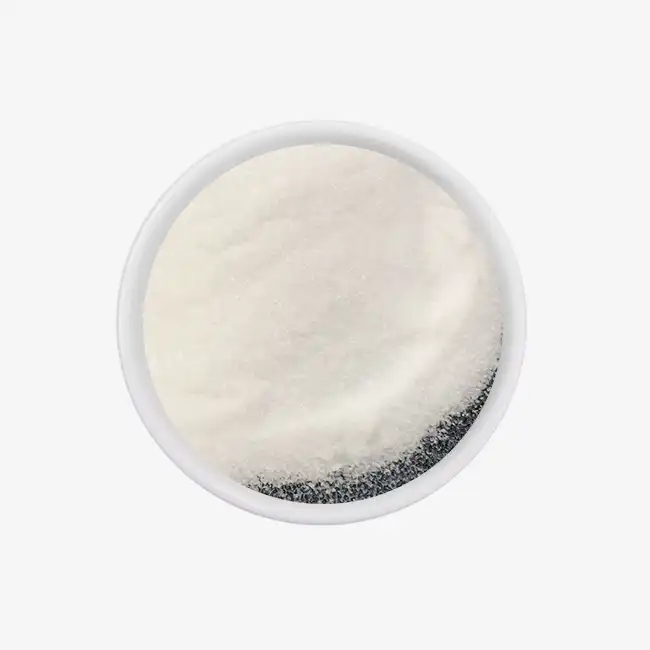
The elegant simplicity of this white crystalline substance can be seen in its chemical formula, CH3COOK. Deicing solid potassium acetate is easily dissolved in water because it has a molecular weight of 98.14. This makes a solution that actively stops ice from forming. This material is very useful because it can work at temperatures as low as -22°F (-30°C), which is much lower than the temperature range where regular rock salt works. When the substance comes into touch with water, its exothermic dissolution creates heat. This speeds up the melting process even when it is very cold outside. This trait is very important for activities that happen at night or in places where winter weather is very bad.
How It Prevents Ice Accumulation?
Instead of just lowering the freezing point of water like chloride-based products do, acetate-based products actually stop ice from sticking to the ground. When the solution goes through current layers of ice, it breaks the bond at the top, which makes it easier for machines to remove the ice. This system cuts down on the need for rough digging, which can damage sidewalk over time. Because the substance is biodegradable, it breaks down naturally and doesn't build up in land or groundwater systems. This solves an environmental problem that many deicing processes have.
Environmental Benefits and Safe Handling
Damage to plants near treated roads has been a problem for a long time for city repair teams. Compared to sodium chloride or calcium chloride goods, deicing solid potassium acetate makes this problem a lot less of a problem. When used at the suggested rates, the compound doesn't pose much of a threat to plants, pets, or animals. Safe handling rules stay the same: storage needs dry, well-ventilated buildings that are away from sources of heat and wetness. Because the material is hygroscopic, it needs to be properly controlled to keep it from caking. Other than that, trained staff shouldn't have any trouble handling it.
Why Solid Potassium Acetate Minimizes Infrastructure Damage Compared to Other Deicers?
Reduced Corrosion on Critical Infrastructure Components
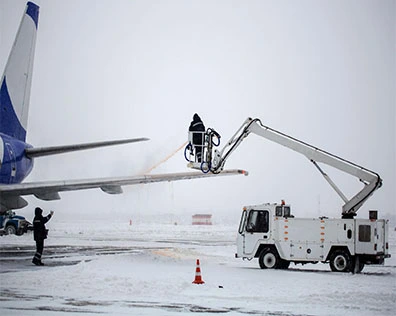
Deicing chemicals come from both above and below, making bridges some of the most fragile pieces of equipment. Traditional goods that contain chloride speed up the rusting of steel reinforcing bars in concrete, which causes the concrete to flake and the structure to become weak. Formulations with deicing solid potassium acetate have very little chloride in them—usually less than 0.2%—so they don't corrode as much. Non-corrosive deicing products are very helpful for airport tracks that have high-tech lighting systems and equipment to help planes land. The compound is SAE AMS 1431 compliant, which means it can be used with aluminum alloys, carbon brake parts, and cadmium-plated parts. SAE AMS 1431 is the standard for runway deicers in the aircraft business.
Concrete and Asphalt Preservation
When concrete is exposed to chloride salts, it breaks down in an expected way: water seeps in, the concrete freezes and thaws several times, and the surface gets worse over time. Products made from acetate stop this harmful loop. Transportation offices across North America have done research that shows bridge decks treated with deicing solid potassium acetate need less upkeep and less concrete scaling than bridge decks treated with rock salt. The non-aggressive chemical makeup of acetate compounds is also good for asphalt surfaces because they keep the surface flexible and don't break down like chloride does.
Storage and Shelf Life Considerations
When buying in bulk, you need to think about how stable the product will be over long times of keeping. When stored properly, deicing solid potassium acetate stays useful for more than one season as long as it is kept in a dry place. Standard package choices, such as 25 kg plastic woven bags or 1000 kg ton bags, make it easier to handle activities of all sizes. Custom packaging arrangements meet specific operational needs, whether they're for airport repair facilities that have to keep track of a lot of items or smaller local operations that don't have a lot of space for storage.
Real-World Infrastructure Protection Evidence
By switching from urea-based deicers to deicing solid potassium acetate formulas, a major international airport in the northern United States was able to cut down on runway surface fixes by 40%. According to the airport's repair records, there were fewer cracks in the sidewalk and less corrosion on the metal fixtures and electrical cables that were buried in the concrete. In the same way, a state transportation department that is in charge of more than 200 bridges said that steel-reinforced concrete structures treated with acetate products would last longer than structures treated with chloride products, which meant that they would need less upkeep. These results directly lead to lower lifetime costs and higher public safety due to better infrastructure maintenance.
Evaluating Potassium Acetate Against Market Alternatives: A Rational Choice for B2B Clients
Performance Comparison with Sodium Acetate and Magnesium Chloride
Deicing solid potassium acetate works better at lower temperatures than sodium acetate, even though both are good for the environment. Even though magnesium chloride is advertised as less acidic than sodium chloride, it still has chloride ions that break down metal and concrete over time. The potassium version melts ice more effectively and doesn't have this basic chemistry problem. According to the testing methods used by flight officials, deicing solid potassium acetate is better at protecting infrastructure while still melting ice just as well as more corrosive alternatives.
Solid Versus Liquid Formulations
There are clear benefits to using the solid crystalline form in certain situations. Granular products give you quick grip on icy surfaces while they start to melt, which is important for safety in the minutes right after application. Solid formulations are easier to store and move than liquid ones because they don't need as much specialized tools. However, some operators use a combination approach, pre-wetting solid granules with liquid deicing solid potassium acetate to speed up the melting process at the start and reduce bounce and scatter during spreading operations.
Total Cost of Ownership Analysis
Considerations about the initial buy are only one part of a full cost study. The economy benefits from lower costs for fixing infrastructure, longer replacement periods for sensitive equipment, and fewer cleanup tasks that need to be done for the environment. When used in high-reliability places like airports or business parking garages, less corrosive goods may be preferred by insurance companies. Prices stay stable and products are always available during the winter thanks to bulk order agreements and established supply relationships with qualified makers.
How to Source and Procure High-Quality Solid Potassium Acetate Deicer?
Supplier Certifications and Quality Standards
Manufacturers who have ISO 9001, ISO 14001, or ISO 45001 certifications follow strict quality control systems. Shanxi Zhaoyi Chemical Co., Ltd. has been making acetate for more than 30 years and has these certifications along with other approvals, such as Kosher and Halal for food-grade uses. A production potential of up to 150,000 tons per year guarantees a steady supply even during times of high demand. Comprehensive testing procedures that check consistency from batch to batch provide the tracking that is needed for operations that need written quality assurance.
Product Specifications to Evaluate
More than 99% purity of CH3COOK ensures best performance and few chemical reactions that aren't needed. Matter that doesn't dissolve in water should stay below 0.05% so that cleaned surfaces don't get sticky. Chloride content standards usually call for amounts below 0.2%. This keeps the non-corrosive qualities that set acetate goods apart from other options. Concrete and other porous surfaces don't get stained when the iron level is less than 0.05%. The distribution of granule sizes affects how the deicing solid potassium acetate works, and the specs are made to fit the spreading tools and the needs of the operation.
Custom Packaging and Logistics Solutions
Different types of operations, from small local fleets to large airport officials, need different ways to package their goods. Being able to choose bag sizes, pallet arrangements, and shipping choices that use containers makes getting and managing goods easier. Freight rates are reasonable and arrival times are reliable thanks to strategic partnerships with international shipping companies. Technical support beyond the point of sale, such as application rate advice, equipment suggestions, and help with fixing problems, makes provider ties more valuable.
Best Practices for Using Solid Potassium Acetate Deicer to Protect Infrastructure
Application Techniques and Dosage Guidelines
Spreading speeds depend on the temperature, the thickness of the ice, and the surface properties. Most of the time, 50 to 150 grams per square meter is enough, but higher rates are only used in harsh situations or places that get a lot of use. Pre-treatment applications made before it rains or snows work better than reaction applications made after ice forms. Calibrated spreading tools makes sure even covering and stops over-application, which is wasteful. Traffic patterns, temperature forecasts, and working goals are all taken into account when planning the timing so that the most work gets done with the least amount of deicing solid potassium acetate used.
Environmental Compliance and Worker Safety
Even goods that are better for the world need to be used in a responsible way. Managing runoff keeps rivers from building up too much, but the fact that acetate compounds break down naturally has a much smaller effect on the environment than chloride salts that stay in the water for a long time. For handling tasks, personal protective equipment like gloves and eye protection is needed. Material safety data sheets give detailed information about safety. Maintenance workers learn the right way to handle things, how to use tools, and what to do in a situation through training programs.
Monitoring and Maintenance Coordination
Regular checks of infrastructure find early signs of damage that need to be fixed before small problems get worse and cost a lot to fix. Deicing operations and building management teams work together to make sure that winter repair plans are complete. Recording the number of applications, the weather, and the state of the equipment makes useful information that can be used to improve future operations. Performance measures that track how often an ice-free surface is reached, how much of a product is used, and trends in upkeep costs help with ongoing growth.
Conclusion
To protect infrastructure during winter activities, it takes more than just getting rid of ice quickly. You need to think strategically about how to keep assets safe in the long run. Deicing solid potassium acetate formulations offer this all-around value, providing instant safety benefits and measured decreases in damage caused by corrosion. The compound works well in harsh temperatures, doesn't harm the environment, and has a history of protecting infrastructure. These factors make it the best choice for airports, highway systems, and business buildings that need to do winter maintenance. As procurement professionals look at their winter repair plans, the total cost analysis is leaning more and more toward acetate-based options that protect investments in infrastructure while also meeting safety and environmental standards.
FAQ
What makes potassium acetate different from rock salt for deicing?
Rock salt, which is sodium chloride, lowers the temperature at which water freezes. It doesn't work below -9°C, though, and it ruins metals and concrete very badly. Deicing solid potassium acetate works at temperatures as low as -30°C, creates an exothermic reaction that speeds up freezing, and doesn't have much chloride in it, which would damage infrastructure otherwise. Instead of building up in earth and water, the acetate version breaks down naturally.
Can potassium acetate be used on aircraft runways and bridges?
Of course. The substance meets the SAE AMS 1431 approval standards, which were made especially for use in flight. Because it doesn't corrode, it protects aluminum airplane parts, landing gear systems, and the equipment for lighting the runway. The rusting of steel reinforcing bars in concrete is slowed down, which greatly increases the service life of structures. This is especially helpful for bridges.
How should bulk quantities be stored?
Warehouses that are used for storage need to be dry, well-ventilated, and kept away from heat sources and too much wetness. Because the material is hygroscopic, it is important to keep the moisture level low to avoid caking. Standard packing in 25 kg bags or 1000 kg ton bags makes it easier to keep track of supplies. Safety rules say that materials should stay away from chemicals that don't work well together.
Partner with Zhaoyi Chemical for Superior Deicing Solutions
Not only does the quality of the product depend on which deicing solid potassium acetate provider you choose, but so does the success of your whole winter maintenance program. Zhaoyi Chemical has been making acetate for more than 35 years and has ISO-certified production plants that can make 150,000 tons of acetate every year. Our deicing solid potassium acetate stays at least 99% pure thanks to strict quality control. This means that you can count on the same quality from batch to batch when winter comes. Our expert team can help you with any application, whether you are in charge of an airport, highway infrastructure, or business buildings. They can make the advice fit your needs exactly. Contact our team at sxzy@sxzhaoyi.com to talk about your needs to buy deicing solid potassium acetate in bulk from a reliable company. We offer competitive solutions backed by Kosher, Halal, and foreign certifications. Our packaging choices are flexible, and our services are reliable, so we can support activities in North America and around the world.
References
1. Strategic Highway Research Program, "Impact of Deicing Chemicals on Pavement and Structural Materials," Transportation Research Board Special Report, 2018.
2. Airport Cooperative Research Program, "Aircraft and Airfield Deicing and Anti-Icing Methods and Materials," Synthesis of Airport Practice 67, 2016.
3. Pacific Northwest Snowfighters Association, "Comparative Analysis of Acetate-Based Deicers for Infrastructure Preservation," Annual Conference Proceedings, 2019.
4. American Concrete Institute, "Guide to Deicer Scaling Resistance in Concrete," ACI Committee 201 Technical Report, 2020.
5. National Association of Corrosion Engineers, "Corrosion Effects of Deicing Salts on Transportation Infrastructure," NACE International Publication 35109, 2017.
6. Environmental Protection Agency, "Best Management Practices for Winter Road Maintenance," Office of Water Technical Guidance Document, 2021.

USER EVALUATE
Here is the customer's evaluation of us