



Why Airports Prefer Solid Potassium Acetate for Runway Snow Removal?
Every choice is important when winter weather threaten airport operations. As a reliable option for de-icing runways, airports all over North America and Europe are turning more and more to snow melting solid potassium acetate. This acetate-based substance does what chloride salts normally can't: it melts ice quickly and effectively without damaging important infrastructure. Airport managers have to deal with special problems. They need materials that can work right away in -40°F temperatures, that can protect sensitive airplane parts, that can meet strict environmental rules, and that can protect airport surfaces that would cost millions to fix if they were damaged. Potassium acetate meets these needs because it is recyclable, doesn't corrode, and works very well in cold weather (down to -35°C).
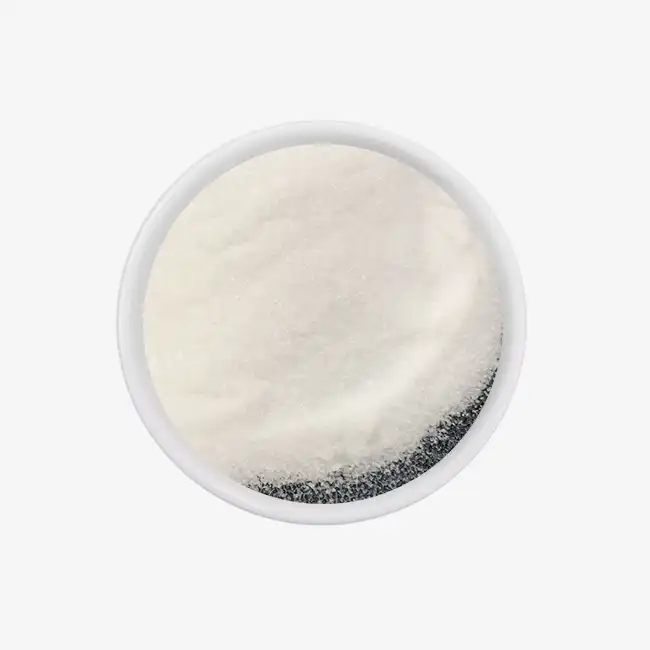
Understanding Solid Potassium Acetate and Its Melting Properties
Chemical Composition and Molecular Characteristics
When broken down, solid potassium acetate (CAS 127-08-2) has the formula CH₃COOK and a molecular weight of 98.14 g/mol. This crystalline white substance dissolves very easily in water, acids, and alcohols, and it starts working quickly when it comes in touch with frozen surfaces. Because the substance is deliquescent, it can pull water from the air and turn it into a concentrated brine that can break through ice layers faster than regular deicers.
Thermal Behavior and Freezing Point Depression
Colligative features are what make the freezing point decline work. Potassium acetate breaks apart into potassium and acetate ions when it mixes with water. This breaks the network of hydrogen bonds that allow ice crystals to form. Under normal application rates, this chemical intervention drops the freezing point to about -35°C, which is better than many other options in harsh circumstances.
Comparative Analysis with Other Deicing Agents
Knowing how potassium acetate stacks up against other options makes its airport benefits clear. Sodium acetate has similar benefits for the environment, but it is less successful at lowering the freezing point. Calcium chloride has a strong heating effect, but it also speeds up the breaking down of concrete and steel. Magnesium acetate works pretty well, but it doesn't work quickly enough for airports to use in case of bad weather. These fluids, which are based on ethylene glycol, work well on airplane surfaces but are too expensive and hard to use on long runways. Potassium acetate is in the best place because it balances efficiency, protecting infrastructure, and caring for the earth.
The practical safety profile lists simple standards for handling. For storage, you need dry, well-ventilated buildings that are away from things that don't go together. Standard chemistry management rules apply to transportation. These reasonable standards work well with airport operations, where safety rules already guide how to handle materials.
Advantages of Solid Potassium Acetate in Airport Runway Snow Removal
Superior Low-Temperature Performance
Airport activities can't wait for delays caused by bad weather. Snow melting solid potassium acetate mixtures start working as soon as they are put down, even when the temperature of the ground drops below -30°C. The compound's exothermic dissolution process, which makes heat while making brine, enables it to respond quickly. The crystalline structure makes sure that the particle sizes are spread out evenly, which lets the material spread out evenly through motorized equipment. Predictable covering rates help airports cut down on waste while keeping surfaces safe for walking on on runways, taxiways, and yard areas.
Infrastructure Protection Through Non-Corrosive Chemistry
Traditional deicers that use salt have hidden costs because they speed up the wear and tear on infrastructure. Ions of chlorine can get into the cracks of concrete and reach steel reinforcements that are buried in the concrete. There, they start electrochemical corrosion. This process breaks down concrete, makes rebar expand, and weakens structures, all of which need expensive repairs. This damaging loop is broken by potassium acetate. Corrosion rates on carbon steel are less than 0.03 g/m³·h, and concrete decline rates are less than 0.01 mm/year. These are performance measures that keep the runway's integrity for decades, not years.
Compatibility with other aircraft is another important benefit. The landing gear and fuselage sections of modern airplanes are made of aluminum alloys, composite materials, and sensitive electrical systems. These materials are damaged by chloride salts, which could make safety devices less reliable. Acetate-based deicers meet standards for aerospace material compatibility, which protects airplane assets and keeps people safe on the ground.
Environmental Sustainability and Regulatory Compliance
Environmental laws are making it harder to use chemicals for deicing near areas that are sensitive. Potassium acetate solves these problems because it naturally breaks down in ways that are more than 95% in normal tests. Microbes in dirt and water break down the substance naturally, so it doesn't leave behind any harmful chemicals. This quality is very important for airports that are close to rivers, marshes, or residential areas where runoff control needs to be carefully watched.
The low biological oxygen demand (BOD) rate keeps marine ecosystems from getting messed up. In contrast to chloride salts, which stay in groundwater forever, acetate breaks down naturally into carbon dioxide and water. Environmental compliance teams at airports like paperwork that shows the least amount of damage to the environment. This makes renewing permits and working with the community easier. Some versions even add potassium to the soils around airports, which is good for plants and helps keep the greenery healthy in buffer zones.
Operational Efficiency and Cost Optimization
In addition to efficiency and safety, operational factors affect choices about what to buy. Over the winter, potassium acetate crystals keep their free-flowing properties because they don't harden or absorb water while being stored. Because of this stability, automatic spreading equipment can use regular application rates, which cuts down on worker costs and application time. Because the substance absorbs water, it only needs a small amount to do the same job of melting ice as standard salts. This means that budgets can be stretched without safety being compromised.
These practical benefits directly lead to less downtime during bad winter weather. When ice is cleared faster, runways can be used again more quickly, which cuts down on flight delays and the money lost because of them. Being able to treat surfaces ahead of time stops ice from sticking together, which speeds up the snow removal process even more.
How to Choose the Right Potassium Acetate Product for Industrial Use?
Evaluating Purity Grades and Technical Specifications
To make sure products work well enough for airports, procurement workers have to carefully read product specs. Premium formulas have more than 99% solid potassium acetate, less than 0.05% water-insoluble chemicals, and less than 0.2% chloride pollution. These purity levels have a direct effect on how well melting works and how safe the equipment is. Lower-grade goods might have impurities in them that make them less effective or cause rust risks that were not expected.
Technical datasheets should include information about the freezing point, the melting rate, and the results of tests to see if the material is compatible. Check for data that shows more than 85% of the snow melting in one hour at -25°C. When tested for corrosion, carbon steel, stainless steel, aluminum alloys, and concrete should all show very low attack rates. Manufacturers with a good reputation back up their claims with approvals from independent labs instead of just using their own tests.
Bulk Purchasing Strategies and Supply Chain Considerations
For airport deicing programs to work, they need to be able to reliably get large amounts of salt during the unpredictable winter months. Building partnerships with suppliers of bulk packaging choices, like 25 kg woven bags for smaller businesses or 1000 kg ton-bags for big hubs, allows for adaptability in meeting consumption trends. Check out vendors' production ability, inventory backups, and shipping and delivery skills. A company that can make 150,000 tons of goods every year has enough scale to handle big orders without having to worry about supply problems.
The terms of delivery have a big effect on the total cost of ownership. Check out the FOB, CIF, and DAP price models to get a good idea of what the landed costs are. When suppliers offer cheap shipping options through well-established transport networks, delays and freight costs go down. Carefully think about wait times. Manufacturers who say their production cycles take 5–7 working days let you order quickly to meet seasonal demand changes.
Certification Compliance and Supplier Credibility
Certifications in quality management show that a company is disciplined and consistent in its production. ISO 9001 approval shows that quality control methods are used consistently throughout production. Getting ISO 14001 approval for environmental management shows that you are committed to using sustainable production methods. The ISO 45001 approval for health and safety at work shows that safety is a top priority, which leads to stable operations. KOSHER and HALAL certifications may be useful for food-grade and pharmaceutical-grade acetate applications, based on the needs of the company.
Check the supplier's track record of operations and their expert help skills. Companies that have been making acetate for decades know how to fix problems, which is very helpful during adoption. Having access to expert support 24 hours a day, seven days a week, with quick responses (ideally within two hours) helps answer application questions quickly. Suppliers who offer free sample testing let you check the product's performance before you buy a lot of it.

Practical Implementation: Case Studies of Airports Using Solid Potassium Acetate
European Airport Achieves 40% Runway Maintenance Cost Reduction
Damage to the runways from chloride-based deicers was driving up the costs of fixing them at a big airport in northern Europe that handles more than 200,000 landings a year. About 15% of airport surfaces were damaged by concrete flaking every year, which meant that they had to be patched up quickly, which caused problems with operations. Maintenance teams saw huge gains after moving to potassium acetate for the 2018–2019 winter season. The rate of concrete degradation dropped so low that it no longer needed to be fixed in an emergency. Over a five-year study period, the airport found that runway repair costs went down by 40%, even though the cost of deicer materials went up a little. The longer life of the landing surface made the change worthwhile, and protecting infrastructure gave a clear return on investment.
North American Regional Airport Meets Environmental Compliance
In the northeastern United States, a regional airport was located next to protected waterways, which led to strict limits on how much deicing waste could flow. In the past, chloride salt applications regularly went over the allowed BOD limits in stormwater tracking, which led to warnings from regulators and the possibility of operation restrictions. Before the winter, the airport changed all of its concrete floors to potassium acetate. After that, tests on the water quality showed huge changes, with BOD levels dropping well within the acceptable ranges. Before the water was released, biodegradation happened naturally in holding ponds. The environmental compliance success kept the airport's working certificate and showed the community around it that the airport cared about the environment.
International Hub Enhances Aircraft Safety and Operational Reliability
An international airport hub that serves wide-body planes from major airlines put deicing materials that work with advanced composite airframes and sensitive electronics at the top of its list of priorities. The airport chose potassium acetate for all runway and taxiway uses after talking to airplane makers about how well the materials would work together. A lot of training was given to the staff on application rates, equipment calibration, and storing practices as part of the execution. During three winter seasons, the airport saw no rusting of aircraft caused by ground deicing materials. This was a big improvement from previous years, when salt exposure caused some aircraft's landing gear to rust. Airlines that use the site praised the airport's proactive approach to keeping planes safe.
Risk Mitigation and Safe Handling Protocols
For execution to go well, care must be taken with handling safety and store management. When treated correctly, potassium acetate doesn't pose many risks, but following the rules keeps it from getting contaminated and keeps workers safe. To keep things dry, storage spaces must have enough air flow to stop wetness from absorbing. Standard chemical storage practices include keeping chemicals away from materials that aren't suitable. Careful treatment of packages during shipping keeps them from getting damaged, which could lower the quality of the goods.
When workers are trained, they are taught how to use the right personal safety equipment, how to handle spills, and how to use application equipment. Automated spreading systems need to be set up to use the suggested application rates from the maker. These rates are usually between 50 and 150 grams per square meter, but can change based on the thickness of the ice and the temperature. Mechanical problems during bad weather can be avoided by keeping tools in good shape.
Future Trends and Innovations in Runway Snow Removal with Potassium Acetate
Enhanced Formulation Development
Chemical companies keep improving solid potassium acetate mixtures to get better results while cutting costs. Researchers are looking into adding substances that speed up the melting process without changing the environmental profiles. Some trial formulas include corrosion inhibitors for situations where infrastructure made of more than one material needs extra protection. Others are looking into particle layer technologies that make storage more stable in damp places while also speeding up the rate of breakdown during use.
Creating hybrid goods that mix potassium acetate with chemicals that work well together has led to the creation of solutions that are specifically made for different temperature zones. Formulations that are made to be activated more than once are helpful for airports in places where the weather changes quickly between freezing and thawing. Products designed to work consistently below -40°C are sent to facilities that are located in very cold areas.
Smart Technology Integration
Ground activities, such as snow removal devices, are also becoming more digital in the aviation business. New technologies combine weather sensors, systems that check the temperature of the ground, and automatic application systems to make the best use of deicer. Real-time data analytics can predict when ice will form, which lets you treat the water ahead of time to stop it from sticking together. Based on current conditions, these systems figure out the exact application rates that will use the least amount of material while still meeting safety standards.
Mobile apps let ground workers keep track of material inventory, record application coverage, and plan how to move equipment across huge airport buildings. Integration with airport operations centers lets you see how the runways are doing, which helps you make smart choices during winter weather events.
Strategic Procurement and Supply Chain Resilience
Problems in the global supply chain made it clear how important it is to have a variety of buying methods. Airport procurement teams that are forward-thinking build ties with multiple qualified providers to make sure they have materials on hand during times of high demand. Long-term contracts with fixed production amounts protect against price changes on the spot market and guarantee good prices.
In response, manufacturers set up regional delivery networks and keep strategic stock backups. These investments in the supply chain make sure that deliveries happen reliably even when bad weather affects transportation networks. Some providers have vendor-managed inventory plans that make sure that airport facilities always have enough materials because they can see how much they are used and what the weather is going to be like.
Long-term calculations of return on investment are moving more and more in favor of high-quality deicers based on acetate. The unit costs are higher than those of regular chloride salts, but the total cost of ownership takes into account things like protecting infrastructure, being environmentally friendly, running the business efficiently, and making sure everyone is safe. When airports do full lifecycle cost studies, they always find that potassium acetate is the best option over normal 20–30 year infrastructure planning ranges.
Conclusion
Deicing solutions that combine performance, infrastructure protection, and environmental duty are needed to keep airport runways safe during the winter. Potassium acetate has become the best choice for airports around the world because it melts ice reliably down to -35°C and keeps roads and planes safe from corrosion. Because the substance breaks down naturally, it can help the environment in ways that chloride salts can't. To make it work in real life, you need to carefully choose your suppliers, pay attention to the product specs, and follow the right dealing procedures. Case studies from airports in Europe and North America show that reducing upkeep and making facilities last longer can save money. Potassium acetate will continue to set the standard for success in airport snow clearing operations as formulations improve and smart technologies make the best use of application strategies.
FAQ
What makes potassium acetate more effective than traditional road salt for airports?
In contrast to road salt, which doesn't work well below -10°C, potassium acetate works well at lower temperatures, keeping its freezing action down to -35°C. The acetate-based chemical stops the corrosion of plane parts and airport structures. It stops the steel from breaking down and concrete from flaking off that chloride salts do. These protective features are needed by airports because salt damage to runways costs millions to fix and could make planes less safe through material corrosion.
How does potassium acetate impact the environment compared to other deicers?
More than 95% of the substance is biodegradable, meaning it breaks down naturally in the presence of microbes into carbon dioxide and water. This trait keeps groundwater from getting polluted and protects marine ecosystems from damage that happens when chloride salts stay in the water for a long time. Low biological oxygen demand values help sites meet environmental release permits and protect the quality of water in airport runoff. Unlike chloride ions, which build up in soil and do long-term damage, the potassium part can help plants nearby.
What storage considerations apply to solid potassium acetate?
For proper keeping, buildings need to be dry, well-ventilated, and keep moisture out. Because potassium acetate is hygroscopic, it can take in moisture from the air if it is left out in the open, which could lead to caking. Standard rules for storing chemicals include keeping them away from things that aren't appropriate, keeping them safe from high temperatures, and handling them carefully so that the packages don't get damaged. If you store the product properly in protected packaging, it will keep working the same way for years without losing any of its quality.
Partner with Zhaoyi Chemical for Premium Airport Deicing Solutions
Zhaoyi Chemical has been making acetate for more than 30 years and can protect airport runways with it. Our snow melting solid potassium acetate achieves ≥99.0% purity and has been shown to work in even the harshest winter climates. As a well-known provider that can produce 150,000 tons of goods every year, we can guarantee a stable bulk supply that meets your needs. Our ISO 9001, ISO 14001, and ISO 45001 certifications show that we make great products and consistently high quality. We offer full scientific help, including advice on how to use our products, safety datasheets, and formulations that are specially made for your environment. You can email our procurement experts at sxzy@sxzhaoyi.com to talk about the needs of your deicing program, get technical specs, or set up sample tests. Find out how working with a reliable company that makes snow melting solid potassium acetate can protect your infrastructure investment and keep your operations safe.
References
Transportation Research Board. (2019). "Alternative Deicing Chemicals for Airport Pavement and Infrastructure Management." National Academies of Sciences, Engineering, and Medicine, Washington, DC.
Federal Aviation Administration. (2020). "Advisory Circular AC 150/5200-30D: Airport Winter Safety and Operations." U.S. Department of Transportation, Washington, DC.
Environmental Protection Agency. (2018). "Environmental Impact Assessment of Acetate-Based Deicing Compounds in Airport Applications." EPA Office of Research and Development, Cincinnati, OH.
International Civil Aviation Organization. (2017). "Aerodrome Design Manual Part 2: Taxiways, Aprons and Holding Bays." ICAO Document 9157, Montreal, Canada.
American Society for Testing and Materials. (2021). "ASTM D7300: Standard Practice for Evaluating Material Compatibility of Deicing Chemicals with Airfield Materials." ASTM International, West Conshohocken, PA.
Airport Cooperative Research Program. (2016). "ACRP Report 148: Sustainable Winter Runway and Taxiway Operations." Transportation Research Board, Washington, DC.

USER EVALUATE
Here is the customer's evaluation of us