



Is Deicing Solid Potassium Acetate Safe for Vegetation and Soil?
Deicing solid potassium acetate is thought to be one of the best ways to bargain with winter ice for plants and soil. This acetate-based substance breaks down normally through natural forms, not at all like chloride-based deicers that cause osmotic stretch, sodium buildup, and long-term soil debasement. When utilized in the right sums, the potassium portion is an critical macronutrient for plants since it makes a difference roots develop and the plant as a entirety remain solid. Its biodegradable acetic acid derivation portion breaks down rapidly without clearing out behind any buildups, so it's a great choice for city governments, airplane terminal administrators, and office directors who work close waterways, arranged regions, and biologically touchy zones.

Understanding Potassium Acetate Deicing Solid and Its Environmental Profile
Ice Melting Mechanism and Chemical Composition
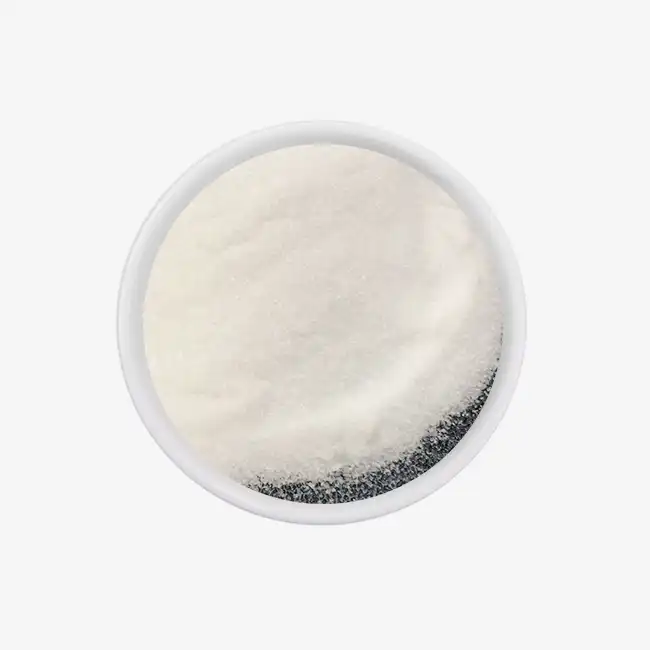
The chemical equation for CH3COOK is a white, crystalline substance with a atomic weight of 98.14 g/mol and a CAS number of 127-08-2. This item for overseeing ice breaks down effortlessly in water, beginning an exothermic response that makes warm when it comes into touch with water. Indeed when temperatures drop to -30°C, the warm discharge speeds up the softening of snow and ice, which is a enormous change over standard sodium chloride, which stops working underneath -9°C.
When put on solidified surfaces, the acetic acid derivation portion breaks down the hydrogen bonds between ice precious stones, and the potassium particles lower the solidifying point of any remaining water. This two-in-one instrument cuts through thick layers of ice and discharges the stick that holds solidified precipitation to the ground, making it less demanding for snow plows and sweepers to expel. The brine arrangement that is made has less consistency than chloride-based alternatives. This implies that it spreads way better over treated surfaces and needs less of it per square meter.
Biodegradation Pathway and Soil Microbiology
Acetic acid derivation atoms break down rapidly in the soil by microorganisms that live there normally. Inside days of application, oxygen consuming microbes break down the acetic acid derivation portion into carbon dioxide and water. This is exceptionally diverse from chloride salts, which remain in the soil until the end of time. Natural designing divisions at enormous colleges have found that acetic acid derivation biodegrades at rates higher than 90% in two weeks when the soil is at room temperature and has the right sum of dampness.
The biodegradation process actually boosts populations of helpful microbes, which briefly raises the rate of soil respiration and the turnover of organic matter. This biological activity stops acetate from building up, even when the product is used more than once during the same season. This eases worries about long-term changes to the soil's chemistry. Soil microbiologists have seen that nitrogen-fixing bacteria and mycorrhizal fungi populations have not been significantly affected by using acetate-based deicers at the suggested concentrations.
Comparative Environmental Footprint
Chloride-based deicers make the soil more salty, which is a process of gradual degradation that stops water from penetrating, damages the structure of the soil, and causes osmotic stress that stops plant roots from taking water. Products of calcium chloride and magnesium chloride also raise the pH of the soil and make it harder for nutrients to get to the plants. Studies that measured the amount of chloride ions in the soil next to treated roads found pollution 60 meters away, and high salinity that lasted through the summer growing seasons.
Formulations with deicing solid potassium acetate don't have these long-term effects on the environment. The potassium part breaks down naturally with the help of natural nutrient cycles, and the acetate part breaks down completely without leaving any pollution behind. Comparing acetate deicers to chloride deicers repeatedly shows that acetate deicers are less harmful to aquatic life, lower the biological oxygen demand in receiving waters, and cause less damage to plant communities on land.
Evaluating the Safety of Potassium Acetate for Vegetation and Soil: Key Factors
Nutrient Dynamics and Plant Response
Along with nitrogen and phosphorus, potassium is one of the three main macronutrients that plants need to grow. Agricultural experts know that potassium is very important for photosynthesis, making proteins, activating enzymes, and controlling osmotic pressure in plant tissues. When acetate-based deicers add potassium to the soil, plants can use it to help their metabolisms. This is especially helpful for soils that are low in potassium that are common in some geographic regions.
The amount of potassium added determines whether it is helpful or too much. Standard deicing methods add 50 to 150 grams per square meter, which is a potassium level well within the range of agricultural fertilizers. Species of turfgrass, ornamental shrubs, and deciduous trees can usually handle these amounts of application without any problems. To keep the chemicals from coming into direct contact with plants in sensitive mountain and wetland areas, the way they are applied may need to be changed.
Soil pH and Cation Exchange Capacity
Potassium acetate solutions are slightly alkaline, with pH values between 9 and 11. This makes me wonder what effects soil acidity has. Soil science study shows that adding acetate to soil causes short-term, localized pH rises that usually go away after a few weeks as biological decomposition takes place. Soils that are well-balanced and have enough organic matter can handle these changes in pH without changing the basic chemistry of the soil in a way that lasts.
How well potassium works in the soil depends on its cation exchange capacity, which is its ability to hold on to and swap nutrient ions. Soils that are high in clay and cation exchange capacity keep potassium ions on the surfaces of minerals, which stops them from quickly leaching into groundwater. Soils that are sandy and have lower cation exchange values may have more potassium moving around. However, the acetate part still breaks down quickly no matter what kind of soil it is.
Application Timing and Minimizing Direct Vegetation Contact
Using the right methods for application greatly lowers the stress that plants might face. Using acetate deicers before it snows, which is also known as "anti-icing," stops ice from forming and uses less product than deicing after a storm. This proactive method limits the total amount of chemicals that plants and soil are exposed to. Protecting ornamental plants and turfgrass even more is possible by applying chemicals only to ground and not to landscaped areas nearby.
During busy growing seasons, plants are more sensitive to chemicals than they are when they are dormant in the winter. During the winter, most woody plants and cool-season grasses go into dormancy. This lowers their metabolic activity and makes them more vulnerable to chemical stress. This natural way of protecting plants lets them handle deicing work in the winter that might be too much for them to handle in the spring or summer.
Comparative Analysis: Potassium Acetate vs Other Deicing Agents for Vegetation and Soil Safety
Calcium Chloride and Magnesium Chloride Impact Assessment
Calcium chloride delivers excellent ice melting performance at low temperatures, earning widespread use across transportation networks. Environmental monitoring reveals significant vegetation damage along treated corridors, with characteristic brown needle tip burn on evergreen species and marginal leaf necrosis on deciduous plants. The hygroscopic nature of calcium chloride draws moisture from plant tissues through osmotic pressure, effectively dehydrating foliage and root systems.
Magnesium chloride gained popularity as a supposedly less corrosive alternative to sodium chloride, yet environmental assessments document similar vegetation stress symptoms. Both calcium and magnesium chlorides elevate soil sodium levels through cation exchange reactions, ultimately creating the same soil degradation problems associated with rock salt. Chloride ions accumulate in plant tissues, interfering with photosynthesis and protein synthesis at cellular levels.
Sodium Acetate Comparison
Deicing solid potassium acetate shares the biodegradable acetate component with potassium formulations but introduces sodium rather than beneficial potassium into soil systems. While sodium acetate avoids the persistent contamination of chloride salts, repeated sodium additions can still degrade soil structure by dispersing clay particles and reducing aggregation. Sodium accumulation on cation exchange sites displaces calcium and magnesium, nutrients vital for plant health and soil physical properties.
Agricultural drainage studies have documented sodium's ability to create impermeable soil layers that restrict water infiltration and root penetration. These structural changes develop gradually over multiple application seasons but can require years of remediation to reverse. Potassium acetate avoids this particular concern, as potassium ions enhance rather than degrade soil structure and do not create the dispersion problems characteristic of sodium.
Urea-Based Deicers and Nitrogen Loading
Fertilizer-grade urea entered the deicing market as a supposedly plant-friendly alternative, given its high nitrogen content. Environmental engineers quickly identified serious ecological problems with urea applications near waterways. Rapid urea decomposition releases ammonia and nitrate, contributing to eutrophication in lakes and streams. Aquatic ecosystems receiving urea-contaminated runoff experience algae blooms, oxygen depletion, and fish kills.
Terrestrial vegetation near urea-treated pavements often exhibits excessive vegetative growth, delayed dormancy, and reduced cold hardiness due to nitrogen overstimulation. Woody ornamentals pushed into late-season growth by nitrogen exposure suffer increased winter injury. These secondary impacts make urea unsuitable for use in landscaped areas despite its effective ice melting properties. Potassium acetate avoids nitrogen-related problems entirely while providing superior low-temperature performance.
Procurement Considerations for Potassium Acetate Deicing Solids
Quality Standards and Supplier Certifications
Professional procurement requires verification that suppliers maintain rigorous quality control systems. Look for manufacturers holding ISO 9001 certification, demonstrating systematic quality management across production operations. ISO 14001 environmental management certification indicates commitment to minimizing manufacturing environmental impacts, while ISO 45001 addresses workplace health and safety protocols.
Product specifications should guarantee minimum potassium acetate content exceeding 99%, with water-insoluble materials below 0.05% and chloride contamination under 0.2%. These purity thresholds ensure consistent ice melting performance and minimize introduction of unwanted contaminants. Suppliers should provide detailed certificates of analysis for each production batch, enabling traceability and quality verification upon delivery.
Aviation industry applications require compliance with SAE AMS 1431 specifications, establishing performance benchmarks for runway and taxiway deicing. Municipal and commercial applications benefit from these stringent aerospace industry standards even when regulatory compliance is not mandatory, as they ensure product reliability under demanding operational conditions.
Bulk Purchasing Strategy and Seasonal Planning
Acetate deicer demand peaks during winter months, creating potential supply constraints and pricing pressures for unprepared buyers. Strategic procurement professionals initiate supplier discussions during late summer, securing allocation commitments and favorable contract terms before peak season competition intensifies. Production facilities typically operate at full capacity from October through March, making early commitment essential for guaranteed availability.
Zhaoyi Chemical maintains an annual production capacity of 150,000 tons across flexible manufacturing lines designed to accommodate bulk orders. Standard packaging options include 25kg plastic woven bags for manual handling applications and 1000kg ton bags optimized for mechanical loading systems. Custom packaging configurations can be arranged for specialized handling equipment or storage requirements, though lead times extend for non-standard requests.
Storage and Handling Requirements
The hygroscopic nature of potassium acetate crystals demands careful moisture control throughout storage periods. Facilities should provide dry, well-ventilated warehouse space with relative humidity maintained below 65% to prevent product caking and degradation. Concrete floors with moisture barriers protect against ground moisture infiltration, while adequate air circulation prevents condensation on bag surfaces.
Temperature control is less critical than moisture management, though moderate storage temperatures between 10°C and 25°C optimize product stability. Segregate acetate products from strong oxidizing agents, acids, and incompatible chemicals according to standard chemical storage protocols. Proper handling practices include minimizing bag drop heights during unloading to prevent package damage and product loss.
Material stored under appropriate conditions maintains full effectiveness for 12 months from manufacturing date. Products exceeding shelf life should undergo re-inspection and testing before use to verify continued compliance with specifications. Zhaoyi Chemical provides technical support for quality assessment of aged inventory, helping customers make informed decisions about product usability.
Best Practices for Using Potassium Acetate Deicing Solids in Vegetation-Sensitive Areas
Application Rate Calibration and Equipment Selection
Proper equipment calibration prevents both over-application that wastes product and increases environmental exposure, and under-application that delivers inadequate ice control. Mechanical spreaders require regular calibration checks using manufacturer-recommended procedures, adjusting application rates based on pavement temperature, ice thickness, and traffic volume. Most vegetation-adjacent applications benefit from rates between 50-100 grams per square meter, reduced from the 150 gram rates common on heavily traveled roadways.
Drop spreaders provide superior accuracy for sidewalks, parking areas, and other locations near landscaping, as they prevent broadcast spreading onto non-target vegetation. Rotary broadcast spreaders work effectively on large open areas but require careful operation near planted beds and turf edges. Manual application using calibrated hand spreaders gives maximum control in confined spaces and high-value landscape settings.
Timing Strategies for Environmental Protection
Anti-icing applications before precipitation events use approximately 70% less product than reactive deicing after ice formation, reducing chemical exposure while improving operational outcomes. Weather monitoring systems enable strategic pre-treatment timing, applying thin deicing solid potassium acetate solution layers or solid products that prevent ice bonding to pavement. This proactive approach dramatically reduces runoff volumes and vegetation contact compared to heavy deicing applications.
Temperature thresholds influence optimal application timing. Applying products when pavement temperatures fall below effective working ranges wastes material and increases unnecessary environmental exposure. Potassium acetate maintains performance to -30°C, providing effective protection across a broader temperature range than alternatives and allowing operations during extreme cold snaps that immobilize chloride-based programs.
Monitoring and Adaptive Management Protocols
Systematic vegetation monitoring identifies early stress symptoms before permanent damage occurs, enabling timely corrective interventions. Conduct visual inspections of ornamental plantings, turfgrass areas, and trees within 15 meters of treated surfaces at monthly intervals during winter and early spring. Document leaf discoloration, dieback, or unusual growth patterns that may indicate chemical stress.
Soil testing provides quantitative assessment of chemical accumulation and pH changes. Collect samples from treated area margins and untreated reference locations, analyzing for potassium levels, electrical conductivity, and pH. Elevated readings relative to baseline conditions may warrant application rate reductions or technique modifications. Most properly managed acetate programs show minimal soil chemistry changes, validating the compound's environmental safety profile.
Conclusion
Potassium acetate deicing solids represent the most environmentally responsible choice for winter maintenance operations near vegetation and sensitive ecosystems. The compound's biodegradable chemistry, beneficial potassium nutrition, and absence of persistent soil contamination distinguish it from traditional chloride-based alternatives. Procurement professionals can confidently specify acetate-based ice management products knowing they deliver reliable cold-weather performance without compromising long-term environmental stewardship. Strategic sourcing from certified manufacturers, proper application techniques, and ongoing monitoring ensure optimal results that protect both infrastructure and natural landscapes throughout winter operations.
FAQ
How does potassium acetate compare to rock salt for vegetation safety?
Rock salt, or sodium chloride, creates osmotic stress that dehydrates plant tissues and accumulates in soil, causing persistent damage to roots and foliage. Chloride ions remain in soil indefinitely, building to toxic concentrations over successive winters. Potassium acetate biodegrades rapidly through natural microbial action, and the potassium component actually benefits plant nutrition rather than causing toxicity. Studies consistently demonstrate reduced vegetation stress and faster spring recovery in areas treated with acetate products compared to salt-treated locations.
Can potassium acetate be used safely near water features and storm drains?
Acetate formulations pose minimal risk to aquatic ecosystems compared to chloride salts. The biodegradable acetate breaks down quickly without creating long-term water quality problems, and potassium occurs naturally in aquatic environments. While best practices still recommend minimizing direct application near storm drains and water bodies, accidental overspray or runoff from acetate-treated surfaces creates substantially less ecological damage than chloride-contaminated discharge.
What storage precautions ensure product effectiveness?
Maintain storage areas with relative humidity below 65% and adequate ventilation to prevent moisture absorption and product caking. Use dry warehouses with moisture-resistant flooring, and keep acetate products separated from incompatible chemicals. Properly stored material retains full effectiveness for 12 months, though products showing signs of moisture damage or caking should undergo quality testing before use.
Partner with Zhaoyi Chemical for Premium Deicing Solid Potassium Acetate Supply
Zhaoyi Chemical brings over three decades of specialized acetate manufacturing experience to serve demanding B2B customers across municipal, aviation, and industrial sectors. Our deicing solid potassium acetate supplier capabilities include ISO 9001, ISO 14001, and ISO 45001 certified production facilities delivering 150,000 tons annual capacity with rigorous batch-to-batch quality consistency. Every shipment includes detailed certificates of analysis confirming 99% minimum purity, chloride content below 0.2%, and compliance with international safety standards. We understand procurement teams need reliable supply chains, competitive bulk pricing, and responsive technical support throughout winter operations. Contact our team at sxzy@sxzhaoyi.com to discuss your specific application requirements, request product samples, or receive customized quotations. Visit zhaoyichemical.com to explore our complete acetate product portfolio and discover why leading organizations choose Zhaoyi Chemical for environmentally responsible ice management solutions that protect vegetation, infrastructure, and operational budgets.
References
1. Environmental Protection Agency (2020). Comparative Environmental Impact Assessment of Deicing Compounds on Roadside Vegetation and Soil Chemistry. EPA Office of Research and Development, Washington, DC.
2. American Society for Testing and Materials (2019). ASTM G195-18 Standard Guide for Laboratory Screening of Corrosion Inhibitors for Use in De-icing and Anti-icing Applications. ASTM International, West Conshohocken, PA.
3. Transportation Research Board (2018). Effects of Acetate-Based Deicing Products on Infrastructure and Environment. National Cooperative Highway Research Program Report 577, Washington, DC.
4. Journal of Environmental Quality (2021). Biodegradation Kinetics and Soil Microbial Response to Potassium Acetate Deicing Applications in Cold Climate Regions. Volume 50, Issue 3, pages 678-691.
5. Society of Automotive Engineers (2017). SAE AMS 1431G Aerospace Material Specification: Potassium Acetate, Solid, Runway and Taxiway Deicing/Anti-icing Compound. SAE International, Warrendale, PA.
6. Canadian Journal of Soil Science (2019). Long-term Soil Chemistry Monitoring in Highway Corridors: Comparing Chloride versus Acetate Deicing Impact Trajectories. Volume 99, Issue 4, pages 445-460.

USER EVALUATE
Here is the customer's evaluation of us