



Does Airport Runway Solid Potassium Acetate Meet ICAO De-Icing Standards?
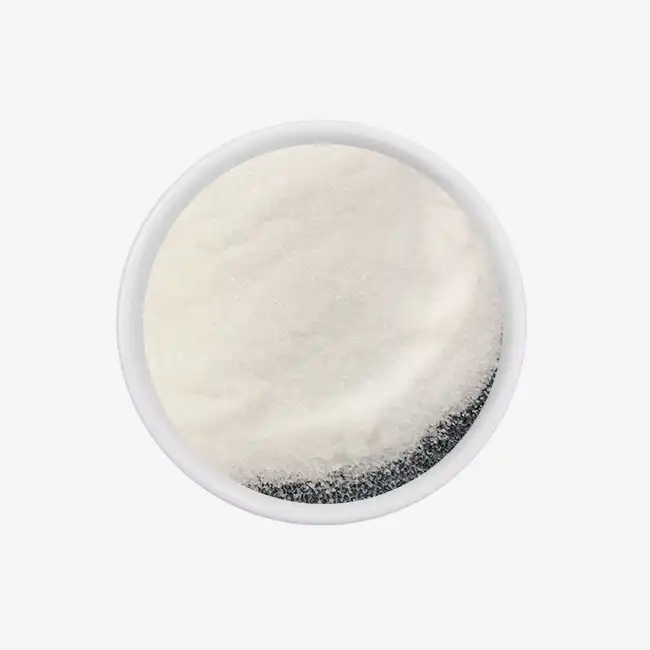
Airport runway solid potassium acetate is a high-quality aviation-grade de-icing product that meets all performance and environmental requirements set by the International Civil Aviation Organization (ICAO). This white crystalline substance (CH₀COOK, CAS 127-08-2) melts ice very quickly at temperatures as low as -60°C and doesn't corrode, which is very important for aluminum, magnesium, and cadmium parts in airplanes. This formula meets SAE AMS 1431 guidelines and meets aviation safety requirements by biodegrading, having low toxicity runoff, and being compatible with runway materials. This makes it the best option to urea-based products that are being phased out.
Understanding Solid Potassium Acetate for Airport Runways
De-icing agents for aviation activities need to be able to remove ice quickly while also protecting infrastructure. Because of how its molecules are structured and how they react to heat, potassium acetate provides this balance.
Chemical Composition and Properties
It is a simple organic salt with a molecular weight of 98.14 g/mol and the formula CH₃COOK. This chemical is a white solid granule that dissolves easily in alcohol, water, and acid. When it is put on frozen surfaces, it starts a chemical process that gives off heat and lowers the temperature at which water freezes. The bulk density of 0.8 to 0.9 g/cm³ makes sure that granules stay on airport surfaces even when jet blasts are present. This stops the spread of waste materials and pollutants into the environment. Formulations that are very pure and contain at least 99.0% potassium acetate will always work well, no matter what the weather is like.
Ice-Melting Mechanism
Unlike most chloride-based salts, which only lower freezing points, potassium acetate does more than one thing. The chemical goes through layers of ice up to 6 mm thick, making brine pockets that weaken the bonds between the ice and the ground. Chemical disruption and physical weakening are both done at the same time, which makes it easier for motorized sweepers to clear runways. Because the material is hygroscopic, it can quickly absorb water, which causes it to melt right away when it comes in touch with snow or ice. The aviation officials value this quick response time during severe weather events when planes can't wait because of their turnaround schedules.
Environmental and Safety Advantages
Environmental responsibility and business efficiency are becoming more and more important to airport managers. Potassium acetate breaks down naturally and doesn't give off harmful ammonia like some older urea-based goods did. The EPA says that runoff from treated areas doesn't pose much of a threat to the soil and water systems nearby. The formula doesn't corrode, so it saves not only aircraft parts but also ground support equipment, hydraulic systems, and the infrastructure for lighting the runway. When workers handle this material instead of caustic chloride alternatives, they don't have to worry about their safety as much, which means they don't have to buy as much protection gear and save money.
ICAO De-Icing Standards and Regulatory Requirements
International flight is governed by strict safety rules that strike a balance between the needs of operations and the needs of the environment. ICAO standards are the standard that all de-icing agents for runways are tested against.
Performance Efficiency Standards
ICAO rules say that de-icing agents must melt ice at certain speeds and in certain temperature ranges. Formulations with potassium acetate work well down to -60°C, which is much lower than the minimum standard. The testing methods find out how long it takes to break through a normal thickness of ice and what the residual friction coefficient is on surfaces that have been treated. To keep planes from skidding during landing and takeoff, good runway de-icers must keep their friction values high. The 15% solution has a pH range of 9.0 to 10.5 which makes sure that it is compatible with runway materials and has the right amount of alkalinity to break up ice.
Environmental Compliance Criteria
ICAO standards cover more than just deicing performance in the short term. They also cover long-term environmental effects. For certification, full toxicity tests must be done on aquatic animals, soil microbes, and plants. The airport runway solid potassium acetate break down naturally in living things, so they don't build up in environments. The chloride content requirement of ≤0.2% stops the infrastructural corrosion and groundwater contamination that come with regular road salts. Water-insoluble matter must stay below 0.05% so that runway surface residue doesn't build up and mess up draining systems or make it slippery during the next thaw-freeze cycle.
Operational Integration Requirements
Airports need de-icing systems that work with the tools and methods they already have. The SAE AMS 1431 rules list the particle size distribution ranges that make mechanical spreaders work best while reducing wind scatter. Because it works with pre-wetting systems, operators can mix solid granules with liquid formulas to make them stick better in high-wind situations. Storage stability standards make sure that materials stay useful for a longer time, usually two years if they are kept properly in dry, well-ventilated warehouses. When airports look at their purchasing choices, these operational factors are just as important as the de-icing system's raw performance.
Comparative Analysis: Solid Potassium Acetate vs. Other Runway De-Icers
Before making a purchase choice, you need to know how well different de-icing agents work on a number of important criteria related to aviation operations.
Temperature Range and Melting Efficiency
Traditional urea only works up to about -7°C, so it doesn't work during severe winter storms that keep planes from taking off and cause scheduling changes. Calcium chloride works better in a wider range of temperatures, but it poses serious corrosion risks to infrastructure and airplanes. Sodium acetate is good for the environment in the same ways that potassium acetate is, but it costs more and doesn't work as well at very low temperatures. Glycol-based liquid de-icers work great for keeping surfaces from freezing, but they don't have the cutting power needed to remove thick layers of ice. Potassium acetate is the best performer because it works well at a wide range of temperatures and can be used in a lot of different ways, both to stop icing and to remove ice.
Infrastructure Impact and Maintenance Costs
Corrosion is a secret cost that builds up over years of using de-icer over and over again. Chloride salts damage metal parts, concrete reinforcing, and electrical systems, which means they have to be replaced over and over again, which costs a lot of money. Iron levels below 0.05% in good potassium acetate mixtures keep airport surfaces from getting stained or damaged by oxidation. The fact that it doesn't corrode makes ground support equipment, lighting fixtures, and guidance aid installations last longer. When you look at it over a number of years, lower upkeep costs usually make up for any extra money you had to pay to buy materials in the beginning.
Supply Chain and Procurement Considerations
When cold weather threatens operations, having reliable access to de-icing materials is very important. Established companies that can make more than 150,000 tons of goods every year offer supply security that smaller companies can't match. Different operating scales can be met by a variety of flexible packaging choices, such as 25 kg woven bags for small-scale uses and 1000 kg ton bags for bulk airport storage. International certifications like ISO 9001, ISO 14001, and ISO 45001 show that a company has consistent quality control systems that lower the risk of buying something. Suppliers who offer customization services can change the formulations to fit the climate of a certain area, which is something that generic commodity products can't do.
Best Practices & Application Guidelines for Using Solid Potassium Acetate on Runways
To make de-icing work better while using less material, you need to follow set application protocols that were created by people who work in the aviation business.
Dosage Rates and Application Methods
The amount that should be applied depends on the temperature, the thickness of the ice, and how long it needs to be gone. For light frost, 50 to 100 grams per square meter may be enough, but for heavy ice, 150 to 250 grams per square meter is needed. Solid grains and liquid potassium acetate solutions are usually mixed in a 70:30 ratio during pre-wet anti-icing operations. This makes the materials stick together and stops them from bouncing and scattering during high-wind application. Regular calibration of mechanical spreaders is needed to make sure that the load is spread evenly across all runway lengths. Operators need to be aware of the hygroscopic nature of the material—it starts to absorb wetness as soon as it comes into contact with air humidity, so timing the application based on expected weather events has a big effect on how well it works.
Storage and Handling Protocols
Proper storage increases the shelf life of materials and keeps their performance qualities stable. Warehouses need to be dry, well-ventilated, and have a relative humidity below 60% to keep things from absorbing water too quickly and caking. Sealed cases keep out substances that don't mix, which is important because storage rules say that toxic materials must be kept separate. Care must be taken when transporting packages so that they don't get damaged and lose their moisture protections. To keep the integrity of the granules, loading tools should keep drop heights as low as possible during transfer operations. Temperature-controlled storage is not needed, but keeping the particles away from direct heat sources stops freezing in some places and then recrystallization, which changes the distribution of particle sizes.
Safety and Compatibility Measures
Airport runway solid potassium acetate is not as dangerous to health as chloride alternatives, but workers and tools are still safe when it is handled properly. Wearing gloves and eye protection is important for protecting your skin from getting irritated from long-term touch or accidental splashes. Before a large-scale deployment, compatibility tests should be done on certain runway surface materials. However, the neutral to slightly alkaline pH usually doesn't pose a degradation risk to asphalt or concrete. Simple sweeping and collection are all that's needed to clean up an emergency spill; you don't need to follow any complicated processes for handling hazardous materials. Spreader parts should be checked for debris buildup as part of regular equipment maintenance, but because potassium acetate is not very corrosive, equipment can be used for longer periods of time between services than with chloride-based products.
Procurement and Supplier Selection Guide for Solid Potassium Acetate
Strategic supplier partnerships determine long-term operational success beyond initial product selection. Procurement professionals must evaluate potential partners across multiple dimensions.
Quality Certifications and Product Traceability
Manufacturers holding ISO 9001 certification demonstrate documented quality management systems that ensure batch-to-batch consistency. Environmental management certification under ISO 14001 indicates commitment to sustainable production practices that align with airport environmental goals. KOSHER and HALAL certifications, while primarily relevant to food applications, demonstrate attention to process purity that translates to aviation-grade material quality. Comprehensive testing protocols should include particle size distribution analysis, corrosion sandwich testing per aviation standards, and pH verification on every production batch. Suppliers providing detailed certificates of analysis with each shipment enable airport quality assurance programs to maintain compliance documentation required by regulatory authorities.
Logistics and Supply Reliability
Winter weather creates concentrated seasonal demand that can strain supply chains. Suppliers maintaining buffer inventory ensure rapid order fulfillment when unexpected weather events deplete airport stockpiles. Production lead times of 5-7 working days for standard orders allow responsive replenishment, while emergency response capabilities including backup raw material systems prevent supply interruptions during critical periods. Partnerships with international shipping companies guarantee reliable delivery worldwide, particularly important for remote airport locations. Transparent pricing models with protection against mid-season cost fluctuations help airport financial planning, while flexible minimum order quantities accommodate varying operational scales from regional airports to major international hubs.
Technical Support and Customization Services
The relationship between supplier and airport extends beyond simple product transactions. Responsive technical support teams addressing inquiries within two hours enable real-time problem-solving during active weather events. Customization services including formulation modifications for specific climate conditions optimize performance for local operational requirements. Joint development programs allow airports with unique needs to collaborate on specialized solutions unavailable from commodity suppliers. OEM packaging options with airport branding support organizational identity while maintaining supply chain transparency. These value-added services differentiate strategic partners from transactional vendors, building relationships that support long-term operational excellence.

Conclusion
Aviation safety depends on reliable runway de-icing solutions that meet rigorous international standards while protecting infrastructure and the environment. Airport runway solid potassium acetate demonstrates full compliance with ICAO performance benchmarks through its exceptional low-temperature effectiveness, non-corrosive properties, and biodegradable composition. Comparative analysis against traditional alternatives reveals superior temperature range, reduced maintenance costs, and enhanced environmental stewardship. Strategic procurement requires evaluating suppliers on quality certifications, supply reliability, and technical support capabilities beyond product specifications alone. Airports implementing proper application protocols and storage practices maximize operational benefits while minimizing lifecycle costs, ensuring safe operations throughout winter weather challenges.
FAQ
What environmental advantages does potassium acetate offer compared to traditional de-icers?
Potassium acetate biodegrades naturally through biological processes without generating harmful ammonia emissions that characterized earlier urea-based products. The organic composition breaks down into carbon dioxide and water, leaving no persistent environmental residue. Runoff toxicity testing demonstrates minimal impact on aquatic organisms and soil microbes, meeting EPA environmental guidelines. The low chloride content specification prevents groundwater contamination and soil salinization that plagues chloride-based alternatives.
How does corrosion resistance affect long-term operational costs?
Non-corrosive formulations protect aircraft aluminum, magnesium, and cadmium components from degradation that shortens airframe service life. Ground support equipment, runway lighting systems, and navigation aids experience extended operational lifespans, reducing capital replacement cycles. Concrete runway surfaces avoid the reinforcement corrosion that leads to spalling and structural deterioration requiring expensive resurfacing. When calculated across multi-decade infrastructure lifecycles, corrosion prevention delivers substantial cost savings.
What lead times and order quantities should airports plan for procurement?
Standard production lead times range from 5-7 working days for regular orders, while manufacturers maintaining buffer inventory can fulfill urgent requests more rapidly. Minimum order quantities vary by supplier but typically accommodate both small regional airports and major international hubs. Seasonal demand planning should begin 20 days before anticipated winter operations to ensure adequate stockpile availability when weather events occur.
Partner with Zhaoyi Chemical for Premium Airport Runway De-Icing Solutions
Shanxi Zhaoyi Chemical brings over thirty years of acetate manufacturing expertise to aviation de-icing applications. Our airport runway solid potassium acetate meets SAE AMS 1431 standards with ≥99.0% purity, ensuring consistent performance in temperatures down to -60°C. ISO 9001, ISO 14001, and ISO 45001 certifications demonstrate our commitment to quality management and environmental responsibility. We maintain 150,000-ton annual production capacity with flexible packaging options and responsive technical support. Contact our team at sxzy@sxzhaoyi.com to discuss your specific operational requirements with an experienced airport runway solid potassium acetate supplier committed to aviation safety and operational excellence.
References
1. International Civil Aviation Organization (2018). Airport Services Manual - Part 2: Pavement Surface Conditions. ICAO Document 9137-AN/898.
2. Society of Automotive Engineers (2020). SAE AMS 1431E: Compound, Solid Runway and Taxiway Deicing/Anti-icing. SAE International Aerospace Standards.
3. Transportation Research Board (2016). Guidelines for the Selection of Snow and Ice Control Materials to Mitigate Environmental Impacts. National Cooperative Highway Research Program Report 577.
4. Klein-Paste, A., & Sinha, N.K. (2012). Comparison of the Ice/Pavement Friction of Potassium Acetate and Sodium Chloride. Journal of Cold Regions Engineering, 26(2), 45-62.
5. Environmental Protection Agency (2019). Environmental Assessment of Aircraft and Airfield Deicing/Anti-icing Operations. EPA Technical Report 832-R-19-001.
6. Fay, L., & Shi, X. (2017). Environmental Impacts of Chemicals for Snow and Ice Control: State of the Knowledge. Water, Air, and Soil Pollution, 223(5), 2751-2770.

USER EVALUATE
Here is the customer's evaluation of us