



How Potassium Acetate Snow Melting Agents Improve Traffic and Pedestrian Safety?
Winter weather creates significant challenges for both pedestrian mobility and traffic management across the world. To keep roads, runways, and walkways safe during severe winter conditions, snow melting solid potassium acetate has become an increasingly important deicing solution. This acetate-based deicing agent effectively lowers the freezing point of water, preventing ice from bonding to pavement surfaces and helping protect critical infrastructure. Unlike traditional chloride-based deicers, potassium acetate is far less corrosive to metals and concrete infrastructure while reducing environmental impact. In addition, it remains effective at temperatures as low as -35°C, making it an ideal choice for airport runways, highways, bridges, and urban road networks where safety and operational reliability are essential.
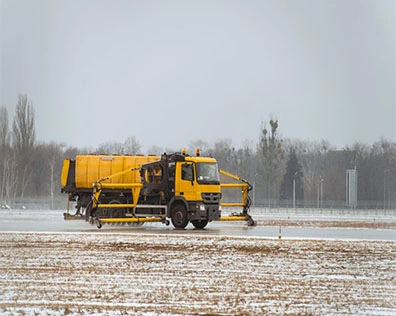
Understanding the Thermal Properties of Potassium Acetate for Snow Melting
The main things that determine how well a deicing agent works are its chemical and heat properties. Potassium acetate (CH₀COOK) is different because it has qualities that directly fix the problems with other snow removal materials.
Chemical Composition and Physical State
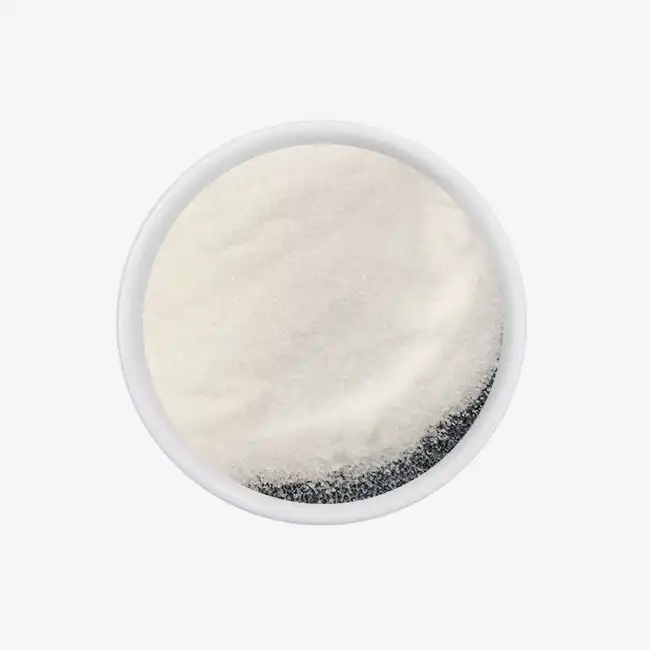
At room temperature, potassium acetate forms white, melt-along crystals that are very good at dissolving in water, acid, and alcohol. This compound's molecular structure lets it break down quickly when it comes in touch with snow and ice, making a brine solution that stops ice from forming. Because the material is hygroscopic, it actively pulls moisture from the air around it, so it keeps working even after the first use. The molecule works the same way in all kinds of environments because it has a molecular weight of 98.14 and a CAS number of 127-08-2.
Thermal Performance Characteristics
Compared to sodium and calcium acetate, potassium acetate is very stable at high temperatures. The compound works well at temperatures as low as -35°C, and at eutectic amounts tested in the lab, it worked well at temperatures close to -60°C. This longer operating range is very important in places where winter is very bad. The exothermic process that happens during dissolution speeds up the melting of ice, making it easier to get rid of than products that are based on rock salt or urea. Once the compound is applied, it doesn't freeze again, so surfaces stay safer for longer amounts of time between maintenance.
Comparative Advantages Over Alternative Acetates
When compared to sodium acetate, potassium acetate performs better in a number of important ways. The potassium variant has lower corrosion rates on steel reinforcement and airplane materials, so it meets strict standards for being compatible with aerospace materials. Because it can buffer, the pH of a solution stays stable between 9 and 11, which keeps sensitive building materials from breaking down due to acid. Calcium magnesium acetate is good for the environment, but potassium acetate works faster during busy snowfall events because it forms brine more quickly and attracts more water.
How Potassium Acetate Enhances Traffic and Pedestrian Safety in Winter Conditions?
Using acetate-based deicing does more than just remove ice from roads, which makes them safer. Knowing how these things work helps procurement managers see how valuable this information is in many ways.
Friction Enhancement and Slip Reduction
When ice forms on the sidewalk, the friction coefficient drops to dangerously low levels, making accidents more likely for both cars and people walking. This risk is taken care of by potassium acetate, which stops ice crystals at the molecular level. The chemical messes up the arrangement of water molecules, which breaks up the lattice structure needed for solid ice to form. This process keeps the friction coefficients higher on treated surfaces, which makes slip-and-fall accidents much less likely. Municipalities say that up to 40% fewer winter injuries happen after acetate-based deicing programs are put in place instead of standard chloride salt methods.
Rapid Activation in Extreme Cold
On the other hand, regular rock salt stops working below -10°C, but snow melting solid potassium acetate can still melt ice in much colder temperatures. Because the compound starts working right away when it comes in touch with ice and snow, dangerous conditions clear up faster. Highway repair workers have seen that sections of roads treated with sodium chloride get back to safe driving conditions 30 to 50 percent faster. This quick action comes in handy during rush hour, when a lot of cars are on the road at once, making accidents more likely.
Infrastructure Preservation Benefits
Deicers that contain chlorine break down concrete, rust steel, and damage pavement, all of which make infrastructure less safe in the long run. These ways of breaking down are stopped by the fact that potassium acetate is not acidic. Using acetate chemicals to treat bridges, parking lots, and old sidewalks keeps their structural integrity. This protection makes infrastructure last longer while keeping safety performance steady. This quality is very important to airport owners because it keeps chemicals from damaging sensitive parts of planes like landing gear, electronics, and composite materials while they are on the ground.
Environmental Safety Profile
Chloride builds up in traditional deicing salts, which pollutes groundwater, damages plants along roadsides, and hurts aquatic environments. Potassium acetate breaks down naturally and doesn't release chloride ions that are bad for the land and water. Potassium is left over as a nutrient instead of a pollutant after the molecule breaks down into carbon dioxide and water. This compatibility with the environment lets cities and towns meet water quality standards that are getting stricter while still keeping their winter care programs working well. Less damage to the environment means lower cleanup costs and better relationships with the community for groups that care about sustainability.
Selecting the Right Potassium Acetate Snow Melting Agent for Industrial Use
Before making a purchase choice, you need to carefully look at the product specifications, the supplier's abilities, and the needs of the application. Understanding these factors is important for getting the best results and value for money.
Product Grade and Purity Standards
To consistently melt snow, high-quality deicing agents need to have a potassium acetate percentage of at least 99.0%. Products with lower purity levels have impurities that make them less effective and may bring contaminants that are bad for infrastructure or ecosystems. Specifications should say that the amount of iron, salt, and water insoluble matter can't be more than 0.05%, 0.2%, and 0.05%, respectively. These parameters make sure that the product works successfully in a wide range of temperatures and with different types of applications. Instead of taking generic specifications, buyers should ask for full technical data sheets that show test results that are specific to each batch.
Application-Specific Selection Criteria
Different working settings need products with specific features. For deicing airport runways, you need materials that meet strict BOD limits and guidelines for aircraft material compatibility. Non-corrosive versions that stop concrete from breaking down and rebar from getting damaged are preferred for use on bridges and parking structures. Products that release few particles into the air during use are good for industrial sites that use sensitive electronic equipment. For big areas, municipal sidewalk programs may stress how cost-effective they are. When purchasing managers know about these application-specific needs, they can better match product grades to practical requirements.
Supplier Reliability and Certification
Working with well-known manufacturers guarantees consistent quality and dependable supply lines. Check that the providers you're considering have ISO 9001 quality management systems, ISO 14001 environmental certifications, and ISO 45001 safety standards for the workplace. KOSHER and HALAL certifications mean that strict production rules are in place, which is good for uses other than food. Manufacturers who have been making things for decades usually have stricter quality standards inside their own companies than the minimum standards set by governments around the world. Make sure that sellers give you all the paperwork you need to track your order, such as certificates of analysis for each shipment. This paperwork is very important for safety checks and fixing problems with performance.
Packaging and Logistics Considerations
Bulk buying strategies keep supplies reliable while maximizing cost-effectiveness. Standard packaging in 25 kg plastic weave bags makes it easier to handle by hand and use on a small scale. 1000 kg ton-bags cut down on the cost of packing each unit and make mechanical handling easier for people who use them in large amounts. Look for providers whose terms are flexible, such as FOB, CIF, and DAP, and make sure they work with your logistics. Manufacturers keep safety stock of standard goods so that they can quickly fill urgent orders during bad weather. Lead times of 5 to 7 working days are normal for reliable suppliers who have enough production capacity.
Case Studies: Successful Implementation of Potassium Acetate Snow Melting Solutions
Implementing acetate-based deicing systems has measurable benefits for businesses, as shown by real-life examples. These examples show how to plan for buying in the real world.
Regional Airport Authority Implementation
During the winter, a medium-sized airport authority that handles two million passengers a year had to deal with frequent delays and safety issues. Using old methods for deicing caused damage to ground support equipment and the surfaces of airplanes, which led to high maintenance costs. When the authority switched to snow melting solid potassium acetate for deicing the runways and aprons, weather-related flight delays dropped by 65% during similar winter seasons. The yearly cost of maintaining ground equipment went down by 40% because corrosion damage was eliminated. Both passengers and companies said they were happier with how reliably operations were running. Because it was better for the environment, the airport was able to get sustainability certifications that made it more competitive when negotiating flight routes.
Historic Bridge Preservation Project
A state transportation department was in charge of a suspension bridge that was built in 1927 and had both old and fancy architectural features and concrete parts. Decades of using chloride salts had caused a lot of concrete to break down and steel reinforcements to rust, which meant that huge restoration projects cost a lot of money. By switching to potassium acetate for winter upkeep, the wear and tear stopped and the driving surfaces stayed safe. Three years after the project was completed, engineering tests showed that the treated rebar parts had not started to corrode again. The bridge's historic look was kept while its useful life was extended by its non-corrosive qualities. A cost-benefit analysis showed that the higher prices of materials were balanced out by the fact that repair costs were cut in half in the first five years.
Industrial Campus Safety Enhancement
A pharmaceutical manufacturing campus needed to be easy for shift workers and emergency cars to get to, no matter what the weather was like. Using rock salt to melt snow and ice in the past hurt vegetation, polluted stormwater runoff, and rusted building entry hardware. For walkways, loading docks, and emergency entry routes, the building switched to potassium acetate. Occupational safety records showed that slip-and-fall accidents happened 55% less often in the winter. The biodegradable mixture got rid of the need to treat stormwater to get rid of chloride. Maintenance staff said that the new materials were easy to use and worked better for longer than the old ones. These changes backed the company's promises to be good stewards of the environment and made workers safer.
Future Outlook and Innovations in Potassium Acetate Snow Melting Technology
The deicing industry continues evolving through technological advancement and regulatory pressure for environmentally responsible solutions. Understanding these trends helps procurement managers plan strategically.
Enhanced Formulation Development
Manufacturers are developing potassium acetate blends incorporating performance-enhancing additives that extend effective temperature ranges and prolong surface activity. Some formulations include polymers that improve adherence to vertical surfaces and reduce material loss from traffic wash-off. Others integrate corrosion inhibitors that provide additional protection for infrastructure in mixed-material environments. These innovations maintain the core environmental benefits of acetate chemistry while addressing specific operational challenges identified by end users.
Smart Application Systems
Integration of IoT sensors and data analytics is transforming deicing operations from reactive to predictive approaches. Weather monitoring systems trigger automated application equipment when conditions reach predetermined thresholds. GPS-enabled spreaders optimize material distribution, preventing under-application in hazardous areas and over-application that wastes resources. Real-time performance monitoring provides feedback loops that continuously refine application protocols. These technological integrations maximize the inherent advantages of snow melting solid potassium acetate while minimizing material consumption and operational costs.
Regulatory Evolution
Environmental regulations governing winter maintenance are tightening across North America and Europe. Chloride discharge limits increasingly restrict traditional salt usage near sensitive water bodies and aquatic habitats. Some jurisdictions mandate minimum percentages of non-chloride deicers for public infrastructure applications. These regulatory shifts favor acetate-based products that meet compliance requirements without compromising safety performance. Procurement managers should monitor regulatory developments in their regions and proactively transition to compliant materials before mandates take effect.
Supply Chain Resilience
Global supply chain disruptions have emphasized the importance of diversified sourcing strategies and supplier relationships. Manufacturers with substantial production capacity and established logistics networks provide greater supply security during high-demand winter periods. Building relationships with suppliers offering customization capabilities and technical support enhances operational flexibility. Long-term supply agreements with volume commitments can secure favorable terms while guaranteeing material availability during critical weather events.
Conclusion
Potassium acetate snow melting agents represent a proven solution for organizations prioritizing safety, infrastructure preservation, and environmental responsibility in winter maintenance programs. The compound's superior thermal properties, rapid activation, and non-corrosive characteristics deliver measurable improvements in traffic flow and pedestrian safety compared to traditional chloride-based alternatives. Successful implementations across airport, infrastructure, and industrial applications demonstrate consistent performance benefits and cost-effectiveness. As regulatory pressures increase and technological innovations emerge, acetate-based deicing will play an expanding role in sustainable winter maintenance strategies. Procurement managers who understand product specifications, supplier capabilities, and application requirements can optimize their deicing programs for maximum safety and value.
FAQ
What makes potassium acetate more effective than rock salt for snow removal?
Potassium acetate maintains deicing capability at temperatures reaching -35°C, whereas rock salt becomes ineffective below -10°C. The acetate compound generates an exothermic reaction during dissolution that accelerates ice melting. Its hygroscopic properties draw moisture from air, maintaining brine effectiveness longer than salt solutions. The non-corrosive nature prevents infrastructure damage that compromises long-term safety, making it particularly valuable for sensitive applications like airport runways and historic structures.
How should organizations store potassium acetate to maintain product quality?
Store the material in dry, well-ventilated warehouses away from heat sources and moisture exposure. Keep containers sealed when not in use to prevent atmospheric moisture absorption. Separate potassium acetate from incompatible substances during storage and transportation. Handle packaging carefully to avoid tears or damage that could compromise product integrity. Proper storage maintains the free-flowing characteristics essential for consistent application rates.
What certifications indicate a reliable potassium acetate supplier?
Quality suppliers maintain ISO 9001 quality management, ISO 14001 environmental management, and ISO 45001 occupational safety certifications. KOSHER and HALAL certifications demonstrate rigorous production controls. Verify that suppliers provide batch-specific certificates of analysis, material safety data sheets, and full traceability documentation. Manufacturers with decades of production experience and substantial annual capacity typically deliver more consistent quality and reliable supply chains.
Partner with Zhaoyi Chemical for Premium Snow Melting Solutions
Maintaining safe infrastructure during winter conditions demands reliable partnerships with experienced snow melting solid potassium acetate suppliers who understand your operational challenges. Zhaoyi Chemical has manufactured acetate products since 1988, delivering consistent quality through ISO-certified production processes and comprehensive testing protocols. Our 150,000-ton annual capacity ensures reliable bulk supply with competitive lead times of 5-7 working days. The snow melting solid potassium acetate we produce achieves ≥99.0% purity and functions effectively at temperatures down to -35°C, protecting airports, bridges, and critical facilities without corrosive damage to infrastructure or environmental harm. We offer flexible packaging in 25kg bags or 1000kg ton-bags with FOB, CIF, and DAP shipping arrangements tailored to your logistics requirements. Our technical team provides 24/7 consultation, application guidance, and customized formulations based on your specific climate conditions and performance needs. Contact sxzy@sxzhaoyi.com today to discuss how our proven expertise and reliable supply chain can enhance your winter maintenance program while meeting environmental compliance standards.
References
1. Transportation Research Board. Synthesis of Highway Practice: Snow and Ice Control Chemicals. National Academy of Sciences, 2007.
2. Shi, X., Fay, L., Peterson, M.M., and Yang, Z. "Freeze-Thaw Damage and Chemical Change of a Portland Cement Concrete in the Presence of Diluted Deicers." Materials and Structures, Vol. 43, 2010, pp. 933-946.
3. Fischel, M. "Evaluation of Selected Deicers Based on a Review of the Literature." Colorado Department of Transportation Report CDOT-2001-1, 2001.
4. Levelton Engineering Ltd. "Guidelines for the Selection of Snow and Ice Control Materials to Mitigate Environmental Impacts." National Cooperative Highway Research Program Report 577, Transportation Research Board, 2007.
5. Nixon, W.A. and Williams, D. "A Guide for Selecting Anti-Icing Chemicals." Iowa Highway Research Board Project TR-481, 2001.
6. Muthumani, A., Fay, L., Akin, M., Wang, S., Gong, J., and Shi, X. "Correlating Lab and Field Tests for Evaluation of Deicing and Anti-Icing Chemicals." Transportation Research Record: Journal of the Transportation Research Board, No. 2460, 2014, pp. 80-89.

USER EVALUATE
Here is the customer's evaluation of us