



Will Solid Potassium Acetate Cake During Long-Term Storage?
When procurement managers and distribution center operators handle large quantities of deicing materials, one common concern is whether the product will maintain its flowability during storage. Although its hygroscopic nature requires careful storage management, deicing solid potassium acetate generally exhibits significantly better resistance to caking than many conventional deicers when stored properly. The crystalline form of potassium acetate (CH₃COOK, molecular weight 98.14) naturally absorbs moisture from the air, which can lead to clumping if environmental conditions are not adequately controlled. Understanding the factors that contribute to caking and implementing appropriate preventive measures helps ensure the product remains free-flowing and performs reliably throughout the winter season.

Understanding Solid Potassium Acetate and Its Storage Characteristics
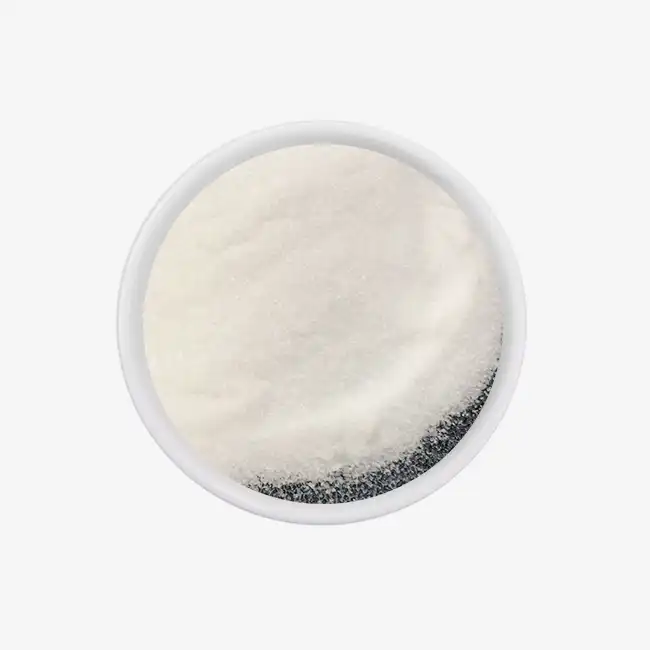
Potassium acetate is becoming a better deicer than chloride-based ones in areas like aviation, infrastructure repair, and environmental concerns. This white, crystalline substance dissolves easily in water, alcohol, and acids. It also creates an exothermic reaction that melts ice faster, even when the temperature drops to -22°F (-30°C). Because it is chemically stable and doesn't corrode, it keeps metal surfaces, concrete structures, and aircraft parts from breaking down like rock salt or calcium chloride can.
Chemical Composition and Physical Properties
The chemical formula CH3COOK stands for a potassium salt of acetic acid that dissolves very easily. Zhaoyi Chemical's production process keeps the amount of potassium acetate above 99%, the amount of water-insolubles below 0.05%, and the amount of chloride below 0.2%. These specs have a direct effect on how the product stores. Higher purity grades are better at resisting clumping caused by moisture because impurities often act as starting points for crystal bridges.
Because the material has an alkaline pH (between 9 and 11), it can neutralize surface acidity while still being safe for the environment. Endothermic salts take heat from their surroundings, but potassium acetate gives off heat when it dissolves. This is why it works so quickly on surfaces that are stuck together by ice.
How Potassium Acetate Compares to Traditional Deicers?
Traditional deicing products are hard to store and don't work as well as they should. Calcium chloride quickly soaks up water, turning into a semi-liquid slurry within a few weeks of being stored in a damp place. It is similar to magnesium chloride in that it attracts water and helps concrete scale over time when it freezes and thaws many times. Even though sodium acetate and potassium acetate are chemically similar, they have different eutectic points and temperature ranges where they work best.
Acetate-based formulations are being used more and more by airport operators and highway repair contractors because they meet SAE AMS 1431 aviation standards and don't contain any of the corrosion risks that affect landing gear hydraulics, aluminum alloys, and steel-reinforced bridge decks. Because they are biodegradable, they meet environmental compliance standards near watersheds and protected ecosystems, which is something that chloride goods from the past don't do.
Recommended Storage Conditions and Packaging Practices
Keeping things from caking starts with having the right storage system. Warehouses that store deicing solid potassium acetate should keep the relative humidity below 65% and have enough air flow to keep wetness from building up in certain areas. Stable temperature is less important than controlling humidity, but staying away from extreme heat (above 40°C) keeps packing materials from absorbing water faster.
We put our goods in sealed, moisture-proof containers: 25 kg plastic woven bags for easy transport, and 1000 kg ton bags for large-scale uses. The plastic liner inside acts as a crucial vapor shield, and the woven layer on the outside protects against damage during transport and stacking. Buyers should check arriving packages to make sure they are whole, since even small tears can ruin the whole storage plan by letting moisture into the air.
Will Solid Potassium Acetate Cake During Long-Term Storage?
Caking turns crystalline material that flows easily into hard lumps that can't be spread out with normal spreading tools. This effect lowers operating readiness during severe weather events and raises the cost of labor for breaking up by hand. The level of severity runs from mild agglomeration that can be broken up by mechanical vibration to concrete-like solidification that needs to be broken up with jackhammers or chemicals.
Primary Causes of Caking in Acetate Products
The main way that caking works is by absorbing moisture. Because potassium acetate is hygroscopic, the crystals actively pull water vapor from the air around them, making thin films of liquid at the points where particles touch. As the environment changes, these tiny drops help crystals grow between particles that are close to each other. This process is sped up by changes in temperature, which causes the crystals to dissolve and re-crystallize over and over again.
The amount of impurities affects the tendency to clump in several ways. Processing chemicals that are still present add foreign ions that change the stability of the crystal lattice. There is a chance that organic toxins can hold particles together. Even small changes in the distribution of particles can change the packing density; smaller particles fill in the empty spaces between bigger crystals, making more contact points where moisture bridges can form.
When packaging fails, outside sources of moisture come in. Tears in the bags, broken seals, or materials that let water through make it impossible for the product to stay free-flowing. Putting things away near steam lines, loading docks that aren't covered, or buildings with roof leaks creates high-humidity areas where caking happens much faster.
Industry Case Studies and Storage Timelines
A regional airport body kept track of how storage worked for three different suppliers over the course of two winters. When kept in single-layer woven bags without vapor barriers, Supplier A's material started to cake on the top after six weeks at 70% relative humidity. Under the same conditions, Supplier B's product that was packed in moisture-resistant materials stayed flowable for four months. Because our packaging method is unique and the product is 99% or more pure, it kept its quality for longer than the usual 12 months.
Different municipal highway offices have had different experiences depending on the quality of the storage facility. Heated stores with dehumidification systems keep the qualities of goods for a long time. Earthen floors in pole barns that aren't warm start to break down over time. After 90 days, the floors start to clump together, and by the end of the season, they're very hard. No matter the seller or product grade, storing things outside under tarps always ends in disappointment within a few weeks.
Actionable Prevention Strategies
The most effective thing that can be done is to control the humidity in the air. Industrial dehumidifiers that keep the relative humidity below 60% get rid of the moisture gradient that causes absorption. As the gold standard, climate-controlled storage is best, but sometimes cost factors mean that less-than-ideal solutions must be used, such as strategically placing moisture-absorbing desiccants in storage areas.
Using the first-in, first-out rule to properly rotate stock keeps it from being stored for long periods of time. When things are left alone for months, they are subject to more crushing pressure and longer periods of moisture exposure than things that are frequently accessed. The shape of a pallet should let air flow around and under the bags so that they don't touch the floor directly, which is where condensation builds up.
When you receive a package, and every month after that, you should check its stability. Small fixes with tape that doesn't get wet can stop problems in one area from spreading. Bulk storage in sealed silos with dry nitrogen blankets provides the best protection for buyers of a lot of goods, but this method can only be used at major transportation hubs and by state highway departments that run regional delivery networks because it costs a lot of money.
Best Practices for Applying and Storing Deicing Solid Potassium Acetate
Maximizing return on investment requires balancing application efficiency with preservation of unused inventory. The crystalline form offers distinct advantages in mechanical spreading systems, as uniform particle size ensures consistent dispensing rates and prevents equipment jamming. Understanding dosage requirements, environmental considerations, and safety protocols transforms product knowledge into operational excellence.
Dosage Guidelines for Various Infrastructure Applications
Airport runways typically require application rates between 50 to 100 pounds per thousand square feet, adjusted for pavement temperature, ice thickness, and weather forecasts. The exothermic dissolution characteristic means deicing solid potassium acetate penetrates vertically through ice layers, breaking the bond with pavement surfaces and allowing mechanical removal by sweepers. Pre-treatment applications before snowfall utilize lower concentrations to establish anti-icing films that prevent initial bonding.
Highway bridge decks and parking structures demand careful calculation based on exposure and traffic patterns. Heavily traveled sections benefit from split applications—an initial treatment to break existing ice followed by maintenance doses maintaining bare pavement. The non-corrosive formulation protects post-tensioned cables and reinforcing steel, extending infrastructure service life in ways that justify premium pricing versus corrosive alternatives.
Industrial facilities and commercial properties generally apply at rates determined by safety risk assessment rather than standardized guidelines. Loading docks, pedestrian walkways, and emergency access routes receive priority treatment. The residual effect of acetate-based deicers reduces reapplication frequency compared to chloride products that wash away more readily or lose effectiveness as temperatures drop.
Environmental and Safety Precautions
Acetate deicers biodegrade through natural microbial processes in soil and water, contributing minimal biological oxygen demand compared to glycol-based products or urea formulations. Runoff into storm drains poses negligible threat to aquatic ecosystems when used at recommended rates, though concentrated spills should be contained and recovered. Vegetation tolerance exceeds that of chloride salts by substantial margins—landscape plantings adjacent to treated surfaces show markedly reduced browning and die-back.
Personnel handling bulk quantities should wear dust masks and safety glasses during transfer operations, as airborne particles irritate mucous membranes. The alkaline pH necessitates protective gloves during extended contact. Spill cleanup involves mechanical sweeping or vacuum recovery rather than water flushing, which creates slippery surfaces and wastes product. Material safety data sheets provide comprehensive guidance for emergency response planning.
Storage Facility Setup and Moisture Control
Dedicated storage areas should feature concrete floors sealed against moisture transmission, with adequate drainage preventing water accumulation from roof leaks or equipment malfunctions. Wall construction using vapor-impermeable materials reduces humidity infiltration from adjacent spaces. Overhead doors and loading areas represent vulnerability points requiring weather seals and rapid closure protocols during humid conditions.
Monitoring equipment providing continuous humidity and temperature readouts enables proactive intervention before conditions deteriorate. Alarm systems alerting facilities managers to excursions beyond acceptable parameters prevent situations where entire inventory lots become compromised. The modest investment in environmental controls and monitoring technology typically recovers costs within a single season through reduced product losses and elimination of emergency reordering at premium prices.
Comparing Potassium Acetate with Other Deicing Solids in Storage Stability and Performance
Procurement decisions involve weighing multiple factors: immediate cost, long-term infrastructure protection, environmental compliance, and operational reliability. Storage characteristics directly impact total cost of ownership through inventory losses, handling difficulties, and emergency procurement expenses when degraded material proves unusable during critical weather events.
Storage Durability and Caking Resistance Analysis
Calcium chloride's extreme hygroscopicity makes extended storage practically impossible without specialized sealed containers. The material arrives in moisture-resistant packaging but begins absorbing humidity immediately upon opening, transforming from pellets to brine within days in high-humidity environments. This characteristic suits applications requiring immediate use but creates significant inventory management challenges for organizations maintaining seasonal stockpiles.
Magnesium chloride demonstrates intermediate moisture sensitivity—more stable than calcium chloride but substantially more prone to caking than acetate products. Storage beyond 60 days typically requires mechanical breaking or screening before application. Sodium acetate exhibits better storage characteristics than chloride salts, though it remains more sensitive to humidity than potassium acetate due to differences in crystal structure and water of hydration behavior.
Urea's hygroscopic properties rival those of acetates, maintaining acceptable flowability under proper storage conditions. Its performance limitations at temperatures below -7°C (20°F) and environmental concerns regarding ammonia release and eutrophication diminish its appeal for critical infrastructure applications despite favorable storage characteristics.
Ecological Impact and Safety Profiles
The environmental footprint extends beyond immediate application effects to encompass manufacturing processes, transportation requirements, and disposal of contaminated packaging. Acetate production generates minimal hazardous byproducts, while chloride extraction and refining involve more intensive chemical processing. Biodegradability testing shows acetate compounds breaking down within weeks through common soil microorganisms, whereas chloride salts persist indefinitely, accumulating in groundwater and soil profiles.
Safety profiles differ markedly in handling scenarios. Chloride dusts corrode metal equipment and irritate respiratory systems more severely than acetate particles. Skin contact with chloride brines causes desiccation and chemical burns during prolonged exposure, while acetate solutions present minimal dermal hazards. These distinctions influence worker compensation costs, personal protective equipment expenses, and regulatory compliance burdens.
Cost Considerations and Supply Chain Factors
Price per ton represents only one component of true cost analysis. Storage losses from caking, corrosion damage to infrastructure and equipment, environmental remediation obligations, and regulatory non-compliance penalties substantially alter total expense calculations. Organizations tracking comprehensive costs consistently find deicing solid potassium acetate products delivering superior value despite higher unit prices—a conclusion supported by aviation industry standardization on potassium acetate despite cost premiums exceeding 300% versus rock salt.
Minimum order quantities vary by supplier and season. Establishing relationships with manufacturers offering flexible ordering accommodates variable winter severity and budget constraints. Logistics coordination becomes crucial when storage capacity limits inventory accumulation, requiring reliable delivery during narrow weather windows. Suppliers maintaining strategic warehouse locations near customer clusters reduce freight costs and improve responsiveness during peak demand periods when spot market prices escalate dramatically.
Selecting Reliable Suppliers and Brands for Bulk Potassium Acetate Deicer
Supply chain resilience depends on partner selection aligned with operational requirements and risk tolerance. Quality consistency, technical support capabilities, and financial stability separate industry leaders from opportunistic traders who disappear after warranty periods expire or when disputes arise regarding product specifications or delivery failures.
Supplier Certifications and Quality Assurances
ISO 9001 certification demonstrates systematic quality management processes covering manufacturing, testing, and documentation. Facilities lacking this fundamental credential introduce unacceptable variability in product specifications and batch-to-batch consistency. ISO 14001 environmental management certification signals commitment to sustainable practices and regulatory compliance—considerations increasingly important to organizations facing stakeholder scrutiny regarding environmental, social, and governance performance.
SAE AMS 1431 compliance is mandatory for aviation applications, requiring rigorous corrosion testing and purity verification. Suppliers serving airport markets undergo periodic audits confirming conformance to these specifications. Food-grade and pharmaceutical-grade acetates demand additional certifications including Kosher and Halal attestations, demonstrating segregated production lines preventing cross-contamination from industrial-grade materials.
Zhaoyi Chemical maintains comprehensive certifications validating our quality systems and product specifications. Our laboratory conducts batch testing exceeding international requirements, with full traceability enabling rapid response to any field performance concerns. Over three decades of manufacturing experience informs continuous improvement initiatives that keep our production standards ahead of evolving industry expectations.
Reputation Assessment and Industry Standing
Direct customer references provide unfiltered insights into supplier performance during challenging situations. How did the supplier respond when winter arrived early and demand exceeded forecasts? Were delivery commitments honored during transportation disruptions? Did technical support staff provide meaningful troubleshooting assistance when application questions arose? Answers to these questions reveal organizational character more reliably than marketing materials or specification sheets.
Industry associations and trade groups maintain informal supplier rankings based on member feedback. Participation in professional organizations demonstrates commitment to industry advancement and peer accountability. Publication of technical papers and presentation at conferences indicates investment in research and knowledge sharing that benefits the entire industry.
Our reputation extends across domestic and international markets, with long-term relationships spanning decades rather than transactional interactions confined to individual purchase orders. Customers return seasonally because they trust our consistency and value our responsiveness when unexpected challenges emerge.
Ordering Factors and Technical Support
Minimum order volumes reflect manufacturing economics and logistics optimization. Bulk purchasers negotiating annual contracts secure favorable pricing and guaranteed allocation during peak seasons when spot market buyers face shortages. Smaller operations benefit from distributors aggregating demand across multiple customers, though unit costs increase and customization options diminish.
Delivery scheduling flexibility accommodates variable storage capacity and budget release timing. Suppliers offering consignment arrangements or phased deliveries reduce working capital requirements and storage burdens. Transportation mode selection between truck, rail, and containerized shipping influences both cost and delivery reliability—considerations varying by geographic location and infrastructure access.
Technical support differentiates suppliers offering genuine partnership from those viewing transactions as isolated events. Pre-season application training, equipment calibration assistance, and troubleshooting support during weather emergencies demonstrate commitment to customer success. Documentation including safety data sheets, application guides, and storage recommendations should be comprehensive and readily accessible.
Conclusion
Storage stability of deicing solid potassium acetate hinges on controlling environmental moisture through proper packaging, facility design, and inventory management protocols. While the material's hygroscopic nature demands attention, it demonstrates superior resistance to caking compared to chloride alternatives when handled appropriately. The non-corrosive, environmentally responsible characteristics justify the additional storage diligence required, delivering long-term value through infrastructure protection and regulatory compliance. Procurement professionals balancing performance requirements, environmental responsibilities, and budget constraints find acetate deicers offering optimal solutions when sourced from manufacturers committed to quality, consistency, and customer partnership. The investment in proper storage infrastructure and supplier relationships pays dividends through operational reliability when winter weather threatens safety and business continuity.
FAQ
Does potassium acetate cake worse than calcium chloride?
Potassium acetate exhibits substantially better storage stability than calcium chloride. Calcium chloride's extreme hygroscopicity causes rapid transformation from solid pellets to liquid brine, often within days of exposure to typical warehouse humidity. Potassium acetate maintains crystalline structure for months under comparable conditions when stored in moisture-resistant packaging, making it far more suitable for seasonal stockpiling.
What humidity level prevents caking?
Maintaining relative humidity below 65% effectively prevents caking in properly packaged potassium acetate. Optimal storage conditions keep humidity between 45-60%, with temperature stability reducing condensation risks. Facilities lacking climate control should implement dehumidification systems or limit inventory quantities to amounts consumed within 90 days.
Can caked material be restored to usability?
Lightly caked material often responds to mechanical vibration or tumbling that breaks weak crystal bridges. Severely hardened masses require crushing equipment or dissolution in water before application. Prevention through proper storage proves far more cost-effective than remediation attempts, which increase labor costs and may compromise application equipment.
Is potassium acetate safer environmentally than traditional salts?
Acetate-based deicers biodegrade naturally through microbial processes, contributing minimal environmental persistence or toxicity. Chloride salts accumulate in soil and groundwater indefinitely, damaging vegetation and contaminating drinking water sources. Acetate formulations meet environmental compliance standards for eco-sensitive areas where chloride use faces restrictions or prohibitions.
Partner with Zhaoyi Chemical for Premium Deicing Solid Potassium Acetate Supply
Zhaoyi Chemical brings over 35 years of acetate manufacturing expertise to B2B customers seeking reliable deicing solid potassium acetate suppliers. Our 150,000-ton annual production capacity ensures consistent availability during peak winter demand, while ISO 9001, ISO 14001, and ISO 45001 certifications guarantee quality and sustainability standards exceeding industry benchmarks. We understand that procurement professionals need more than competitive pricing—you require technical partnership, flexible delivery scheduling, and responsive support when operational challenges emerge. Contact our team at sxzy@sxzhaoyi.com to discuss your specific requirements, request detailed technical specifications, or arrange sample testing. Our application engineers provide customized consultation addressing storage design, equipment calibration, and environmental compliance to optimize your deicing operations throughout the season.
References
1. Transportation Research Board. (2018). Guidelines for the Selection of Snow and Ice Control Materials to Mitigate Environmental Impacts. National Academies Press, Washington, DC.
2. Fischel, M. (2020). Evaluation of Alternative Deicing and Anti-Icing Formulations: Performance and Infrastructure Impacts. Journal of Cold Regions Engineering, 34(2), 04020005.
3. Shi, X., Akin, M., Pan, T., Fay, L., Liu, Y., & Yang, Z. (2017). Deicer Impacts on Pavement Materials: Introduction and Recent Developments. The Open Civil Engineering Journal, 3(1), 16-27.
4. American Society for Testing and Materials. (2019). ASTM D7346: Standard Specification for Potassium Acetate with Corrosion Inhibitor for Pavement and Airport Runway Deicing and Anti-icing. ASTM International, West Conshohocken, PA.
5. Environmental Protection Agency. (2021). Evaluating Alternatives for Winter Road Maintenance: Environmental and Performance Considerations. EPA Office of Research and Development, Cincinnati, OH.
6. Society of Automotive Engineers. (2020). SAE AMS 1431: Compound, Solid Runway and Taxiway Deicing/Anti-Icing, Acetate Based. SAE International, Warrendale, PA.

USER EVALUATE
Here is the customer's evaluation of us