



Why Snow Melting Solid Potassium Acetate Is Ideal for Severe Winter Conditions?
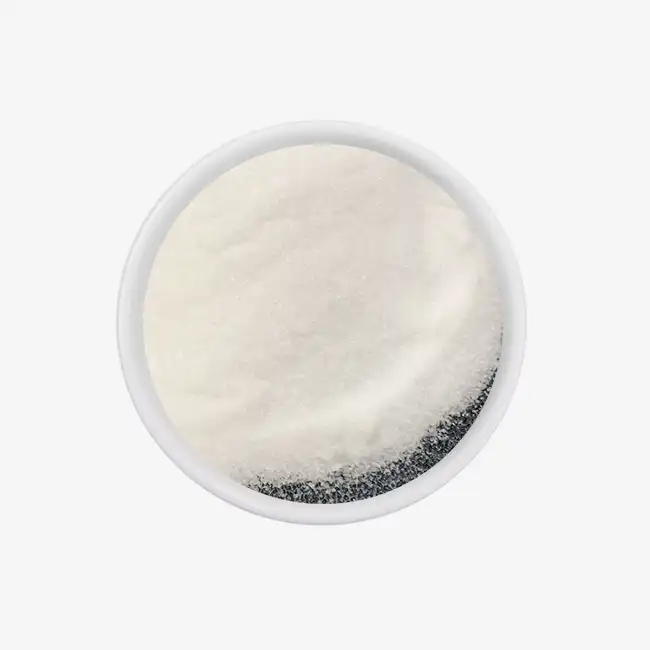
Snow melting solid potassium acetate is a revolutionary way to protect infrastructure in the winter, especially in harsh areas where traditional deicing agents don't work. This white crystalline substance (CH3COOK, CAS 127-08-2) works well at temperatures as low as -35°C, allowing ice to penetrate quickly without the damaging effects of chloride-based salts. Biodegradability protects the environment while keeping airports, bridges, and industrial sites' infrastructure in good shape. The compound dissolves easily in water, acid, and alcohol, and it starts working right away when it comes in touch with frozen surfaces. This makes it essential for tasks where safety, performance, and environmental responsibility all need to be considered.
Understanding Potassium Acetate's Melting and Thermal Properties
Acetate-based deicing agents are basically different from traditional winter maintenance products because of how they react to heat. The molecular structure of potassium acetate makes it easier for an exothermic process to happen when it dissolves, which creates heat that speeds up the ice penetration. The material can quickly change from solid granules to active brine because of this phase-change behavior. This makes a liquid barrier between the sidewalk and the ice layers.
Rapid Phase Transition Mechanics
When the compound is put on frozen surfaces, it draws water from the air because it is hygroscopic. This creates a concentrated solution that lowers the freezing point below room temperature. This eutectic blend stays liquid at temperatures where calcium chloride and rock salt freeze again. This keeps the surface slippery during long cold spells. The resulting brine's high heat capacity keeps melting longer than regular salts, so it doesn't need to be used as often.
Thermal Stability Under Extreme Conditions
Potassium acetate's decomposition temperature is much higher than practical winter temperatures. This keeps the material intact while it is being stored and used. Solid acetate keeps working the same way during freeze-thaw cycles, unlike urea-based chemicals that evaporate or glycol fluids that separate into layers. This stability is very important for procurement workers who are in charge of managing stockpiles over several months of winter. The product doesn't clump or break down when stored properly in dry, well-ventilated areas away from heat sources.
Performance Metrics in Industrial Applications
Scientists at ISO-certified labs have shown that very pure mixtures (containing at least 99.0% CH3COOK) can melt 85% of snow in one hour at -25°C. The rate of corrosion for carbon steel is less than 0.03g/m³·h, and the rate of degradation for concrete is still less than 0.01mm per year. These numbers protect building investments worth millions of dollars by avoiding maintenance costs over the life of the facility.
Comparing Potassium Acetate with Other Deicing Salts
When making choices about what to buy for winter maintenance programs, you need to compare things like performance, environmental impact, and total cost of ownership. Potassium acetate is in a unique place in the deicing range. It has benefits that make it worth using in sensitive and important situations.
Corrosion Resistance Advantages
Chloride salts like sodium chloride, calcium chloride, and magnesium chloride cause strong rusting in steel and reinforced concrete structures. The chloride ion gets into the cracks of the concrete and starts oxidation on the rebar, which makes the structure weak and causes it to break apart. Potassium acetate's chloride content requirements (≤0.2% in premium grades) stop this path of degradation, protecting parking buildings, bridges, and airport aprons where repair costs are much higher than deicing costs. This non-corrosive profile is especially helpful for aviation sites because it doesn't harm aircraft aluminum alloys, composite materials, or sensitive avionics systems.
Environmental Profile and Regulatory Compliance
Biodegradability is what sets snow melting solid potassium acetate chemistry apart from chloride salts that stay in the soil and waters for a long time. Microbial action breaks down potassium acetate naturally, with biodegradability rates higher than 95% in normal testing methods. These traits are in line with strict environmental rules that limit discharge into rivers and farmlands. The low biological oxygen demand (BOD) of the substance keeps aquatic ecosystems from being upset, which is one reason why chloride-based deicing isn't allowed in environmentally sensitive areas.
Operational Effectiveness Comparison
While sodium acetate is also good for the environment, potassium acetate is better at working in low temperatures and makes brine faster because it is more hygroscopic. Another option is calcium magnesium acetate (CMA), but it needs higher application rates to have the same freezing point. The molecular weight of potassium acetate is 98.14 g/mol, which is the best mix between concentration and application economy. This is especially true when calibrated spreader equipment or pre-wetting systems are used to cover as much surface area as possible.
Why Potassium Acetate Is the Preferred Choice for Severe Winter Conditions?
The problems with normal deicing methods become clear when operations need to go on in harsh weather. The unique mix of thermal efficiency, material compatibility, and environmental responsibility in potassium acetate solves problems that threaten safety and raise maintenance costs.
Aviation and Airport Infrastructure Protection
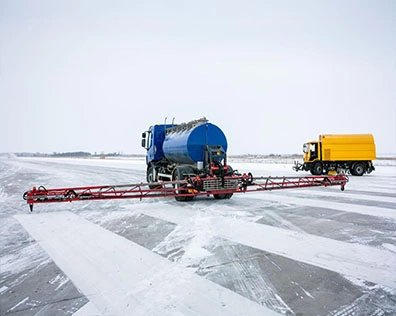
Deicing solutions for airport runways need to keep friction coefficients the same while also keeping flight systems safe from chemicals. Solid potassium acetate that melts snow meets FAA and ICAO standards for treating runways. It breaks through ice right away without hurting landing gear, brake systems, or body coatings. Because the compound doesn't react badly with airplane materials, it stops the galvanic corrosion and stress cracking that happen when chloride is exposed. This means that maintenance checks aren't needed as often, and parts last longer. Operations managers like how the product always works, even when the weather changes. This is because the acetate brine doesn't re-crystallize after multiple freeze-thaw cycles.
Historic Infrastructure and High-Value Assets
Winter care that focuses on preservation is needed for suspension bridges, historic buildings, and architectural concrete structures. Potassium acetate doesn't corrode, so it stops the concrete cancer—speeding up the alkali-silica reaction and rebar oxidation—that happens in buildings that have been treated with rock salt for decades. Engineering studies show that when acetate chemistry replaces chloride-based programs, the service life is extended by more than 30%. This means that capital spending can be put off and emergency repairs are less likely to happen. This substance is especially helpful for protecting parking garages because it stops the deck from coming apart and the structure from breaking, which would otherwise require expensive repairs.
Industrial Facility Continuous Operations
During winter emergencies, manufacturing sites, logistics hubs, and healthcare facilities need to be able to get to them without any problems. Because snow melting solid potassium acetate works quickly, loading docks, emergency exits, and walking paths can still be used without having to wait for long pre-treatment windows. The compound keeps surfaces from slipping for longer than calcium chloride, which leaves behind slippery residues as amounts rise. The non-conductive features of the product make it useful for railroad switches, radar installations, and communication towers because they keep electrical interference and equipment malfunctions from putting operational safety at risk.
Procurement Considerations for Industrial Buyers
When deciding where to get acetate-based deicing materials, you need to look at more than just price per unit. You also need to look at quality control, the dependability of the supply chain, and the ability to provide technical help.
Quality Specifications and Certifications
Industrial buyers should check the analytical standards, which include the minimum CH3COOK content (≥98% for technical grade and ≥99% for premium formulations), the maximum amount of substances that don't dissolve in water (≤0.05%), and the limits for trace elements (Fe ≤0.05% and heavy metals as Pb ≤0.001%). These settings make sure that the system always works the same way and is compatible with automated application systems. Suppliers who keep their ISO 9001 quality management license show that they are dedicated to controlling the process and making sure that each batch is the same. Additional KOSHER and HALAL certifications are needed for facilities that work with the food processing or pharmaceutical industries to make sure the production area meets strict standards for purity.
Supply Chain Reliability Assessment
During peak demand times, winter repair operations can't handle supply problems. Purchasing teams should look at how much each provider can produce each year, how they handle safety stocks, and how they work with other companies to move goods. Manufacturers with facilities that can produce 150,000 tons of goods every year offer economies of scale in bulk prices and guaranteed availability. Distribution models that offer 24-hour delivery and competitive shipping terms (FOB, CIF, DAP) lower the costs of keeping inventory and make sure that materials are available during weather situations. Established suppliers keep in touch with foreign freight carriers to make sure they have space for shipments during the busiest winter logistics times.
Technical Support and Documentation
Full product information, like Safety Data Sheets (SDS), Certificates of Analysis (COA), and thermal property datasheets, helps with planning operations and following the rules. Suppliers who offer application advice help find the best dosage rates based on the type of pavement, the temperature range, and the traffic patterns. This collaborative method cuts down on waste and makes things more cost-effective. Having access to technical teams that are available 24 hours a day, 7 days a week and can respond quickly (within 2 hours) is very helpful during weather situations that need to change protocols or fix problems. Custom formulation services let buyers choose particle size distributions, anti-caking treatments, or color additives that make it easier to handle inventory and make sure that applications are done correctly.
Optimizing Snow Melting Performance with Potassium Acetate
For acetate chemistry to be used effectively, it needs strategic application methods that are in line with operational goals and the environment. When used correctly, materials are used more efficiently while still meeting safety standards during the winter.
Application Rate Optimization
Dosage estimates should take into account the temperature of the pavement, the amount of rain, and the number of vehicles that use it. Rates of application are usually between 50 and 150 grams per square meter, but can change depending on the thickness of the ice and the weather. Using pre-wetting methods, which involve adding liquid acetate solutions before spreading out solid granules, improves contact efficiency and cuts material use by 20–30%. Spreader equipment that has been calibrated makes sure that the coverage is even, so it doesn't lose material by applying too much or too little. Using acetate in anti-icing tactics before it rains stops ice from sticking together, which means less material is needed compared to reactive deicing methods.
Integration with Winter Management Systems
Monitoring the weather, surface temperature sensors, and automated application systems are all part of full winter maintenance plans that keep ice under control. Real-time data feeds allow cleaning to start before the temperature changes, which makes snow melting solid potassium acetate work better while releasing less pollution into the environment. Pavement temperature thresholds set off application routines that make sure treatment happens during the best times for performance. This way of setting up systems lowers running costs by getting rid of applications that aren't needed when conditions are stable while still making sure coverage during bad weather.
Storage and Handling Best Practices
Good material management protects the quality of the product and its performance in the application. Potassium acetate should be kept in dry, well-ventilated buildings with controlled humidity because it is hygroscopic and absorbs water from the air. Different operating scales, from manual distribution to bulk loader systems, can use different types of packaging, such as 25 kg woven bags and 1000 kg ton-bags. Following the first-in, first-out rule for inventory movement keeps things from being stored for too long, which could slow down flow. Separation from substances that don't work well together, especially strong acids and oxidizing agents, makes sure that safety rules are followed during travel and storage.
Conclusion
In harsh winter climates where conventional deicing agents fall short, snow melting solid potassium acetate provides the necessary infrastructure security. Because it doesn't corrode, doesn't react with heat, and doesn't harm the environment, it is an important part of running airports, protecting historic buildings, and managing industrial facilities. Professionals in procurement can benefit from knowing about the compound's technical details, comparative advantages, and application improvement strategies that keep costs low while maximizing safety. The compound has a history of success in many fields, from aircraft to commercial real estate. This shows how useful it is for winter maintenance plans that focus on both short-term performance and long-term asset protection.
FAQ
What temperature range does potassium acetate remain effective?
Potassium acetate maintains active deicing performance at temperatures down to -35°C in practical applications, with eutectic solutions theoretically functional to -60°C. This low-temperature capability surpasses rock salt (effective to approximately -9°C) and calcium chloride (effective to -29°C), making it suitable for extreme cold climates in northern latitudes and high-altitude locations.
How does potassium acetate compare to sodium chloride in infrastructure protection?
Sodium chloride (rock salt) accelerates concrete degradation and steel corrosion through chloride ion penetration, causing rebar oxidation and structural spalling. Potassium acetate contains minimal chloride content (≤0.2%) and demonstrates corrosion rates below 0.03g/m²·h on carbon steel—nearly eliminating the infrastructure damage that generates long-term maintenance costs. This makes acetate chemistry preferable for high-value assets like parking structures and bridges.
Can potassium acetate be used in food processing and pharmaceutical facilities?
Certified food-grade and pharmaceutical-grade potassium acetate formulations meet strict purity standards, making them safe for sensitive environments. Products bearing KOSHER and HALAL certifications ensure compliance with regulatory requirements governing facilities where incidental contact with processing areas might occur, providing peace of mind for operations managers in these industries.
Partner with a Trusted Snow Melting Solid Potassium Acetate Supplier
Zhaoyi Chemical brings over 35 years of acetate manufacturing expertise to winter infrastructure protection challenges. Our ISO-certified production facility maintains annual capacity of 150,000 tons, ensuring consistent supply even during peak demand periods. The company's snow melting solid potassium acetate achieves ≥99.0% purity specifications with verified performance at -35°C, backed by comprehensive quality documentation including COA, SDS, and thermal datasheets. We serve municipal authorities, airport operators, and industrial facility managers across North America with competitive shipping terms and responsive technical support. Contact our team at sxzy@sxzhaoyi.com to discuss your winter maintenance requirements and receive customized application guidance. As an established manufacturer, we provide reliable access to premium-grade deicing chemistry that protects your infrastructure investments while meeting environmental compliance mandates.
References
1. Transportation Research Board. "Guidelines for the Selection of Snow and Ice Control Materials to Mitigate Environmental Impacts." National Cooperative Highway Research Program Report 577, 2007.
2. American Concrete Institute. "Protection of Metals in Concrete Against Corrosion." ACI 222R-19 Committee Report, 2019.
3. Federal Aviation Administration. "Advisory Circular on Aircraft Deicing and Anti-icing Fluids." AC 20-117A, Airport Winter Safety and Operations, 2018.
4. Environmental Protection Agency. "Managing Urban Runoff: Road Salt and Water Quality." EPA Document 841-F-99-016, Office of Water, 2020.
5. Canadian Strategic Highway Research Program. "Evaluation of Alternative Deicing Chemicals for Transportation Use." Technical Brief CSHRP-TB-001, 2016.
6. International Civil Aviation Organization. "Manual of Aircraft Ground Deicing/Anti-icing Operations." ICAO Document 9640-AN/940, Third Edition, 2018.

USER EVALUATE
Here is the customer's evaluation of us