



How Solid Potassium Acetate Maintains Runway Friction After Ice Melting
Airport runway solid potassium acetate keeps the grinding on the runway indeed after the ice softens. It does this through a interesting chemical handle that makes the surface unpleasant whereas ceasing it from solidifying once more. Instep of taking off a dangerous film like chloride-based deicers do, this aviation-grade substance makes an exothermic response when it breaks down, which makes the pavement's surface minutely harsh whereas retaining dampness from the discuss to keep a steady, high-friction coefficient. Potassium acetate's hygroscopic property oversees dampness over time, ceasing the arrangement of unsafe coats and keeping landing zones secure long after the starting ice evacuation is done.
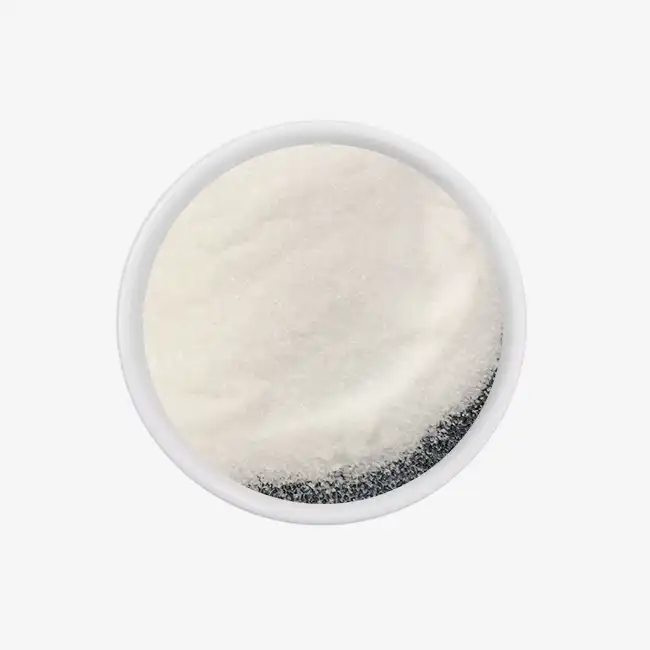
Understanding Solid Potassium Acetate and Its Role in Runway Deicing
For aviation safety, melting ice isn't enough. Keeping the friction on the runway constant is still the most important thing that decides whether planes can land and take off safely in the winter. Here, deicing chemicals that are made just for this job make all the difference.
Chemical Composition and Physical Properties
Potassium acetate (CH₃COOK) is a big step forward in flight deicing technology. It fixes problems that older methods had. The molecular weight of the white crystalline substance is 98.14 g/mol, and it dissolves very easily in water, acid, and alcohol. Looking at the technical details, high-purity formulations have impurities that are tightly controlled. For example, chloride levels must stay below 0.2%, iron must be below 0.05%, and water-insoluble matter must be limited to 0.05%. This level of purity is important because even small amounts of impurities can cause sensitive aluminum, magnesium, and cadmium alloy airplane parts to rust.
The granular solid's mass density of 0.8 to 0.9 g/cm³ is a big plus because it keeps wind from spreading it while it's being used, even in jet blast conditions. The 15% solution has a pH range of 9.0 to 10.5 which means it won't hurt runway materials or ground support equipment when it's used.
Ice Melting Mechanism and Temperature Performance
As soon as the potassium acetate crystals touch the ice, the deicing process starts. The chemical starts an exothermic dissolution reaction, which gives off heat energy that greatly speeds up the melting process. At the same time, the material's hygroscopicity pulls water from the air, making a concentrated brine solution that can reach layers of ice up to 6 mm deep.
What makes this flight deicer stand out is that it works at temperatures as low as -60°C (-76°F). Normal deicing substances quickly lose their usefulness as temperatures drop. For example, urea is almost useless below -7°C, and sodium chloride stops working around -18°C. This longer operating window makes sure that the runways are safe even when the weather is very cold, like it is in the Arctic, which can happen at northern US airports during polar vortex events.
Safety and Environmental Benefits
There is more and more pressure on airport managers to find a balance between environmental responsibility and operating safety. This two-part requirement is well met by potassium acetate. The compound breaks down naturally and doesn't give off harmful ammonia like older methods that used urea did. This biodegradability is very important because runoff from runways ends up in groundwater systems and nearby ecosystems.
The fact that it doesn't corrode saves not only the planes but also the huge investments that airports make in infrastructure. Acetate-based deicers are better for deicing landing gear hydraulics, carbon brakes, electronics housings, and ground service vehicle parts than chloride salts, which are more aggressive. When maintenance departments move from traditional deicers to acetate formulations, the costs of fixing corrosion are measurably lower.
The safety of the staff also gets better. Because it has a low toxicity profile, ground workers who work on apron areas, passenger loading zones, and taxiways are less likely to be exposed to chemicals. Some other deicing substances can irritate the lungs, but this material doesn't do that.
Comparing Potassium Acetate with Other Deicing Chemicals
To make smart choices about what to buy, you need to know how different deicing technologies work in a number of different areas. The comparison shows why aviation workers are choosing airport runway solid potassium acetate solutions more and more.
Performance Against Alternative Deicers
Sodium acetate is chemically similar, but it freezes at a higher temperature, which means it can't be used in very cold temperatures below -15°C. Although calcium magnesium acetate (CMA) is better for the environment, it is much more expensive and needs to be used in much larger amounts to get the same benefits. Glycol-based fluids work well for surfaces used by planes but are too expensive and leave behind slippery residues to be useful on long runways.
Before environmental rules got stricter, urea was the main chemical used to melt ice at airports for decades. When the temperature goes above a certain level, urea breaks down into ammonia chemicals that hurt plants and pollute water systems. When urea-based goods were phased out, a market opening up that potassium acetate now fills in airports across North America and Europe.
Solid versus Liquid Formulations
Aviation deicing can be done with both solid grainy and liquid potassium acetate solutions, but each works best in different situations. Solid formulas work best for pre-treatment tasks and corrective deicing situations where thick ice needs help being removed mechanically. The granules make pockets of brine that break up the bonds between the ice and the sidewalk, which makes sweeper equipment work better.
Liquid solutions are better for anti-icing tactics that are used before it starts to rain. Many complex operations use a mix of methods, like applying solids that have already been wet with liquid to get instant adhesion to the sidewalk while stopping material from bouncing and spreading in high winds.
There are big differences in how to store things. Because they absorb water, solids need dry, well-ventilated warehouses with moisture protection. If they are kept properly in sealed containers, they can last for two years. Liquids need to be stored in a way that keeps them from freezing, but they are easier to handle with current spray systems.
Cost-Value Analysis for Operations
The purchase price is only one part of the total cost of ownership. Other parts include application efficiency, environmental compliance, infrastructure protection, and operating reliability. In all of these areas, potassium acetate shows great value propositions.
Spreading rates are usually between 40 and 100 pounds per 1,000 square feet, but this can change based on the thickness of the ice and the temperature outside. When compared to alternatives that act more slowly, the fast action cuts down on the time needed for work and machine operation. The material meets EPA guidelines and SAE AMS 1431E specifications without needing any special disposal methods for runoff, so there are no environmental compliance costs.
Preserving infrastructure saves a lot of money in the long run. Keeping airplanes, ground equipment, and runway lighting systems from getting damaged by corrosion saves money over the years of operation. Acetate-based deicers are often the more cost-effective choice when procurement managers look at lifetime costs instead of just unit prices.
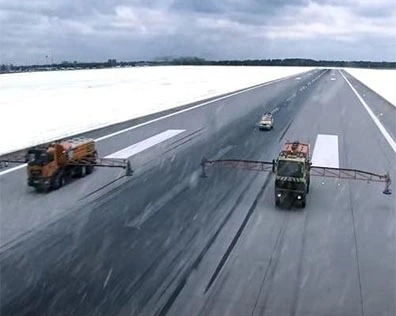
Best Practices for Using Solid Potassium Acetate to Maintain Runway Friction
Achieving optimal runway safety requires more than selecting quality deicing products—proper application techniques and operational protocols determine actual performance outcomes. Aviation maintenance teams benefit from established guidelines developed through years of practical experience.
Application Rates and Timing Strategies
Successful deicing operations balance effectiveness against material efficiency. Application timing significantly impacts required quantities. Anti-icing treatments applied before precipitation begins typically require 40-60 pounds per 1,000 square feet, creating a chemical barrier that prevents ice bonding. This proactive approach delivers better friction maintenance at lower material costs compared to reactive curative treatments.
Curative deicing after ice formation demands heavier application rates of 80-150 pounds per 1,000 square feet depending on ice thickness. Temperatures below -20°C may require increased dosing toward the upper range. Mechanical removal should follow 20-30 minutes after application once the exothermic reaction creates sufficient brine undermining.
Integration with winter maintenance protocols ensures consistent results. Progressive airports maintain detailed application logs correlating material usage with weather conditions and runway friction measurements. This data informs predictive models that optimize future applications while minimizing waste.
Storage and Handling Requirements
Protecting product integrity begins with proper warehousing. Airport runway solid potassium acetate arrives in 25kg woven bags or 1000kg ton-bags designed to resist moisture infiltration. Storage facilities must maintain dry conditions with adequate ventilation and protection from heat sources. Relative humidity should remain below 60% to prevent caking caused by the compound's hygroscopic nature.
Material handling procedures prevent contamination and worker safety incidents. Forklifts and conveyors should be dedicated to chemical transport rather than multipurpose equipment that might introduce incompatible substances. Personal protective equipment including gloves and eye protection provides standard safety measures during loading operations, though the compound's low toxicity minimizes health risks compared to many industrial chemicals.
Inventory rotation following first-in-first-out principles maintains freshness. While properly stored material retains effectiveness for two years, regular turnover ensures peak performance. Damaged packaging requires immediate repackaging to prevent moisture exposure that degrades quality.
Longevity and Influencing Factors
Runway friction maintenance duration varies based on environmental conditions and operational factors. Under stable weather conditions with temperatures between -5°C and -15°C, a single application typically maintains adequate friction for 12-24 hours. Warmer temperatures approaching freezing accelerate depletion as precipitation dilutes the protective chemical layer.
Air traffic intensity affects longevity substantially. Jet blast from departing aircraft physically removes deicing materials, requiring more frequent reapplication on active runways compared to taxiways. Heavy precipitation events—particularly freezing rain—demand vigilant monitoring and supplemental treatments to sustain safety margins.
Modern airports employ friction testing vehicles that continuously measure runway conditions, providing objective data that triggers reapplication protocols when coefficients fall below established thresholds. This technology-driven approach replaces older time-based schedules with condition-based maintenance that improves both safety and efficiency.
Procurement Considerations for Airport Runway Potassium Acetate
Supply chain decisions impact operational readiness throughout winter seasons when weather conditions leave no margin for material shortages. Strategic procurement planning protects airports from disruptions while optimizing budget allocation.
Supplier Selection and Distribution Networks
Identifying reliable potassium acetate suppliers requires evaluating multiple criteria beyond pricing. Manufacturing capacity determines whether suppliers can fulfill large seasonal orders that airports place in autumn before winter operations commence. Production facilities with annual capacities exceeding 100,000 tons provide assurance against allocation shortages during severe winters when demand spikes across regions.
Geographic proximity to transportation hubs influences delivery reliability and freight costs. Suppliers maintaining strategic inventory locations near major airports reduce lead times and logistics expenses. Partnerships with international shipping companies ensure consistent supply even when weather disrupts regional transport networks.
Technical support capabilities distinguish premium suppliers from commodity vendors. Access to application specialists who understand aviation-specific requirements helps airports optimize deicing programs. Responsive customer service teams that provide rapid answers to operational questions during critical weather events add substantial value beyond the physical product.
Certification and Compliance Requirements
Aviation deicing products must satisfy rigorous quality standards established by industry organizations and regulatory bodies. SAE International's AMS 1431E specification defines performance requirements, chemical composition limits, and testing protocols that aviation-grade potassium acetate must meet. Procurement managers should verify supplier compliance through documentation review and batch testing certificates.
Environmental certifications demonstrate commitment to sustainability. ISO 14001 environmental management system certification indicates systematic approaches to minimizing ecological impacts. Products meeting EPA regulations for aquatic toxicity and biochemical oxygen demand protect airports from environmental liability while supporting corporate sustainability initiatives.
Quality management certifications including ISO 9001 ensure consistent manufacturing processes that deliver uniform product characteristics across shipments. KOSHER and HALAL certifications expand market accessibility, particularly relevant for suppliers serving international airports with diverse operational partnerships.
Procurement Metrics and Logistics
Advance planning optimizes procurement outcomes. Lead times for bulk orders typically range from 5-7 working days for established suppliers maintaining ready inventory, extending to 20-30 days during peak season or for customized formulations. Airports should finalize winter supply contracts before September to ensure allocation priority.
Minimum order quantities vary by supplier and packaging format. Ton-bag purchases often require 20-ton minimums while standard bagging allows smaller increments. Volume commitments may unlock preferential pricing tiers that significantly impact budget efficiency for airports with high consumption rates.
Flexible delivery schedules accommodate warehouse capacity limitations. Staged shipments throughout autumn and early winter distribute storage requirements while maintaining adequate on-hand inventory for sudden weather events. Suppliers offering emergency response capabilities provide insurance against unexpected shortages during extended cold periods.
Case Studies & Real-World Applications of Solid Potassium Acetate on Runways
Practical experience from operational airports provides valuable insights that inform procurement and application decisions. Real-world data demonstrates achievable performance improvements and identifies implementation considerations.
North American Airport Implementations
A major northeastern United States airport serving 40 million annual passengers transitioned from urea-based deicers to airport runway solid potassium acetate formulations during a comprehensive winter operations upgrade. The facility implemented combination application strategies using solid granules for curative deicing supplemented by liquid pre-treatments before forecast precipitation events.
Quantitative friction measurements revealed substantial improvements. Average runway friction coefficients during winter operations increased from 0.38 to 0.47 on a normalized scale, representing a 24% enhancement in available braking force for landing aircraft. Incident reports documented zero runway excursions during the evaluation winter despite above-average snowfall, compared to three minor incidents during the previous season using conventional deicers.
Environmental monitoring showed measurable benefits beyond operational metrics. Ammonia-nitrogen concentrations in storm water runoff decreased by 67% following the conversion. Vegetation adjacent to runway safety areas exhibited improved health during spring monitoring compared to previous years of urea exposure damage.
Operational efficiency gains materialized through faster ice clearing cycles. Ground crews reported 30% reduction in time required to restore full runway capacity following snow events, translating to fewer flight delays and improved schedule reliability during winter months. Aircraft maintenance departments noted declining corrosion findings during routine inspections, attributing the improvement to elimination of chloride exposure.
European Aviation Success Stories
A Scandinavian airport operating in extreme northern climate conditions implemented solid potassium acetate across all airfield pavements after extensive pilot testing. The location experiences temperatures regularly reaching -30°C during winter months, conditions that rendered previous deicing solutions inadequate.
Performance data collected over three winter seasons confirmed reliable ice melting and friction maintenance even during the coldest periods. The facility maintained continuous operations during cold snaps that forced temporary closures at airports using conventional deicers with limited temperature effectiveness. This operational reliability delivered significant economic value, preventing passenger disruption and protecting airline schedule integrity.
The implementation encountered initial handling challenges related to material storage in the humid coastal environment. Moisture infiltration caused caking in early shipments until improved warehouse climate control and enhanced packaging materials resolved the issues. This experience highlights the importance of proper storage infrastructure, particularly in challenging climatic conditions.
Ground support equipment longevity improved markedly. Hydraulic system failures attributed to deicer corrosion declined by 82% over the evaluation period. The maintenance department calculated annual savings exceeding the incremental cost of potassium acetate compared to previous chloride-based materials, demonstrating positive return on investment from infrastructure protection alone.
Conclusion
Maintaining runway friction after ice melting represents a critical safety imperative that demands superior chemical solutions. Potassium acetate technology delivers the performance characteristics aviation operations require—effective temperature range to -60°C, non-corrosive protection for aircraft and infrastructure, environmental compliance, and sustained friction maintenance through hygroscopic moisture management. Operational data from airports across North America and Europe confirms measurable improvements in safety metrics, environmental impact reduction, and cost-effective lifecycle value. As winter operations evolve toward higher safety standards and stricter environmental regulations, acetate-based deicing systems provide the technical capabilities that modern aviation demands. Procurement strategies emphasizing supplier reliability, quality certifications, and technical support ensure successful program implementation.
FAQ
What makes potassium acetate safer than traditional runway deicers?
Potassium acetate eliminates the corrosion risks that chloride-based salts pose to aircraft aluminum, magnesium, and landing gear components. The non-corrosive chemistry protects ground support equipment hydraulic systems and extends infrastructure lifespan substantially. Environmental safety improves through natural biodegradation without ammonia emissions that characterized older urea products. Personnel working in treated areas face minimal chemical exposure risks due to the compound's low toxicity profile. This combination of aircraft protection, equipment longevity, ecological responsibility, and worker safety creates comprehensive risk reduction compared to conventional alternatives.
How do temperature variations affect performance?
Solid potassium acetate maintains effectiveness across extreme temperature ranges from just below freezing to -60°C. Warmer conditions near 0°C accelerate dissolution rates and ice melting speed but may require more frequent reapplication as precipitation dilutes the protective layer. Colder temperatures below -20°C slow initial reaction rates slightly, sometimes requiring increased application rates for optimal results. The extended operational range surpasses sodium chloride (effective to -18°C), urea (effective to -7°C), and most alternative deicing compounds, providing reliable performance throughout winter temperature fluctuations experienced at airports across northern regions.
Which certifications should procurement managers prioritize?
SAE AMS 1431E specification compliance remains the fundamental requirement for aviation runway deicing products. ISO 9001 quality management certification ensures consistent manufacturing processes delivering uniform product characteristics. ISO 14001 environmental management certification demonstrates systematic approaches to ecological impact minimization. EPA compliance for aquatic toxicity and biochemical oxygen demand protects against environmental liability. Suppliers offering comprehensive batch testing documentation, corrosion testing results, and friction performance data provide additional assurance supporting informed procurement decisions aligned with operational safety and environmental responsibility objectives.
Partner with Zhaoyi Chemical for Reliable Aviation Deicing Solutions
Zhaoyi Chemical brings over thirty years of specialized expertise manufacturing high-purity acetate compounds that meet rigorous aviation industry standards. Our airport runway solid potassium acetate delivers ≥99.0% purity with strict impurity control, meeting SAE AMS 1431 guidelines for runway safety. We maintain 150,000-ton annual production capacity ensuring reliable supply even during peak demand periods, with flexible packaging options including 25kg bags and 1000kg ton-bags suited to your operational requirements. Our ISO 9001, ISO 14001, KOSHER, and HALAL certifications demonstrate quality commitment and environmental responsibility. Connect with our technical team at sxzy@sxzhaoyi.com to discuss competitive pricing, customized delivery schedules, and how partnering with a trusted potassium acetate supplier strengthens your winter maintenance program while protecting aircraft, infrastructure, and environmental assets.
References
1. Society of Automotive Engineers International. "Aircraft Ground Deicing/Anti-icing Processes - SAE AMS 1431E Standard Specification for Solid Runway and Taxiway Deicing/Anti-icing Compounds," SAE Technical Paper Series, 2019.
2. Transportation Research Board. "Airport Winter Safety and Operations - Comparative Analysis of Runway Deicing Chemical Performance and Environmental Impact," National Academy of Sciences Special Report 321, 2018.
3. Federal Aviation Administration. "Advisory Circular AC 150/5200-30D: Airport Winter Safety and Operations Including Snow and Ice Control Plan Guidelines," U.S. Department of Transportation, 2020.
4. European Union Aviation Safety Agency. "Certification Specifications for Aerodromes Design - CS-ADR-DSN Issue 4: Runway Surface Friction Requirements and Deicing Chemical Standards," EASA Regulatory Publication, 2021.
5. American Association of Airport Executives. "Airfield Pavement Maintenance Best Practices: Chemical Deicing Material Selection and Application Protocols," AAAE Technical Operations Council White Paper, 2020.
6. International Civil Aviation Organization. "Annex 14 Volume I - Aerodrome Design and Operations: Runway Surface Condition Assessment and Winter Operations Procedures," ICAO Standards and Recommended Practices, 2018.

USER EVALUATE
Here is the customer's evaluation of us