



Is Airport Runway Solid Potassium Acetate Compatible with Existing Spraying Equipment?
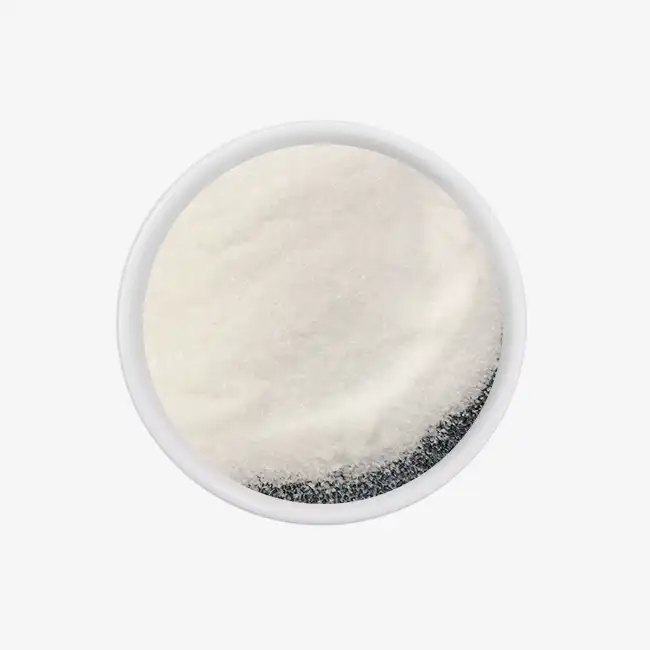
Airport runway solid potassium acetate works well with the majority of spraying tools currently in use for de-icing aircraft. This aviation-grade chemical (CH₃COOK, CAS 127-08-2) mixes easily with water to make a solution that can be used in hydraulic and mechanical spraying systems without causing major corrosion or clogging problems. Its white crystalline structure dissolves easily at different temperatures, and its bulk density of 0.8 to 0.9 g/cm³ makes sure that it flows smoothly through most nozzle designs. This de-icing agent works perfectly with airport winter maintenance plans once it has been properly mixed and adjusted.
Understanding Solid Potassium Acetate for Airport Runways
Chemical Properties and Ice-Melting Mechanism
Potassium acetate melts ice by lowering the freezing point of other substances and releasing heat during the breakdown process. An organic salt with a molecular weight of 98.14 g/mol is shown by the formula CH₃COOK. Because they are hygroscopic, solid granules quickly soak up water when they come in touch with ice. This makes a concentrated brine solution that breaks through the bond between the ice and the pavement.
Effective temperatures for the substance go as low as -60°C (-76°F), which is a lot lower than other options. This great performance in cold weather comes from the acetate ion's ability to stop ice crystals from forming while giving off heat energy as they dissolve. The high-friction surface that was made gives planes better grip during crucial takeoff and landing operations.
Aviation authorities say that potassium acetate mixtures that meet the requirements of SAE AMS 1431E are safe to use near airplanes. The substance dissolves easily in water, acid, and alcohol, which makes it easy to use right away. Its pH range of 9.0 to 10.5 in a 15% solution keeps it working without being too alkaline, which could damage the materials on the runway or the plants around it.
Environmental and Performance Advantages
Acetate-based de-icing solutions are becoming more popular in the aviation business because they are better for the environment. Potassium acetate biodegrades naturally without making any dangerous byproducts, unlike urea-based products that give off harmful ammonia emissions and don't work well below -7°C. This trait responds to the growing legal pressure from environmental groups keeping an eye on polluted groundwater near airport facilities.
Because acetate chemistry doesn't corrode, it saves investments in important infrastructure. Acetate-based de-icers are chosen by aircraft makers because they don't damage the aluminum alloys, composite materials, or special coatings that are used to build modern airplanes. This softer chemistry is also good for ground support equipment like hydraulic systems and electrical parts. Airports that use acetate products regularly have fewer corrosion-related repairs than those that still use chloride-based alternatives, according to their maintenance records.
Performance tests show that formulas with a content of at least 99.0% are more effective at melting ice faster and keeping it off for longer. When applied, the optimized particle size distribution keeps the particles from getting scattered by wind, and when they come into touch with ice or snow, they dissolve quickly. Because of these engineering factors, less chemical is used during each weather event, and total costs are lower, even though they cost more than regular road salts.
Safety and Regulatory Compliance
Aviation safety rules require that goods used to melt ice on runways meet certain performance criteria. Before chemicals can be used on airport runways, the Federal Aviation Administration and other foreign aviation authorities make sure they pass tests that check how well they melt ice, how resistant they are to corrosion, and how they affect the environment. Products that meet these strict standards come with certifications that procurement teams have to check when they evaluate a seller.
When storing and using things, following the right handling methods reduces the risks in the workplace. People are not at high risk of being poisoned by potassium acetate, which is very different from more dangerous chemicals. Material Safety Data Sheets list the basic safety gear that must be worn, but they don't include the specific containment that is needed for dangerous chemicals. To keep things from getting wet, storage areas need to be dry and well-ventilated. However, the chemical doesn't need to be kept away from most other airport repair supplies, only from poisonous ones.
Quality certifications like ISO 9001, ISO 14001, and ISO 45001 show that a company is dedicated to producing goods that meet consistent standards. Getting more KOSHER and HALAL certifications makes it easier to buy things from other countries and confirms the integrity of the production process. These validations by a third party give confidence that each batch meets the stated requirements for purity, particle size, and performance traits important for flight uses.
Compatibility of Solid Potassium Acetate with Existing Spraying Equipment
Common Spraying System Configurations
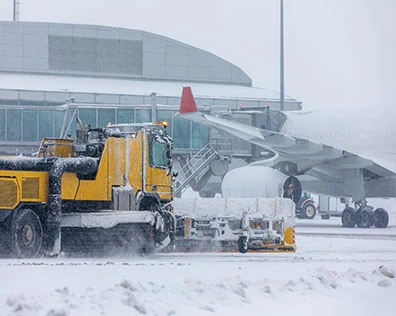
During the winter, airport repair operations usually use two main types of equipment: solid material spreaders and liquid spraying systems. Granules of solid potassium acetate work directly with mechanical spreaders that have spinner mechanisms and release gates that are calibrated. These granular uses are good for deicing before a storm or in very cold weather when ice needs to be broken through right away.
The compatibility situation with liquid application devices is more complicated. Spraying rigs with stainless steel or polymer tanks, centrifugal pumps, and movable spray bars are used at most modern airports. These rigs can be on trucks or trailers. When the right mixing steps are taken, these systems, which were first made for liquid airport runway solid potassium acetate solutions (SAE AMS 1435), can easily handle dissolved solid formulations.
Using pump pressure to atomize liquid through groups of nozzles, hydraulic sprayers make even coverage patterns on runway surfaces. The normal working pressure is between 40 and 100 psi, but this can change based on the rate needed and the wind speed. Compressed air is used in pneumatic systems to help break up liquids into smaller particles. This allows for better control of the droplets, which is useful for precise de-icing tasks. Both configurations work well with acetate solutions as long as the concentration of the solutions stays within the limits set by the equipment maker.
Material Behavior in Tanks and Nozzles
Standard spraying equipment works well with dissolved potassium acetate solutions because they move easily. The liquid behaves like a Newtonian fluid and has the same viscosity as water. This means that the pump will always work the same way and the flow pattern will always be the same. Solution temperatures above 0°C keep the flow going, but most airport operations use tank heating systems to keep the fluids from freezing in very cold weather.
The slightly alkaline pH (9.0–10.5) of acetate solutions doesn't damage stainless steel, aluminum, or approved polymer materials that are often used to build flight equipment. Long-term contact studies show that materials that are properly chosen have very low corrosion rates. To get the most use out of your equipment, carbon steel parts may need to be coated with protected materials or replaced with materials that don't rust.
When systems are properly maintained, acetate solutions don't change how well the nozzles work. The small amount of chloride (≤0.2%) and insoluble matter (≤0.05%) keep crystals from building up and blocking spray holes. Acetate doesn't crystallize when the equipment isn't being used because of regular flushing routines that are done after each application. Standard tip shapes, like flat fan, hollow cone, and full cone, all work well with acetate solutions that have been properly prepared.
Equipment Modifications and Maintenance Requirements
Most airports switch to systems based on solid potassium acetate with little change to their equipment. Dissolved acetate formulations can be used with existing liquid spraying equipment as long as the right mixing steps are followed. A special mixing station with stirring tools makes sure that everything dissolves completely before the tank is loaded. In this area for preparation, there should be graded tanks for precise concentration control and water temperature adjustments to speed up the dissolution process.
Chemical compatibility charts must be used to check the materials used for pump seals. Standard Viton and EPDM seals work well with acetate solutions, but natural rubber materials might need to be replaced. Manufacturers of pumps usually give information on how to make certain types work with others. Centrifugal pumps with open impellers are less likely to get clogged and can handle the slightly higher viscosity of concentrated acetate solutions when they are used in cold weather.
As part of routine maintenance, clean water should be flushed through lines, filters, and pumps after use to keep acetate from crystallizing during storage. Tank innards should be checked for sediment buildup on a regular basis, but high-purity acetate formulations make this less of a problem. It is important to make sure that the application rates are correct because acetate products work best within certain concentration levels. These simple repair steps will make sure that the equipment lasts longer and works as well as it did the first time during the winter.
Comparative Analysis: Solid Potassium Acetate vs. Other Runway De-Icing Agents
Performance Metrics and Temperature Effectiveness
Evaluating de-icing agents requires examination of ice-melting capacity across operational temperature ranges. Calcium chloride maintains effectiveness to approximately -29°C but causes severe corrosion to aircraft materials, rendering it unsuitable for airfield applications. Sodium chloride becomes ineffective below -9°C and shares the corrosion problems plaguing all chloride-based products.
Sodium acetate offers similar environmental benefits to the potassium form but demonstrates reduced cold-weather performance with an effective temperature range only reaching -17°C. Glycol-based solutions provide excellent anti-icing characteristics and aircraft compatibility but require specialized application equipment and present higher environmental loading in stormwater runoff. The comparison clearly positions potassium acetate as the optimal balance between performance, safety, and environmental responsibility.
Testing conducted under SAE AMS 1431E protocols measures ice-melting speed and residual anti-icing protection duration. High-purity potassium acetate formulations penetrate 3mm to 6mm ice layers within 30 minutes at -20°C, facilitating mechanical removal by runway sweepers. The residual solution continues preventing ice reformation for extended periods, reducing reapplication frequency compared to alternatives requiring more frequent treatment cycles.
Cost Considerations for Procurement Teams
Direct chemical pricing represents only one component of total cost analysis. Acetate products carry premium pricing compared to commodity chlorides, but the comprehensive cost picture includes aircraft corrosion damage, equipment maintenance expenses, environmental compliance costs, and operational efficiency factors. Airports using airport runway solid potassium acetate report reduced maintenance expenditures that offset higher chemical acquisition costs over multi-year evaluation periods.
Bulk purchasing arrangements significantly improve cost effectiveness. Annual contracts with guaranteed volume commitments typically secure favorable pricing structures while ensuring supply availability during peak winter demand periods. Suppliers offering flexible packaging options including 1000kg ton-bags optimize storage efficiency and reduce handling labor compared to smaller package configurations. Transportation logistics also affect delivered costs, with reliable suppliers maintaining strategic inventory locations to minimize shipping distances and ensure rapid emergency delivery capabilities.
Supply chain reliability carries substantial value in airport operations where runway closure during weather events creates cascading delays across entire aviation networks. Suppliers with demonstrated production capacity, safety stock policies, and responsive technical support prevent costly disruptions. The economic analysis should weigh these operational security factors against marginal differences in per-ton chemical pricing when evaluating supplier proposals.
Environmental Impact and Regulatory Standards
Aviation environmental regulations increasingly restrict chemicals permitted near runways due to groundwater protection concerns. Acetate-based products biodegrade through natural microbial processes without accumulating in soil or contaminating aquatic ecosystems. This biodegradability addresses environmental agency requirements while supporting airport sustainability initiatives and community relations efforts.
Carbon footprint calculations increasingly influence procurement decisions as airports pursue environmental certification programs. Potassium acetate production from renewable feedstocks offers lower lifecycle emissions compared to petroleum-derived glycol products. The reduced application rates necessary with high-efficiency acetate formulations further improve environmental performance metrics by minimizing total chemical discharge volumes per treated area.
Regulatory compliance documentation provided by quality suppliers simplifies airport environmental reporting requirements. Complete analytical data, biodegradation studies, and aquatic toxicity assessments enable environmental managers to demonstrate compliance with discharge permits and stormwater management plans. This comprehensive documentation support represents significant value beyond the chemical product itself, particularly for airports operating under consent agreements or facing regulatory scrutiny.
Practical Guide: How to Apply Solid Potassium Acetate Using Existing Equipment
Solution Preparation and Equipment Calibration
Converting solid potassium acetate into sprayable solution requires controlled mixing procedures. The dissolution process begins with measuring precise chemical quantities based on target solution concentration. Aviation standards typically specify 50% potassium acetate solutions for anti-icing applications, while lower concentrations suit specific operational scenarios. Warm water (15-25°C) accelerates dissolution compared to cold water sources, reducing preparation time during busy weather events.
Mixing tanks equipped with mechanical agitation ensure complete dissolution without undissolved particles that might clog spray nozzles. The mixing process generally requires 15-30 minutes depending on water temperature and batch size. Visual inspection confirms solution clarity before transfer to application equipment tanks. Maintaining mixing station logs documents concentration accuracy and provides quality records for operational audits.
Equipment calibration verification ensures accurate application rates across runway surfaces. Operators should conduct test runs measuring actual discharge volumes against calibrated settings. Flow meter readings provide continuous monitoring during application operations. Nozzle spacing and spray bar height adjustments optimize coverage uniformity while minimizing chemical waste. GPS-guided application systems available on modern equipment enhance precision and provide documentation of treated areas.
Monitoring Application Effectiveness and Compliance
Effective de-icing operations require real-time assessment of treatment results. Visual inspection identifies areas requiring additional treatment or mechanical ice removal. Friction testing equipment measures runway surface coefficients, confirming that treatments achieve safety thresholds specified in airport operating standards. Weather monitoring systems tracking temperature trends and precipitation forecasts guide reapplication timing decisions.
Safety Data Sheet information must remain accessible to all personnel handling airport runway solid potassium acetate products. The SDS specifies personal protective equipment requirements, first aid procedures, and environmental precautions relevant to daily operations. Training programs ensure that equipment operators understand proper handling techniques, emergency response procedures, and environmental protection measures. Documentation of training completion satisfies regulatory requirements and minimizes liability exposure.
Application records serve multiple purposes including environmental reporting, cost tracking, and operational analysis. Detailed logs capturing weather conditions, chemical quantities used, runway sections treated, and effectiveness observations enable continuous improvement of winter maintenance protocols. This documentation supports budget justification, demonstrates regulatory compliance, and provides liability protection should incidents occur. Digital record systems integrated with airport management platforms streamline data collection and analysis processes.
Troubleshooting Common Application Challenges
Equipment malfunctions during critical weather events demand rapid diagnosis and correction. Pump failures often trace to air locks in supply lines, which resolve through bleeding procedures specified in manufacturer manuals. Reduced spray pressure may indicate clogged filters requiring cleaning or replacement. Uneven spray patterns suggest nozzle wear or obstruction, necessitating inspection and maintenance. Maintaining spare parts inventory including pump seals, filters, and nozzles minimizes downtime during equipment failures.
Chemical handling issues occasionally arise despite proper procedures. Incomplete dissolution resulting in nozzle clogging responds to improved mixing protocols and water temperature adjustment. Crystallization in supply lines during cold weather requires tank heating system activation or solution concentration reduction. Unexpected spray pattern changes may indicate solution concentration errors, resolved through verification testing and batch adjustment.
Operational challenges also include personnel training gaps and communication breakdowns during complex weather events. Regular training exercises simulating high-pressure scenarios build operator confidence and identify procedural weaknesses requiring correction. Clear communication protocols between operations control, maintenance staff, and equipment operators ensure coordinated responses that maintain runway availability while protecting aircraft safety.
Selecting Reliable Potassium Acetate Suppliers and Brands for B2B Clients
Supplier Evaluation Criteria
Aviation certification verification represents the foundational supplier qualification requirement. Products meeting SAE AMS 1431E specifications carry documented test results confirming ice-melting performance, corrosion resistance, and environmental characteristics. Suppliers should provide complete analytical certificates with each shipment, demonstrating batch-specific compliance with declared specifications. Consistency across multiple batches indicates robust quality control systems essential for reliable airport operations.
Manufacturing capacity assessment prevents supply disruptions during peak demand periods. Suppliers with annual production capacity exceeding 100,000 tons and multiple production lines demonstrate ability to fulfill large airport contracts without allocation concerns. Geographic distribution of production facilities and warehouse locations affects delivery reliability and transportation costs. Suppliers maintaining strategic inventory positions near major airport markets respond faster to emergency orders during unexpected weather events.
Technical support capabilities distinguish premium suppliers from commodity chemical vendors. Access to application engineers who understand aviation requirements provides valuable assistance during equipment integration, troubleshooting, and process optimization. Responsive customer service teams addressing inquiries within hours rather than days prevent operational disruptions. This technical partnership approach delivers value beyond the chemical product itself, particularly for airports transitioning from traditional de-icing chemicals.
Contract Negotiation and Compliance Management
Bulk order agreements should specify detailed quality parameters, delivery schedules, and pricing structures extending across winter operating seasons or multi-year periods. Volume commitment tiers can secure favorable pricing while penalty clauses protect against delivery failures during critical periods. Flexibility provisions accommodate actual usage variations resulting from unpredictable weather patterns without forcing purchasers to accept or pay for excess inventory.
Contractual terms must address regulatory compliance responsibilities. Suppliers should indemnify purchasers against product defects causing aircraft damage or environmental violations. Complete documentation packages including SDS information, regulatory certifications, and handling guidelines transfer with each shipment. Clear specification of acceptance testing procedures and rejection criteria protects both parties while ensuring product quality meets operational requirements.
Payment terms balancing cash flow considerations with supplier relationship preservation require negotiation skill. Extended terms recognizing seasonal demand patterns benefit airport budget management. Early payment discounts may offset financing costs for well-capitalized purchasers. Electronic invoicing and payment systems reduce administrative burdens while accelerating transaction processing. These financial arrangements should complement rather than compromise the technical and operational priorities driving supplier selection.
Post-Purchase Support and Training Services
Comprehensive product documentation enables safe and effective chemical utilization. Suppliers should provide detailed application guidelines addressing solution preparation, equipment compatibility, application rate recommendations, and storage requirements. Video training resources and on-site demonstrations accelerate operator proficiency while reducing application errors during initial adoption periods. Multilingual documentation supports diverse workforce compositions common in airport operations.
Technical training programs covering chemical properties, safety procedures, and troubleshooting techniques build operational confidence and competence. Certification programs documenting individual completion of training requirements satisfy regulatory obligations while improving workplace safety culture. Annual refresher sessions maintain knowledge currency and address procedural updates resulting from operational experience or regulatory changes.
After-sales support extending throughout the customer relationship distinguishes exceptional suppliers from transactional vendors. Regular communication addressing application questions, operational challenges, and emerging requirements maintains partnership strength. Suppliers monitoring customer satisfaction and proactively addressing concerns demonstrate commitment to long-term success rather than single-transaction focus. This ongoing engagement creates mutual value and positions suppliers as strategic partners rather than interchangeable commodity providers.
Conclusion
Airport runway solid potassium acetate delivers exceptional de-icing performance while demonstrating excellent compatibility with existing aviation spraying equipment. The chemical's favorable dissolution characteristics, non-corrosive properties, and Newtonian flow behavior enable seamless integration into liquid application systems with minimal modification. Procurement teams should focus evaluation on supplier certifications, quality consistency, and technical support capabilities rather than price alone. Proper solution preparation, equipment calibration, and maintenance protocols ensure optimal performance throughout winter operating seasons, protecting both aircraft safety and infrastructure investments while meeting environmental compliance requirements.
FAQ
Can potassium acetate damage stainless steel or aluminum spraying equipment?
Aviation-grade potassium acetate formulations demonstrate minimal corrosive activity toward stainless steel and aluminum alloys commonly used in spraying systems. The slightly alkaline pH and low chloride content prevent aggressive chemical attack. Equipment manufactured from appropriate materials and maintained according to standard protocols experiences normal service life without accelerated degradation. Carbon steel components may require protective coatings for extended durability.
How long does potassium acetate remain effective on treated runway surfaces?
Residual effectiveness depends on weather conditions, application concentration, and subsequent precipitation. Under typical conditions, properly applied treatments provide anti-icing protection for 12-24 hours. The hygroscopic nature helps maintain active solution on pavement surfaces. Heavy precipitation or extreme temperature fluctuations may necessitate reapplication sooner. Monitoring friction coefficients and visual inspection guide reapplication timing decisions for optimal safety maintenance.
Does potassium acetate offer environmental advantages compared to traditional alternatives?
Potassium acetate demonstrates substantial environmental benefits relative to chloride-based and urea alternatives. The compound biodegrades naturally without toxic byproducts or harmful ammonia emissions. Reduced aquatic toxicity and soil accumulation minimize ecological impact in areas receiving stormwater runoff from treated surfaces. These characteristics address regulatory requirements while supporting airport environmental stewardship initiatives and community relations objectives.
Partner with Zhaoyi Chemical for Certified Airport De-Icing Solutions
Shanxi Zhaoyi Chemical Co., Ltd. brings over three decades of specialized expertise as a trusted airport runway solid potassium acetate manufacturer serving aviation facilities worldwide. Our SAE AMS 1431-certified formulations deliver proven performance down to -60°C while ensuring complete compatibility with your existing spraying infrastructure. We maintain production capacity exceeding 150,000 tons annually with flexible bulk packaging options including 1000kg ton-bags optimized for efficient airport storage and handling. Our technical team provides comprehensive application support, equipment compatibility assessments, and operator training resources ensuring seamless integration into your winter maintenance operations. Contact our aviation specialists at sxzy@sxzhaoyi.com to discuss your specific requirements, request detailed technical specifications, or obtain competitive quotes for bulk supply agreements tailored to your operational needs.
References
1. Society of Automotive Engineers. "Aircraft Deicing and Anti-icing Fluids, Runway and Taxiway Deicing and Anti-icing Products." SAE International Standard AMS 1431E, 2018.
2. Transportation Research Board. "Airport Winter Safety and Operations: Guidebook on Best Practices for Airport Ice and Snow Control." National Academy of Sciences, 2020.
3. Federal Aviation Administration. "Advisory Circular 150/5200-30D: Airport Winter Safety and Operations." U.S. Department of Transportation, 2019.
4. International Civil Aviation Organization. "Aerodrome Design Manual Part 2: Taxiways, Aprons and Holding Bays." ICAO Doc 9157, Fourth Edition, 2018.
5. American Association of Airport Executives. "Environmental Management Practices for Airports: De-icing and Anti-icing Chemical Management." AAAE Technical Report Series, 2021.
6. Aircraft Owners and Pilots Association. "Runway De-icing Chemical Performance and Compatibility Study." AOPA Air Safety Institute Research Publication, 2020.

USER EVALUATE
Here is the customer's evaluation of us