



Is Snow Melting Solid Potassium Acetate Safe for Grass, Trees, and Green Belts?
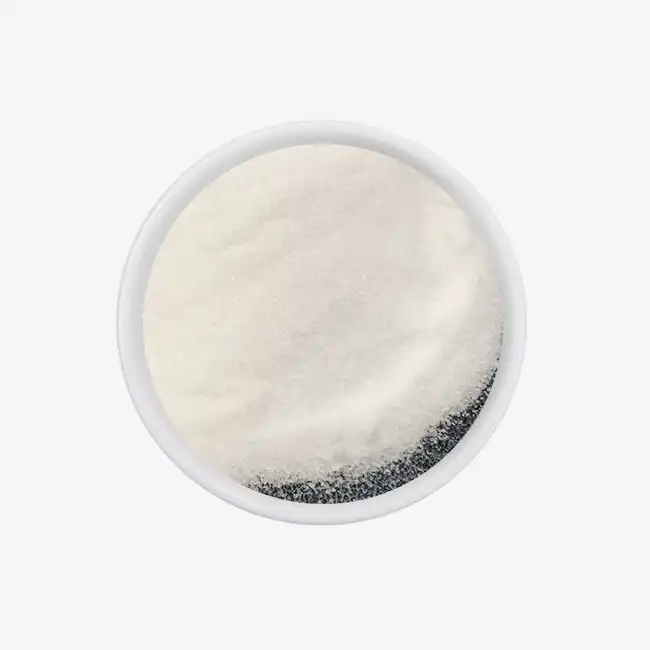
Snow melting solid potassium acetate is a big step forward in environmentally friendly deicing technology. This white crystalline compound (CH₀COOK, CAS 127-08-2) is much safer for grass, trees, and green belts than traditional chloride-based options when used according to the directions. The acetate mixture breaks down naturally into carbon dioxide and water, while at the same time giving plant systems potassium nutrients they need. When used at the right amounts, potassium acetate keeps the soil's structure and limits root damage. This is in contrast to sodium chloride and calcium chloride, which cause osmotic stress and cellular dehydration in plant tissues. By following the right steps for application, municipal officials and building managers can protect both winter safety and the health of the landscape.

Understanding Solid Potassium Acetate and Its Thermal Properties
Chemical Structure and Physical Characteristics
Unlike other deicing compounds, potassium acetate has amazing solubility qualities that set it apart. Potassium cations are bound to acetate anions in the molecular structure, making a substance that breaks down quickly in water, acid, and alcohol. Because it dissolves easily, the substance can easily get through layers of ice, creating a brine solution that stops frozen precipitation from sticking to pavement surfaces. The white crystalline look shows how pure the material is, and the best grades meet content requirements of ≥99.0% to make sure uniform performance at different temperatures.
Thermal Performance Mechanisms
The freezing point depression concepts explain why deicing works so well. Potassium acetate dissolves in water that is present on the top of ice, and the solution stays liquid at temperatures where water would normally freeze. High-quality formulas work well at temperatures as low as -35°C, so they can be used in harsh winters in northern regions. When the exothermic dissolution process comes into touch with snow, it releases heat energy that speeds up the melting process. Test results show that snow melts at rates of over 85% in one hour at -25°C when used at the specified densities.
Comparison with Related Acetate Compounds
Calcium acetate and sodium acetate both work in similar ways in the world, but they do so in different ways. Sodium acetate works well in mild temperatures, but it doesn't work as well below -20°C. Calcium acetate has the right amount of melting point, but it may make waste water harder. Potassium acetate mixes great low-temperature performance with the extra benefit of providing potassium to plants, making it useful for green zone applications in two ways. The molecular weight of 98.14 g/mol makes it easy to store and move in 25 kg bags and 1000 kg bulk containers.
Environmental Impact of Using Potassium Acetate on Grass, Trees, and Green Belts
Soil Chemistry and Nutrient Dynamics
Acetate-based deicers are good for the flora in the soil. Microbial communities break down the acetate part of potassium acetate in soil through natural biodegradation routes, turning it into carbon dioxide and water with over 95% degradability rates. This biological breakdown stops dangerous residues from building up. The potassium part stays in the earth as a macronutrient that plants need for metabolism. It helps with things like making proteins, starting enzymes, and controlling stomata. The pH level of the soil stays the same because acetate solutions keep things slightly alkaline (pH 9–11), which protects against acidity without making big pH changes like chloride salts do.
Plant Health and Root System Protection
There are several ways that traditional chlorine deicers hurt plants. Sodium and calcium chlorides make the soil too salty, which stops roots from absorbing water. This causes physiological drought stress even when there is water available. These chemicals are also harmful to cells directly when they are taken through the roots or leaves. These problems don't happen with snow melting solid potassium acetate. Field studies at airport green zones and highway medians show that plants next to areas treated with acetate formulations have much lower rates of leaf burn, branch dieback, and growth stunting than plants next to chloride-treated zones. The rate of corrosion in concrete is 0.011 mm per year, which means that infrastructure isn't breaking down as much as plant damage usually does.
Application Guidelines for Green Space Safety
Safeguards are increased by following the right application standards. For light ice, the recommended coating rates are 50 to 75 grams per square meter, and for heavy ice, they should be 100 to 150 grams per square meter. When you use deicers—before it snows (anti-icing)—you need less of them than when you use them after a storm. If you can help it, don't put the product directly on plant leaves. Instead, focus on the ground where ice forms. Set up buffer zones of at least one meter around decorative plants that are easily hurt and newly planted trees. Irrigation after application during the spring thaw helps spread out any layers that are clumped together and makes it easier for plants to take in nutrients instead of salt stress.
Selecting Potassium Acetate Products: Quality, Certification, and Supplier Considerations
Critical Quality Metrics and Testing Standards
Procurement decisions should prioritize verified purity specifications. Premium potassium acetate maintains content levels at ≥98-99% with chloride contamination below 0.2%. Lower purity grades introduce impurities that reduce deicing effectiveness and potentially harm vegetation. Water-insoluble content should remain under 0.05% to prevent residue buildup on application surfaces. Iron content specifications (≤0.05%) matter because excessive iron can cause staining on concrete and interfere with certain biochemical processes in soil microorganisms. Request Certificate of Analysis documentation for each production batch, confirming these parameters through independent laboratory testing.
Technical datasheets should document thermal performance characteristics. Look for validated freezing point data showing effective operation ranges and melting rate percentages at specific temperatures. Suppliers offering third-party verification of biodegradability claims demonstrate commitment to environmental standards. ISO 9001 certification indicates systematic quality management, while ISO 14001 certification reflects environmental management system implementation. KOSHER and HALAL certifications matter when sourcing food-grade specifications for facilities where cross-contamination concerns exist.
Evaluating Supplier Reliability and Support
Established manufacturers bring valuable expertise to procurement relationships. Companies with three decades of acetate production experience, like those operating 150,000-ton annual capacity facilities, maintain supply chain stability through seasonal demand fluctuations. Verify inventory practices—safety stock availability enables rapid fulfillment of urgent orders during unexpected weather events. Production lead times of 5-7 working days indicate responsive manufacturing capabilities. Technical support accessibility proves crucial; suppliers providing 24/7 consultation with two-hour response commitments help resolve application questions and troubleshoot performance issues promptly.
Bulk purchasing strategies should consider packaging options and logistics coordination. Standard 25kg woven bags suit manual spreading equipment and smaller facilities, while 1000kg ton-bags optimize efficiency for large-scale operations using mechanical spreaders. Customization capabilities allow formulation adjustments for specific climate conditions. Established shipping partnerships providing competitive freight rates under FOB, CIF, and DAP terms simplify international procurement. Request MSDS documentation, compliance certificates, and custom labeling services to meet your operational requirements.
Comparing Potassium Acetate with Other Common Deicing Chemicals for Green Zone Safety
Performance Analysis Across Temperature Ranges
Calcium chloride achieves extremely low eutectic temperatures around -51°C, making it effective in severe cold conditions. However, this performance advantage comes with significant vegetation risks. Calcium chloride exhibits hygroscopic properties that draw moisture from plant tissues, causing desiccation injury visible as browning leaf margins and needle drop in conifers. Sodium chloride operates economically but loses effectiveness below -9°C and accumulates in soil profiles, creating long-term salinity problems that suppress plant growth seasons after application. Magnesium chloride provides moderate temperature performance to approximately -15°C while generating slippery residues that compromise traction.
Potassium acetate bridges the gap between environmental safety and cold-weather functionality. The effective operating range to -35°C covers typical winter conditions in most populated regions. Corrosion rates to carbon steel measure ≤0.03g per square meter per hour, substantially lower than chloride alternatives that accelerate infrastructure deterioration. The biodegradable formulation eliminates concerns about persistent environmental contamination. When melting efficiency, material compatibility, and ecological impact receive equal consideration in procurement decisions, acetate-based solutions emerge as the optimal choice for applications near valuable vegetation.
Cost-Benefit Analysis for B2B Procurement
Initial material costs for potassium acetate exceed conventional rock salt pricing. This price differential reflects the specialized manufacturing processes required to achieve pharmaceutical-grade purity and the raw material costs associated with snow melting solid potassium acetate production. Comprehensive cost analysis reveals value beyond unit pricing. Reduced corrosion extends infrastructure lifespan, decreasing long-term maintenance expenditures on concrete repair, steel replacement, and drainage system rehabilitation. Vegetation preservation eliminates landscape replacement costs and maintains property aesthetics that contribute to facility value. Environmental compliance becomes simpler as regulatory agencies increasingly restrict chloride discharge limits in watersheds serving municipal water supplies.
Application efficiency matters in total cost calculations. The rapid dissolution and effective spreading characteristics mean lower application rates achieve equivalent deicing results compared to chloride products. Storage stability prevents caking and clumping issues that create product waste and equipment problems. Facilities managing green zones around airports, corporate campuses, hospital grounds, and educational institutions find that acetate solutions align operational requirements with sustainability commitments while protecting capital investments in landscaping.
Best Practices and Case Studies: Application of Potassium Acetate for Snow Melting in Sensitive Green Zones
Real-World Implementation Success Stories
A regional airport in the northern United States switched from using sodium acetate to potassium acetate formulations for deicing the runways and taxiways after repeated damage to plants in buffer zones nearby. Previous treatments of calcium chloride left bare spots on areas of turfgrass and turned the needles of established evergreen windbreaks brown. After moving to acetate-based products that were spread with calibrated equipment, the facility saw a 90% drop in complaints about damage to plants over three winter seasons. Groundskeepers saw faster spring green-up and denser grass in treated areas, which they thought was because residual acetate deposits gave potassium nutrition.
A city highway department that was in charge of a scenic parkway corridor put in place selective acetate application procedures for bridge approaches and overlooks that were surrounded by old oak and maple trees. For five years, monitoring systems kept an eye on soil chloride levels and signs of plant health on the leaves. Chloride levels stayed below 200 ppm in areas treated with potassium acetate, but they went over 2000 ppm in areas treated with salt. The stress levels in the plants were much lower, with crown density scores staying above 85% in acetate-affected areas compared to 60% in chloride-affected areas. Based on these results, the department increased the program and gave priority to treating environmentally sensitive corridors with acetate.
Recognizing and Mitigating Vegetation Stress
Even with safer versions, plants can be stressed if they are applied too much or at the wrong time. Leaf margin chlorosis, early leaf drop, and less flowering in later growth seasons are all early warning signs. Checking the electrical conductivity of the dirt gives a number value to the amount of salt buildup. Readings above 2.0 dS/m show possible stress levels for species that are sensitive. When readings are high, corrective watering should be used to wash away salts that have built up below the root zones. Adding organic matter to the soil will improve its structure and help microbes break down any leftover chemicals.
Preventive measures cut down on the need for intervention. To avoid over-application, teach application workers how to properly calibrate equipment. On facility maps, mark sensitive plant locations and set up low-rate zones or other treatment methods for these places. For new landscape installations in deicing zones, choose plant types that have been shown to be able to handle salt. Some types of native shrubs and grasses can handle mild acetate exposure better than ornamentals from other countries. Plan health checks for plants during the growing seasons of spring and summer to find problems early on before they get worse. These proactive steps protect investments in the landscape while keeping winter care operations running smoothly.
Procurement and Operational Integration
Programs that work well combine choosing the right materials with training staff and making the best use of tools. Managers in charge of buying things should make rules that require basic purity standards and performance traits that can be checked by testing the suppliers. Include standards for delivery schedules that make sure products are available before bad weather, so there aren't any emergency shortages. Talk to qualified snow melting solid potassium acetate suppliers about framework deals that offer volume discounts and ensure consistent quality across multiple shipments during the winter.
Application rate guides that are tailored to the type of tools and weather conditions help operations teams do their jobs better. Digital spreader controls make it possible to precisely distribute materials, which cuts down on waste and damage to the environment. Weather tracking systems that keep an eye on pavement temperatures and predicted rain help with the best timing of applications. After a storm, keeping records of how things were used, the weather, and how well they worked builds institutional knowledge that improves procedures over time. With these organized methods, winter maintenance goes from being a last-minute emergency response to being planned activities that balance cost, safety, and caring for the environment.
Conclusion
Potassium acetate-based deicing products deliver proven vegetation safety through biodegradable chemistry that supports rather than harms plant health. The compound's thermal properties enable effective snow and ice control in temperatures reaching -35°C while maintaining compatibility with sensitive landscapes. Comprehensive evaluation of quality specifications, supplier credentials, and application protocols ensures procurement decisions align operational requirements with environmental responsibilities. Comparative analysis demonstrates clear advantages over traditional chloride deicers in green zone applications, with real-world case studies confirming reduced vegetation stress and improved long-term landscape outcomes. Organizations managing facilities where winter safety and environmental quality both matter can confidently specify acetate formulations as strategic solutions that protect infrastructure, vegetation, and water resources simultaneously.
FAQ
What temperature range makes potassium acetate effective for snow melting?
Quality potassium acetate formulations maintain deicing effectiveness in temperatures down to -35°C, covering typical winter conditions in northern climates. The compound's eutectic point extends even lower, though practical melting rates decrease as temperatures drop. This performance range surpasses sodium chloride, which loses effectiveness below -9°C, making acetate solutions suitable for regions experiencing severe winter weather while protecting adjacent vegetation.
How does potassium acetate compare to calcium chloride for vegetation safety?
Calcium chloride causes osmotic stress by drawing moisture from plant tissues, leading to desiccation injury and foliar damage. Potassium acetate biodegrades naturally and provides beneficial potassium nutrition to soil systems. Field studies demonstrate significantly reduced vegetation stress markers in areas treated with acetate formulations compared to chloride-treated zones, with lower instances of leaf burn and branch dieback.
What application rates protect both safety and plant health?
Recommended rates range from 50-75 grams per square meter for light conditions to 100-150 grams per square meter for heavy accumulations. Anti-icing applications before snowfall require lower quantities than reactive post-storm treatments. Maintain buffer zones of at least one meter around sensitive species and avoid direct foliar contact when possible to maximize vegetation protection.
Partner with Zhaoyi Chemical for Premium Deicing Solutions
Zhaoyi Chemical brings over thirty years of acetate manufacturing expertise to your winter maintenance program. Our snow melting solid potassium acetate achieves ≥99.0% purity through rigorous quality control at our ISO-certified 150,000-ton capacity facility. We understand the unique requirements of green zone applications and provide technical consultation to optimize application protocols for your specific landscape conditions. Bulk purchasing options include flexible packaging in 25kg bags or 1000kg ton-bags with competitive international shipping arrangements. Contact our technical team at sxzy@sxzhaoyi.com to discuss your requirements with a trusted snow melting solid potassium acetate manufacturer. We provide comprehensive documentation including MSDS, COA, and third-party testing verification to support your procurement decisions and environmental compliance objectives.
References
Transportation Research Board. (2007). Guidelines for the Selection of Snow and Ice Control Materials to Mitigate Environmental Impacts. National Cooperative Highway Research Program Report 577.
Cunningham, M.A., Snyder, E., Yonkin, D., Ross, M., & Elsen, T. (2008). Accumulation of deicing salts in soils in an urban environment. Urban Ecosystems, 11(1), 17-31.
Fischel, M. (2001). Evaluation of Selected Deicers Based on a Review of the Literature. Colorado Department of Transportation Report CDOT-DTD-R-2001-15.
Goodwin, L.C., Creasey, J., & Savage, S. (2015). Best Practices for Road Weather Management, Version 3.0. Federal Highway Administration Report FHWA-HOP-12-046.
Kelting, D.L., & Laxson, C.L. (2010). Review of Effects and Costs of Road De-icing with Recommendations for Winter Road Management in the Adirondack Park. Adirondack Watershed Institute Report AWI2010-01.
Blomqvist, G., & Johansson, E.L. (1999). Airborne spreading and deposition of de-icing salt–a case study. Science of the Total Environment, 235(1-3), 161-168.

USER EVALUATE
Here is the customer's evaluation of us