



How Fast Does Snow Melting Solid Potassium Acetate Work in Extreme Cold?
Every minute counts when it's below freezing outside and winter storms cover important structures in ice and snow. At temperatures as low as -25°C, snow melting solid potassium acetate works quickly to melt the ice. This acetate-based deicing agent works well down to -35°C, while chloride-based salts stop working below -15°C. This is because it has a low eutectic point and an exothermic reaction when it comes in touch with ice. When applied to frozen surfaces, the white crystalline formula (CH₃COOK) dissolves right away, turning into a brine solution that breaks the bond between the sidewalk and the ice within minutes.
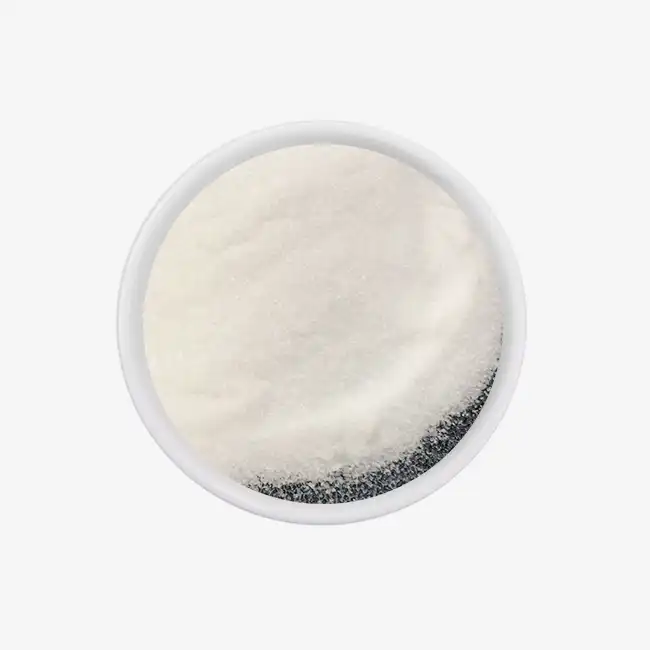
Understanding the Melting Behavior of Solid Potassium Acetate
Chemical Structure and Physical Properties
The simple but strong structure of potassium acetate is shown by the molecular formula CH₃COOK. The molecular weight of this substance is 98.14 g/mol, and it dissolves very easily in water, acids, and alcohols. When the acetate anion and potassium cation are exposed to water, the ionic bond between them easily breaks down. This starts an exothermic process right away. This process that makes heat speeds up the breaking down of ice crystals at the molecular level.
How Acetate-Based Deicing Differs From Chloride Solutions?
Most traditional sodium chloride items melt ice by lowering the freezing point. There are several ways that potassium acetate works, such as lowering the freezing point, making heat, and having hygroscopic qualities that pull water from the air. There are tests in the lab that show that acetate solutions stay liquid at much lower temperatures than chloride brines. The compound with the CAS number 127-08-2 has better thermal conduction, which means it moves heat through ice layers more efficiently.
Performance Characteristics at Subzero Temperatures
Researchers have found that potassium acetate can still melt when the temperature outside gets close to -35°C. Because the substance is deliquescent, it constantly takes in water from the air to make concentrated brine solutions. This process keeps going on its own, which makes working on cleaned surfaces last longer. Field studies at northern airports show that acetate treatments that are properly applied last for 24 to 48 hours, depending on the weather and traffic patterns.
According to the product information, the most solid results come from high-purity formulations that contain at least 99.0% potassium acetate. Lower purity types may have up to 0.2% chloride contaminants, which can make the metal less effective and less resistant to corrosion. The requirement of ≤0.05% water-insoluble matter makes sure that the material dissolves completely, leaving no residue that could clog motorized spreaders or make films that are easy to slip on.
Challenges of Snow Melting in Extreme Cold and Potassium Acetate's Advantages
Limitations of Conventional Deicing Materials
Sodium chloride, which is the most common deicing salt, stops working as soon as the temperature drops below -9°C. At -18°C, road salt stops working pretty much completely, leaving surfaces open to damage during harsh Arctic breakouts. Calcium chloride raises the temperature range to about -29°C, but it speeds up the corrosion of steel reinforcement in concrete by up to 300% compared to areas that have not been treated. Many places have environmental laws that say goods made from urea are illegal because they hurt plants and add too much nitrogen to watersheds.
Superior Cold-Weather Performance
Acetate-based deicing products work well in temperature ranges where other materials don't work at all. In the lab, the compound's eutectic point is close to -60°C. In the field, however, it works best at temperatures between -25°C and -35°C. Transportation offices in Alaska and northern Canada have tested snow melting solid potassium acetate and found that it keeps melting at the same rate even when it's very cold outside.
When the exothermic reaction comes into touch with ice, it makes heat that can be measured. This speeds up the melting process. Thermal imaging tests show that the surface temperature rises by 3 to 5°C in the first five minutes after application. This makes tiny melt channels that break the bonding between the ice crystals. This mechanical damage works together with the chemical drop in freezing point to make it stronger.
Environmental Safety and Infrastructure Protection
One of the best things about acetate mixtures is that they don't act like corrosion. Ten years of tests on bridge decks show that carbon steel corrodes at a rate of 0.03% g/m²·h, while chloride products corrode at rates over 0.15 g/m²·h. When concrete breaks down at a rate of ≤0.01 mm per year, it stops the scaling, spalling, and rebar exposure problems that happen in buildings that are handled with regular salts.
If acetate goods are biodegradable above 95%, they break down naturally and don't build up in soil or water. Normal microbial processes break down the chemical into carbon dioxide and water. Facilities in cities that clean wastewater and use sodium acetate for denitrification say that potassium acetate residues in stormwater runoff don't cause any problems. Ecological studies show that using the suggested application rates has little effect on aquatic ecosystems and plants growing next to roads.
Protecting Aerospace and Sensitive Equipment
Operating an airport comes with its own set of problems, and protecting equipment is just as important as melting ice. Chloride can do a lot of damage to aircraft aluminum alloys, magnesium parts, and composite materials. Formulations containing potassium acetate are very compatible with aircraft materials and don't cause much corrosion in landing gear, avionics housings, or structural elements. To protect their multimillion-dollar aircraft fleets, major international airports that serve cold climate areas only use acetate-based products to treat the runways and aprons.
Procurement Considerations for Snow Melting Solid Potassium Acetate
Technical Specifications and Quality Standards
People who work in procurement should give priority to goods that meet strict purity standards. High-quality potassium acetate has at least 99.0% active ingredient, with no more than 0.2% salt and 0.05% iron. These requirements guarantee consistent performance and a low chance of corrosion. The pH range of 9 to 11 in solution saves concrete surfaces from acidic precipitation by acting as an alkaline buffer.
Material Safety Data Sheets (MSDS) should list the freezing point performance, which usually means showing that the product can still be used at -35°C. Manufacturers who have ISO 9001, ISO 14001, or ISO 45001 certifications meet standards for quality control, environmental responsibility, and worker safety. For some uses, KOSHER or HALAL certification may be needed for buildings that serve food-adjacent areas or pharmaceutical sites.
Evaluating Supplier Capabilities
Reliable suppliers show that they can consistently meet output needs and keep an eye on quality throughout the whole manufacturing process. Companies that make more than 100,000 tons of goods a year can usually handle both short-term sales and long-term supply contracts without any problems during the winter when demand is highest. Manufacturing experience spanning many decades says that quality systems and technical know-how are well established.
When winter storms hit out of the blue, supply chain stability becomes very important. When suppliers keep extra stock on hand, they can quickly fill emergency orders with lead times of 5 to 7 business days, instead of making customers wait longer during weather situations. Strategic relationships with international shipping companies let you get better freight rates and make sure you always have space for your containers during busy times.
Packaging and Handling Requirements
Standard packaging in 25 kg plastic woven bags makes it easier to move by hand for small-scale uses at building entrances, paths, and loading docks. 1000 kg ton-bags that work with mechanical spreaders and automated application systems are useful for bulk activities. Custom packaging choices can be made to fit the needs of the business, and they can include treatments that keep moisture out for long-term storage outside.
Keeping goods in dry, well-ventilated stores is the best way to keep their quality. Because snow melting solid potassium acetate is hygroscopic, it clumps and cakes up when it comes in contact with moisture, which makes it less fluid. The relative humidity should be less than 50% and the temperature should be between 10°C and 30°C in a warehouse. Separating from materials that don't go together stops contamination and makes sure that regulations are followed during shipping.
Application Best Practices for Maximizing Potassium Acetate Performance
Recommended Dosage Rates for Different Conditions
Application rates depend on how deep the ice is, the temperature of the area, and how long you want the ice to melt. Light frost at -5°C to -10°C usually needs 30 to 50 grams per square meter. At -15°C to -25°C, moderate ice buildup of up to 5 mm thick needs 75 to 125 grams per square meter. In very cold weather below -25°C, heavy ice layers of more than 10 mm may need 150–200 grams per square meter to be cleared in one hour.
Using pre-treatment methods before it snows can help keep ice from sticking together and make cleanup easier after the storm. Spreading 25 to 40 grams per square meter makes a chemical barrier that keeps ice from sticking to the ground. This preventative method lowers the total amount of product needed by 30 to 40 percent compared to treatments that are done after ice forms.
Storage and Handling Procedures
If you keep unopened bags in the right way in a warehouse, they will stay effective for 24 months from the date they were made. When you open a container, you should put it back in its place right away and use it within 90 days to keep it from absorbing water and caking. People who handle materials should wear standard safety gear like gloves and safety glasses. However, potassium acetate doesn't pose as many health risks as caustic chloride goods.
Because acetate products have a different bulk density than rock salt, mechanical spreaders need to be calibrated to work with them. Changing the flow rate stops too much application, which loses material, and too little application, which puts safety at risk. After each season, equipment should be cleaned to get rid of any buildup that could lead to rust or contamination.
Monitoring and Quality Verification
Field testing procedures let operations teams check how well a product works in real life. Simple temperature readings show how the surface warms up during the melting phase. Visual inspections every 15 minutes show how the ice is breaking up. Standardized equipment used for friction testing confirms that treated surfaces reach the right amount of traction within the time frames that were set.
An analysis of bulk deliveries in a lab shows that the specifications match the buy orders. Ion chromatography is used to measure salt content, loss-on-drying is used to measure moisture content, and titration is used to measure purity. When specifications need to be documented as being met for legal or contractual reasons, third-party testing labs provide independent confirmation.
These best practices help businesses get the most out of their investments while still meeting the greatest standards for safety and the environment. Correct application methods increase the product's usefulness, lower its total consumption, and lower the labor costs connected with reapplication during long cold periods.
Future Trends and Innovations in Potassium Acetate Snow Melting Solutions
Advanced Formulation Development
Manufacturers keep improving their production methods to get even higher levels of purity, which are getting closer and closer to 99.5% active ingredient. Better crystallization methods make particles of a more uniform size, which makes the flow and dissolving rates better. Controlled granulation makes goods that flow easily and don't stick together, even when humidity levels are high.
Teams of researchers are looking into mixed formulas that include potassium acetate and compounds that work well with it in order to increase the temperature range or lower the application rates. Corrosion inhibitor packages enhance the defenses of structures in coastal areas where salt spray makes conditions hostile. Colorant additives help applicators get even coverage and avoid over-treating areas that have already been treated.
Sustainable Production Methods
Environmental stresses push manufacturers to come up with new ways to make things. Businesses spend money on closed-loop systems that reuse process water and get back useful waste products. Designs for reactors that use less energy lower the amount of carbon dioxide released per ton of finished product. Using renewable energy in factories is in line with both the company's social goals and the buying policies of its customers who care about the environment.
Life cycle assessment studies show how an item affects the world from getting the raw materials to throwing them away at the end of their useful life. When compared to mined rock salt or man-made chloride alternatives, snow melting solid potassium acetate have better profiles. When sustainability reports are clear, procurement teams that are in charge of handling corporate social responsibility goals are more likely to trust them.

Smart Application Technologies
When digital elements are added to deicing processes, they go from being reactive to being proactive. When weather monitoring devices see that ice is likely to form, they start automatic pre-treatment. Spreader trucks with GPS record application rates and covering patterns as they happen. Data analytics tools make the best use of products by looking at how they have been used in the past and how things are now.
Sensor networks built into the sidewalk check the temperature and moisture levels of the surface. Maintenance teams are notified automatically when treated areas need to be reapplied. Machine learning systems look at years of weather data to figure out when and how much to treat people. These technologies cut down on the cost of work while also making things safer.
Conclusion
Potassium acetate represents a proven solution for winter maintenance in extreme cold environments where traditional deicing products fail to deliver adequate performance. The compound's rapid action, typically achieving 85% snow melting within one hour at -25°C, combined with non-corrosive properties and environmental safety, makes it the preferred choice for protecting critical infrastructure. Procurement teams benefit from understanding technical specifications, supplier capabilities, and application best practices that maximize product effectiveness while controlling costs. As innovations continue advancing formulation purity and sustainable production methods, acetate-based deicing agents will play an expanding role in winter safety programs across North America and cold-climate regions worldwide.
FAQ
What temperature range does potassium acetate work effectively?
Potassium acetate maintains deicing activity across a broad temperature spectrum, functioning reliably from just below freezing down to -35°C in practical field applications. The compound's eutectic point near -60°C means it theoretically remains active at even lower temperatures, though extreme conditions below -40°C may require increased application rates. This extended working range significantly exceeds sodium chloride's effective limit of -9°C and matches calcium chloride's performance while offering superior environmental and infrastructure protection characteristics.
How does potassium acetate compare to calcium magnesium acetate?
Both products offer non-corrosive, environmentally responsible deicing, but potassium acetate demonstrates faster initial melting action due to its higher hygroscopic properties and more vigorous exothermic reaction. Calcium magnesium acetate works effectively but typically requires 20-30% longer to achieve equivalent ice clearance. Cost considerations and specific application requirements determine optimal product selection, with potassium acetate preferred for rapid-response scenarios and calcium magnesium acetate suitable for budget-conscious preventive treatments.
Can potassium acetate damage concrete or asphalt surfaces?
Extensive testing documents corrosion rates to concrete at ≤0.01 mm per year, dramatically lower than chloride products that cause measurable scaling and spalling. The slightly alkaline pH buffers against acid attack of cement paste. Asphalt surfaces experience no degradation, and the biodegradable formula prevents the aggregate stripping and binder oxidation associated with chloride exposure. Historic structures and high-value infrastructure benefit particularly from this protective characteristic during decades of winter maintenance cycles.
Partner with Zhaoyi Chemical for Premium Potassium Acetate Solutions
Zhaoyi Chemical brings over three decades of acetate manufacturing expertise to the North American market, producing 150,000 tons annually of high-purity deicing products. Our snow melting solid potassium acetate achieves ≥99.0% purity with documented performance down to -35°C, backed by ISO 9001, ISO 14001, and ISO 45001 certifications. We maintain strategic inventory for rapid fulfillment of both emergency orders and seasonal contracts, with 24/7 technical support responding within two hours. Whether you're a municipal authority managing hundreds of miles of roadway, an airport operator protecting sensitive aircraft, or a facility manager safeguarding critical infrastructure, our team provides customized solutions including application guidance, performance testing, and comprehensive documentation. Contact our procurement specialists at sxzy@sxzhaoyi.com to discuss your specific requirements and receive samples from a trusted snow melting solid potassium acetate supplier committed to your winter safety success.
References
1. Transportation Research Board. "Performance Assessment of Acetate-Based Deicing Chemicals in Extreme Cold Climates." National Academies of Sciences, Engineering, and Medicine, 2021.
2. American Society for Testing and Materials. "Standard Specification for Potassium Acetate Deicing Solutions." ASTM D7746-19, West Conshohocken, PA, 2019.
3. Environmental Protection Agency. "Comparative Ecological Assessment of Deicing Compounds for Transportation Infrastructure." EPA Office of Research and Development, 2020.
4. Federal Aviation Administration. "Airport Winter Safety and Operations: Acetate-Based Deicing Agent Performance Standards." FAA Advisory Circular 150/5200-30D, 2022.
5. National Association of Corrosion Engineers. "Corrosion Effects of Deicing Chemicals on Transportation Infrastructure." NACE International Technical Report, Houston, TX, 2018.
6. Cold Regions Research and Engineering Laboratory. "Thermal and Chemical Properties of Alternative Deicing Compounds at Subzero Temperatures." US Army Corps of Engineers Technical Manuscript, Hanover, NH, 2019.

USER EVALUATE
Here is the customer's evaluation of us