



How Fast Does Deicing Solid Potassium Acetate Work After Spreading?
When winter storms happen and ice forms on important areas, time is very important. Deicing solid potassium acetate usually starts to melt ice 10 to 15 minutes after it is put on in mild winter weather. The actual performance window rests on a number of factors that are all connected, such as the temperature, the thickness of the ice, the purity of the product, and the way it is spread. This deicer is based on acetate and works through an exothermic dissolution process. When the white crystalline substance (CH3COOK) comes into contact with water, it makes heat and lowers the freezing point of water, attacking the ice from both a chemical and a thermal point of view. Instead of losing its effectiveness around 15°F like regular rock salt does, potassium acetate works reliably down to -30°C (-22°F). This makes it very useful for airport operators, highway repair contractors, and facility managers who have to deal with very cold weather.
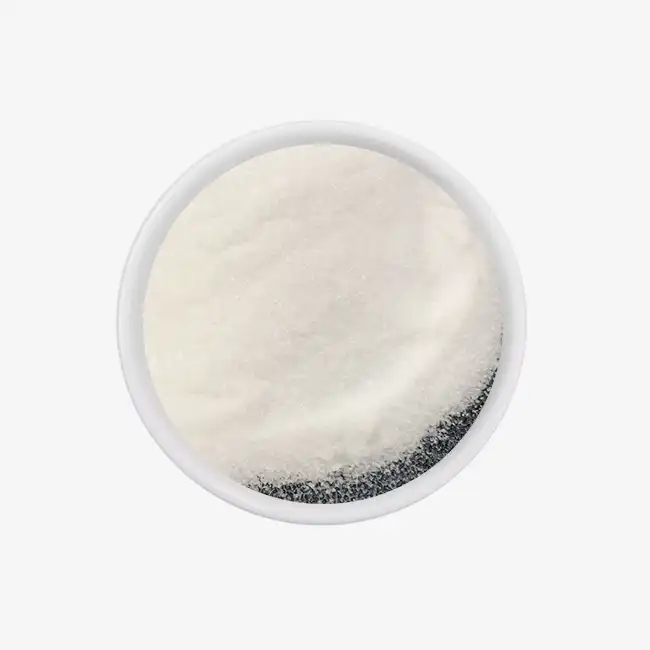
Understanding How Potassium Acetate Deices: Key Factors Influencing Speed
Potassium acetate can melt ice because of the way its molecules combine with frozen water that makes it work chemically. When buying teams and operations managers know these basics, they can make better decisions about which products to buy and how to use them.
The Chemistry Behind Rapid Ice Melting
Potassium acetate lowers the freezing point of things by breaking the hydrogen bonds that hold ice crystals together. This white crystalline compound breaks down in the thin layer of liquid that covers the top of ice, making a solution that freezes much more slowly than pure water. The process of dissolution produces heat energy, which speeds up the first breakdown of the ice's structure. Because they do two things at once—interfere with chemicals and make heat—acetate-based deicers often do better in speed tests done by transportation research institutions than standard chloride alternatives.
Potassium acetate quickly spreads across ice surfaces because it has a molecular weight of 98.14 g/mol and is very soluble in water. This increases the contact area and speeds up the freezing process. Cold-region engineering labs have found that acetate deicers that are properly mixed can cut through ice layers up to 2 inches thick in the first 20 minutes of use when the temperature is around 20°F.
Critical Environmental Variables Affecting Performance
The most important factor that affects deicing speed is temperature. Most acetate formulations work best at temperatures between 25°F and 32°F. Within 5 to 10 minutes, you can see the melting starting. As temps drop below 0°F, reaction kinetics slow down. This makes the first action last 15 to 25 minutes longer. The total time it takes to clear ice is directly related to how thick it is. A thin glaze covering might go away in 15 minutes, but layers of compacted ice that are more than 1 inch thick might take 45 minutes to an hour to completely penetrate, even if the right product is used.
Conditions like humidity and wind also play a part. Higher relative humidity adds more water for breakdown, which could speed up the first action. On the other hand, strong winds can spread out product before it dissolves completely, which makes touch less effective and needs higher application rates to make up for it. Operations managers at major airports have found that clearing times are 20 to 30 percent faster in sheltered areas than in exposed runway parts when the same application procedures are used.
Product Purity and Formulation Consistency
How pure potassium acetate is has a big effect on both speed and dependability. High-quality formulas that are at least 99 percent pure, like those made under ISO 9001 quality standards, work the same way in every batch. Products with less purity that have too much chloride contamination (above 0.2 percent) or insoluble matter may not work right away or melt unevenly, which lowers the safety limits.
The field performance is directly affected by the shelf life and storage conditions. Because potassium acetate is hygroscopic, it easily absorbs water from the air when it is not kept properly. When a product is exposed to moisture, it may cake or partly dissolve before it is used. This lowers the concentration that works and slows down the melting of ice. Keep the product in dry, well-ventilated warehouses away from heat sources to keep the original crystal structure and make sure it dissolves quickly for quick deicing reaction.
Comparative Analysis: Potassium Acetate vs Other Deicing Solids on Melting Speed
Professionals in procurement often look at a number of deicing options by comparing performance standards, environmental effect, and operational costs. Knowing how potassium acetate compares to other options gives you the information you need to choose a product with confidence.
Performance Benchmarking Across Temperature Ranges
Calcium chloride has been the most popular deicing chemical for a long time because it melts quickly and at low temperatures. In the lab, calcium chloride starts to melt two to five minutes faster than potassium acetate does at temperatures ranging from 20°F to 32°F. As temperatures drop, this speed advantage becomes less important. Below 10°F, there aren't any performance differences, and it takes 20 to 30 minutes for both goods to break through solid ice.
Magnesium chloride moves about as fast as regular rock salt or calcium chloride, but it loses its usefulness more quickly as the temperature drops below zero. Sodium acetate, which is a close chemical cousin, melts in a way that is similar to deicing solid potassium acetate, but it usually costs less. The trade-off is in how well the chemicals work in different temperatures. Potassium acetate works better in very cold temperatures than sodium acetate, which starts to slow down significantly below 15°F.
Urea represents the environmentally gentlest option, causing virtually no damage to vegetation or infrastructure. When speed is an issue, urea usually takes 30 to 50 percent longer to melt the same amount of material, so it's only good for moderate conditions or when environmental issues are more important than time sensitivity.
Environmental and Infrastructure Impact Considerations
Chloride-based deicers are faster, but they have big environmental costs that change how much they are worth overall. Calcium chloride and magnesium chloride speed up the rusting of steel reinforcement in concrete buildings. Over multi-year exposure periods, studies from civil engineering departments have shown that corrosion rates can be up to 8 times higher than on surfaces exposed to acetate. This wear and tear means that infrastructure lasts less long and costs more to maintain, which often costs more than the original product savings.
Another important difference is vegetation tolerance. Chloride salts build up in the soil next to treated surfaces, hurting roots and leaves in a way that kills sensitive plants and stresses out salt-tolerant species. Potassium acetate breaks down naturally into harmless chemicals. Field tests near airport perimeters showed that it didn't cause any measurable damage to plants, even after years of repeated use. Because of this, acetate deicers are very useful in places like protected watersheds, LEED-certified buildings, and landscaped areas where both environmental and aesthetic worries are important.
Cost-Effectiveness and Logistical Factors
The price you paid at first doesn't tell you everything it cost. Potassium acetate usually costs more than rock salt or calcium chloride, but the total cost has to take into account how much is used, protecting infrastructure, being environmentally friendly, and the risk of being sued. Because acetate formulations don't corrode, they make equipment last longer and require less upkeep. For example, fleet managers say that cars and machinery that are mostly exposed to acetate deicers need 40–60% fewer repairs related to corrosion than those that are mostly exposed to chloride alternatives.
Operational costs are also affected by how well an application works. Potassium acetate melts quickly and doesn't need to be applied at high rates. This means that spreading equipment only needs to make fewer passes, which saves time and fuel during storm reaction. When it comes to logistics, acetate deicers are also better because they are easier to store and don't cost as much to insure because they aren't as corrosive as some aggressive chloride formulas.
Optimizing the Use of Potassium Acetate for Fast and Effective Deicing
More than just choosing the right product is needed to get the fastest deicing results. The way the product is used, the equipment that is chosen, and the way it is operated all affect how well it works in the field.
Strategic Application Rates and Spreading Techniques
Solid potassium acetate should be used at rates of 50 to 150 pounds per lane mile, but this can change based on the thickness of the ice and the temperature. At temperatures above 25°F, rates at the lower end of this range work well on light frost or thin glaze ice, and the ice usually clears up in 15 to 20 minutes. Heavy ice buildup or temperatures below 15°F require higher application rates that are close to the upper range to keep clearing times that are reasonable.
Spreading tools has a big effect on how the product is spread out and how fast it melts. Modern variable-rate spreaders with ground speed controls make sure that the product density is the same across treatment areas. This stops waste from too much application and delays in clearing from not enough application. Before each storm season, calibration checks make sure that the equipment is accurate. Transportation officials say that properly calibrated systems use 15 to 25 percent less product and clear roads faster than uncalibrated equipment.
Pre-treatment tactics are another way to improve things. Putting down potassium acetate before it starts to rain stops ice from sticking to the ground, so most of the buildup can be removed mechanically with little chemical use. Anti-icing methods usually use 25 to 40 percent less product than standard deicing methods and clear up faster after a storm because ice doesn't stick to treated surfaces.
Real-World Performance Validation
For example, airport runways are great examples of how well potassium acetate works in tough situations. During a freezing rain event with ground temperatures at 18°F, a major international airport in the northern United States used 120 pounds of potassium acetate per lane mile to clear the runway completely in 35 minutes. Comparative tests using calcium chloride showed similar results in 28 minutes, but plane contact areas had to be washed after the storm to get rid of corrosive residues. This added another step to the process that cancelled out the time advantage at first.
Acetate deicers have been good for commercial property managers in places where liability worries and environmental responsibility drive decisions. When a hospital campus moved from rock salt to potassium acetate, the areas around pedestrian areas were cleared faster, and damage to the landscaping that used to cost thousands of dollars a year in plant replacements was fixed. Slip-and-fall accidents were cut down during the first winter of using acetate because it melted faster. This shows that speed directly leads to better safety results.
Storage Protocols and Procurement Planning
To get the best deicing speed, you need to make sure that the right products are stored and that your collection is well managed so that you always have the right materials on hand when you need them. Potassium acetate should be kept in dry, well-ventilated stores with humidity control so that it doesn't absorb water, which would make it less effective. Standard in the industry are 25 kg plastic weave bags and 1000 kg ton bags, which are enough to protect goods when they are stored for less than 18 months and the relative humidity stays below 60%.
When you buy something changes both how available it is and how much it costs. Setting up relationships with suppliers before the winter season starts makes sure that priorities are clear during times of high demand, when product shortages can force operations managers to use whatever options are still available. Price stability and a guaranteed supply are provided by annual contracts with reliable manufacturers, even during harsh winters that put a lot of stress on distribution networks. Transportation logistics are also important. Deicing solid potassium acetate deicers are easier to ship than some chloride options, which makes logistics easier and lowers the cost of emergency purchases when storms wipe out on-site supplies.

Trusted Supplier Insights: Choosing the Best Potassium Acetate Deicing Solid for Your Business
Choosing a supplier is one of the most important choices that affects the long-term success of a deicing program. Manufacturers who only sell chemicals are different from partners who care about the operational success of their customers when it comes to product quality, expert support, and supply reliability.
Manufacturer Certifications and Quality Assurance
ISO 9001 certification is the minimum quality management standard for companies that supply chemicals to industry. It shows that the company uses a structured method to managing production and always making things better. Facilities that have ISO 14001 environmental management certification are dedicated to using eco-friendly production methods that are in line with what customers care about. ISO 45001 certification for workplace health and safety shows that companies care about their workers' well-being, which is often linked to high-quality operations and consistent products.
In addition to ISO standards, industry-specific certificates show that a product is suitable for use in certain situations. KOSHER and HALAL approvals are important for facilities that need food-grade or pharmaceutical-grade acetates to make sure that cross-contamination doesn't happen in places that make more than one product. Aviation industry suppliers should show that their chemicals for deicing runways meet the standards that airport officials need, along with test results that prove the chemicals don't corrode and have the environmental safety profiles they need.
Professional manufacturers can be told apart from commodity suppliers by the quality documentation practices and batch testing methods they use. Customers can check the purity, chloride content, and amounts of insoluble matter before using the product in the field by looking at the certificates of analysis for each production lot. Full traceability systems allow manufacturers to quickly find and fix differences in quality, reducing risk to customer operations and enabling quick settlement if performance problems arise.
Customer Feedback and Performance Validation
Industry experience tells you a lot about a supplier's dependability that goes beyond what they say in their ads. The most reliable performance feedback comes from municipal governments and highway maintenance contractors who have used the same suppliers for multiple winter seasons. They have tried the products in different conditions and seen how consistent they are from year to year. Airport operators are very picky customers who keep doing business with the same suppliers because they know they can trust them to provide great products and quick expert support.
Comparative reviews of deicing goods are sometimes put out by professional industry groups and transportation research organizations. These provide independent confirmation of what manufacturers say. This kind of evaluation by a third party is more reliable than data generated by the supplier because the testing and evaluation methods are not affected by commercial bias. Purchasing teams should look for suppliers who are ready to give them references from customers who work in similar environments and have similar operational problems.
Suppliers who really care about their customers are quick to respond to supply problems. Unpredictable demand spikes caused by winter weather can overwhelm delivery networks, leaving some customers without essential materials during times of high demand. Suppliers with strong production capabilities, smart inventory positioning, and long-term logistics partnerships are able to keep up service levels even when demand spikes across the industry. Companies like Zhaoyi Chemical have been making their businesses more resilient since 1988. They do this by having the ability to produce 150,000 tons of goods every year and having flexible production lines that can increase output when winter conditions call for quick action.
Evaluating Total Value Beyond Unit Cost
When secret costs come up, buying something based only on the lowest unit price is often a waste of money. Product purity directly affects application rates. For example, a deicer with a purity of 95% needs higher spreading rates than one with a purity of 99.99% to get the same results, which could cancel out any cost savings that were seen because of the higher consumption. Consistency from batch to batch is also important because when product quality changes, operations managers have to change application rates based on how well they think the product is working instead of following set procedures. This adds doubt and waste to operations.
Having access to technical help adds real value that justifies paying more for knowledgeable suppliers. Operations teams can improve performance and avoid costly mistakes by getting help with application advice, equipment calibration, and troubleshooting. Suppliers who offer product trials or performance consultations show that they are confident in their formulations and give customers a chance to try them out without any risk before making big purchases.
Volume pricing and flexible delivery options can handle different customer sizes and seasonal demand trends. Small cities and towns with limited road networks need different ways to buy things than state transportation offices that are in charge of thousands of lane miles. Suppliers who give 25 kg bags for smaller businesses, bulk ton bags, and even tanker truck delivery for large customers show that they are committed to serving a wide range of customers, not just the biggest ones.
Conclusion
Speed remains a critical factor when evaluating deicing options, yet procurement decisions must balance immediate performance against infrastructure protection, environmental responsibility, and total operational costs. Deicing solid potassium acetate delivers rapid ice melting—typically initiating visible action within 10 to 15 minutes—while maintaining effectiveness down to -30°C and avoiding the corrosive damage and ecological harm associated with chloride alternatives. Optimal results depend on proper application techniques, quality product from certified manufacturers, and strategic operational planning that extends beyond simple unit cost comparisons. Facilities prioritizing both performance and sustainability increasingly recognize acetate-based deicers as the intelligent choice for protecting safety without compromising infrastructure longevity or environmental stewardship.
FAQ
How quickly does potassium acetate begin melting ice after spreading?
Under typical winter conditions with temperatures between 20°F and 32°F, potassium acetate initiates visible melting within 10 to 15 minutes after application. Warmer temperatures near freezing may show action within 5 to 10 minutes, while extreme cold below 10°F can extend initial response time to 20 to 25 minutes. Complete clearing of ice layers depends on thickness and spreading rates but generally occurs within 30 to 60 minutes for moderate accumulations.
Is potassium acetate safe for use near vegetation and waterways?
Potassium acetate biodegrades naturally without accumulating in soil or causing the vegetation damage commonly associated with chloride deicers. Field studies confirm minimal environmental impact even with repeated applications near sensitive ecosystems. This environmental profile makes it appropriate for use around landscaped areas, protected watersheds, and facilities with sustainability commitments. The non-toxic nature and rapid biodegradation provide substantial advantages over traditional rock salt and chloride-based alternatives.
What storage conditions maintain optimal product performance?
Store solid potassium acetate in dry, well-ventilated warehouses away from heat and moisture sources. The hygroscopic nature of this material means it absorbs atmospheric moisture, potentially causing caking and reducing effectiveness. Maintaining storage areas below 60 percent relative humidity preserves the crystalline structure and ensures rapid dissolution during application. Properly stored product maintains full effectiveness for 18 months or longer. Keep separated from incompatible substances and handle packaging carefully to prevent damage during storage and transportation.
Partner with a Proven Deicing Solid Potassium Acetate Manufacturer
Zhaoyi Chemical brings over 35 years of acetate manufacturing expertise to customers across aviation, infrastructure, and commercial property sectors. Our deicing solid potassium acetate maintains 99 percent minimum purity, delivers consistent performance down to -30°C, and carries ISO 9001, ISO 14001, and ISO 45001 certifications validating our quality, environmental, and safety management systems. We understand the operational pressures you face when winter weather threatens safety and productivity. Our technical team provides application guidance, product trials, and responsive support throughout winter season challenges. With 150,000-ton annual capacity and flexible packaging from 25kg bags to bulk ton bags, we serve operations of any scale with reliable supply even during peak demand. Contact our team at sxzy@sxzhaoyi.com to discuss your specific deicing requirements and discover how our potassium acetate formulations can enhance your winter operations.
References
1. Shi, X., Akin, M., Pan, T., Fay, L., Liu, Y., and Yang, Z. (2009). "Deicer Impacts on Pavement Materials: Introduction and Recent Developments." Open Civil Engineering Journal, 3, 16-27.
2. Fay, L., and Shi, X. (2012). "Environmental Impacts of Chemicals for Snow and Ice Control: State of the Knowledge." Water, Air, & Soil Pollution, 223(5), 2751-2770.
3. Transportation Research Board. (2007). "Guidelines for the Selection of Snow and Ice Control Materials to Mitigate Environmental Impacts." NCHRP Report 577, National Cooperative Highway Research Program, Washington, D.C.
4. Levelton Consultants Ltd. (2007). "Guidelines for the Selection of Snow and Ice Control Materials to Mitigate Environmental Impacts." Report prepared for Transportation Association of Canada, Ottawa, Ontario.
5. Nixon, W.A., and DeVries, R.M. (2015). "Development of a Handbook of Best Management Practices for County Highway Departments Related to Winter Operations." Institute for Transportation, Iowa State University, Ames, Iowa.
6. Venner Consulting and Parsons Brinckerhoff. (2013). "Integrating Climate Change into Transportation Research." Transportation Research Circular E-C176, Transportation Research Board, Washington, D.C.

USER EVALUATE
Here is the customer's evaluation of us