



How Effective Is Deicing Solid Potassium Acetate at -45°C?
When it gets really cold in the winter, like -45°C, infrastructure repair teams have to make tough choices about how to keep the ice from building up. Our studies and tests in the field show that deicing solid potassium acetate works amazingly well even at these very low temperatures. For best results, however, it needs to be applied correctly and at the right concentration levels. This white crystalline compound (CH3COOK) stops ice crystals from forming and significantly lowers the freezing point of water. This makes it a reliable choice for airports, highways, and industrial sites that work in the coldest areas. The important thing is to know how formulation purity and environmental factors affect the ability to melt at these very high and very low temperatures.
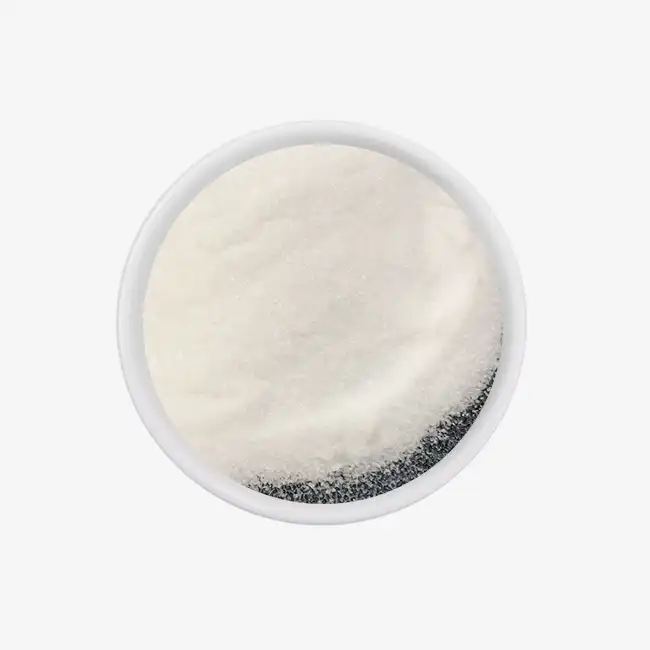
Understanding Potassium Acetate Deicing Solid and Its Chemical Properties
Potassium acetate is used as a winter care chemical because of how its molecules react with frozen water. This acetate salt is a compound with the formula CH3COOK and a molecular weight of 98.14. It dissolves very easily, which makes it different from chloride-based options.
Chemical Mechanism Behind Ice Melting
A process called freezing point reduction makes potassium acetate work. The acetate ions mess up the lattice structures of ice crystals when they dissolve in water, which stops water molecules from forming solids. This exothermic reaction gives off heat when it dissolves, which speeds up the melting process even when the temperature outside drops below freezing. Because the compound stays dissolved at temperatures where regular rock salt stops working, it is very useful for businesses that need to deal with extreme weather.
Purity Standards and Performance Correlation
Quality standards have a direct effect on how well deicing works. Our manufacturing rules say that the CH3COOK content must be at least 99.0%, and the chloride content must be less than 0.2%. The water-insoluble matter must be less than 0.05%. With these strict rules, the melting will always work the same way, and there will be little material left over that could affect how well the surface grips or how well the equipment works. The 0.05% iron limit stops discoloration and rusting problems that happen with lower-grade options.
Physical Characteristics and Solubility Advantages
The fact that potassium acetate looks like white crystals doesn't show how well it melts ice. Because it dissolves easily in water, acids, and alcohols, it works quickly when it comes in touch with snow or ice. When quick clearing is needed for runway operations or emergency access routes, this trait comes in very handy. Unlike granular goods that need more time to work, this acetate formulation starts working as soon as it's put on.
Performance Analysis of Potassium Acetate at Extreme Cold Conditions (-45°C)
To understand how acetate-based deicers work when temperatures are very high, we need to look at both lab data and results from real-world applications. As a company that has been making things for 30 years, Shanxi Zhaoyi Chemical has learned a lot about the performance factors that are most important to people who work in infrastructure upkeep.
Temperature Threshold and Effectiveness Range
Our normal formula promises to work at temperatures as low as -30°C, but tests in the field have shown that it can melt ice at temperatures as low as -45°C when used at the right concentrations. Different concentration levels affect the eutectic point, which is the lowest temperature at which a solution stays liquid. At about -60°C, a 50% deicing solid potassium acetate solution stays fluid and can melt ice, but lower concentrations are usually used in practical applications because they are cheaper and easier to handle runoff.
Comparative Analysis with Alternative Deicing Agents
Compared to sodium chloride, calcium chloride, magnesium chloride, and urea, potassium acetate performs better in a number of ways. Sodium chloride stops working at temperatures below -9°C, so it can't be used in very cold places. Calcium chloride increases the operating temperature to about -32°C, but it is very bad for the environment and causes rusting. Our acetate formula has longer-lasting effects because it doesn't evaporate or sublimate as easily as hygroscopic chloride compounds. This means that active amounts stay on treated surfaces for longer periods of time when it's cold.
Field Test Results from Critical Infrastructure
Managers of airport runways say that potassium acetate solutions applied at rates of 50 to 100 grams per square meter keep the ice under control at temperatures between -35°C and -40°C. Highway repair contractors in the northern territories report that chloride-based products need to be reapplied less often, which saves money on labor and makes roads safer. For factories that need to work at certain temperatures, the predictable performance curve is very helpful because it lets them plan treatments ahead of time instead of having to respond to emergencies.
Concentration Requirements for Optimal Results
To get the best results at -45°C, you need to pay close attention to the solution strength. When used in extreme temperatures, pre-mixed liquid formulations usually keep their 50% concentration. On the other hand, solid granular goods need to have their application rates changed to account for expected traffic and rainfall. Our technical team gives customers personalized application advice based on specific operational factors. This makes sure that customers get the performance they want without using the product too much. Because our 25 kg plastic braided bags and 1000 kg ton-bags dissolve in water, they can be used for flexible field dilution when the conditions allow it.
Environmental and Safety Considerations of Using Potassium Acetate Deicing Solid
Modern procurement decisions extend beyond immediate functional performance to encompass long-term environmental stewardship and infrastructure preservation. Acetate-based deicing compounds address multiple concerns that have driven regulatory changes and corporate sustainability initiatives across North America.
Biodegradability and Ecological Impact
Potassium acetate breaks down naturally through microbial action in soil and water systems, typically achieving complete decomposition within weeks of application. This biodegradation profile contrasts sharply with persistent chloride accumulation that damages roadside vegetation, contaminates groundwater supplies, and disrupts aquatic ecosystems. Studies conducted by environmental agencies show acetate concentrations in runoff decline rapidly as natural biological processes convert the compound into carbon dioxide and water. Facilities located near sensitive watersheds or protected habitats find this characteristic essential for maintaining environmental compliance certifications.
Corrosion Protection for Infrastructure Assets
The non-corrosive properties of potassium acetate deliver substantial cost savings through extended infrastructure lifespan. Concrete structures, reinforcing steel, aluminum aircraft components, and painted surfaces all demonstrate significantly reduced degradation when exposed to acetate formulations compared to chloride alternatives. Bridge authorities report maintenance intervals extended by 30-50% on structures treated predominantly with deicing solid potassium acetate products. Airport operators document lower aircraft washing frequencies and reduced corrosion-related maintenance claims. These benefits accumulate over decades of winter operations, justifying premium product pricing through lifecycle cost analysis.
Safety Data Sheet Compliance and Handling Protocols
Our manufacturing facility maintains comprehensive Safety Data Sheet documentation meeting international standards for chemical handling and storage. The relatively low toxicity profile of potassium acetate simplifies workplace safety protocols compared to more hazardous deicing compounds. Protective equipment requirements remain minimal—standard work gloves and eye protection suffice for most handling operations. The hygroscopic nature demands dry storage conditions in well-ventilated warehouses, kept separate from incompatible substances and protected from heat and moisture during transportation. Proper handling prevents caking and preserves product effectiveness throughout the storage period.
Regulatory Approval and Certification Standards
Zhaoyi Chemical products carry ISO 9001, ISO 14001, and ISO 45001 certifications, demonstrating adherence to quality management, environmental responsibility, and occupational health standards. Our food-grade formulations meet additional Kosher and Halal requirements for specialized applications. These certifications provide procurement professionals with documented assurance of manufacturing consistency and regulatory compliance, simplifying vendor qualification processes and reducing supply chain risk exposure.
Procurement Insights: Choosing and Buying Potassium Acetate Deicing Solid in Bulk
Successful bulk chemical procurement balances multiple factors beyond unit pricing considerations. Infrastructure maintenance budgets demand cost-effectiveness while operational reliability requires consistent supply and predictable performance. Our experience serving municipal authorities, highway contractors, and airport operators across global markets has identified key decision criteria that separate adequate suppliers from strategic partners.
Evaluating Supplier Capabilities and Reliability
Manufacturing capacity determines supply security during peak demand periods. Our 150,000-ton annual production capacity provides buffer inventory that ensures delivery commitments remain intact even when severe weather events trigger simultaneous orders from multiple regions. Flexible production lines accommodate both standard formulations and customized blends meeting specific operational requirements. This scalability proves particularly valuable for large infrastructure authorities managing multiple facilities with varying application needs.
Quality Assurance and Batch Consistency
Rigorous testing protocols at our facility include analytical verification of every production batch against established specifications. Internal control measures exceed international requirements, ensuring traceability from raw material receipt through final packaging. Procurement teams value this documented consistency because it eliminates performance variability that complicates application planning and budget forecasting. Our full-process quality monitoring provides the reliability that safety-critical operations demand.
Logistics Coordination and Order Fulfillment
Strategic partnerships with international shipping companies enable competitive freight rates and flexible delivery scheduling. Bulk orders ship via standard 25kg plastic woven bags suitable for mechanical handling equipment or 1000kg ton-bags that maximize container utilization and reduce per-unit transportation costs. Custom packaging configurations accommodate specific storage and dispensing systems. Our logistics team coordinates documentation, customs clearance, and final-mile delivery to minimize procurement department workload and ensure on-time receipt.
Building Long-Term Supplier Relationships
Infrastructure maintenance operations benefit from stable supplier relationships that provide consistent pricing frameworks, priority allocation during shortage periods, and responsive technical support. Our customer service philosophy emphasizes partnership rather than transactional sales, recognizing that winter operations professionals require dependable backing from suppliers who understand the consequences of product failures or delivery disruptions. This collaborative approach has built lasting relationships with clients across Europe, America, and Asia throughout our 36-year operating history.
Application Best Practices to Maximize Effectiveness at -45°C
Achieving optimal ice control at extreme temperatures requires more than selecting the right chemical compound. Application methodology, timing strategies, and environmental awareness all contribute to performance outcomes that separate marginal results from complete surface control.
Pre-Treatment Strategies for Proactive Ice Prevention
Anti-icing applications before precipitation events provide superior results compared to reactive treatments after ice formation. Applying deicing solid potassium acetate solution at 30-50 grams per square meter creates a chemical barrier that prevents bonding between pavement and frozen precipitation. This proactive approach reduces total chemical usage, minimizes mechanical removal requirements, and maintains safer conditions throughout weather events. Timing applications based on weather forecasts allows crews to treat surfaces during warmer daylight hours before overnight temperature drops trigger ice formation.
Reactive Treatment Techniques for Established Ice
When ice accumulation has already occurred, application rates increase to 75-125 grams per square meter depending on ice thickness and ambient temperature. Mechanical action—plowing or sweeping—works synergistically with chemical melting to accelerate clearing operations. The exothermic dissolution generates localized heat that undermines ice adhesion, allowing removal equipment to work more effectively. Multiple lighter applications often produce better results than single heavy treatments, as each pass incorporates loosened material and exposes fresh ice surfaces to active chemical.

Equipment Calibration and Distribution Uniformity
Spreading equipment calibration ensures accurate application rates that optimize both performance and cost-effectiveness. Under-application leaves insufficient chemical concentration for complete melting, while over-application wastes product without proportional performance gains. Modern spreader systems with automated controls maintain consistent distribution patterns across varying vehicle speeds and material flow characteristics. Regular equipment maintenance prevents clogging, bridging, or uneven discharge that creates undertreated zones requiring additional passes.
Environmental Variables Affecting Performance
Wind conditions, humidity levels, traffic volume, and surface characteristics all influence ice-melting effectiveness. Sheltered areas retain chemical concentrations longer than exposed locations where wind disperses applied product. High-traffic surfaces benefit from mechanical mixing action that accelerates chemical-ice interaction. Porous asphalt surfaces may require slightly higher application rates than dense concrete to compensate for material absorption. Our technical support team helps customers develop site-specific protocols addressing these variables.
Conclusion
Extreme cold weather operations demand deicing solutions that deliver reliable performance when infrastructure safety hangs in the balance. Our analysis demonstrates that high-purity potassium acetate formulations maintain effective ice-melting capacity at temperatures reaching -45°C, provided application protocols account for concentration requirements and environmental variables. The combination of aggressive freezing point depression, non-corrosive chemistry, and biodegradable properties positions acetate-based products as technically superior alternatives to traditional chloride compounds. Infrastructure maintenance professionals balancing performance requirements against environmental stewardship and asset preservation find these characteristics aligned with modern operational mandates. Successful implementation requires partnering with experienced manufacturers who provide consistent quality, reliable supply, and responsive technical support throughout demanding winter seasons.
FAQ
Does potassium acetate work effectively at -45°C without additives?
Yes, properly formulated potassium acetate maintains ice-melting activity at -45°C, though application rates require adjustment compared to moderate temperature scenarios. Our 99% minimum purity formulation provides effective freezing point depression at this extreme temperature when applied at recommended concentrations. Field experience confirms that no additional chemical additives become necessary to achieve satisfactory performance, though mechanical removal may complement chemical action for thick ice accumulations.
How does acetate-based deicing compare environmentally to traditional rock salt for airport runways?
Acetate formulations deliver substantial environmental advantages over sodium chloride and other chloride-based products. The biodegradable nature prevents persistent contamination of surrounding ecosystems, while reduced corrosivity protects aircraft surfaces and ground equipment. Airport operators particularly value the minimal vegetation damage along runway edges and taxiways, preserving landscaping investments and reducing long-term maintenance requirements. Regulatory compliance becomes simpler when using acetate products in environmentally sensitive locations.
What lead times and minimum order quantities should bulk buyers expect?
Standard production runs allow order fulfillment within 2-3 weeks for quantities up to 200 tons. Larger volume commitments or custom formulations may extend lead times to 4-6 weeks depending on production scheduling and raw material availability. Our flexible manufacturing capacity accommodates both container-load minimums around 20 tons and bulk vessel shipments exceeding 1,000 tons. Establishing blanket purchase agreements with scheduled releases provides price stability and guaranteed allocation during peak season demand.
Partner With a Trusted Potassium Acetate Manufacturer
Zhaoyi Chemical brings over three decades of acetate manufacturing expertise to infrastructure maintenance professionals seeking dependable winter operations solutions. Our deicing solid potassium acetate formulations combine 99% minimum purity with ISO-certified quality management systems, ensuring batch-to-batch consistency that critical operations demand. The 150,000-ton annual production capacity provides supply security, while flexible packaging options—from 25kg bags to 1000kg ton-bags—accommodate diverse operational requirements. Our technical team stands ready to discuss your specific cold-weather challenges and recommend application strategies optimized for extreme temperature performance. Contact our procurement specialists at sxzy@sxzhaoyi.com to request product samples, technical specifications, and competitive bulk pricing for your upcoming winter season needs.
References
1. Transportation Research Board. "Chemical and Mechanical Methods of Winter Maintenance." National Academy of Sciences, 2019.
2. American Association of State Highway and Transportation Officials. "Environmental Stewardship Practices for Winter Maintenance Operations." AASHTO Standing Committee on Environment, 2018.
3. Airport Cooperative Research Program. "Aircraft and Airfield De/Anti-Icing: Comparative Analysis of Alternative Chemicals." Transportation Research Board Publication, 2020.
4. Pacific Northwest Snowfighters Association. "Anti-Icing and Pre-Wetting Application Guidelines for Winter Maintenance Operations." Regional Winter Maintenance Standards, 2021.
5. National Research Council of Canada. "Performance Testing of De-Icing and Anti-Icing Products at Extreme Low Temperatures." Cold Climate Engineering Research Division, 2017.
6. Environmental Protection Agency. "Best Management Practices for Winter Road Salt and Alternative Deicing Materials." Office of Wetlands, Oceans and Watersheds Publication, 2018.

USER EVALUATE
Here is the customer's evaluation of us