



Application Instructions for Pharmaceutical-grade Organic Acid Salts Specifically Prepared for Injection Raw Materials
Injections are directly administered into the human bloodstream, imposing extremely stringent requirements on raw material purity, sterility, biocompatibility, and impurity control. pH fluctuations, osmotic pressure imbalance, and excessive impurities can directly trigger serious safety risks such as vascular irritation, hemolysis, and adverse reactions. The product must comply with global pharmaceutical standards including USP, EP, CP, IP, and GMP regulations. The following two core injectable-grade excipients serve as essential raw materials for large pharmaceutical companies in the preparation of injection raw materials, suitable for the production of all categories of injectables. Details are as follows:
1. Injection-grade anhydrous sodium acetate (USP/EP/CP grade, main content ≥99.5%, sterile and pyrogen-free grade)
Core Function: As the essential pH buffer and osmotic pressure regulator for all categories of injectable preparations, it serves as the foundational material for large-volume infusions, small-volume water injections, and lyophilized powder for injection. It precisely and stably maintains the pH value of injectables, mitigating risks of drug degradation, vascular irritation, and hemolysis caused by pH fluctuations. Simultaneously, it regulates osmotic pressure to the isosmotic range for the human body, enhancing the safety and shelf life of injectables. This substance is compatible with various injectables, including antibiotics, vitamins, cardiovascular drugs, and antitumor agents, and can also function as a drug solubilizer and lyophilization protectant.
Product Advantages: Ultra-high purity with critical parameters such as heavy metals, pyrogens, endotoxins, and insoluble particles far below the limits specified by national pharmacopoeias, fully compliant with GMP production and global regulatory requirements; stable buffering performance that effectively inhibits drug hydrolysis and oxidation over a wide pH range (4.0-9.0) tolerable by humans, extending product shelf life; excellent biocompatibility with no vascular irritation or hemolysis, meeting safety requirements for injectable administration; superior water solubility and absence of foreign particles, compatible with sterile filtration and high-speed filling production lines.
Usage: For large-volume infusion, add at a concentration of 0.05%-0.5% and adjust pH and osmotic pressure; for small water injections and lyophilized powder injections, add at 0.02%-0.3% of the total drug solution mass as a buffer and lyophilization protectant. The entire process must be performed under aseptic conditions in a Class A clean area, and the solution must undergo sterile filtration after dissolution.
Common Issues: Highly hygroscopic, requires storage in a clean, dry environment under sealed and light-protected conditions. For sterile-grade products, use it immediately after opening. Excessive addition may lead to hyperosmolarity and cause venous irritation; precise dosage control is essential. When pre-mixing with strongly acidic drugs, perform stepwise mixing to prevent drug precipitation.
2. Injection-grade potassium acetate (USP/EP/CP grade, with a main content of ≥99.5%, sterile and pyrogen-free grade)
Core Function: Specialized pH buffer, osmotic pressure regulator, and electrolyte supplement for high-end injectables. Primarily used in hypokalemia treatment injections, peritoneal/blood dialysis solutions, and preparation of high-end nutritional infusions. Additionally serves as a solubilizer for poorly soluble drugs and a stabilizer for alkaline medications. Compatible with high-end injectable R&D and large-scale production in major pharmaceutical enterprises, and can synergistically optimize the buffer system with sodium acetate.
Product Advantages: Pharmacopoeial-grade purity with controllable impurity profile, free from pyrogens and endotoxins, meeting global injectable registration requirements; as an electrolyte supplement, it exhibits high bioavailability, significantly lower vascular irritation compared to potassium chloride, and excellent safety; strong pH buffering capacity stabilizes weakly alkaline drug systems, inhibits degradation, and enhances long-term stability; superior water solubility without turbid particles, ensuring good compatibility with various active pharmaceutical ingredients.
Usage: Electrolyte solutions and dialysate solutions should be added at a concentration of 0.02%-0.2% to supplement potassium ions and regulate osmotic pressure and pH. For insoluble drug injections, add 0.05%-0.3% of the total drug solution mass as a solubilizer and stabilizer. The entire process must be performed under Class A clean area aseptic conditions, with strict monitoring of potassium ion concentration and drug solution pH.
Common Issues: Highly hygroscopic, requires strict sealing storage in a low-humidity clean environment; Overdosing may lead to hyperkalemia risk, necessitating precise dosing according to pharmacopoeia standards; Should be added stepwise with high-calcium and high-phosphorus drugs to avoid precipitation.
3.Industry Use Cases
A major listed pharmaceutical group, primarily engaged in large-volume parenteral solutions, therapeutic injections, and dialysis solutions, previously faced challenges with conventional excipients, including significant batch-to-batch pH fluctuations, rapid drug degradation, short shelf life, and obstacles in obtaining regulatory approval in Europe and the United States. By adopting USP/EP-grade injection-grade anhydrous sodium acetate as the core buffer excipient and optimizing the formulation with injection-grade potassium acetate for its high-end dialysis solution line, the company achieved a reduction in the batch-to-batch pH deviation rate of injections from 5.8% to 0.6%, an 82% decrease in drug degradation rate, and an extension of the shelf life from 18 months to 36 months. The impurity profile was significantly below the EP Pharmacopoeia limits, successfully passing on-site inspections by the US FDA and EU EDQM. The company obtained DMF and CEP certificates, with export orders increasing by 58% and annual sales rising by 42%.

USER EVALUATE
Here is the customer's evaluation of us
YOU MAY LIKE
 VIEW MOREFeed Preservative Sodium Diacetate
 VIEW MOREFeed Fresh-Keeping Sodium Diacetate
 VIEW MOREDeicing Liquid Potassium Formate
 VIEW MOREDeicing Solid Potassium Formate
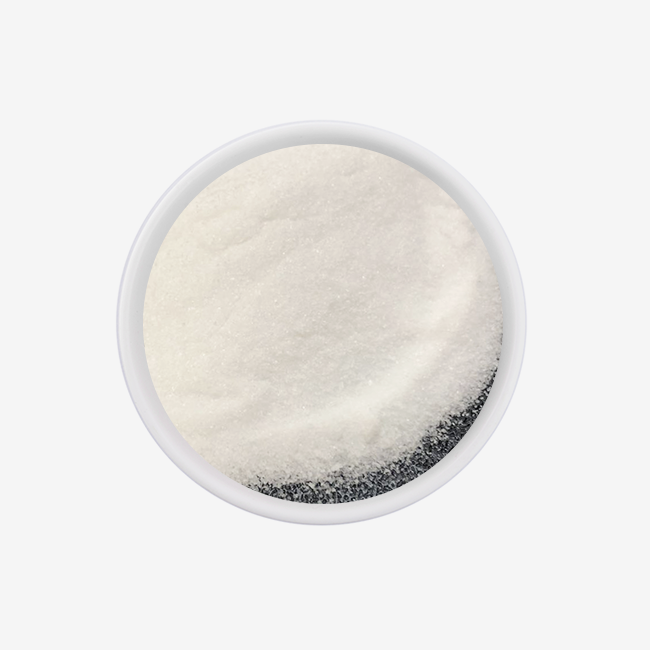 VIEW MOREPharmaceutical Solid Potassium Acetate
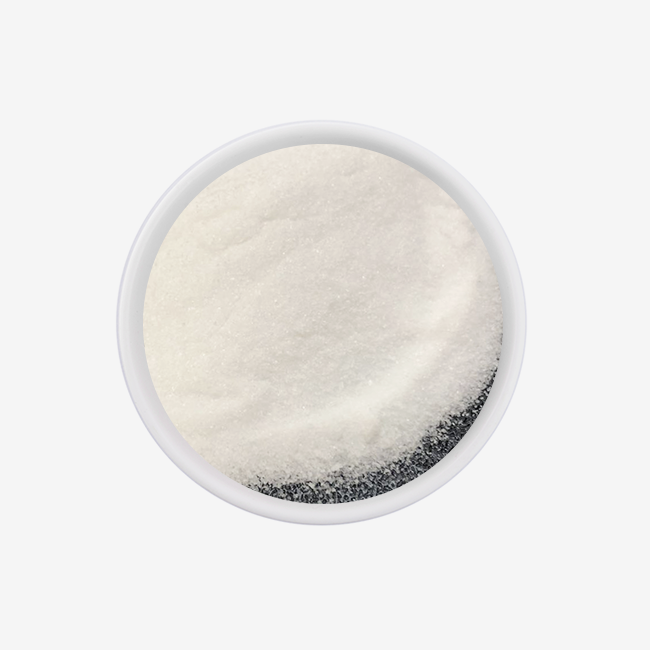 VIEW MOREAntibiotic Solid Potassium Acetate
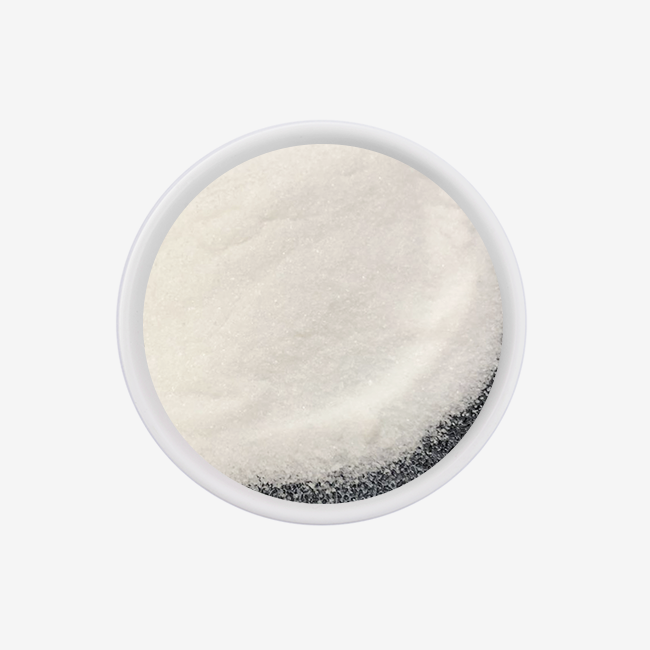 VIEW MORESnow Melting Solid Potassium Acetate
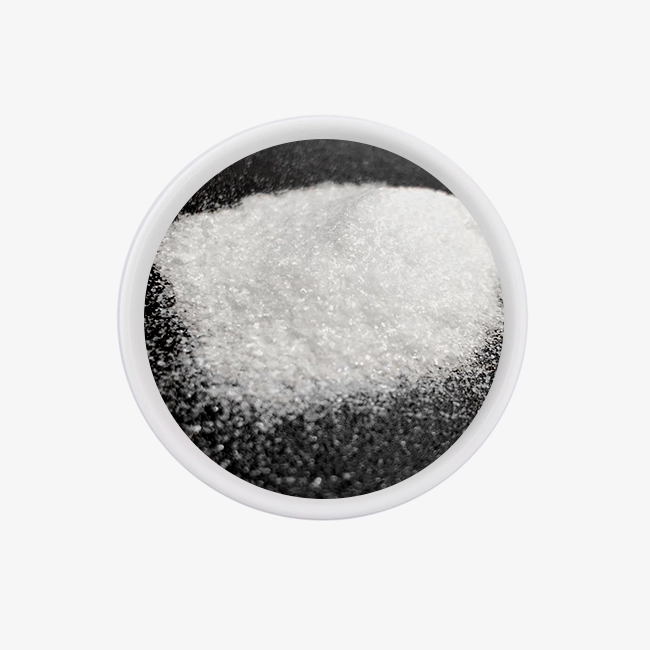 VIEW MOREPharmaceutical Intermediate Sodium Acetate Anhydrous