



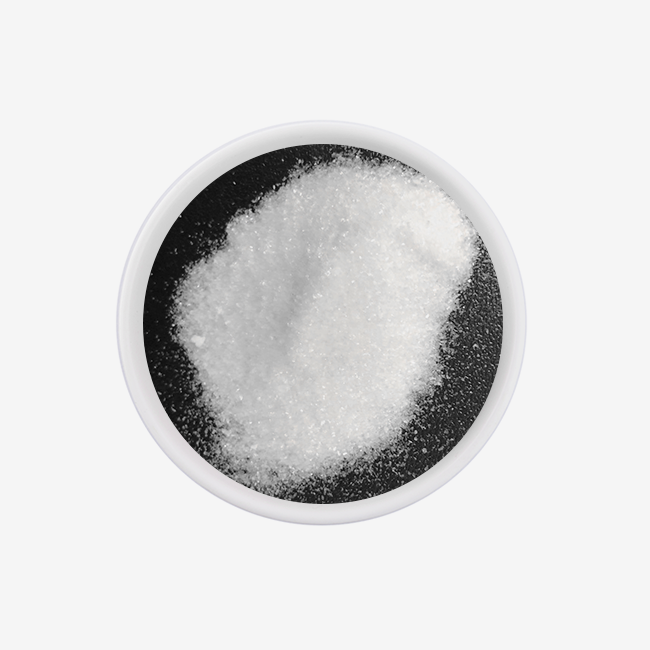
Sewage Sodium Acetate Anhydrous
CAS NO.: 127-09-3
Molecular Formula: CH3COONa
Molecular Weight: 82.03
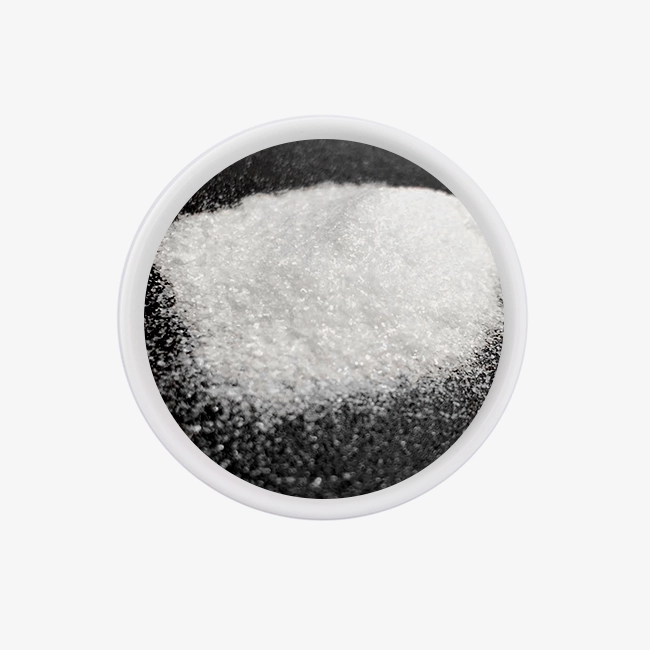
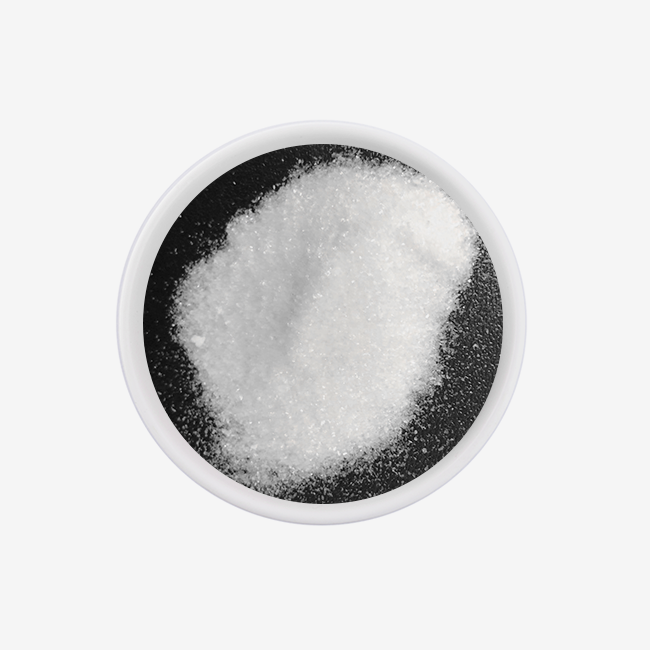
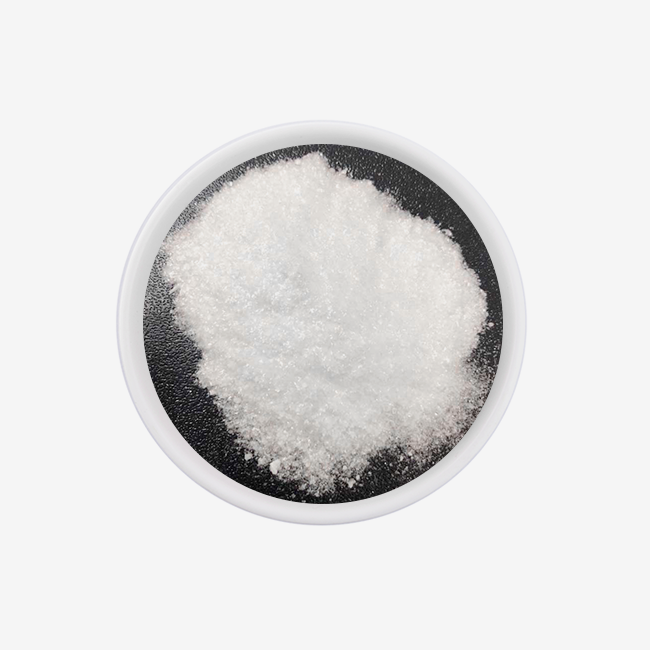
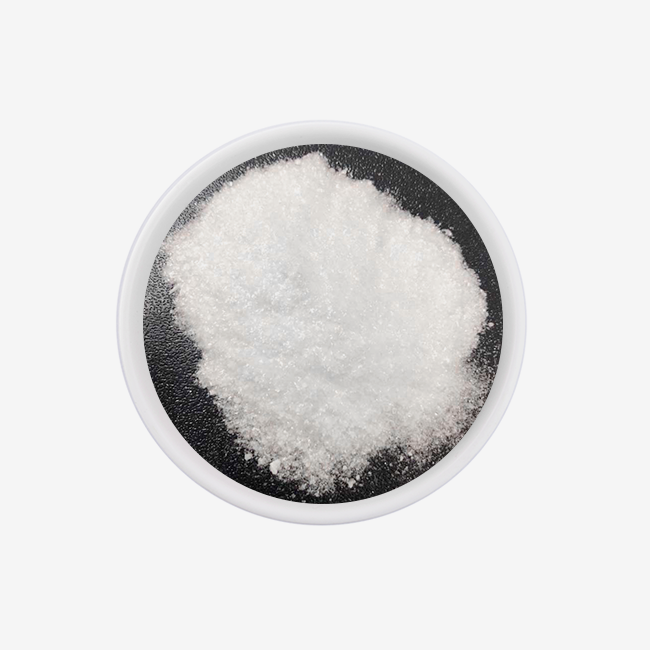
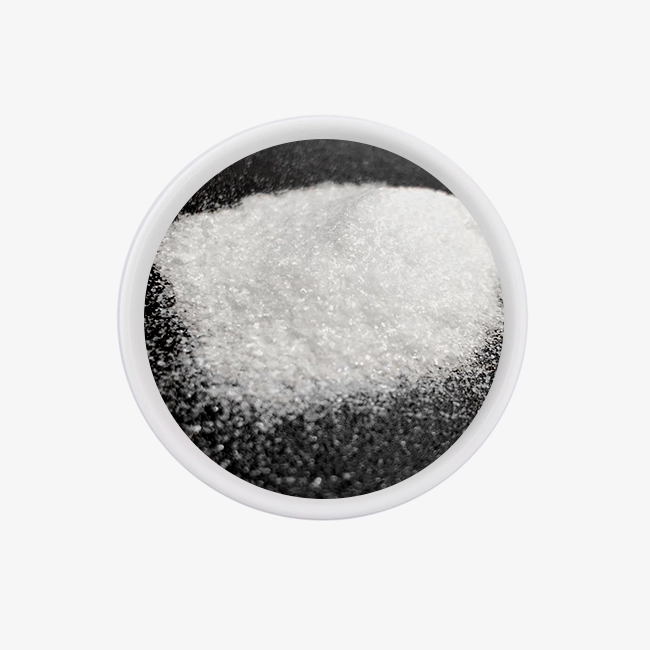
Character: white crystal powder; specific gravity is 1.528 and melting point is 324℃.
Usage: It is a kind of chemical raw material and is widely used in dye, pharmaceutical, chemical reagent fields, sewagement and etc.
Package: 25kg plastic woven bag or 1000kg Ton-bag
Storage: It should be stored in a dry and ventilative warehouse, kept away from heat and moisture during transportation, unloaded with care so as to avoid damage. Furthermore, it must be stored separately from poisonous substances.
- Product Description
Sewage Sodium Acetate Anhydrous – Premium Carbon Source for Wastewater Treatment
SHANXI ZHAOYI CHEMICAL CO., LTD delivers industrial-grade Sewage Sodium Acetate Anhydrous (CAS 127-09-3) with ≥99.0% purity, specifically designed for wastewater denitrification. With 36 years of manufacturing expertise since 1988 and an annual production capacity of 150,000 tons across our 27,000 m² facility, we provide reliable carbon dosing solutions for municipal and industrial sewage treatment plants. Our white crystalline powder features a specific gravity of 1.528 and melting point of 324℃, ensuring superior performance in biological nitrogen removal systems. Every batch meets ISO, KOSHER, and HALAL certifications, supporting your compliance with stringent discharge standards.
Key Features & Benefits
Tall Virtue, Greatest Efficiency
Our anhydrous equation conveys over 99% dynamic sodium acetic acid derivation substance. You get more viable carbon per kilogram compared to trihydrate choices, lessening transportation and capacity costs.
Rapid Natural Response
Your heterotrophic microscopic organisms metabolize this promptly biodegradable carbon source instantly. No acclimation period is required, not at all like methanol or complex sugars.
Safe & Non-Hazardous
Unlike combustible methanol, this item requires no explosion-proof framework. You can handle and store it with standard security conventions, minimizing work environment risks.
Lower Slime Production
The moo cell surrender coefficient implies you create less overabundance slime. This interprets to decreased dewatering costs and rearranged squander administration for your facility.
Stable Quality Control
Every generation bunch experiences thorough testing. You get steady execution over shipments, keeping up steady treatment forms year-round.
Technical Specifications
Parameter | Standard |
Content (CH₃COONa) | ≥99.0% |
Free Alkali | ≤0.03% |
Water Insoluble | ≤0.04% |
Chloride (Cl) | ≤0.08% |
Ferrum (Fe) | ≤0.006% |
Molecular Formula | CH₃COONa |
Molecular Weight | 82.03 |
Appearance | White crystal powder |
Specific Gravity | 1.528 |
Melting Point | 324℃ |
CAS Number | 127-09-3 |
How It Works?
Step 1: Carbon Insufficiency Identification
Your influent water regularly arrives with moo BOD₅:N proportions (underneath 4:1). This starves denitrifying microbes of the carbon they require to change over nitrates into safe nitrogen gas.
Step 2: Exact Dosing
You measurements the item into anoxic zones based on approaching nitrate levels. Regularly, 5-6 kg of item expels 1 kg of nitrate-nitrogen, in spite of the fact that site-specific conditions may vary.
Step 3: Microbial Metabolism
Heterotrophic microscopic organisms quickly devour the acetic acid derivation as an electron benefactor. They break down nitrates (NO₃⁻) through nitrites (NO₂⁻) to nitrogen gas (N₂), which get away actually into the atmosphere.
Step 4: Gushing Compliance
Your add up to nitrogen (TN) concentrations drop to meet release limits. The handle works proficiently without poisonous byproducts or over the top slime era.
Our Factory
30-YEAR ACETATE SPECIALIST | Non-caking, High Purity, Global Supply Chain


Applications
Metropolitan Wastewater Treatment Plants
Upgrade your natural supplement evacuation frameworks confronting low-carbon influent. This item guarantees steady TN compliance indeed amid regular carbon fluctuations.
Industrial Wastewater Treatment
Pharmaceutical, printing and coloring, and chemical offices advantage from solid carbon dosing. You address high-nitrogen emanating from generation forms effectively.
Upgrading & Retrofit Projects
Existing plants transitioning to stricter nitrogen limits require supplemental carbon. Our anhydrous equation coordinating consistently with current framework without major modifications.
Emergency Carbon Supplementation
When influent characteristics abruptly move or natural frameworks underperform, you can quickly reestablish denitrification capacity with this fast-acting carbon source.


Sewage Sodium Acetate Anhydrous vs Other Products
Feature | Anhydrous Sodium Acetate | Sodium Acetate Trihydrate | Methanol | Glucose |
Active Carbon Content | ≥99% | ~58-60% | High | Moderate |
Handling Safety | Non-hazardous | Non-hazardous | Flammable/Toxic | Non-hazardous |
Bacterial Acclimation | None required | None required | 7-14 days | 3-5 days |
Sludge Yield | Low | Low | Very Low | High |
Storage Requirements | Dry warehouse | Standard warehouse | Explosion-proof | Standard warehouse |
Transportation Costs | Lower (concentrated) | Higher (water weight) | Special permits | Moderate |
Dosing Precision | Excellent | Good | Requires monitoring | Moderate |
Certifications & Compliance
Our manufacturing facility maintains ISO quality management certification, ensuring every batch meets international standards. Sewage Sodium Acetate Anhydrous carries KOSHER and HALAL certifications for diverse market requirements.
We comply with strict quality protocols covering content purity, heavy metal limits, and insoluble matter. Each shipment includes detailed test reports for your regulatory documentation.


Packaging Options
Standard Packaging
25 kg plastic woven bags suit most wastewater treatment facilities. They balance handling convenience with protection against moisture absorption during normal storage conditions.
Bulk Packaging
1000 kg ton-bags serve high-volume users and automated dosing systems. You reduce packaging waste and streamline material handling at larger treatment plants.
Custom Solutions
Long-term cooperation customers access tailored packaging formats. We accommodate specific bag sizes or labeling requirements that fit your operational workflow.
All packaging materials resist tearing during transport. We recommend storing sealed bags in dry, ventilated warehouses away from heat sources and incompatible chemicals.
Packing

Manufacturing Process
Crude Fabric Selection
We source high-purity acidic corrosive and sodium hydroxide from certified providers. Rigid approaching quality checks guarantee reliable standard chemistry for each generation run.
Neutralization Reaction
Controlled response conditions combine acidic corrosive with sodium hydroxide. Exact temperature and pH observing keep up ideal transformation rates and minimize impurities.
Crystallization & Dehydration
The sodium acetic acid derivation arrangement experiences vanishing and crystallization. Progressed lack of hydration gear expels water particles, creating the anhydrous crystalline shape with 99%+ purity.
Quality Testing
Each clump passes through multi-stage research facility examination. We confirm substance rate, chloride levels, press substance, and water-insoluble matter against specialized specifications.
Packaging & Storage
Automated filling lines parcel the item into moisture-resistant sacks. Climate-controlled distribution centers protect quality until shipment to your office.
Shipment


Why Choose Us?
36 Years of Industry Expertise
Since 1988, we've refined acetate production techniques. You benefit from decades of chemical manufacturing knowledge and continuous process improvements.
Massive Production Capacity
Our 150,000-ton annual capacity guarantees supply reliability. You never face shortages during peak demand seasons or when expanding treatment capacity.
Global Distribution Network
We serve customers across China, Europe, America, and Asia. Your orders reach you efficiently through established logistics partnerships and export experience.
24-Hour Technical Support
Our specialists calculate dosage requirements for your specific water chemistry. You receive optimization recommendations for addition methods and troubleshooting guidance anytime.
Quality Guarantee Policy
If test reports show content or moisture issues, we accept unconditional returns. Transportation costs for defective products remain our responsibility, protecting your investment.
Inventory Management Service
We maintain customer stock files and send proactive replenishment reminders. Emergency orders receive priority production scheduling to prevent treatment disruptions.


FAQ
Q: How quickly can I see denitrification improvements after dosing?
A: Most systems show measurable nitrate reduction within 2-4 hours. Full stabilization typically occurs within 24 hours as bacterial populations adjust to the carbon availability.
Q: Does temperature affect product performance?
A: While bacterial activity slows in cold weather, the product dissolves and remains available across all temperatures. You may need slightly higher doses during winter months.
Q: Can I use this with existing methanol dosing systems?
A: Yes, though equipment modifications may be necessary. Sodium acetate requires different dissolution tanks but eliminates explosion-proof pumping requirements.
Q: What happens if the product absorbs moisture during storage?
A: Hygroscopic clumping doesn't degrade chemical effectiveness. However, caked product complicates automated dosing. Store in sealed conditions to maintain free-flowing characteristics.
Q: How do I transition from glucose to your product?
A: Calculate equivalent COD dosing rates and gradually shift the carbon source ratio. Most facilities complete the transition within one week without performance drops.
Request a Quote
Ready to optimize your wastewater nitrogen removal with Sewage Sodium Acetate Anhydrous? Contact us today for customized dosing calculations and competitive pricing. Email: sxzy@sxzhaoyi.com

USER EVALUATE
Here is the customer's evaluation of us
YOU MAY LIKE
 VIEW MOREIndustrial Sodium Acetate Anhydrous
 VIEW MOREpH Adjustment Sodium Acetate Anhydrous
 VIEW MOREPharmaceutical Excipient Sodium Acetate Anhydrous
 VIEW MOREPharmaceutical Sodium Acetate Anhydrous
 VIEW MORECatalytic Sodium Acetate Anhydrous
 VIEW MOREFood-Grade Sodium Acetate Anhydrous
 VIEW MOREPreservative Sodium Acetate Anhydrous
 VIEW MOREPharmaceutical Intermediate Sodium Acetate Anhydrous