



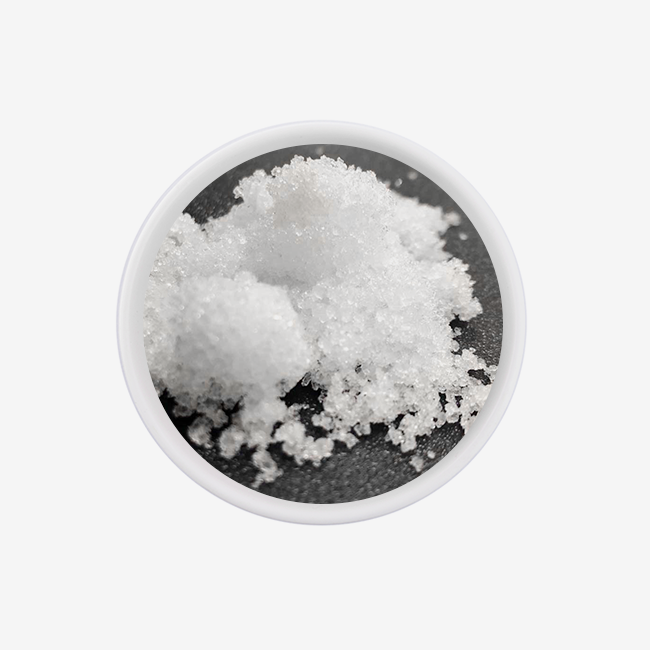
Acidity Adjustment Sodium Acetate Trihydrate
CAS NO.: 6131-90-4
Molecular Formula: CH3COONa·3H2O
Molecular Weight: 136.08
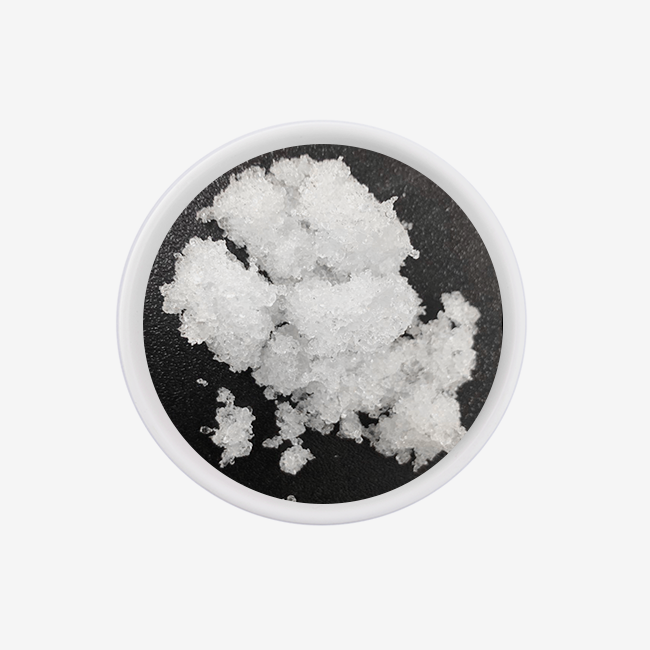
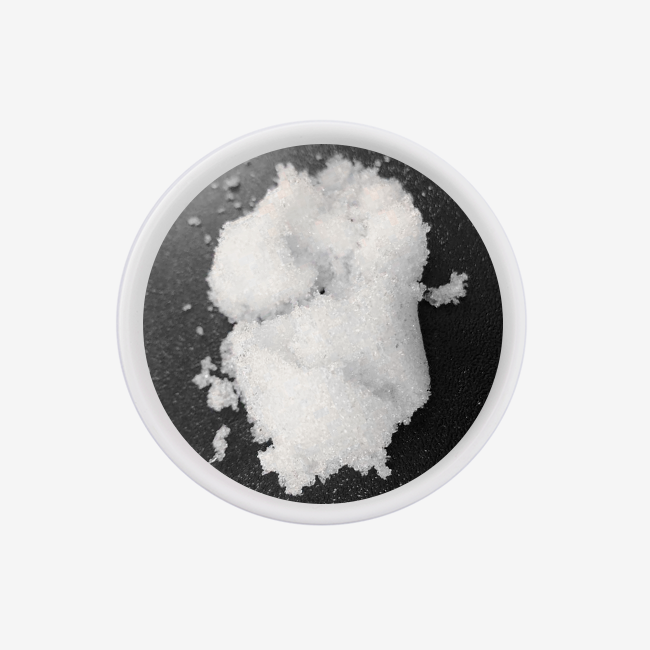
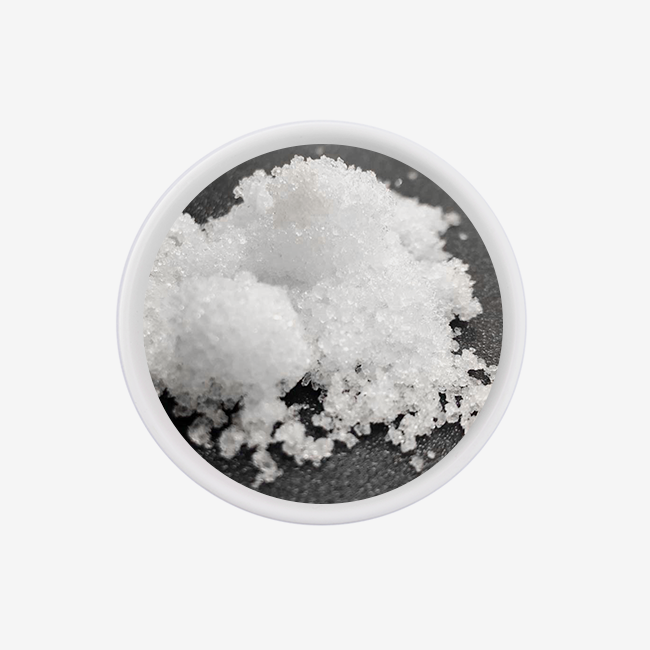
Character: Colorless crystal, it is soluble in water and alcohol and lightly soluble in acetic acid; specific gravity:1.45; melting point: 58℃.
Usage:It should be stored in a dry and ventilative warehouse, kept away from heat and moisture during transportation, unloaded with care so as to avoid damage. Furthermore, it must be stored separately from poisonous substances.
Package: 25kg plastic woven bag or 1000kg Ton-bag
Storage: It should be stored in a dry and ventilative warehouse, kept away from heat and moisture during transportation, unloaded with care so as to avoid damage. Furthermore, it must be stored separately from poisonous substances.
- Product Description
Acidity Adjustment Sodium Acetate Trihydrate – Professional pH Buffer Solution for Food & Industrial Applications
Our Acidity Adjustment Sodium Acetate Trihydrate delivers exceptional pH control with guaranteed purity of 99-100%. Manufactured in our 27,000 m² facility with an impressive annual capacity of 150,000 tons, this food-grade buffer maintains precise pH ranges between 7.5-9.0 in your formulations.
With a specific gravity of 1.45 and melting point at 58℃, our colorless crystalline product offers superior cold-water solubility. Certified under ISO, KOSHER, and HALAL standards, you can trust our quality for meat processing, pharmaceutical compounding, and textile applications. We control heavy metals to <2ppm and limit free alkali to ≤0.12%, ensuring your downstream processes remain stable and compliant.
Key Features & Benefits
Predominant Buffering Performance
Our item keeps up steady pH levels indeed when acids or bases are presented to your framework. The acetic acid derivation particles combine with hydrogen particles, avoiding emotional pH changes in basic applications.
Enhanced Item Safety
With arsenic substance ≤0.0001% and lead ≤0.0005%, you get pharmaceutical-grade immaculateness. This makes it perfect for nourishment contact applications and dialysis arrangements where defilement dangers must be eliminated.
Excellent Solvency Profile
The trihydrate frame breaks down quickly in cold water frameworks, not at all like anhydrous options. This quickens your generation cycles in meat curing brines and low-temperature pharmaceutical preparations.
Cost-Effective Quality
Backed by our 36 a long time of fabricating ability, you get steady quality at competitive estimating. Our large-scale generation kills batch-to-batch varieties that disturb your forms.
Technical Specifications
Parameter | Food Grade Specification |
Content (CH₃COONa·3H₂O) | 99-100% |
Free Alkali | ≤0.12% |
Potassium (K) | ≤0.01% |
Lead (Pb) | ≤0.0005% |
Arsenic (As) | ≤0.0001% |
Free Water | ≤0.1% |
Molecular Weight | 136.08 g/mol |
Melting Point | 58℃ |
Specific Gravity | 1.45 |
Appearance | Colorless crystals |
pH (5% solution) | 7.5-9.0 |
How It Works?
The Buffering Mechanism
When you add Acidity Adjustment Sodium Acetate Trihydrate to your system, it dissociates into acetate ions and sodium ions. These acetate ions act as your pH guardians.
Acid Neutralization Process
If acids enter your formulation, acetate ions immediately combine with hydrogen ions (H⁺) to form acetic acid. This reaction prevents your pH from dropping, protecting sensitive ingredients from acid damage.
Alkaline Balance Control
When bases are introduced, the weak acetic acid component reacts with hydroxide ions (OH⁻). This creates water and regenerates acetate ions, stopping pH from rising beyond your target range.
Temperature-Responsive Behavior
At approximately 58°C, the compound dissolves in its own water of crystallization. This unique property allows you to create concentrated solutions without external water addition in heated processes.
Our Factory
30-YEAR ACETATE SPECIALIST | Non-caking, High Purity, Global Supply Chain


Applications
Meat & Poultry Industry
You can expand rack life essentially in ready-to-eat meats by buffering pH to 5.6-6.0. This optimizes water-holding capacity whereas repressing Listeria and Salmonella development through controlled water action reduction.
Textile Manufacturing
In corrosive coloring operations, it capacities as your impeding operator and pH stabilizer. You'll dispose of streaking surrenders by neutralizing sulfuric corrosive buildups and keeping up indeed color infiltration over texture batches.
Pharmaceutical Formulations
For renal dialysis liquids and intravenous arrangements, it serves as a basic electrolyte restorer. The item remedies acidosis whereas keeping up blood pH inside physiological ranges of 7.35-7.45 with zero endotoxin tolerance.
Food Processing
Use it as a flavor enhancer and additive in sauces and snacks. Its mellow saline-vinegar profile won't overwhelm your product's characteristic taste, not at all like more honed citrate choices.


Acidity Adjustment Sodium Acetate Trihydrate vs Other Products
Feature | Our Trihydrate | Anhydrous Form | Sodium Citrate |
Molecular Weight | 136.08 g/mol | 82.03 g/mol | 294.10 g/mol |
Cold Water Solubility | Excellent | Moderate | Good |
Flavor Profile | Mild saline-vinegar | Stronger | Sharp sour |
Dosage Precision | Direct use | Requires 1.66× conversion | Higher dosage needed |
Melting Point | 58℃ | 324℃ | 300℃ (decomposes) |
Storage Stability (<25℃) | Stable | More stable | Hygroscopic |
Preferred Use | Cold processing, food | High-temp industrial | Beverages, desserts |
Certifications & Compliance
International Quality Standards
Our manufacturing facility holds ISO certification, ensuring consistent quality management across all production stages. You receive products that meet international pharmaceutical and food safety requirements.
Religious Compliance
We maintain both KOSHER and HALAL certifications for our food-grade products. This allows you to serve diverse markets without additional supplier qualification processes.
Testing Protocols
Every batch undergoes Non-Aqueous Titration per USP/FCC methods. We verify assay accuracy and moisture content using Atomic Absorption Spectroscopy (AAS) for heavy metal detection below regulatory limits.


Packaging Options
Standard Industrial Pack
25kg plastic woven bags with moisture-resistant inner lining. This size suits mid-volume users requiring flexible inventory management without warehouse space concerns.
Bulk Volume Solution
1000kg ton-bags designed for high-volume operations. You'll reduce packaging waste and handling costs while maintaining product integrity during pneumatic transfer systems.
Custom Packaging Available
Contact us for specialized packaging requirements. We accommodate unique labeling, pallet configurations, and container loading specifications for international shipments.
Packing

Manufacturing Process
Crude Fabric Selection
We source high-purity acidic corrosive and sodium hydroxide from certified providers. Our approaching fabric assessment rejects any feedstock containing intemperate formates or oxidizable substances.
Controlled Crystallization
The neutralization response happens beneath exact temperature control. We screen the handle to guarantee total trihydrate precious stone arrangement at ideal cooling rates, avoiding anhydrous contamination.
Purification Stages
Multiple recrystallization cycles expel overwhelming metals and insoluble matter to <0.05%. This prevents blockage in your precision dosing pumps and maintains optical clarity in pharmaceutical applications.
Quality Verification
Final products undergo Potassium Permanganate titration to measure oxidizable substances. Our 60-person team conducts pH verification on 5% solutions, ensuring your specifications are met before packaging.
Shipment


Why Choose Us?
36 A long time of Fabricating Excellence
Since 1988, we've refined our acetic acid derivation generation forms through ceaseless development. You advantage from our gathered information in avoiding common issues like caking and dampness contamination.
Unmatched Generation Scale
Our 150,000-ton yearly capacity implies you'll never confront supply interferences amid top request. We keep up buffer stock to bolster your just-in-time fabricating requirements.
Global Dispersion Network
With built up coordinations over Europe, America, and Asia, your orders arrive on plan. We handle send out documentation and compliance necessities for hassle-free universal transactions.
Customer-Centric Philosophy
Your fulfillment drives our operations. Our specialized back group helps with dose calculations, capacity optimization, and investigating handle challenges at no extra cost.
Competitive Advantage
Direct manufacturing plant estimating disposes of agent markups. You get pharmaceutical-grade quality at industrial-grade costs, progressing your item edges without compromising security guidelines.


FAQ
Q: Why does the product sometimes cake in storage?
A: The trihydrate form can partially melt above 25°C with high humidity, then recrystallize upon cooling. Always store in cool (<25°C), dry conditions with proper ventilation to prevent this issue.
Q: Can I substitute anhydrous sodium acetate directly?
A: No. You'd need approximately 1.66 times the weight of our trihydrate to match acetate content. Solubility profiles also differ significantly, affecting your process parameters.
Q: How does it compare to sodium citrate for pH control?
A: The product offers a milder taste profile, making it preferable for savory applications like meats and sauces where citrate's sharp sourness would interfere with flavor balance.
Q: Is this material corrosive to stainless steel equipment?
A: It's generally non-corrosive to 304/316 stainless steel. However, rinse equipment after use to prevent pitting from concentrated salt solutions over extended contact periods.
Q: What distinguishes food grade from technical grade?
A: Our food grade undergoes rigorous purification to eliminate heavy metals, aldehydes, and insoluble matter. Technical grade focuses solely on acetate content for neutralization capacity without safety testing for consumption.
Q: How should I handle the product safely?
A: While non-toxic, use standard chemical handling practices. Store separately from poisonous substances, unload carefully to avoid bag damage, and keep away from heat sources during transportation.
Request a Quote
Ready to stabilize your pH control with Acidity Adjustment Sodium Acetate Trihydrate? Get your customized quotation today by contacting us at sxzy@sxzhaoyi.com for competitive pricing and delivery schedules.

USER EVALUATE
Here is the customer's evaluation of us
YOU MAY LIKE
 VIEW MOREIndustrial Sodium Acetate Trihydrate
 VIEW MOREDairy Product Sodium Acetate Trihydrate
 VIEW MOREFood-Grade Sodium Acetate Trihydrate
 VIEW MOREChemical Fiber Sodium Acetate Trihydrate
 VIEW MOREAntibiotic Sodium Acetate Trihydrate
 VIEW MOREInjection Sodium Acetate Trihydrate
 VIEW MOREPharmaceutical Sodium Acetate Trihydrate
 VIEW MOREBread Sodium Acetate Trihydrate